
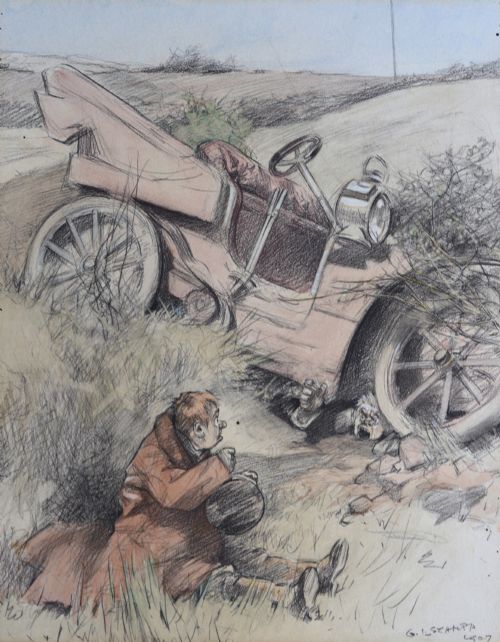


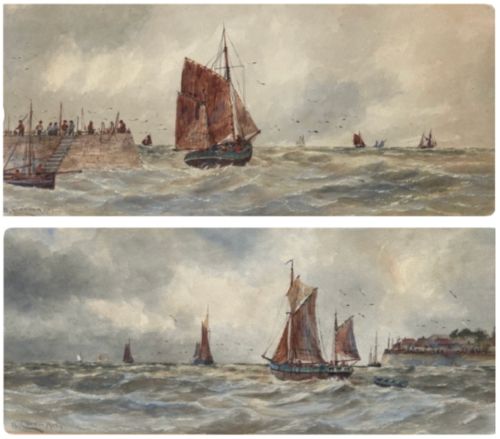
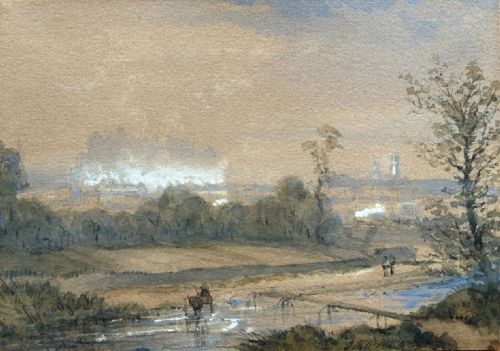
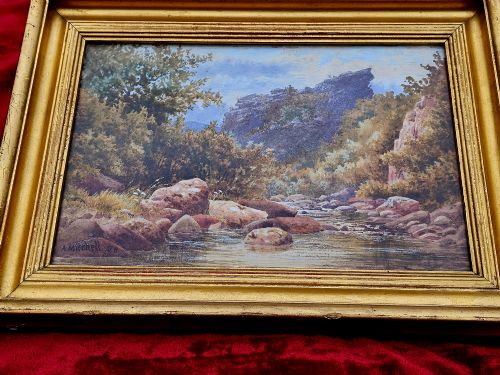

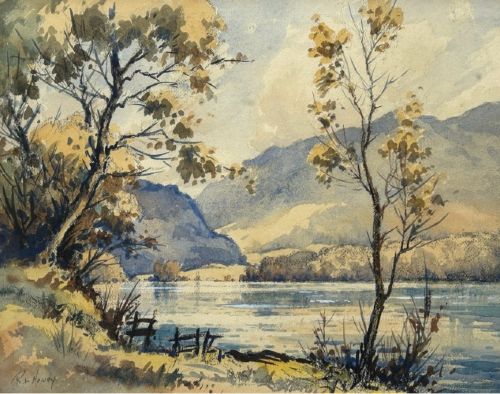
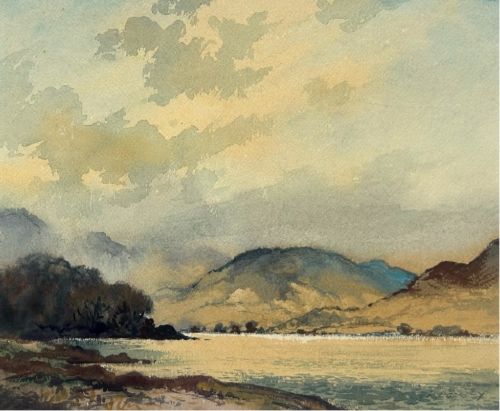

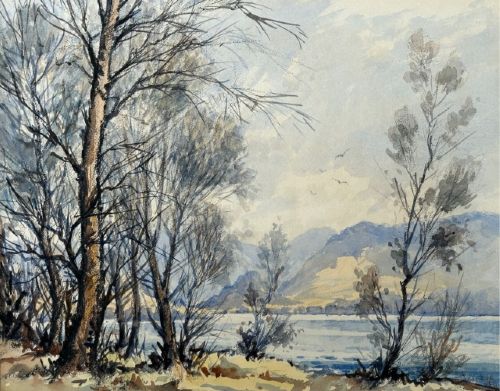
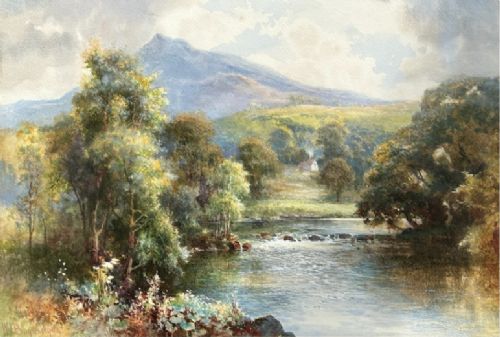
Signed British Watercolour
Signed british watercolour works capture coastal scenes and rural landscapes from the nineteenth century onward.
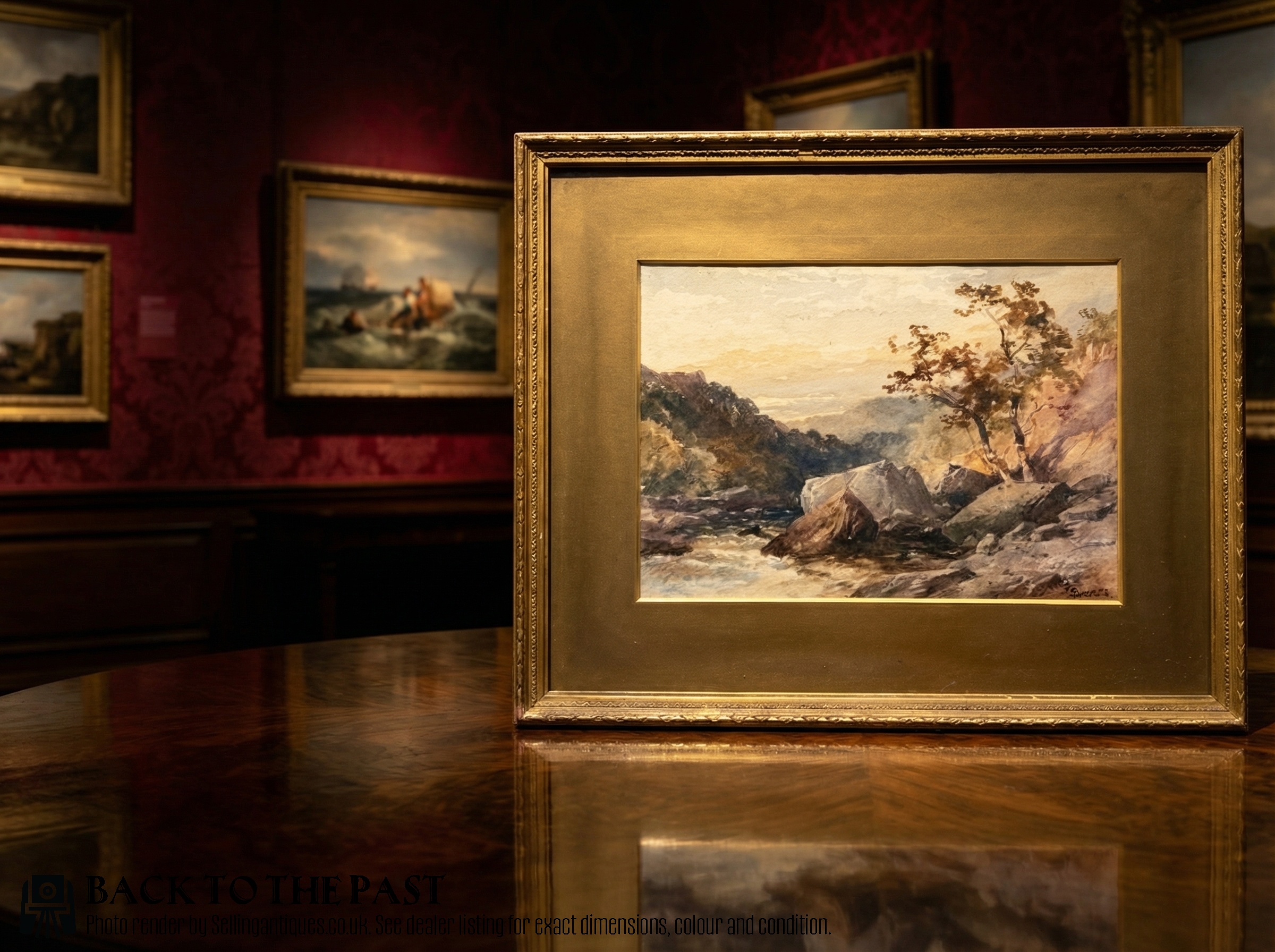
Signed British Watercolour
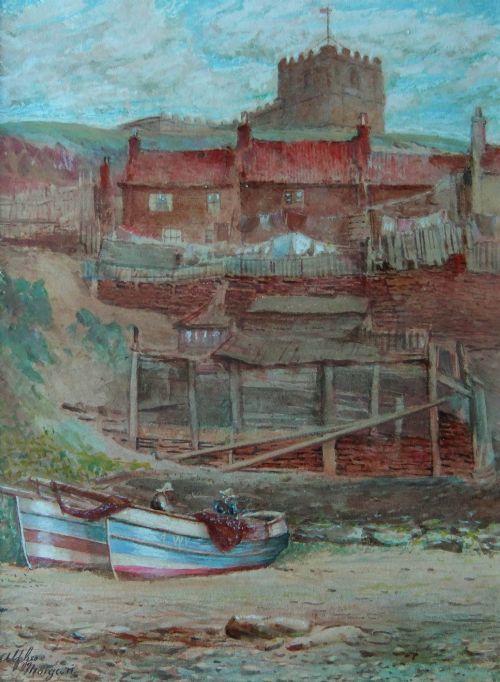
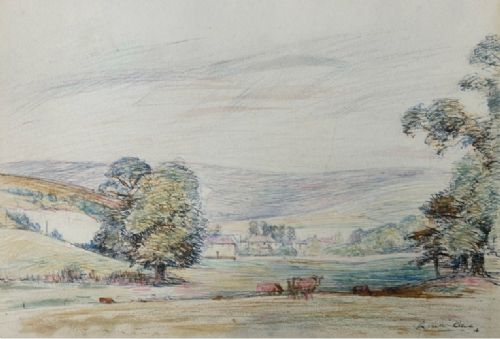
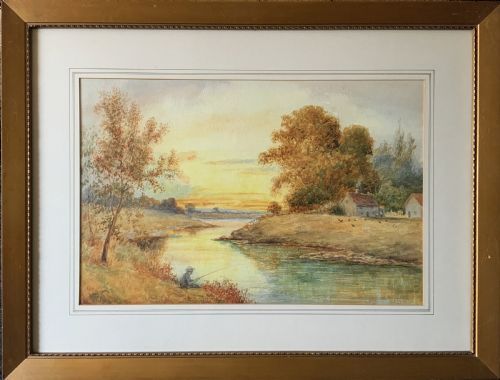
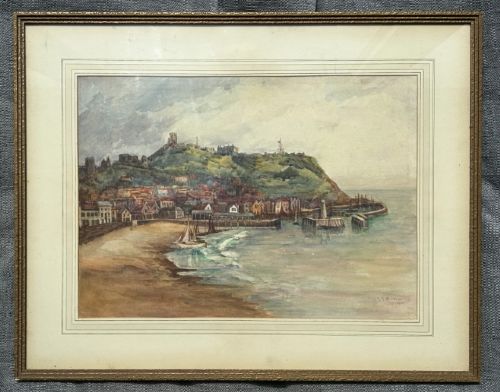
A signed british watercolour offers a direct encounter with historical views, coastal harbours, and pastoral countryside. Buyers examine framed paintings and sketches ranging from Victorian river scenes to mid-century British school compositions.
The selections frequently feature Yorkshire coastal towns, Welsh mountains, and Scottish landscapes. Works by regional artists sit alongside pieces from Royal Academy exhibitors and modern abstract creators.
Pigments and Supports
Artists executed these compositions using watercolour pigment and gouache applied to paper supports. Some makers incorporated ink detailing to define architectural elements and figures within the landscape.
Framing typically involves wood and gilt wood surrounds, often paired with protective glass layers. These traditional materials preserve the delicate water-soluble pigments across decades.
The inventory records pieces spanning the nineteenth century through the 1960s, executed primarily in watercolour on paper.
Execution and Detail
Quality rests in the surety of the brushwork and the management of light across the paper surface. Superior examples demonstrate confident washes and precise control over pigment density.
The distinction also lies in the strength of the composition and the artist's ability to capture atmospheric conditions. Finished studies reveal a clearer sense of place than hurried sketches.
George Lorain Stampa·George Fotherly Hargitt·James Orrock·William Cannon·John R Prentice·Robert Leslie Howey·William Banks Fortescue·William Joseph Boyes·Russell Sidney Reeves·Fred Lawson·Cuthbert Crossley·Stanley Orchart·Frederick James Aldridge·Colin H Greenwood·Henry Bailey·Raoul Millais·Lester Sutcliffe·John Syer·Frank Wood·Kate E Booth·William Stephen Coleman·Adrian Heath·Edmund Morris Wimperis·Edith E Caswall·Phyllis I Hibbert
The Signed British Watercolour Glossary
- Watercolour paint
- A medium consisting of colour pigments suspended in a water-soluble vehicle. Artists dilute the substance with water to achieve varying levels of transparency.
- Gouache
- An opaque water-soluble paint often used alongside standard watercolour to add highlights. It contains added white pigment to create a heavier, denser finish.
- Diptych
- A painting comprising two separate hinged or matched panels. Creators utilise this format to present paired landscape views.
- Seascape
- A pictorial representation of the sea, coastal cliffs, or harbour activities. This genre forms a major category within British painting.
- Provenance
- The documented history of a work's ownership and origin. Clear provenance helps verify an artist's signature and date.
Signed British Watercolour: Frequently Asked Questions
How do I date an antique watercolour?
Examine the paper quality, framing style, and any visible artist signatures or inscriptions. Archival records and exhibition dates on the reverse often provide precise chronological clues.
Stylistic shifts between Victorian realism and twentieth-century abstraction also help narrow the period of creation.
Where should I hang these paintings?
Select interior walls away from direct sunlight and damp conditions to protect delicate pigments from fading. Proper placement preserves the integrity of both the paper and the wooden frame.
Pairing pieces with complementary periods enhances historical displays within domestic spaces.
What subjects are most common?
Coastal harbours, fishing boats, and rural river valleys dominate the available landscape subjects. Regional views of Yorkshire, Wales, and the Lake District appear frequently across the archive.
Artists also recorded architectural landmarks and occasional floral still life studies.
How do I identify a genuine signature?
Compare the handwriting against documented examples from the same artist and period. Signatures executed in ink or pencil directly on the primary paper surface indicate original work.
Examine the script under magnification to check that the ink integrates naturally with the paper fibres.