

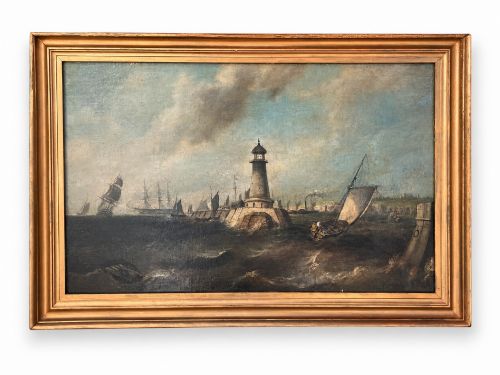
Mid 19th Century Painting
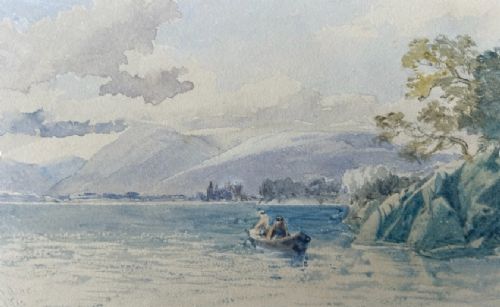
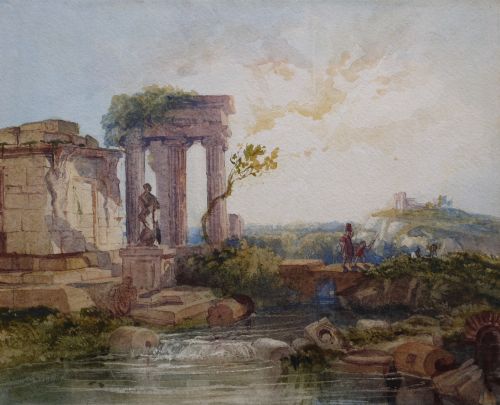
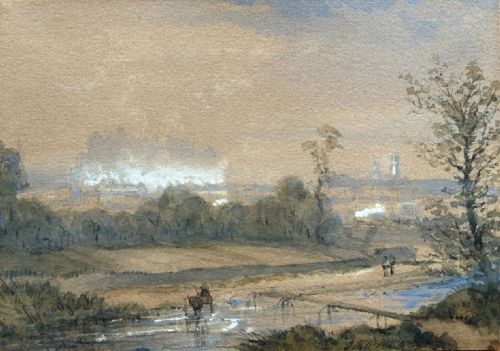
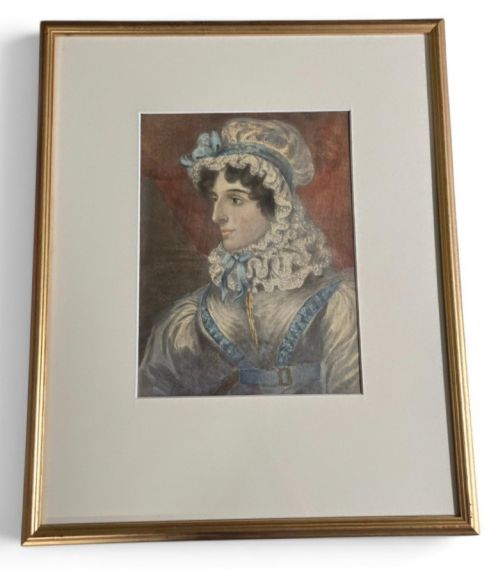
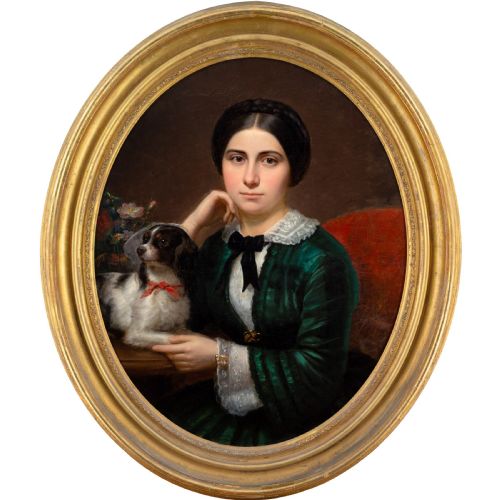
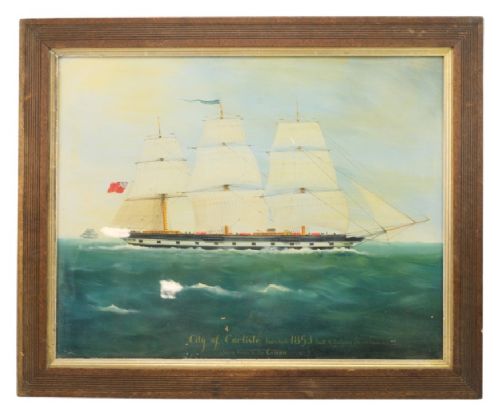
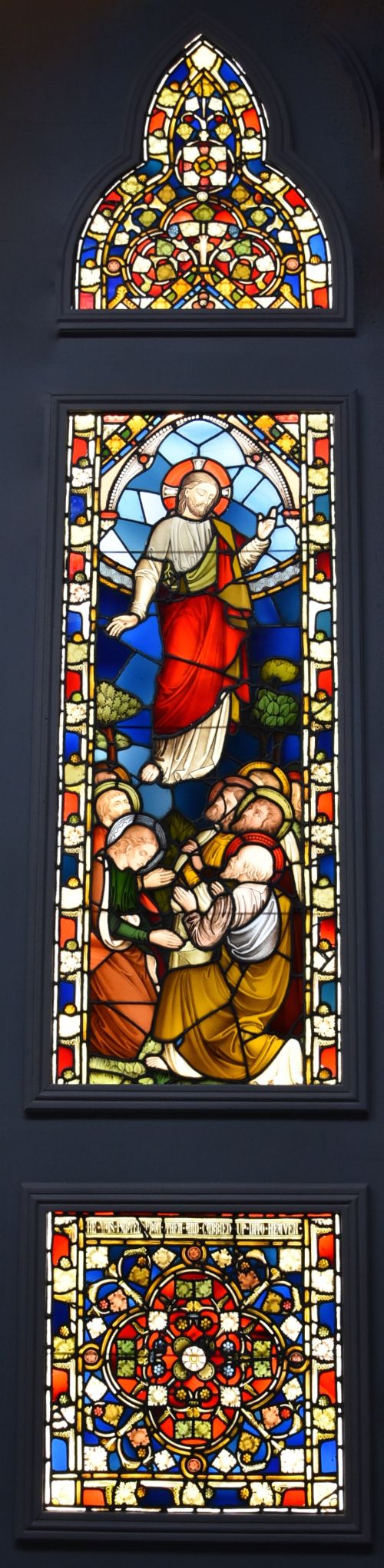
When you search for a mid 19th century painting, you are looking for original works capturing landscapes, portraits, and maritime scenes.
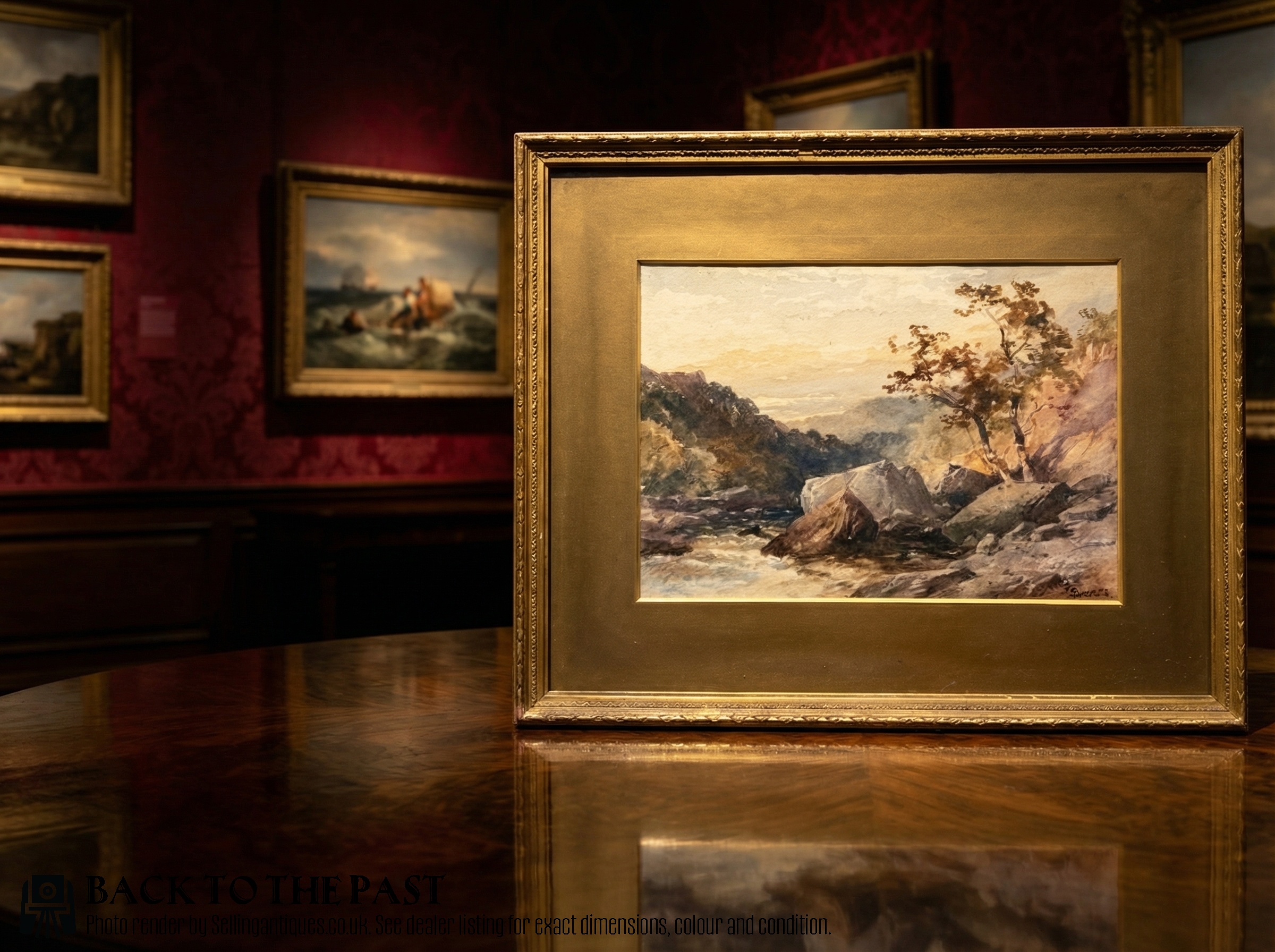
Mid 19th Century Painting
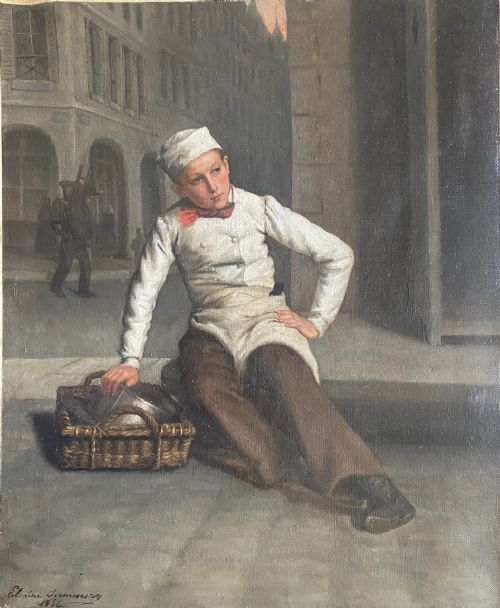
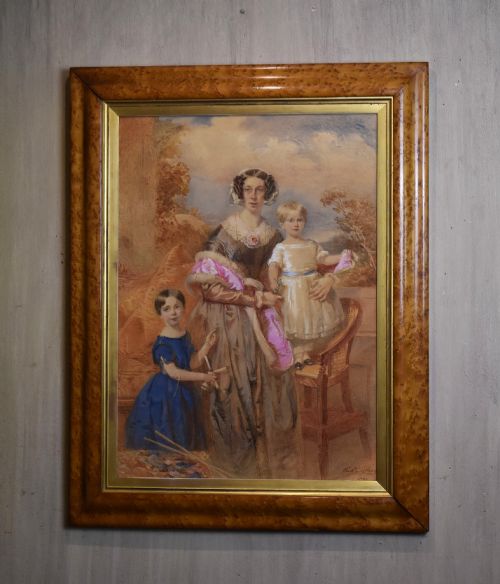
A mid 19th century painting encompasses both oil paintings on canvas or panel and detailed works on paper. These pieces capture contemporary life, landscapes, and portraits from the Victorian era.
The selection ranges from professional British and continental school works to charming regional and naive folk art examples.
How They Were Made
Artists utilised traditional oil paints applied to prepared canvas, wood panel, or milk glass, alongside watercolour pigments on heavy paper.
Many surviving works retain their original gilded or carved wooden frames, which were constructed specifically to house the individual piece.
Materials documented in the collection include oil, watercolour, paper, canvas, wood panel, and milk glass.
What Varies in Quality
The degree of anatomical precision and perspective handling distinguishes professional academic works from simpler folk art representations.
The preservation of the pigment, the condition of the support, and the presence of a documented signature or attribution strongly influence the character of each piece.
Thomas Miles Richardson Jnr·Richard Principal Leitch·John R Prentice·Edward Bradford·Thomas Hicks·Henry Barlow Carter·Robert Faulkner·Thomas Miles Richardson·John Syer·Richard Henry Nibbs·William Noble Hardwick·Georgina Lara·David Cox Senior·Thomas Colman Dibdin·James D Harding·Sydney Buck·Edward Richardson·Charles James Barraud·Thomas Creswick
The Mid 19th Century Painting Glossary
- Monogram
- A motif made by overlapping two or more letters to form a single symbol, often utilised by artists to sign their work.
- Grisaille
- A painting executed entirely in shades of grey or neutral greyish-brown, frequently used to imitate sculpture.
- Tondo
- A circular painting or relief sculpture, popular during the nineteenth century for intimate portraits and landscape scenes.
- Panel
- A flat piece of wood used as a structural support for an oil painting before canvas became universally dominant.
Mid 19th Century Painting: Frequently Asked Questions
How do I identify a mid 19th century painting?
Look for period-specific clothing styles, hairstyles, and framing techniques that match the Victorian era. Signatures, dates, and inscriptions verso often provide direct confirmation of the creation period.
Examine the physical materials such as the weave of the canvas, the composition of the wood panel, or the handmade quality of the paper. These subtle material clues help separate authentic nineteenth-century works from later reproductions.
What subjects are most common?
Landscapes, seascapes, and portraiture dominate the surviving works from this era. Artists frequently recorded local topographical views, naval shipping, and domestic family portraits.
Narrative scenes depicting rural life and historical events also appear regularly. These subjects reflect the artistic interests and cultural values of the Victorian period.
Should I choose oil or watercolour?
Oil paintings on canvas or panel offer rich textures and deep colour saturation that endure strongly over time. They suit traditional wall displays where a heavier, substantial presence is desired.
Watercolours on paper provide a delicate, luminous quality but require careful placement away from direct sunlight. They represent the vibrant sketching tradition practiced by artists recording views on their travels.
How should I care for these paintings?
Keep works on paper and canvas away from direct sunlight and damp environments to prevent fading and mould growth. Stable indoor temperatures protect the organic materials used in both the support and the paint.
Dust frames and unglazed oil surfaces gently with a dry, soft cloth without applying chemical cleaning products. Glazed watercolours should remain sealed in their original frames to protect the sensitive pigments underneath.