

Victorian Female Portrait
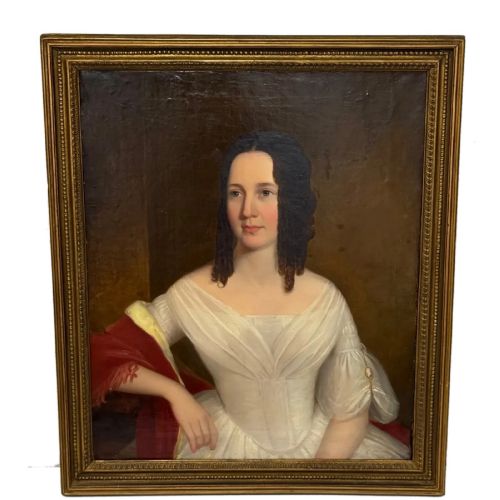
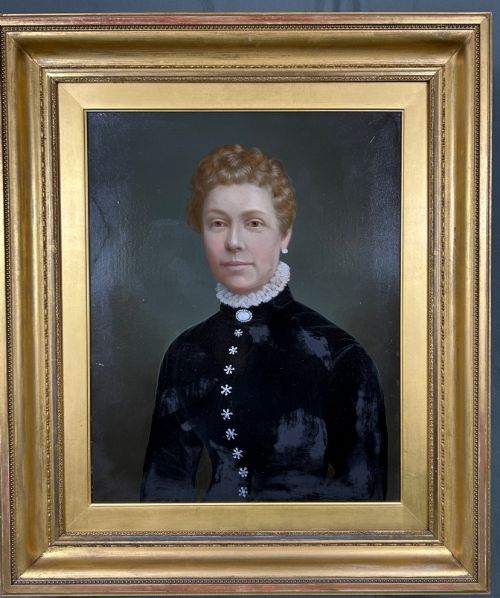
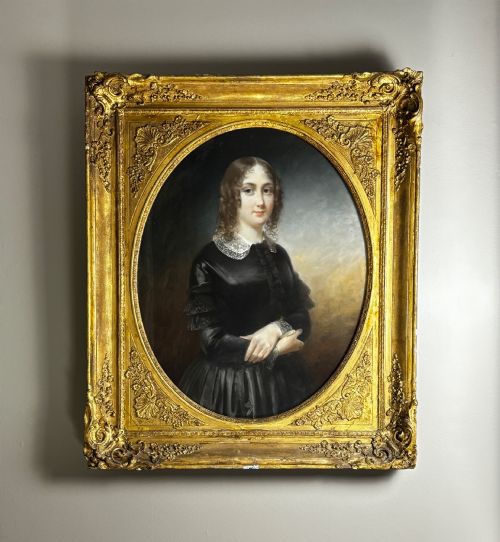
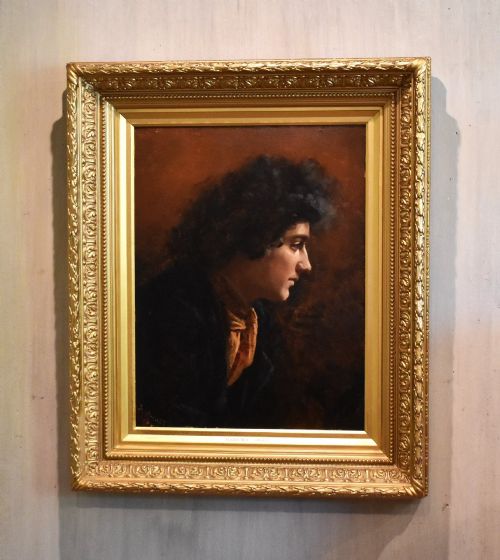
When you search for a victorian female portrait, you encounter painted canvases, watercolours, and carved sculptural busts capturing women from the nineteenth century.
Victorian Female Portrait
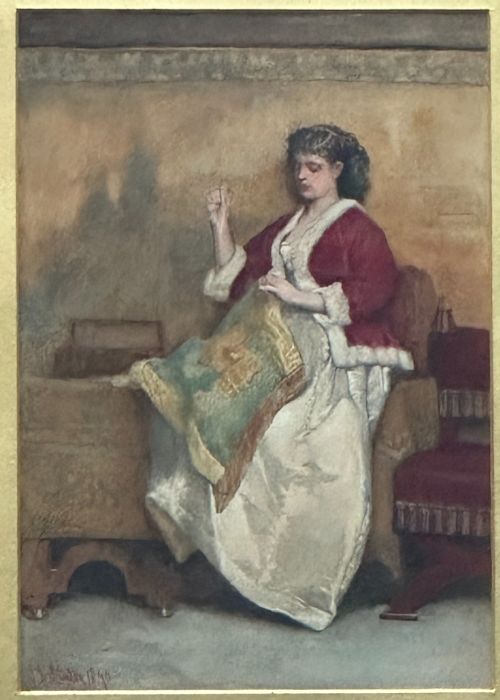
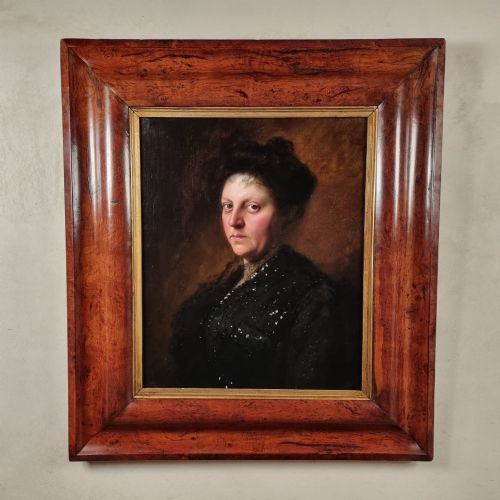
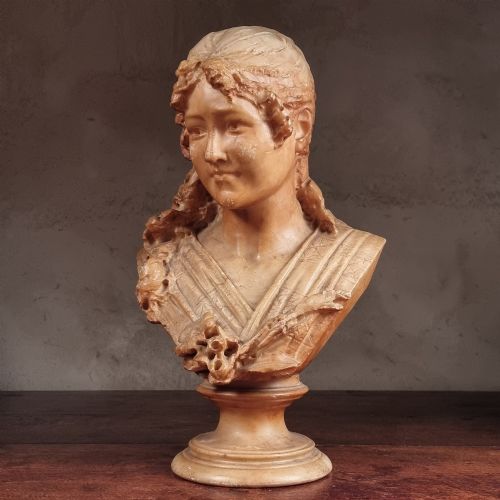
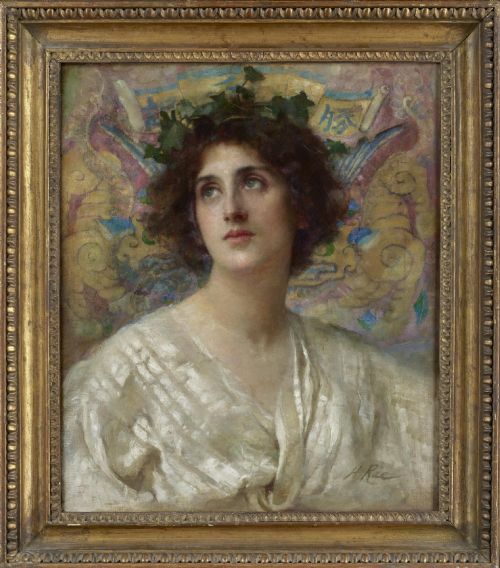
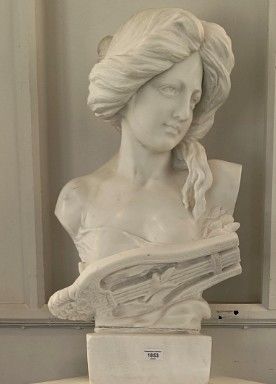
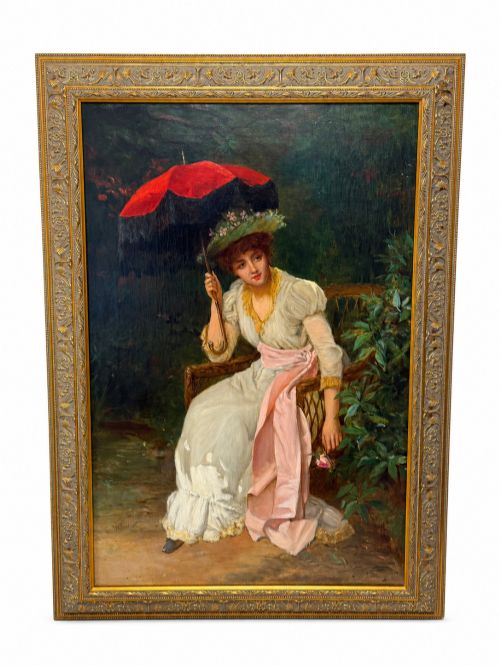
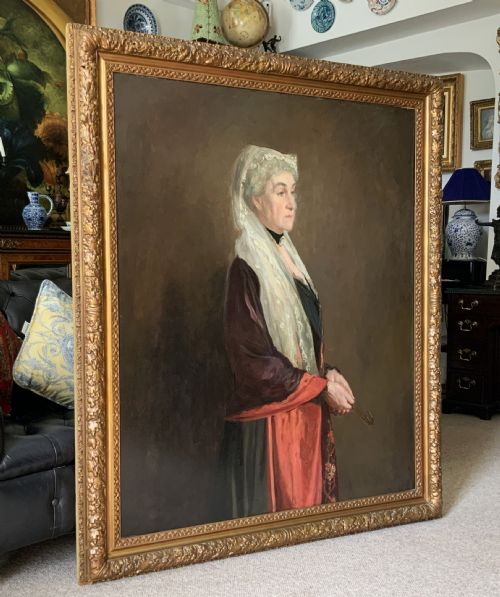
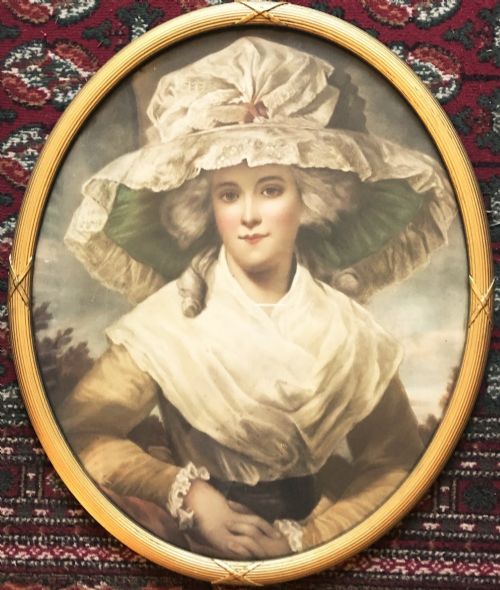
A victorian female portrait captures individual women through oil paintings, watercolours, prints, and sculptural busts created during the nineteenth century and the Edwardian era. These works depict society ladies, literary figures, and anonymous sitters rendered in styles ranging from academic realism to Arts and Crafts and neoclassical interpretations.
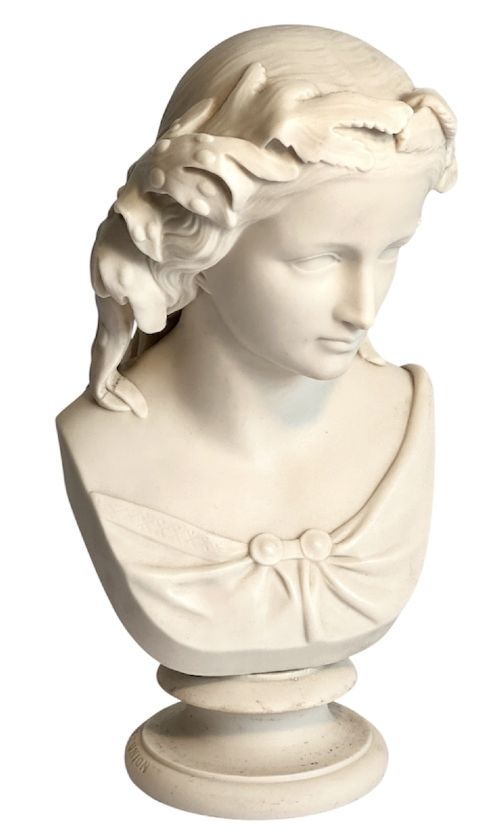
The most common formats on this page are oil paintings on canvas and board, frequently set within period giltwood or ebony frames. Alongside flat artworks, three-dimensional representations in carved marble, alabaster, Parian ware, and bronze appear regularly.
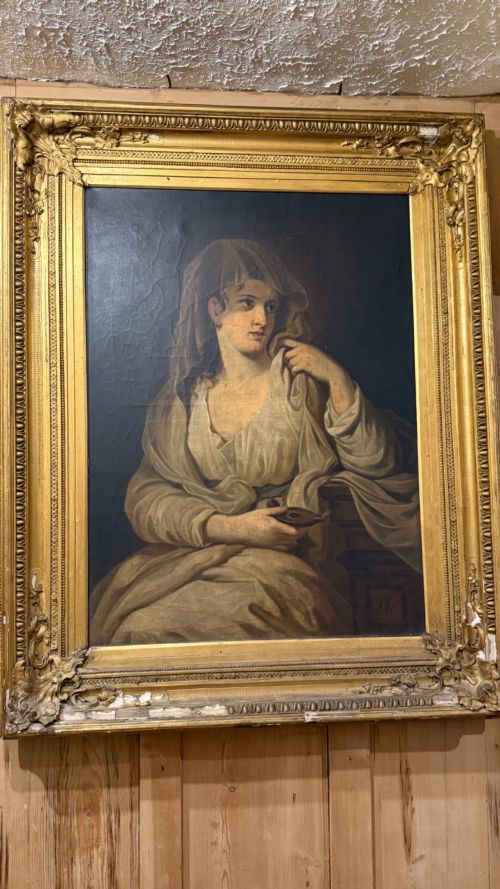
Works originate from English and French schools, encompassing detailed depictions of female subjects engaged in everyday pursuits, classical guises, or formal poses.
How They Were Made
Painters utilised oil on canvas or board, watercolour, gouache, and pastel on paper, often framing the finished pieces in wood and giltwood. Sculptors carved directly into marble and alabaster or cast materials such as bronze and Parian ware to produce detailed portrait busts.
Supports ranged from stretched canvas and prepared wooden boards to heavy watercolour paper and card, occasionally protected beneath glass within ornate frames.
Victorian Female Portrait Retail Price Guide 2026
Typical asking prices for victorian female portrait among the pieces listed under this phrase on Sellingantiques today, from the lower quarter to the upper quarter. They describe what is for sale here now, not the wider market.
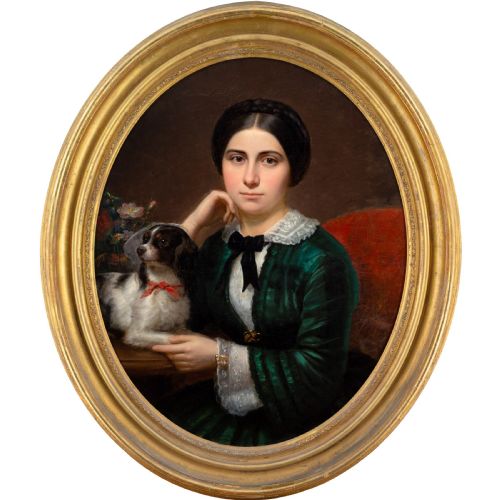
One young lady gazes out accompanied by a hummingbird, while another sits alongside her canine companion.
What Varies in Quality
The standard of execution depends on the artist's ability to render facial expression, textiles, and lighting with precision. Fine brushwork in oils or delicate washes in watercolour distinguish skilled hands from more formulaic studio output.
Material selection and framing also influence the overall character, with hand-carved marble and period giltwood frames representing higher levels of period craftsmanship compared to later replacements.
Dumini Leopoldo·Henrietta Rae·William Oliver·Florence Small·Emile Jespers·André Charles Voillemot·Alice Anne Renshaw·Henry E Hobson·William Henry Knight·John Robert Dicksee·Louis William Desanges
The Victorian Female Portrait Glossary
- Parian ware
- A fine-grained unglazed porcelain resembling white marble, often utilised for nineteenth-century portrait busts and classical figures.
- Giltwood
- Wood that has been coated with a thin layer of gold leaf or gilt composition, commonly used for period picture frames.
- Neoclassical
- An artistic style drawing inspiration from the classical art and culture of ancient Greece and Rome, frequently seen in sculptural busts.
- Gouache
- An opaque watercolour paint consisting of pigment suspended in water, mixed with a binding agent such as gum arabic.
- Academic style
- Art produced under the influence of European academies of art, adhering to traditional standards of composition, finish, and subject matter.
Victorian Female Portrait: Frequently Asked Questions
How do I identify a victorian female portrait?
Look at the costume, hairstyle, and framing materials to determine the era. Clothing styles, bonnets, and velvet dresses typical of the nineteenth century help establish the approximate decade.
Signatures, inscriptions on the reverse, and stretcher construction provide additional clues regarding the artist and origin.
What is the difference between oil and watercolour portraits?
Oil paintings utilise pigments suspended in drying oils on canvas or board, offering rich colours and thick textures. Watercolours use water-soluble pigments on paper, creating a lighter and more translucent finish.
Watercolour portraits from this period were frequently protected under glass within framed settings to prevent moisture damage.
Are sculptural busts made of real marble?
Many nineteenth-century sculptural busts are carved from solid white marble or alabaster. Other pieces utilise Parian ware, a ceramic material developed to imitate carved marble for domestic display.
Weight, surface coldness, and the presence of natural stone veining help distinguish carved stone from ceramic casts.
How should I display framed artwork safely?
Keep paintings and watercolours away from direct sunlight to prevent fading of pigments and discolouration of paper supports. Stable room temperatures protect wooden frames and canvas tension from warping.
Ensure wall fixings match the weight of heavy giltwood frames or stone busts to provide secure support.