

Victorian Lady Painting
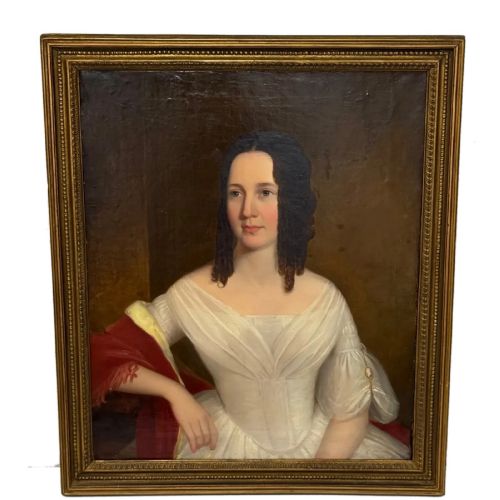
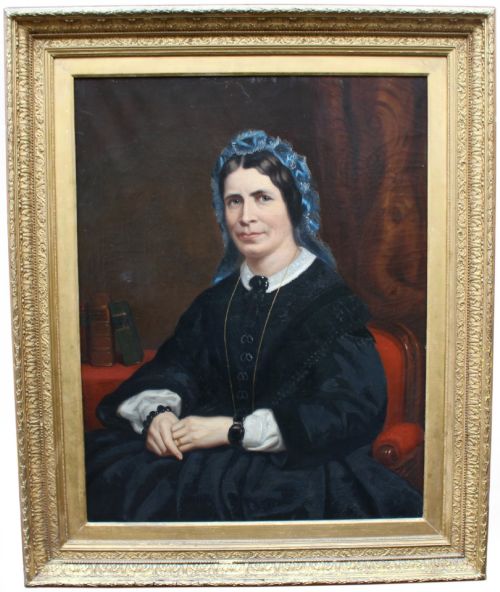
A victorian lady painting captures the likeness and character of nineteenth-century women through skilled brushwork and preserved pigment.
Victorian Lady Painting
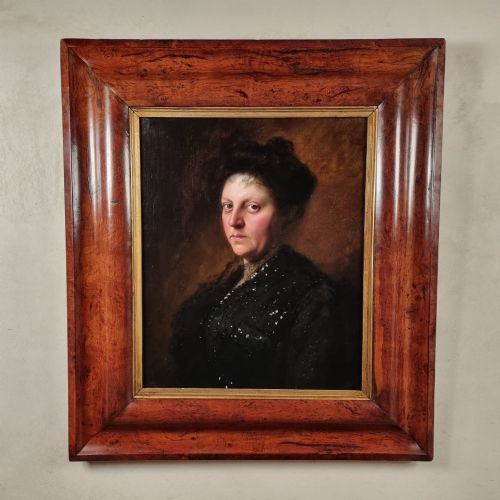
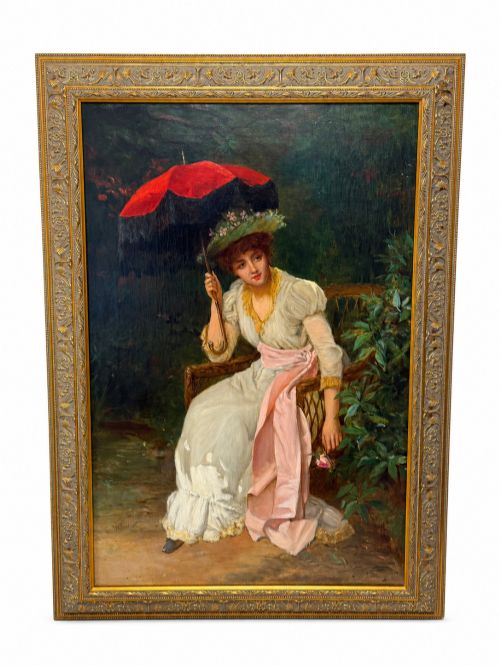
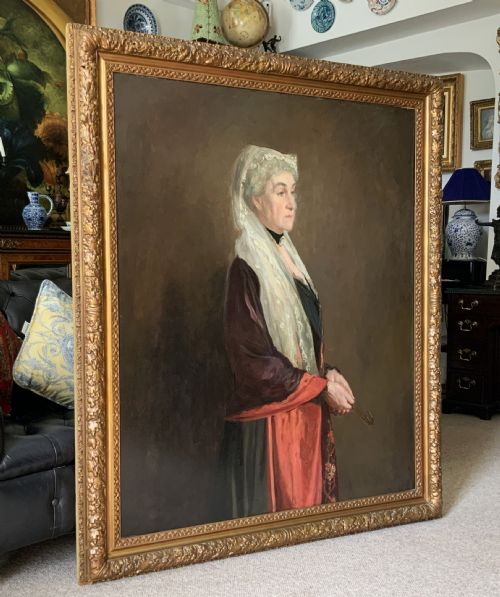
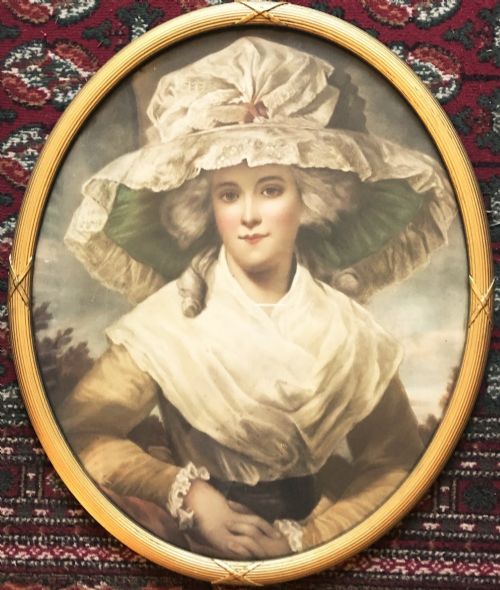
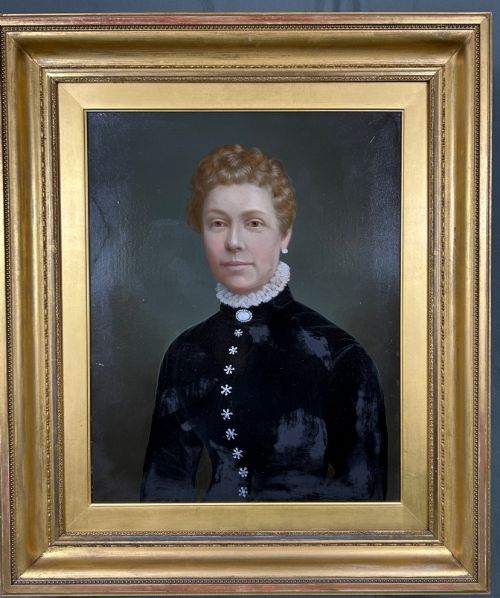
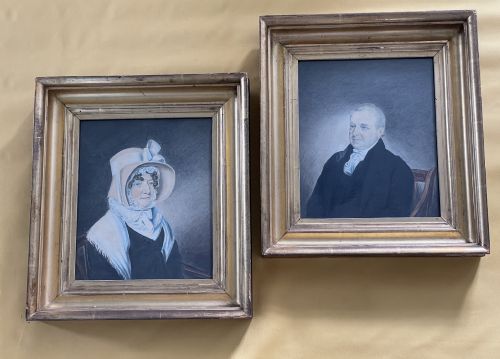
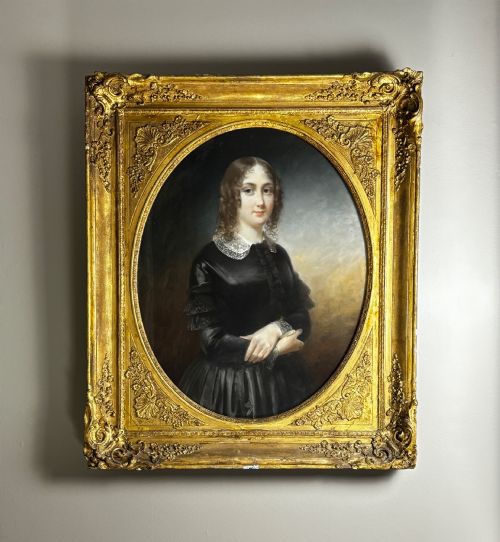
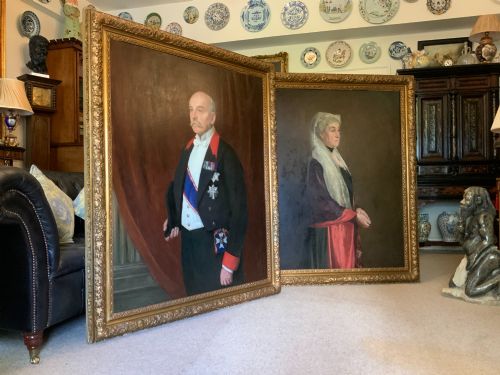
A victorian lady painting brings domestic, society and historical subjects into domestic spaces through framed portraits executed on canvas, wood panel or paper. These works capture sitters in moments of repose, reading, writing or wearing period dress complete with lace bonnets, shawls and velvet gowns.
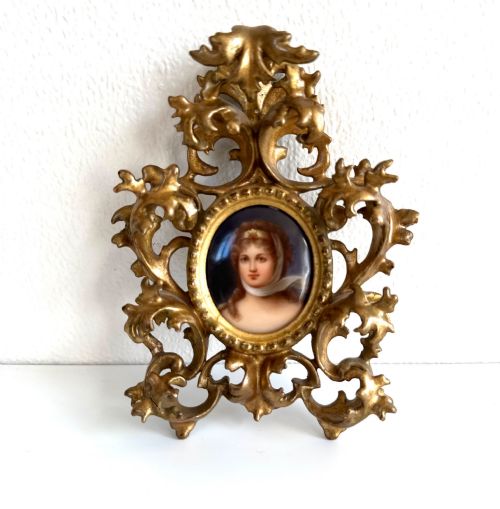
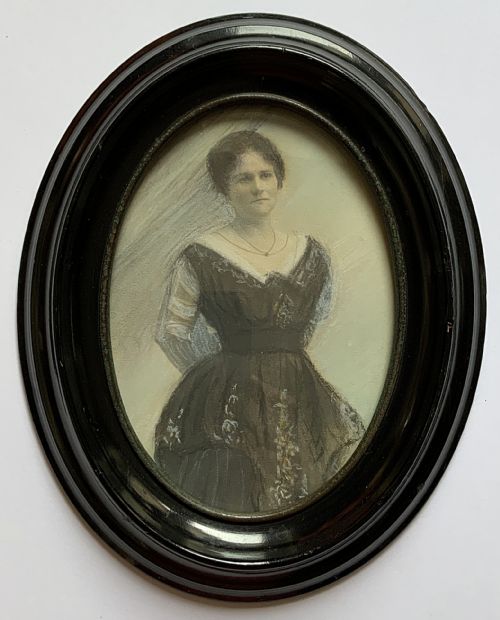
Buyers will encounter oil on canvas works alongside intimate watercolour miniatures housed in gilt or ebonised frames. The selections range from large gallery-scale formal portraits to small, informal studies created by regional English schools and named artists alike.
How They Were Made
Artists built these images using oil paint applied to stretched canvas, wooden panels or zinc, allowing for rich blending and deep glazes. Watercolour and gouache were similarly utilised on paper or card, often finished with protective glass and decorative framing.
Makers housed their finished works within ornate gilded wood mouldings, maple frames or papier mâché housings. Many pieces retain inscriptions, signatures or artist details written on the reverse canvas or framing structure.
Listings feature works spanning the nineteenth century into the Edwardian era, utilising oil on canvas, watercolour and gouache.
What Varies in Quality
The standard of execution in a victorian lady painting rests upon the mastery of facial expression, proportion and the rendering of textiles such as silk, lace and velvet. Finer examples display confident brush handling that gives life to the sitter's gaze and hands, whereas lesser works remain stiff or formulaic.
Original framing contributes significantly to the overall integrity of the piece, with period gilt or carved wood housings adding historical context. Condition issues such as stable craquelure, canvas relining or minor surface cleaning alter the original state of the work.
John Maler Collier·William Oliver·Honore Cavaroc·Alice Anne Renshaw·Thomas Edward Roberts·Louis William Desanges
The Victorian Lady Painting Glossary
- Portrait Miniature
- A small-scale painting executed with fine detail, frequently created on ivory, vellum or paper and housed in a protective pocket frame. These items were often carried or kept in personal chambers.
- Gouache
- An opaque water-based medium that provides solid colour blocks and dense highlights. It is frequently combined with watercolour in nineteenth-century works on paper.
- Craquelure
- The fine network of tiny cracks that forms across aged oil paint and varnish layers as the medium polymerises over decades. Its presence often indicates genuine period age.
- Provenance
- The documented history of ownership, exhibition or origin attached to an artwork. Inscribed details on the reverse of a canvas often assist in tracing this history.
- Ebonised
- Wood finished with a dark stain or polish to imitate genuine ebony. This treatment was common for nineteenth-century picture frames.
Victorian Lady Painting: Frequently Asked Questions
How do I date a portrait?
Dating relies on costume details such as bonnet shapes, dress silhouettes and hairstyles, alongside framing styles and stretcher construction. Inscriptions on the reverse or canvas edges frequently record specific years or sitter names.
Comparative study of known artist signatures and regional exhibition labels further refines the period of execution.
Were these painted from life?
Many formal commissions and society works were painted directly from life during formal sittings in artist studios. Smaller domestic studies and miniatures were similarly captured with the sitter present.
Some regional or posthumous works drew from earlier photographic sources or preliminary sketches retained by the family.
How should I frame my painting?
Retaining the period frame supplied with the artwork preserves its historical integrity and aesthetic balance. Gilded wood and deep maple surrounds complement the darker tones typical of nineteenth-century portraiture.
Replacement framing should respect the era of the canvas without overpowering the subtlety of the subject matter.
Where were these artists trained?
Makers trained through formal academies, private instruction under established painters or apprenticeships within regional art schools. Many exhibited their completed portraits at major institutions.
Itinerant painters travelled across Britain and Europe to secure commissions from landed families and gentry.