


19th Century Canvas Artwork
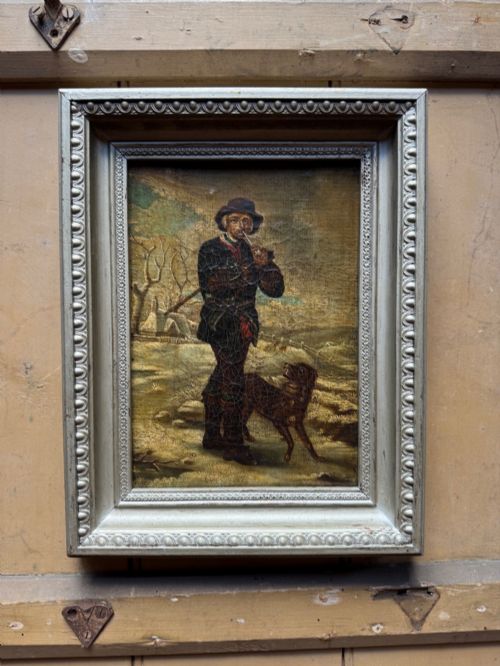
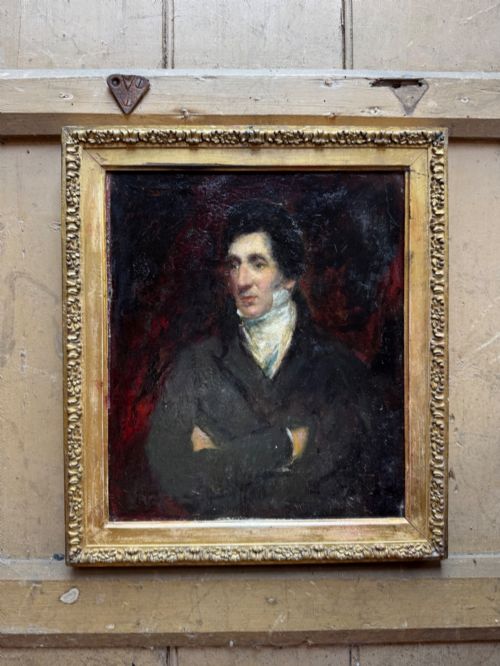
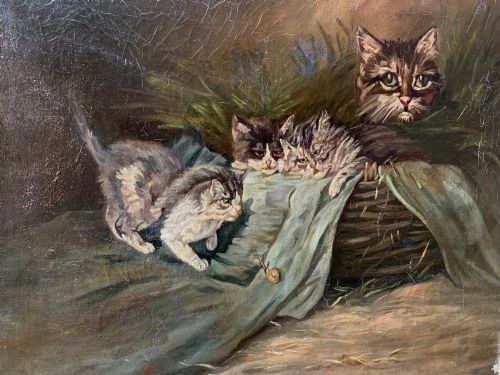
These 19th century canvas artwork pieces bring period oil painting into a room, offering narrative scenes, portraits, and landscapes.
What 19th century canvas artwork pieces are
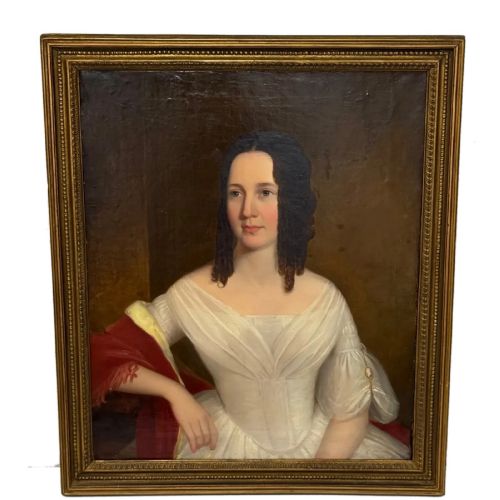
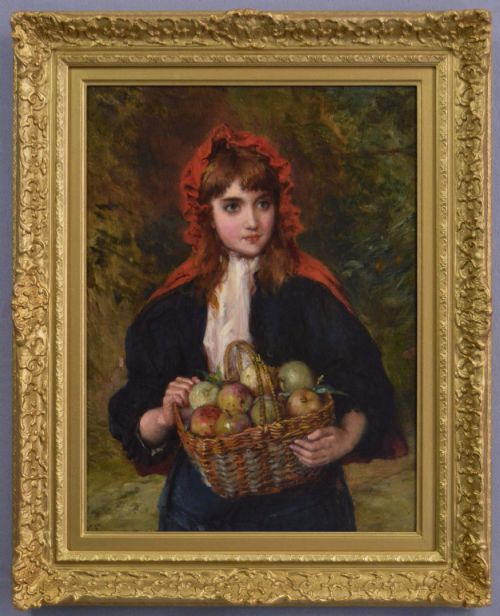
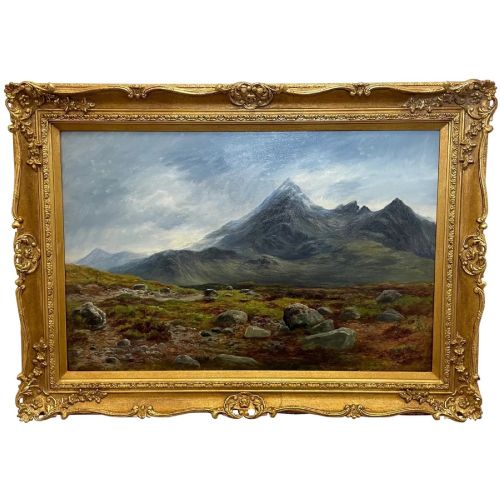
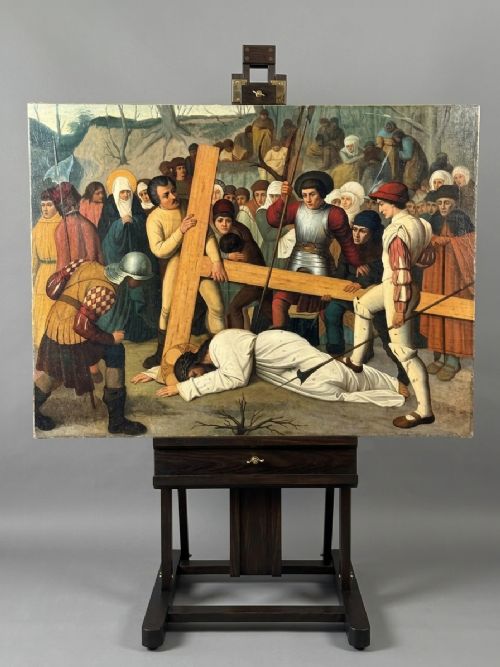
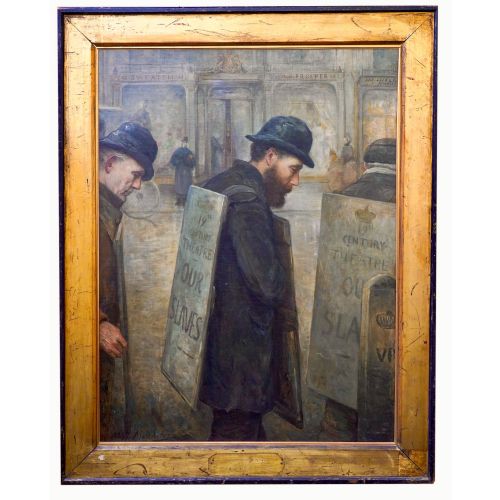
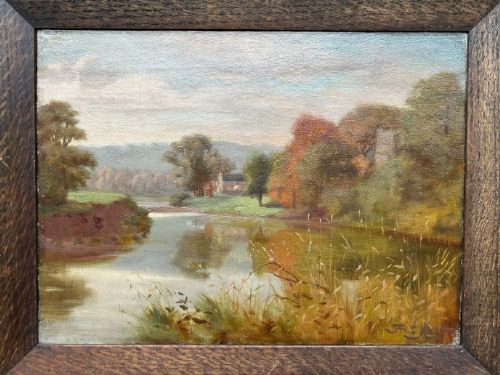
When you search for 19th century canvas artwork, you are looking at oil paintings on stretched fabric created during the Victorian era and the broader nineteenth century. The examples found here encompass narrative subjects, portraiture, river scenes, and topographical views.
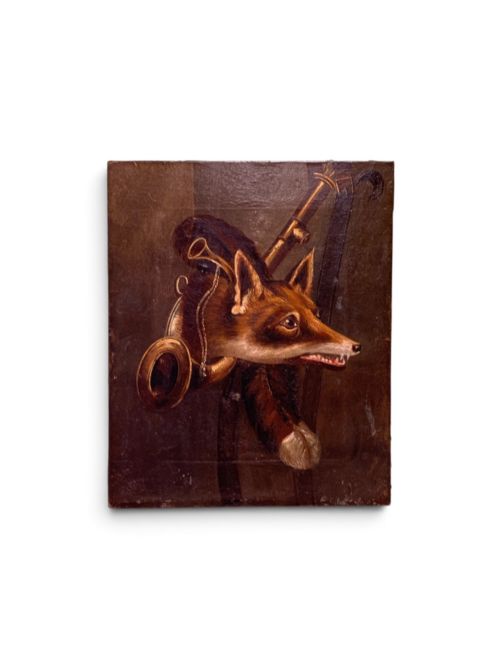
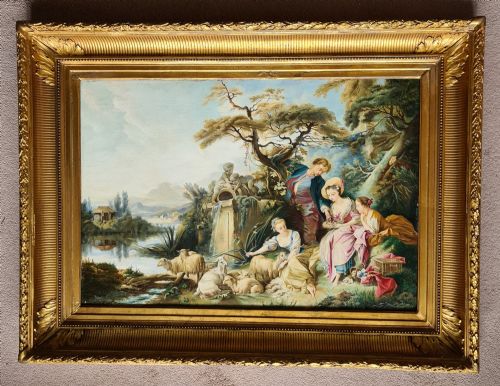
The versions you are most likely to meet on this page include framed oil paintings executed on canvas, often housed in period wooden or giltwood frames. Some pieces reflect specific stylistic movements such as realism, French rococo, and neoclassical design.
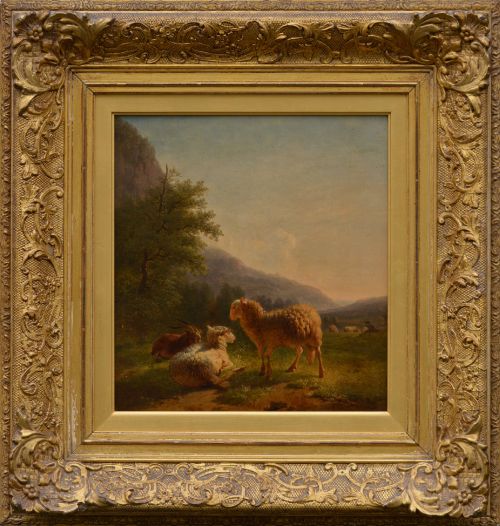
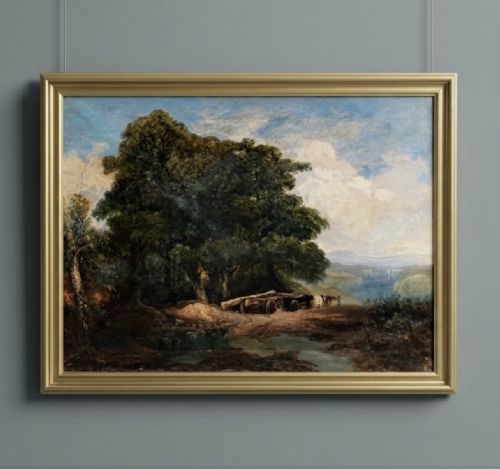
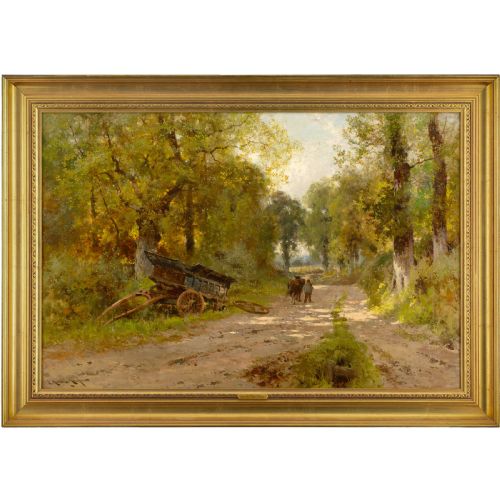
Subjects range from literary depictions and servant narratives to Dutch character studies and English landscapes. These works capture the artistic output of nineteenth-century painters working within established European traditions.
How they were made
The works recorded in these listings are produced using oil paint applied to a woven canvas support. This combination allows for rich colour blending, visible brushwork, and layered impasto details developed over time.
Many of these paintings are preserved within wooden frames that incorporate gold leaf, gesso, and plaster mouldings. The physical structure typically relies on a wooden stretcher frame to hold the canvas taut.
Retail Price Guide 2026
Typical UK retail prices for 19th century canvas artwork, calculated from the Sellingantiques database of over a million retail prices indexed since 2003. This retail price guide relies exclusively on Sellingantiques data; no external sources or auction records are used, so the figures do not describe the wider market.
One canvas captures a servant being reported to his master, preserving an awkward workplace conversation from centuries past.
What varies in quality
Quality in these paintings rests upon the handling of the oil medium, the expressive depth of the portraiture or narrative, and the fidelity of the composition. Works by named artists or distinct regional schools often demonstrate superior draftsmanship and command of light.
The framing also influences the overall standard, with period giltwood and moulded plaster frames providing an appropriate historical context that complements the canvas within.
A. McDonald·Edward Fletcher·Francois Boucher
The 19th Century Canvas Artwork Glossary
- Canvas
- A heavy woven fabric used as a support surface for oil painting. It is typically stretched tightly across a wooden frame before being painted.
- Giltwood
- Wood that has been treated with a thin layer of gold leaf or gold paint. It is commonly found on nineteenth-century picture frames.
- Realism
- An artistic movement focused on depicting subjects truthfully and without idealisation. This style appears frequently in nineteenth-century figurative works.
- Impasto
- A technique where paint is laid thickly on a surface, leaving brush or palette knife marks visible. It adds physical texture to oil paintings.
- Stretcher
- A wooden frame that holds a canvas taut. Traditional stretchers allow the fabric to be adjusted as environmental conditions change.
Frequently Asked Questions
How do I clean a 19th century canvas artwork?
Surface dust should be removed gently with a very soft, dry brush without applying pressure to the paint layer. Avoid using water, household cleaners, or chemical solvents on the canvas.
For deeper cleaning or the removal of old discoloured varnish, consult a professional conservator. Intervening directly with moisture or spirits can damage the oil paint beneath.
Where should I hang an oil painting?
Select an interior wall that avoids direct sunlight, as ultraviolet rays can degrade oil pigments and fade canvas over time. Stable room temperatures and moderate humidity levels help prevent the canvas and wooden stretcher from warping.
Keep paintings away from heat sources such as radiators or open fires. Proper placement ensures the longevity of both the paint layer and the supporting frame.
What is the difference between portrait and narrative art?
Portraits focus on capturing the likeness and character of a specific individual, such as a young lady or a fisher girl. They serve as a direct visual record of a person from the nineteenth century.
Narrative art tells a story, illustrating a literary scene, a historical event, or a social interaction between characters. These pieces invite the viewer to interpret an unfolding moment or plot.