

Classical Female Portrait
When you search for a classical female portrait, you enter a tradition of painted and sculpted women that spans multiple centuries and materials.
Classical Female Portrait
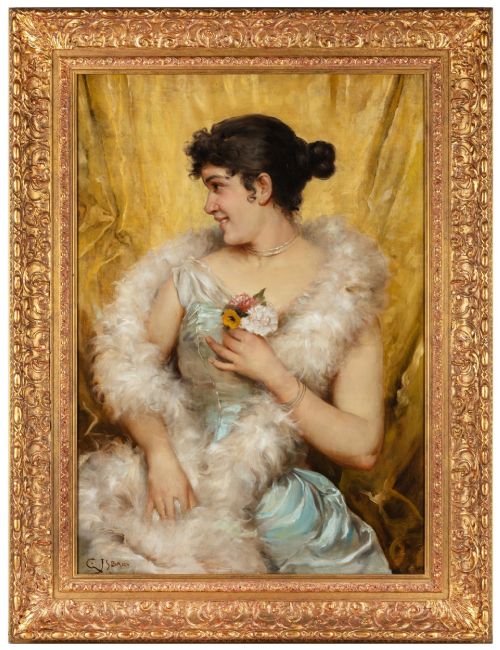
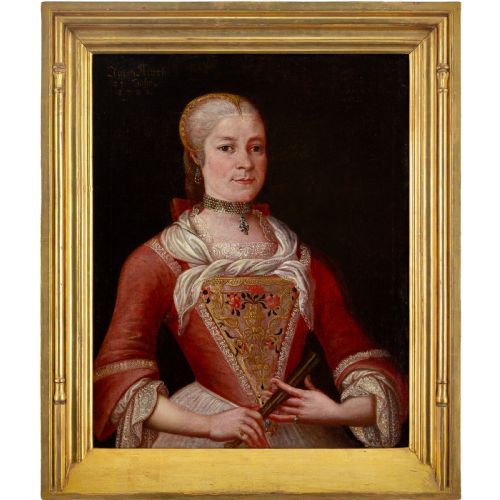
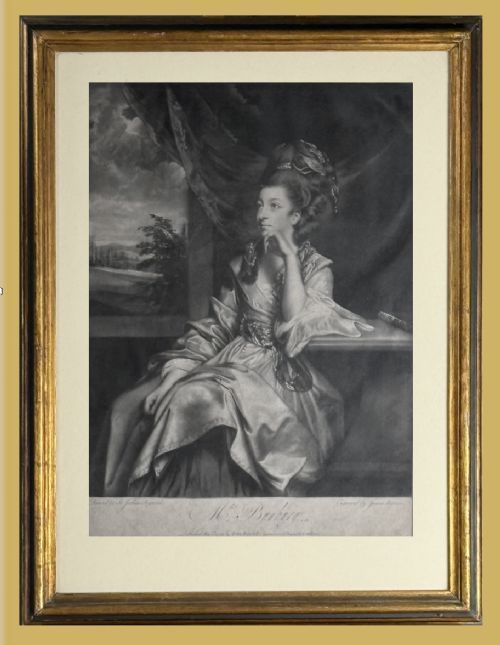
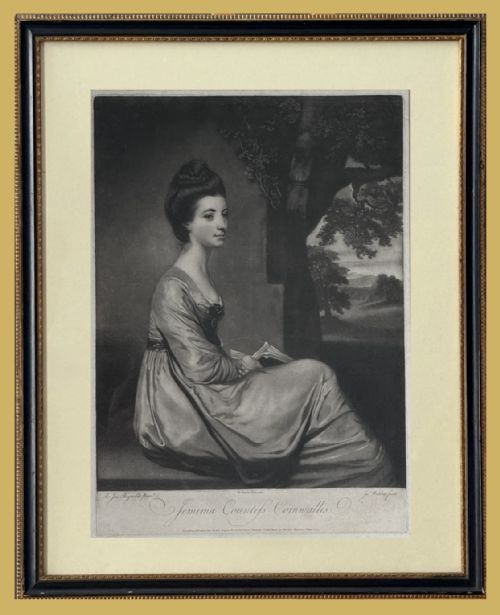
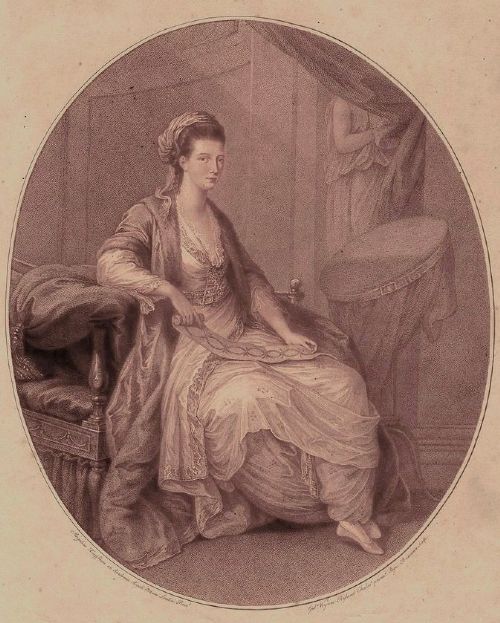
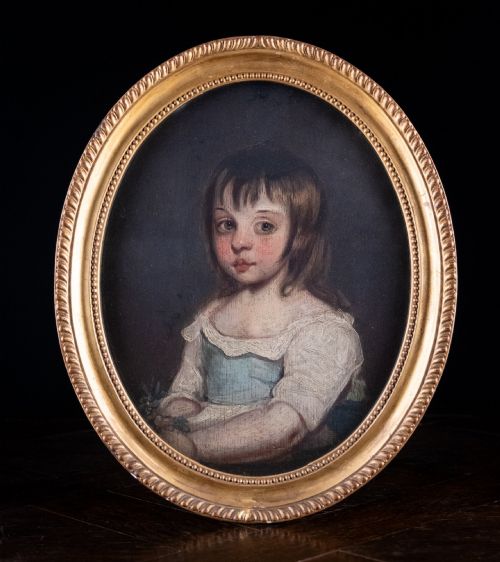
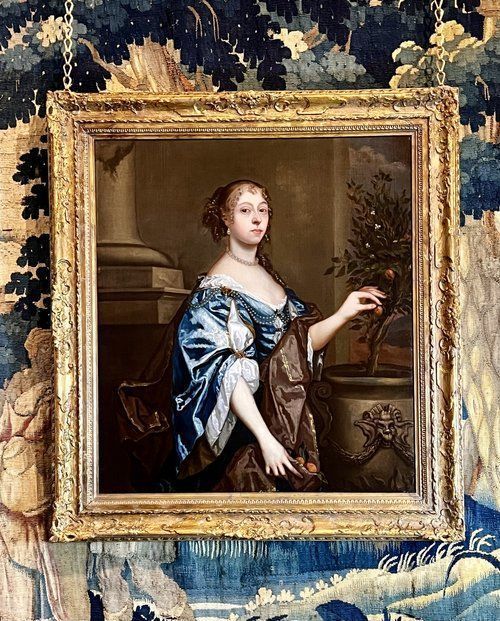
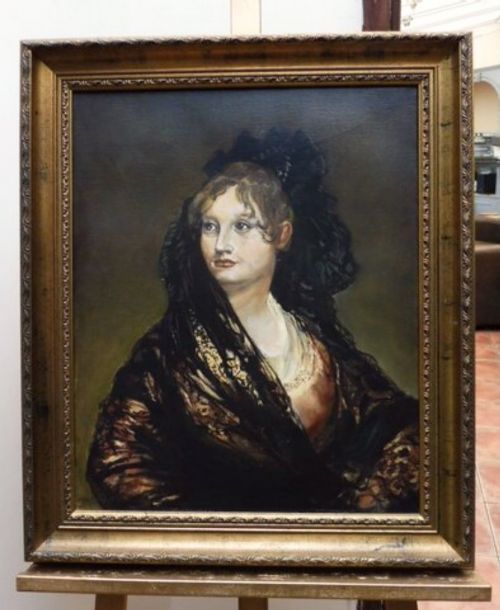
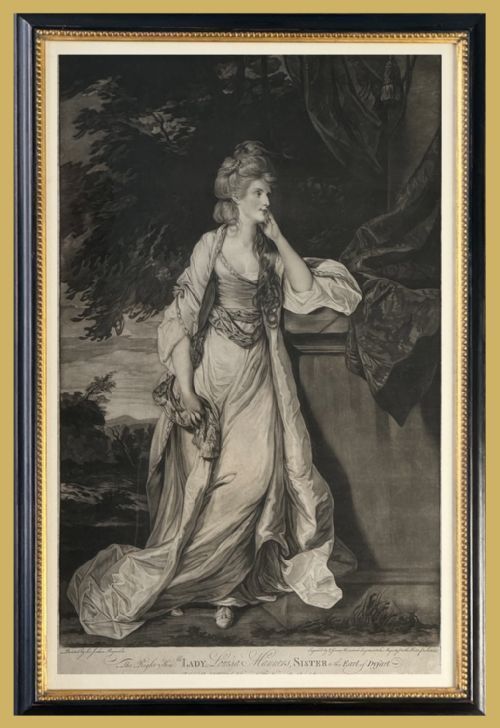
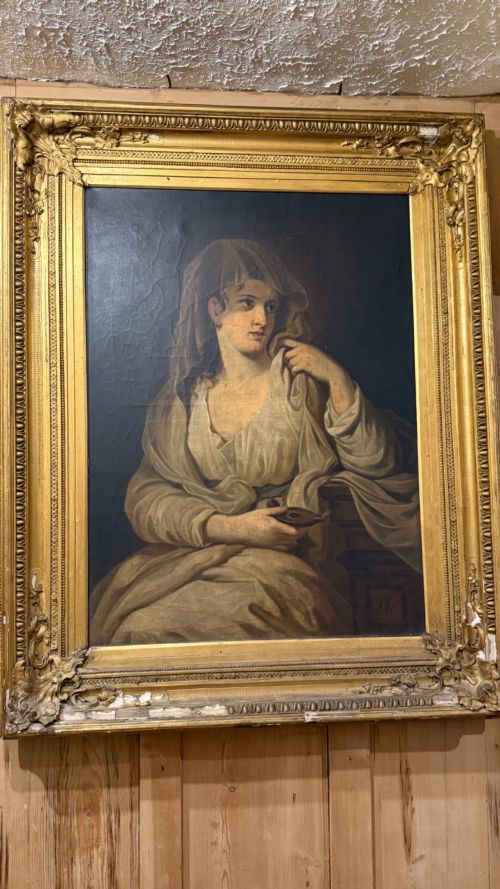
A classical female portrait encompasses oil paintings, mezzotints, prints, and sculptural busts representing women from historical, mythological, and academic traditions. These works draw upon periods ranging from the seventeenth century through to the early twentieth century, reflecting shifting ideals of feminine grace.
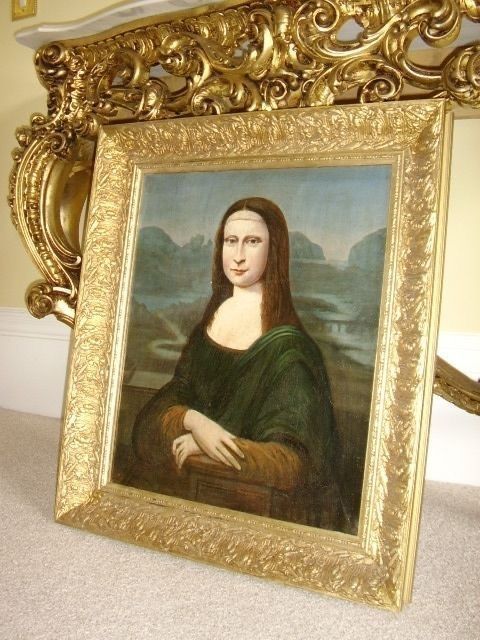
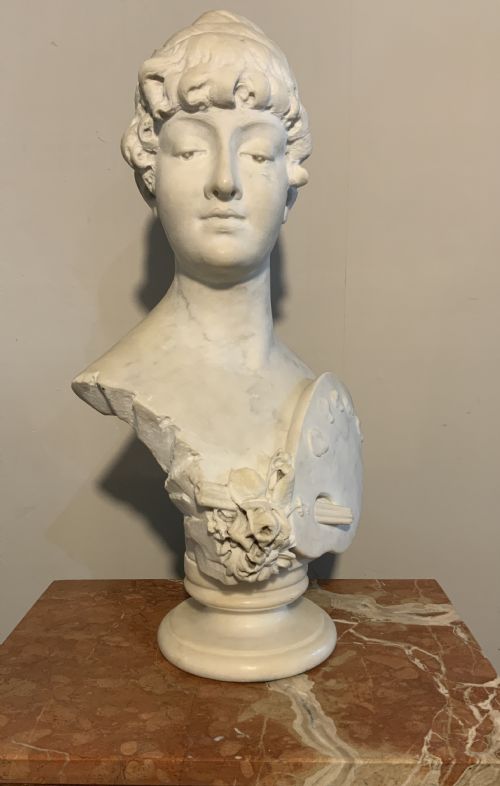
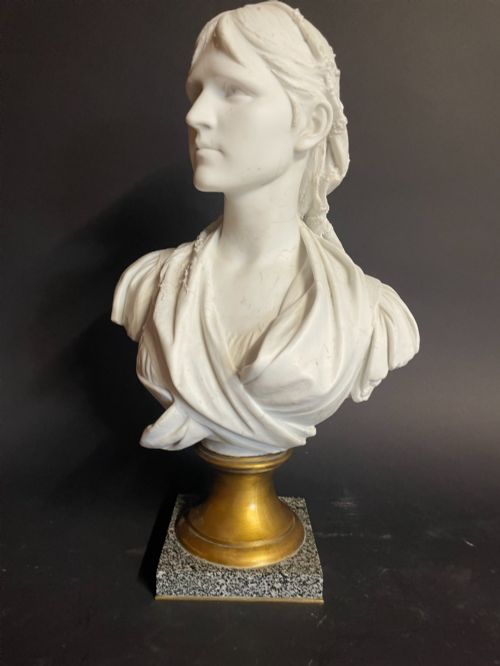
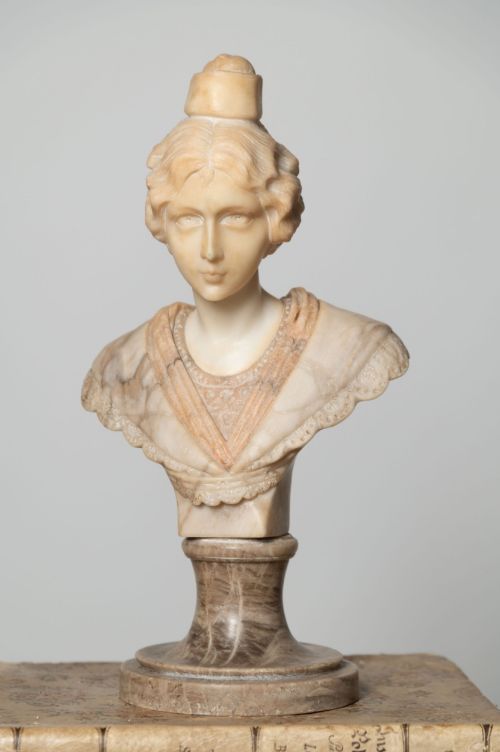
Oil on canvas paintings and carved marble or alabaster busts dominate the selections available. Buyers frequently encounter nineteenth-century interpretations of earlier subjects, alongside period works by European schools and named artists.
The category bridges formal portraiture and idealised classical depiction, capturing subjects ranging from aristocratic ladies to mythological muses and sibyls. Each piece preserves the aesthetic vocabulary of its specific decade of production.
How they were made
Painters built their compositions using oil paint on stretched canvas or wooden panels, often employing glazing techniques to achieve depth in skin tones and drapery. Printmakers utilised mezzotint engraving on paper to translate these painted likenesses into collectible editions.
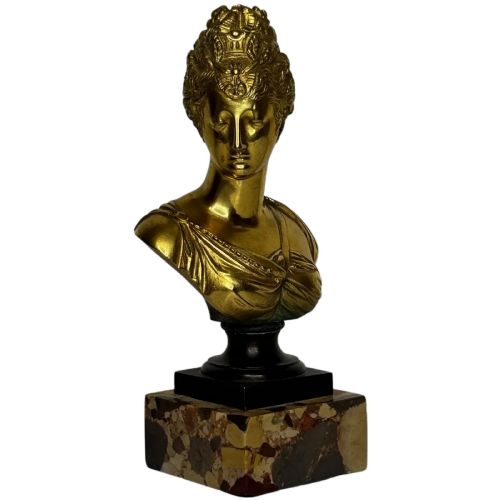
Sculptors carved directly into Carrara marble, alabaster, or cast figures in bronze and Parian ware, capturing intricate details in hair, clothing, and facial expression. Gilt wood frames frequently completed the oil paintings, providing an architectural boundary for the canvas.
Classical Female Portrait Retail Price Guide 2026
Typical asking prices for classical female portrait among the pieces listed under this phrase on Sellingantiques today, from the lower quarter to the upper quarter. They describe what is for sale here now, not the wider market.
Listings feature works spanning from the seventeenth century to the twentieth century, executed in oil on canvas, marble, bronze, and paper.
What varies in quality
For painted works and mezzotints, the subtlety of tonal gradation and the preservation of the original surface determine the overall integrity of the piece. Stronger works demonstrate a secure command of proportion and expression, whereas lesser examples rely on formulaic repetition.
G. J. S. Bary·James Watson·Sir Joshua Reynolds·Pierre Mignard·Pieter Borsseler·Francisco Jose de Goya y Lucientes·Valentine Green·Sir Allan Ramsay·Robert Byng·Maria Hadfield Cosway·Francis Cotes·John Opie·Toussaint Gelton·Henrietta Rae·Jean Baptiste Greuze·Jean Baptiste van Loo·E. Villanis·Georges Charles Coudray
The Classical Female Portrait Glossary
- Mezzotint
- A printmaking process where the copper plate is roughened to allow deep darks and subtle tonal gradations. This technique was frequently utilised in the eighteenth century for reproducing famous portraits.
- Parian ware
- A type of fine biscuit porcelain resembling white marble, developed in the nineteenth century. Copeland frequently utilised this material for classical portrait busts.
- Grand Tour
- A cultural journey of Europe undertaken by wealthy young men in the eighteenth and nineteenth centuries. Travellers often acquired classical busts and sculptures as mementos of their travels.
- Sibyl
- A prophetess in ancient Greek mythology who uttered divine prophecies. They appear frequently as subjects in eighteenth-century and nineteenth-century art.
- Bust
- A sculptural representation of a person from the chest up. These pieces are typically cast in bronze or carved from marble and alabaster.
Classical Female Portrait: Frequently Asked Questions
What is a classical female portrait?
A classical female portrait is a painting, print, or sculpture depicting a woman in a traditional, historical, or mythological style. These works draw inspiration from classical antiquity and later European art movements.
They range from intimate oil paintings on canvas to grand marble and bronze busts created across several centuries.
How were marble busts displayed?
In period interiors, marble and alabaster busts were typically placed upon pedestals, columns, or heavy furniture pieces in libraries, halls, and drawing rooms. They served as focal points that demonstrated the owner's classical learning and refined taste.
Today, they require a stable, sturdy surface capable of supporting significant stone weight without vibration.
What is a mezzotint portrait?
A mezzotint is an intaglio printmaking process that allows rich tones and subtle shadows to be rendered on paper. Publishers and printmakers used this method to disseminate popular painted portraits of notable women.
These prints offer an accessible entry point into collecting historical portraiture from the eighteenth and nineteenth centuries.
How do I care for an oil painting?
Oil paintings on canvas or panel require stable environmental conditions away from direct sunlight, excessive heat, and sudden humidity fluctuations. Dust should be removed very gently with a soft, dry brush without applying pressure.
Avoid using water or chemical cleaning agents on the painted surface or the gilt wood frame.