

Early 18th Century Art
When seeking early 18th century art, buyers encounter oil portraits, religious icons, maps and carved wooden figures from the Georgian and Baroque periods.
Early 18th Century Art
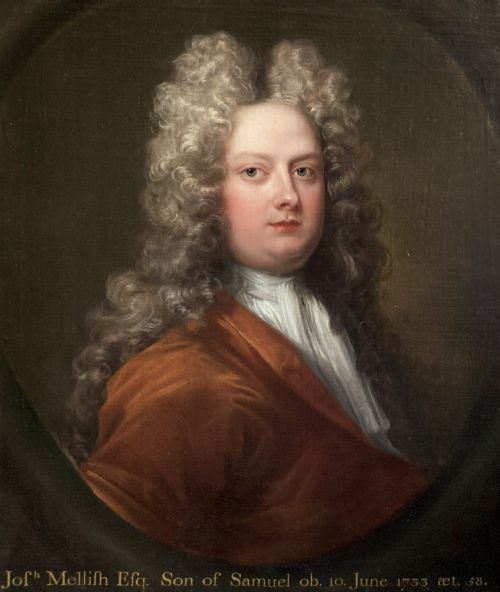
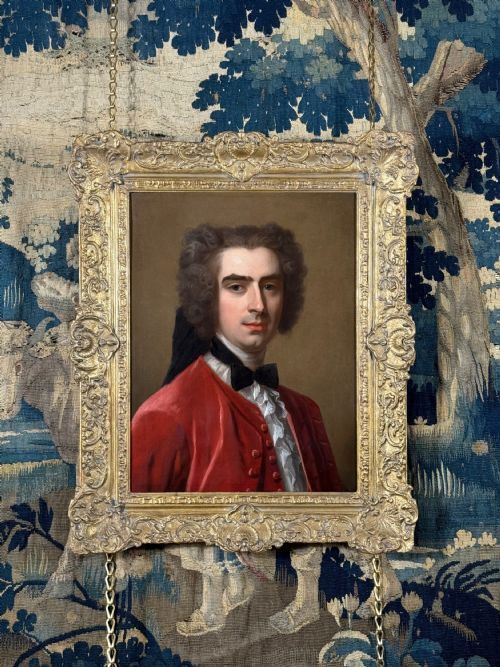
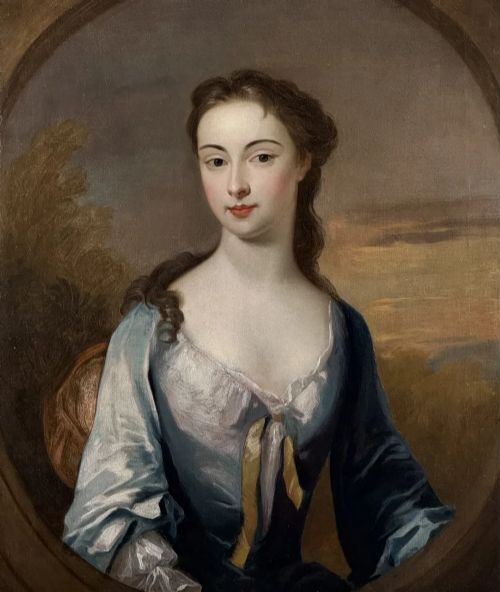
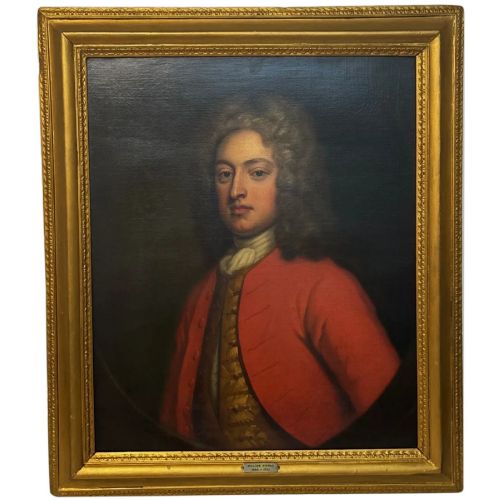
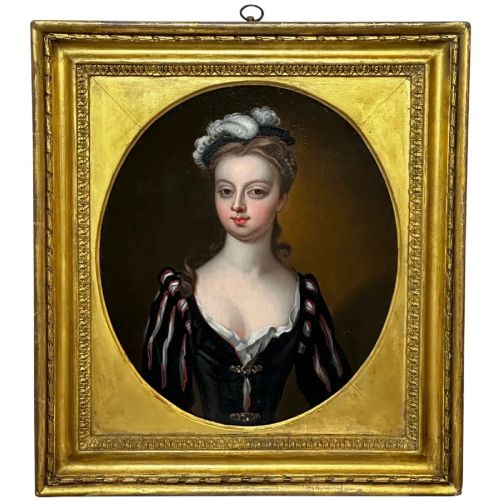
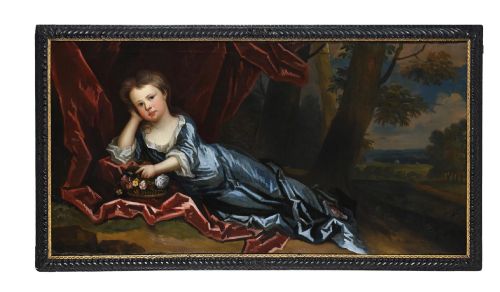
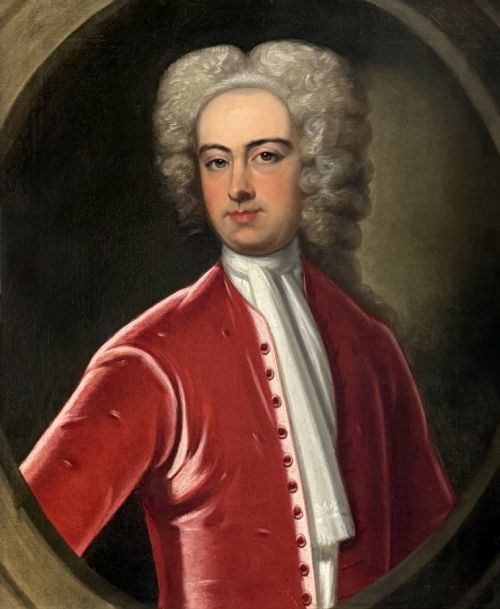
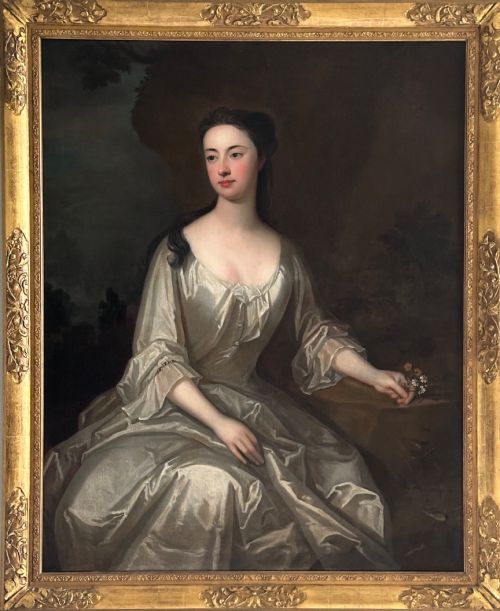
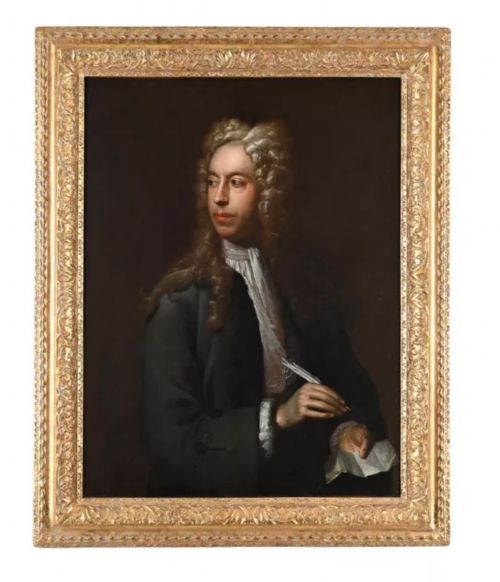
Early 18th century art covers a diverse array of creative output, predominantly featuring oil paintings on canvas alongside works on paper, maps, textiles and carved wooden objects. Portraiture forms a significant portion of what is available, capturing sitters from gentlemen in red robes to noble ladies in landscapes.
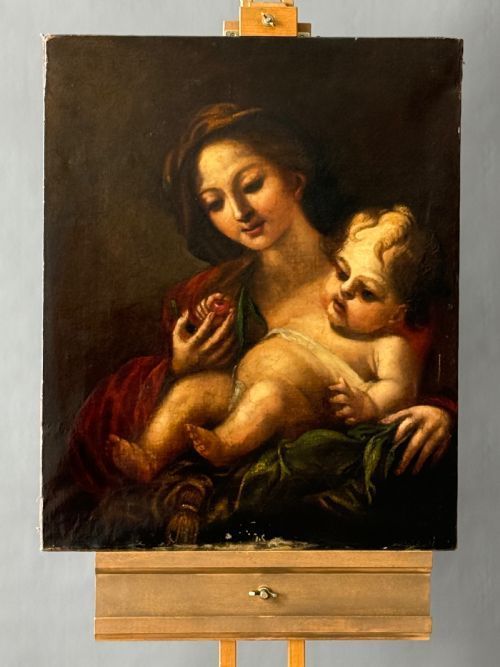
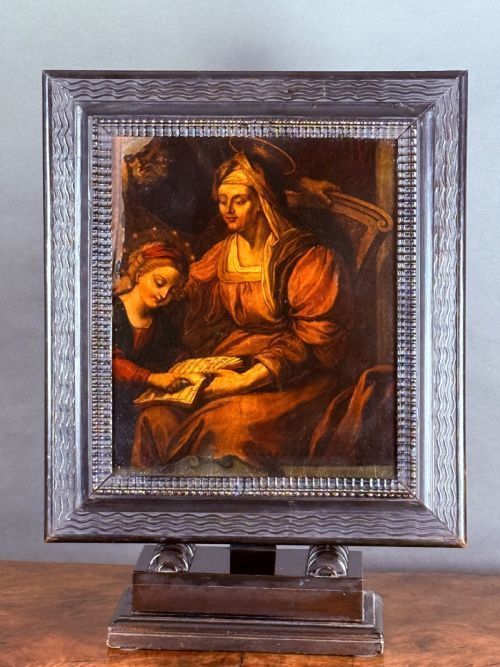
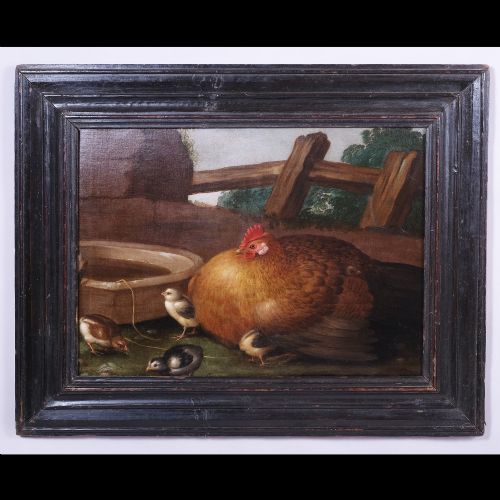
Beyond grand portraits, the category embraces folk art, religious works such as Russian icons and Limoges enamel plaques, and intricately engraved cartography. These pieces reflect the aesthetic sensibilities of the 1700s, crossing English, Italian, Flemish, French and Scandinavian schools of production.
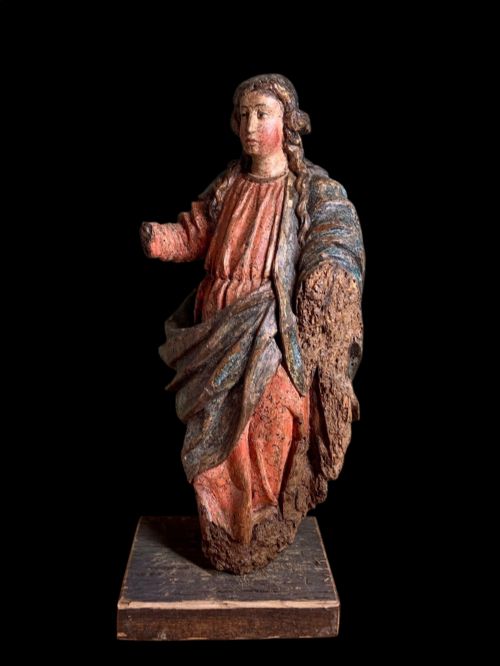
Buyers exploring this selection frequently meet formal oil portraits executed by circles of established masters, alongside more naive folk carvings and utilitarian objects bearing artistic detail. The common thread is the origin in the early decades of the eighteenth century, spanning Baroque and early Georgian idioms.
Materials and construction methods
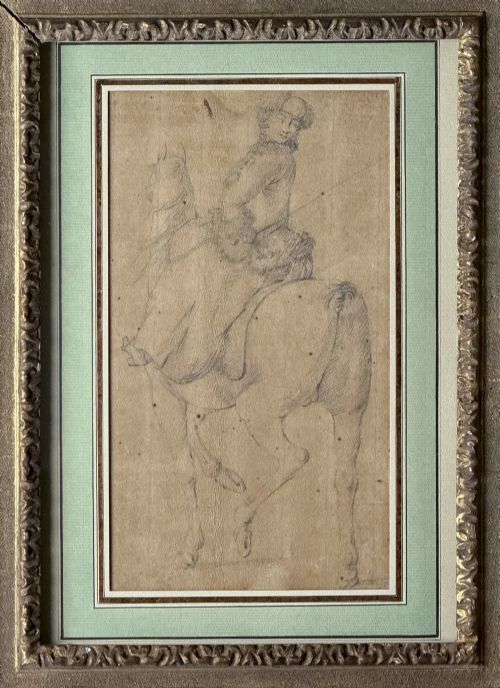
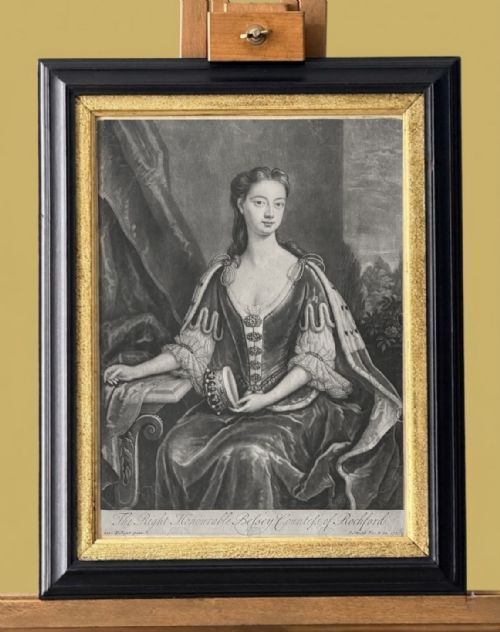
Painters of this era utilised oil paint applied to stretched canvas or wood panels, often employing rich pigments to render deep garments like scarlet jackets and crimson coats. Works on paper typically involved ink, wash or engraving techniques, while reverse glass paintings utilised delicate mezzotint methods applied directly to glass surfaces.
Makers of three-dimensional pieces worked with solid timbers such as oak and walnut, incorporating hand-carving and polychrome decoration. Religious panels combined tempera on wood with applied silver and gold leaf, showing meticulous craftsmanship in both sacred artefacts and domestic furnishings.
Early 18th Century Art Retail Price Guide 2026
Typical asking prices for early 18th century art among the pieces listed under this phrase on Sellingantiques today, from the lower quarter to the upper quarter. They describe what is for sale here now, not the wider market.
Listings feature oil on canvas, wood, giltwood, glass and paper across Georgian, Baroque and Folk Art styles.
Factors influencing quality
The distinction between standard and superior pieces rests on the execution of the hand and the preservation of the original medium. Finer works display confident brushwork, accurate anatomical proportion and subtle handling of light and shadow, whereas lesser examples lean towards stiffness or naive execution.
Condition also dictates the standing of a piece, particularly the integrity of original painted surfaces, canvas tension and the presence of period framing. Retaining legible signatures, identifiable sitter histories or documented attributions elevates a work above anonymous studio output.
Charles Jervas·Jean-Baptiste Van Loo·John Smith·Michael Dahl·James Maubert·Robert Morden
The Early 18th Century Art Glossary
- Mezzotint
- A printmaking process of the print genre where the surface is roughened to achieve tones and dark fields. It allows for smooth gradations of light and shade.
- Baroque
- A stylistic period characterised by theatricality, grandeur and rich detail in visual art. It dominated European production through the seventeenth and early eighteenth centuries.
- Tempera
- A permanent, fast-drying painting medium consisting of coloured pigment mixed with a water-binder agent. It was frequently used for religious icons on wooden panels.
- Cartography
- The study and practice of making maps, including engraved and printed geographical sheets. Period examples often feature decorative cartouches and hand-colouring.
- Polychrome
- The practice of decorating architectural elements, sculpture or wooden objects in a variety of colours. It adds visual depth and realism to carved figures.
Early 18th Century Art: Frequently Asked Questions
What subjects appear most often in early 18th century art?
The category is heavily populated by portrait paintings depicting named gentlemen, ladies and scholars, often attributed to specific schools or circles of artists. Alongside portraits, buyers find religious scenes, maps, and folk art objects.
These subjects reflect the cultural priorities of the era, where portraiture documented status and lineage while cartography charted the expanding known world.
How can I distinguish an original piece from a later copy?
Examining the materials provides the clearest indication of age, with period canvases showing appropriate oxidation, weave patterns and stretcher construction. Pigments, paper types and framing methods also offer vital clues to the date of execution.
Consulting recorded attributions and comparing handling techniques with known works from the same decade helps confirm authenticity.
Where were these artworks produced originally?
Geographical origins vary widely across Europe, with strong representations from English, French, Italian and Flemish workshops. Regional schools also appear, including Scandinavian folk carvings and Russian icon masters.
Each region maintained distinct stylistic conventions, from the grand portraiture of London studios to the folk traditions of Northern Europe.
How should I care for oil paintings and works on paper?
Oil paintings require stable indoor humidity and protection from direct sunlight to prevent the canvas from slackening and the pigments from fading. Keeping them away from sudden temperature fluctuations preserves the integrity of the paint layer.
Works on paper and reverse glass pieces demand strict UV protection and secure framing to prevent environmental degradation over time.