
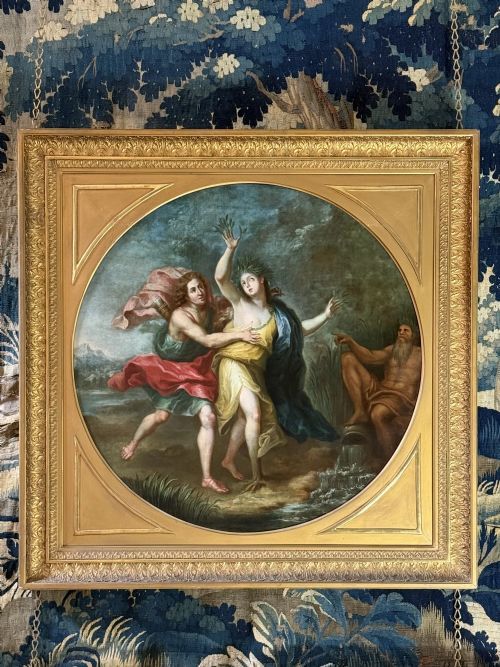
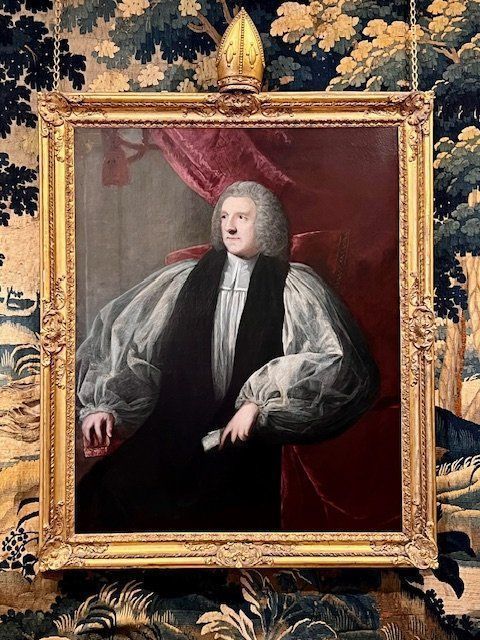
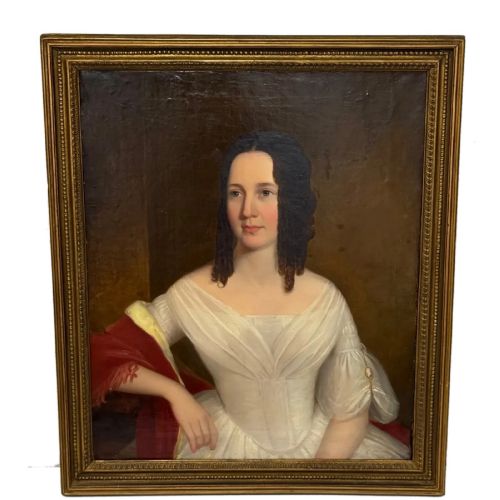
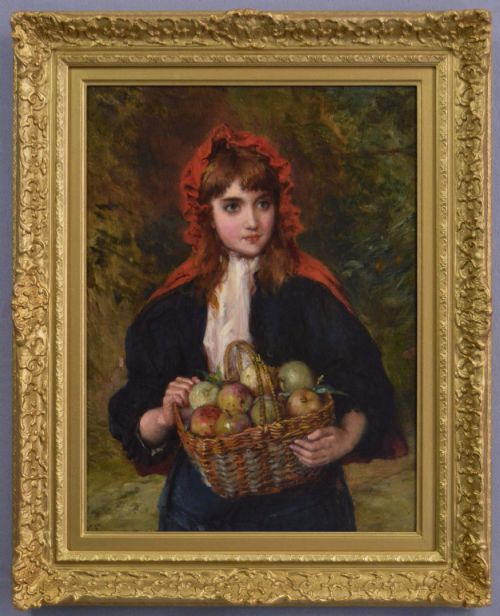


Framed Canvas Oil Artwork
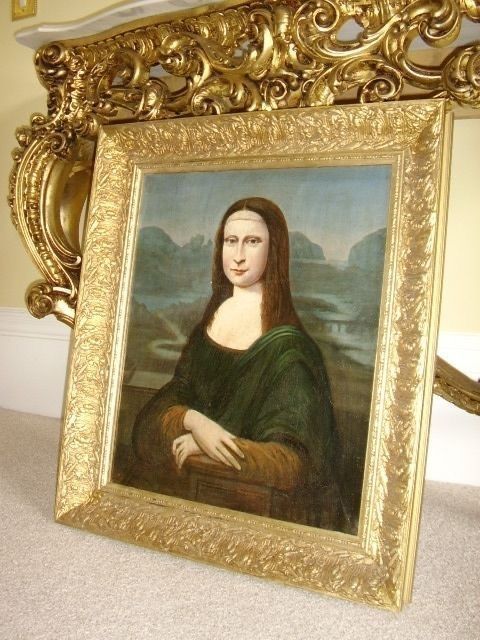
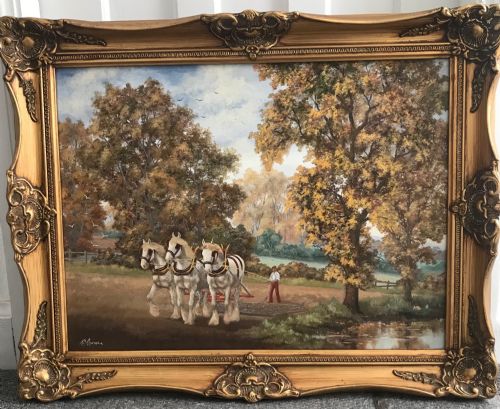
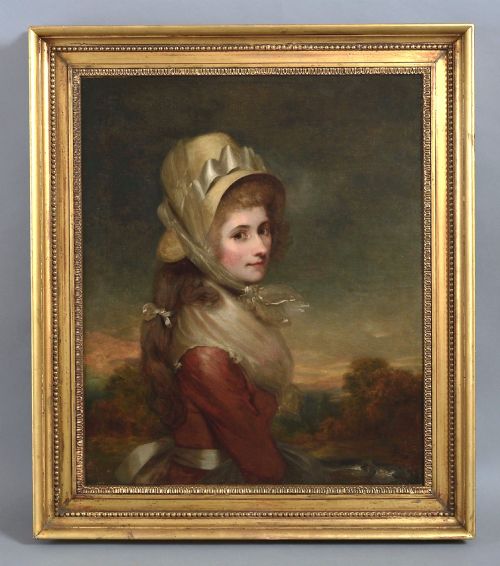
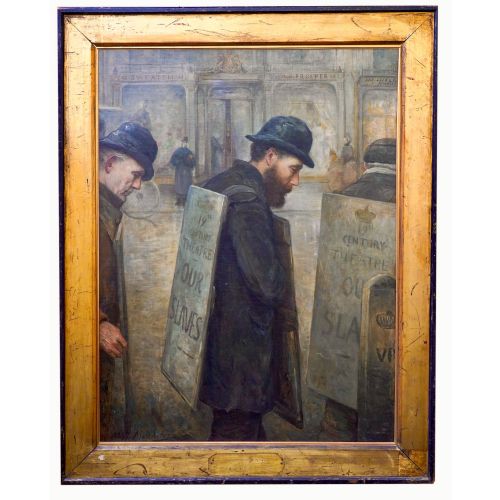
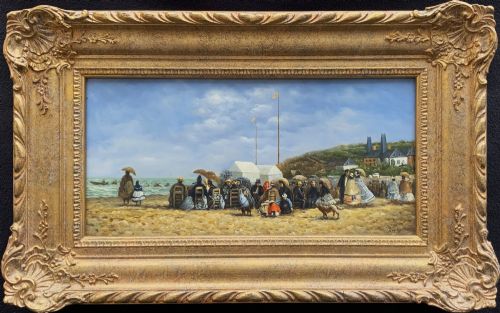
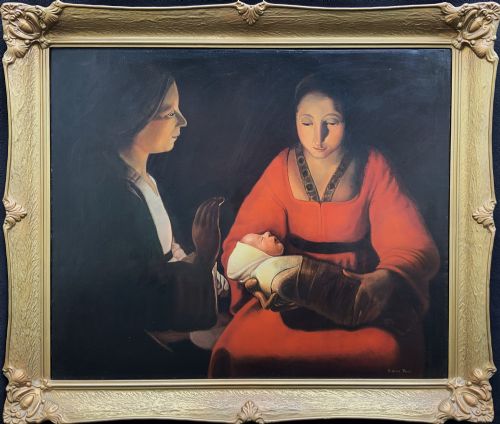
These framed canvas oil artwork pieces bring nineteenth-century oil paintings into domestic rooms through traditional wood and gilt plaster frames.
What framed canvas oil artwork pieces are
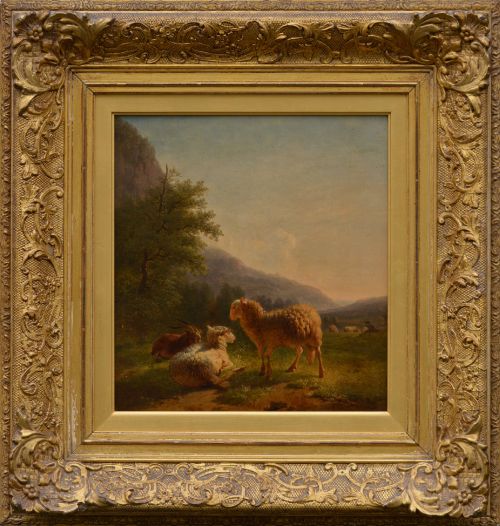
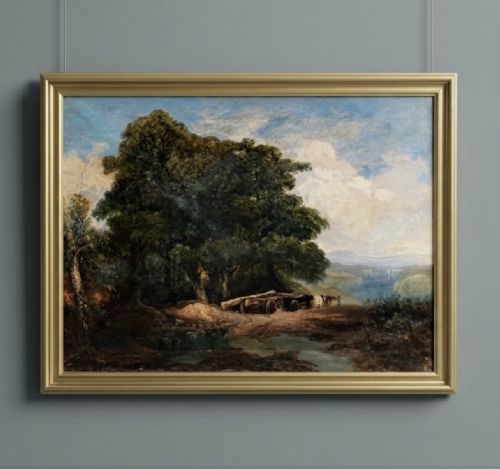
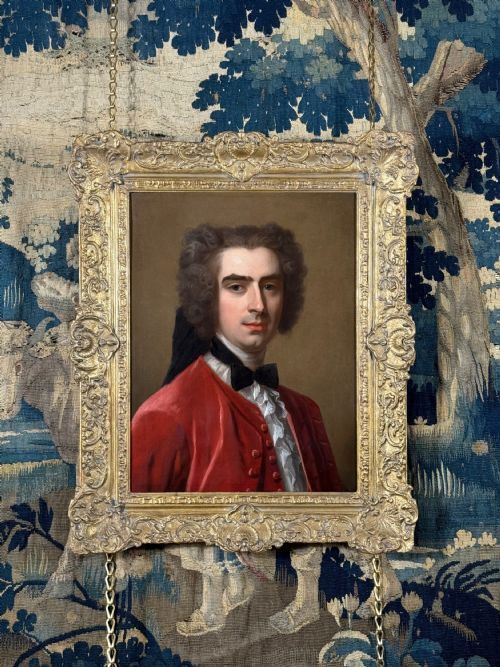
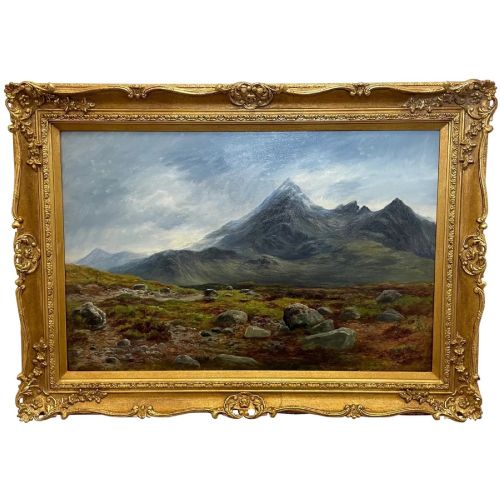
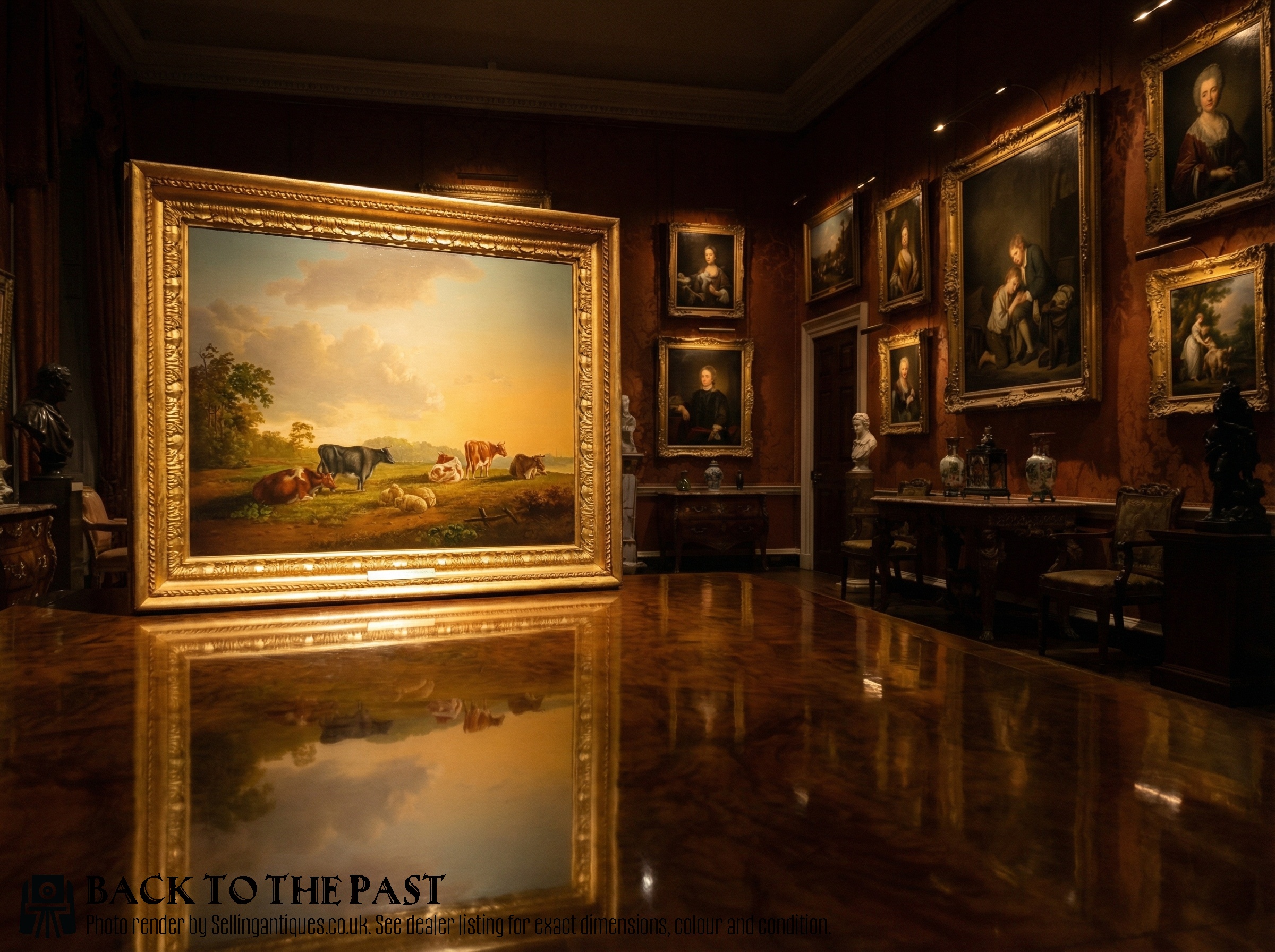
When you search for framed canvas oil artwork, you encounter nineteenth-century oil paintings executed on canvas supports. These works include rural scenes, landscapes with animals, and portraiture originating from the Victorian period.
The pieces on this page span several decades from the nineteenth century into the early twentieth century. They combine canvas oil paintings with period frames made of wood, giltwood, and gilt plaster.
Subjects range from individual portrait studies to pastoral landscapes and topographical views such as Reigate, Surrey. Each item pairs a painted canvas with a frame that completes the historical object.
How they were made
Makers applied oil pigments directly onto stretched canvas supports using traditional brushwork techniques. These materials define the painted surfaces recorded across the nineteenth-century listings.
Makers housed the canvases within substantial surrounds fashioned from wood and finished with gold leaf or gilt plaster. These frames provided structural support and decorative enclosure for the oil paintings.
Retail Price Guide 2026
Typical UK retail prices for framed canvas oil artwork, calculated from the Sellingantiques database of over a million retail prices indexed since 2003. This retail price guide relies exclusively on Sellingantiques data; no external sources or auction records are used, so the figures do not describe the wider market.
Materials recorded in current listings include canvas, wood, oil, gilt plaster, gold leaf, and giltwood.
What varies in quality
Quality separates through the precision of brushwork and the anatomical accuracy found in figurative and animal subjects. Master painters achieve depth and texture using oil pigments that lesser hands miss.
The integrity and decoration of the frame contribute heavily to the overall standing of the piece. Original wood and gilt plaster mouldings that retain their original gilding elevate the entire object.
William Oliver·Eugene Verboeckhoven·Alfred Banner·J De Breanski
The Framed Canvas Oil Artwork Glossary
- Canvas
- A heavy woven fabric stretched across a wooden stretcher to act as a stable support for oil painting. It remains the standard foundation for the works listed here.
- Oil pigments
- Ground colour particles bound in drying oils such as linseed, used by artists to create rich tones and smooth blends. They permit subtle tonal graduation across landscapes and portraits.
- Gilt plaster
- Plaster mouldings coated with gold leaf or metallic powder to ornament wooden frames. This finish catches the light and frames the painted canvas.
- Victorian Pastoral
- A nineteenth-century artistic style focusing on idealized rural life, agricultural scenes, and tranquil countryside views. These compositions often feature figures, animals, and cottages.
Frequently Asked Questions
What periods do these paintings come from?
The listed works date from the nineteenth century and the early twentieth century. Specific dates recorded include eighteen-eighty, nineteen-hundred, and nineteen-ten.
These periods encompass Victorian pastoral styles, rural realism, and nineteenth-century romanticism.
What subjects appear in these works?
Subjects include portraits of people, landscapes with animals, topographical views of places like Reigate, and scenes of horses and carts.
Artists captured both human character and British or European countryside settings using oil pigments on canvas.
How should I hang a framed oil painting?
Hang the piece on a secure wall away from direct sunlight and excessive moisture fluctuations. Ensure the weight rests safely on appropriate fixings.
The wood and gilt plaster frames require stable indoor conditions to protect both the frame and the canvas.