

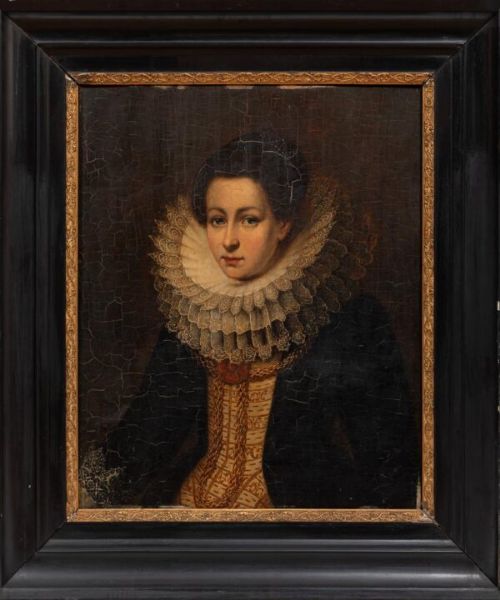
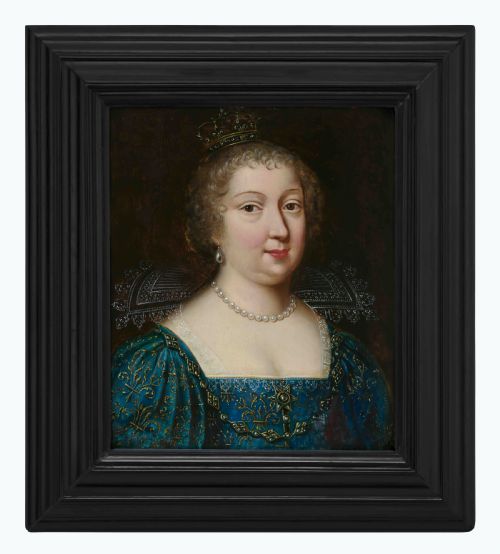
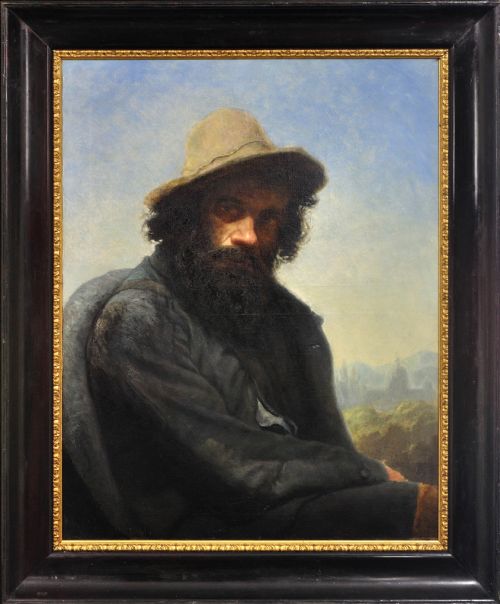
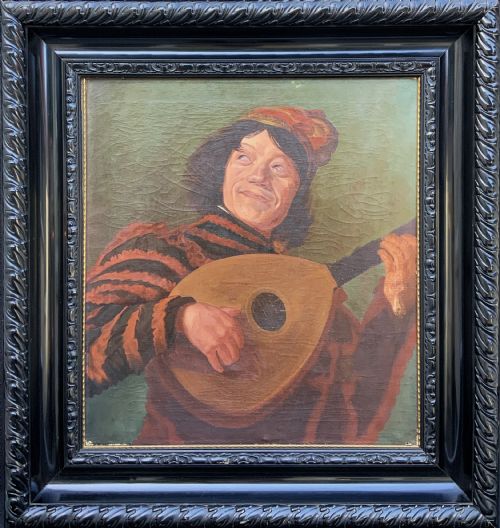
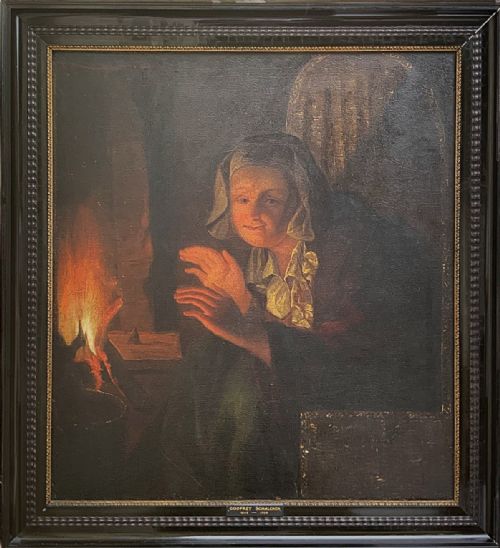
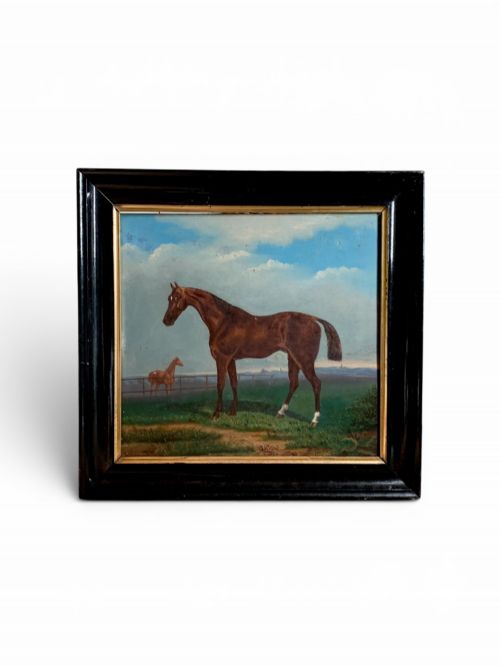
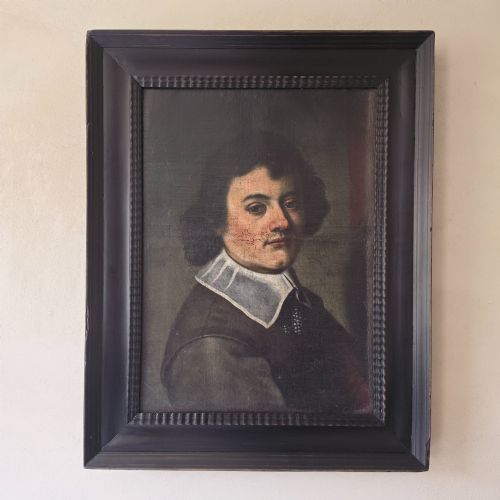
Ebonised Framed Oil Painting
An ebonised framed oil painting brings deep historical weight into a room, offering centuries-old portraiture, landscapes, and still lifes housed in dark timber mouldings.
Ebonised Framed Oil Painting
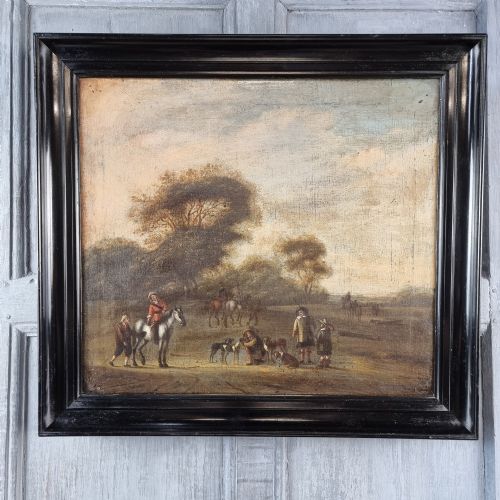
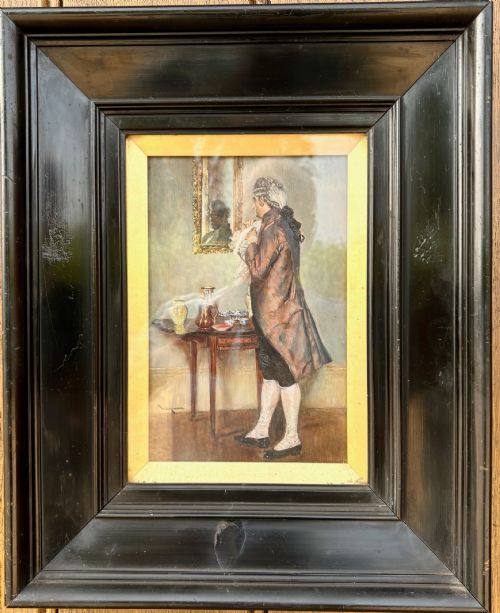
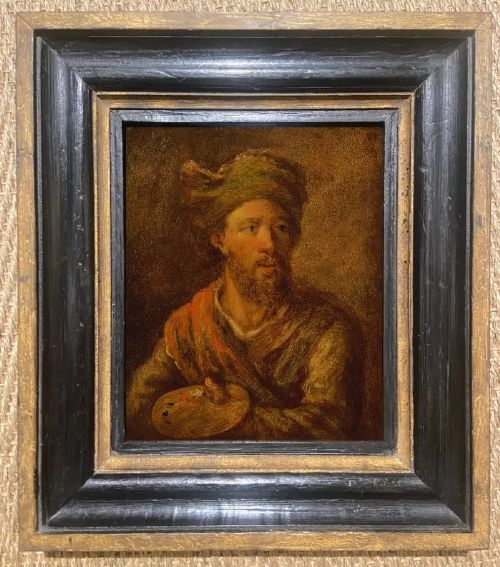
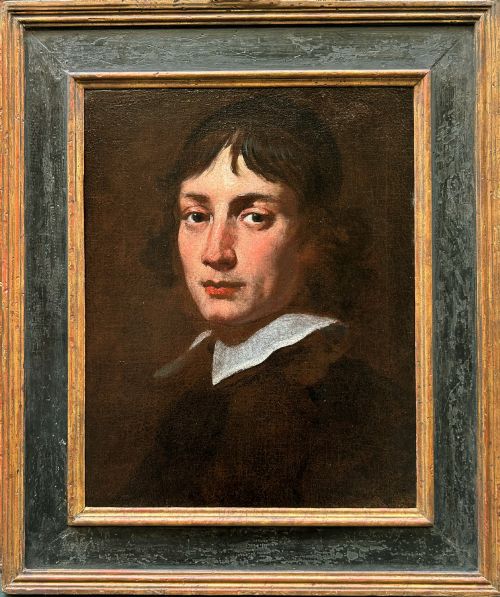
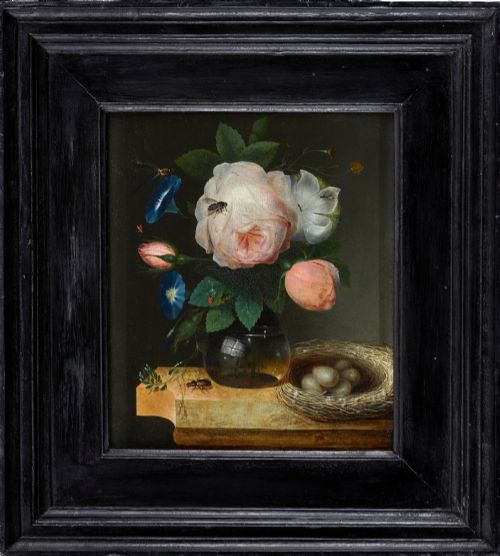
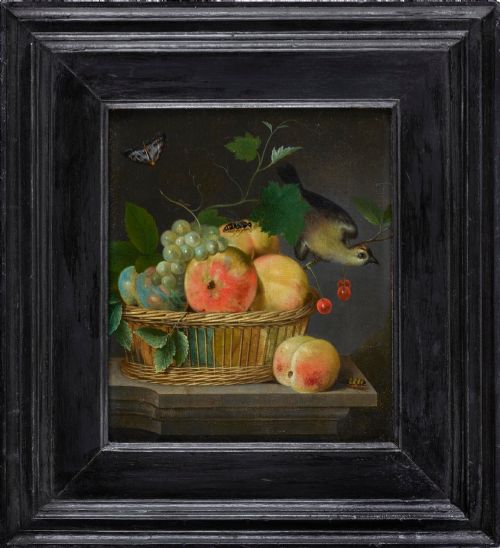
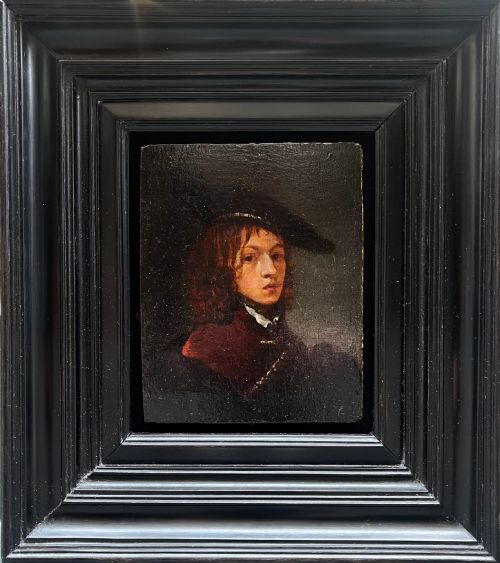
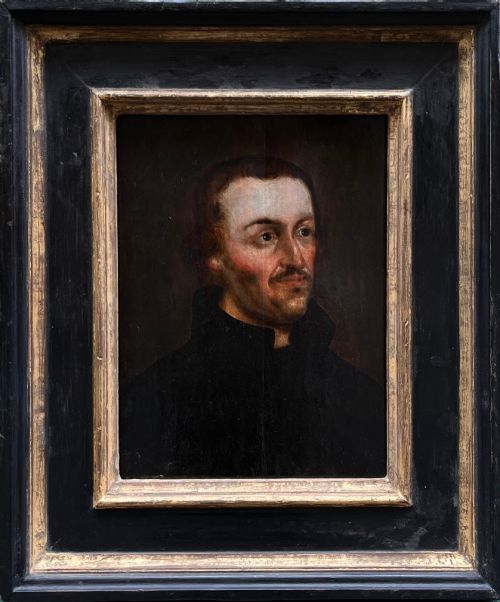
An ebonised framed oil painting combines historical canvas or panel works with darkened wooden borders designed to focus the viewer's eye squarely on the artist's palette. These pieces span from the 16th century through the Victorian era and into the 20th century, capturing portraits, landscapes, and still lifes.
The selections here frequently lean toward portraits and genre scenes originating from Dutch, English, and French schools. Buyers encounter works rendered in styles ranging from Flemish Baroque to 19th-century realism, often housed in heavy wood surrounds that complement the dark tones of the pigments.
Materials and construction methods
The artworks themselves utilise oil paint applied to woven canvas, wooden panels, or occasionally board, building up rich layers of pigment and glaze. Canvas provides a textured surface for large-scale portraiture and landscapes, whilst wood panels support finer, more detailed brushwork found in earlier European schools.
The framing employs timber treated with dark stains, black polish, or paint to simulate ebony, frequently accented with gilt or gold leaf details along the inner edges. This ebonising process darkens the wood grain completely, creating a stark, high-contrast border that isolates the luminous colours of the oil painting within.
Ebonised Framed Oil Painting Retail Price Guide 2026
Typical asking prices for ebonised framed oil painting among the pieces listed under this phrase on Sellingantiques today, from the lower quarter to the upper quarter. They describe what is for sale here now, not the wider market.
Several portraits on this page feature remarkably stiff ruff collars that look as though they could slice bread.
Factors determining quality
Quality rests primarily on the execution of the brushwork and the anatomical or spatial accuracy achieved by the artist or their circle. Masterful handling of light and shadow, particularly in 17th-century styles or Dutch old master traditions, separates exceptional fine art from simpler decorative student pieces.
The relationship between the artwork and its ebonised surround also dictates overall merit, as period-appropriate frames with original gilding or authentic wood finishes enhance the integrity of the piece. Well-preserved surfaces on both the canvas and the wooden moulding retain the visual harmony intended by historical framers and painters.
Guillaume Courtois·Gaspar Peeter Verbruggen·Albin Mattenheimer·James de Rijk·Nicolaes Maes
The Ebonised Framed Oil Painting Glossary
- Ebonised wood
- Timber treated to resemble expensive ebony through staining, painting, or chemical darkening. This technique creates a deep, light-absorbing black finish popular in period framing.
- Oil on panel
- A painting technique where artists apply oil pigments directly onto a prepared wooden board or panel. This method was widely utilised in early European schools for its stability and smooth surface.
- Gilt
- A thin layer of gold or gold leaf applied to surfaces such as wooden frame mouldings. It provides a bright metallic contrast against dark ebonised borders.
- Genre painting
- Artwork depicting scenes from everyday life, ordinary people, and domestic interiors rather than grand historical or religious subjects. These pieces frequently feature intimate domestic narratives.
Ebonised Framed Oil Painting: Frequently Asked Questions
What periods do these paintings typically represent?
The pieces span multiple centuries, ranging from 16th-century Italian Renaissance works to 17th-century Dutch golden age portraits and landscapes. You will also encounter 18th-century European school pieces and 19th-century Victorian genre paintings.
Later examples extend into early 20th-century compositions while maintaining traditional subject matter like still lifes and historical domestic scenes.
How can I tell if the frame is original to the painting?
Examine the fit of the canvas or panel within the ebonised rebate, looking for consistent signs of age, wear, and appropriate hardware matching the era of the artwork. Period frames often show matching shrinkage and patination on the timber that corresponds to the age of the oil painting.
While many historical works were reframed over the centuries, an authentic pairing shares a consistent historical aesthetic and appropriate scale.
Where should I hang a dark-framed oil painting?
Position the piece on a neutral or lightly coloured wall where the dark ebonised moulding can create a strong visual anchor. Good ambient lighting helps illuminate the subtle dark tones and layered glazes of the oil paint without causing glare on the varnished surface.
Avoid damp spaces such as kitchens or unheated rooms, as fluctuations in humidity damage both wooden panels and canvas supports over time.