

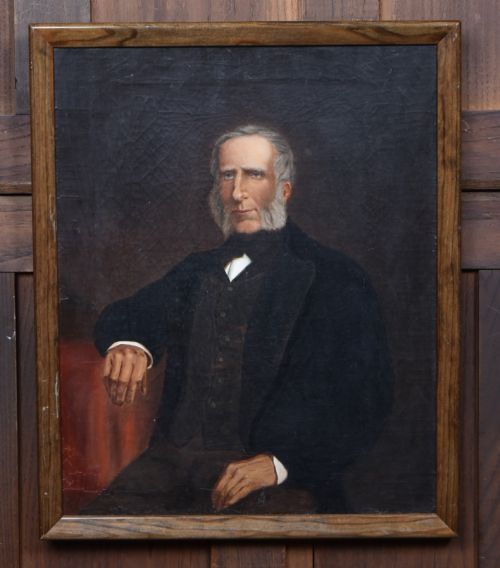
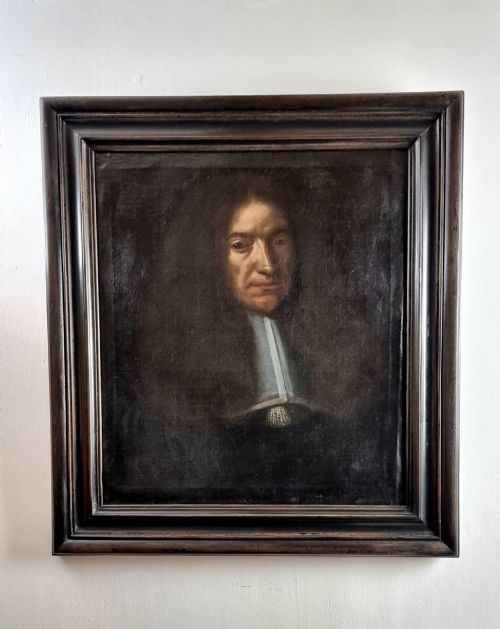
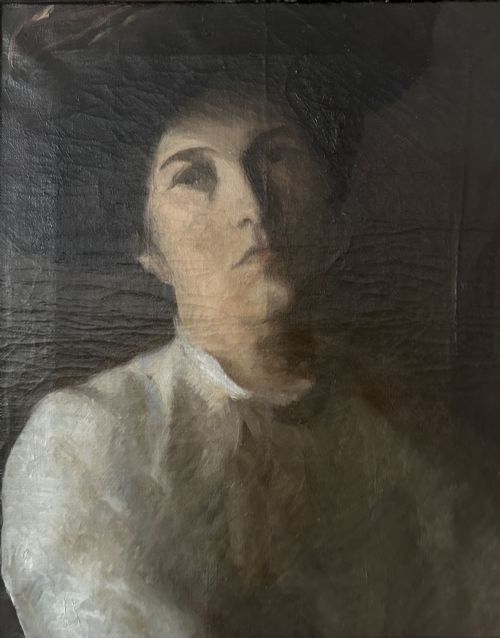
Dark Brown Oil Portrait
A dark brown oil portrait brings rich, sombre tones and centuries of character into a room.
Dark Brown Oil Portrait
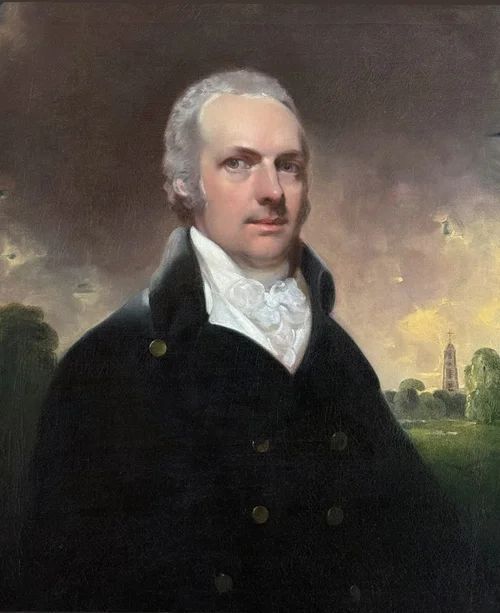
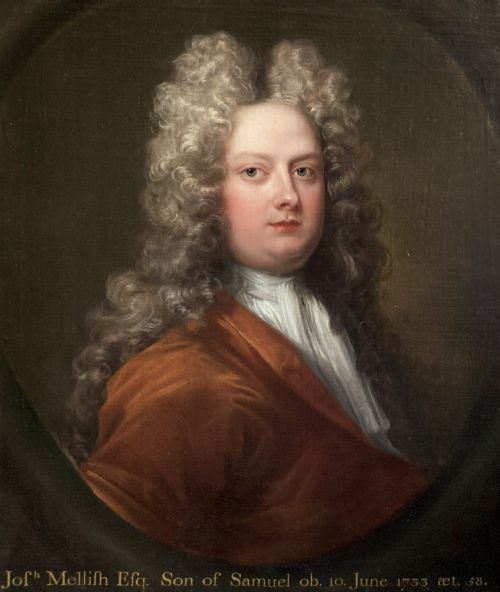
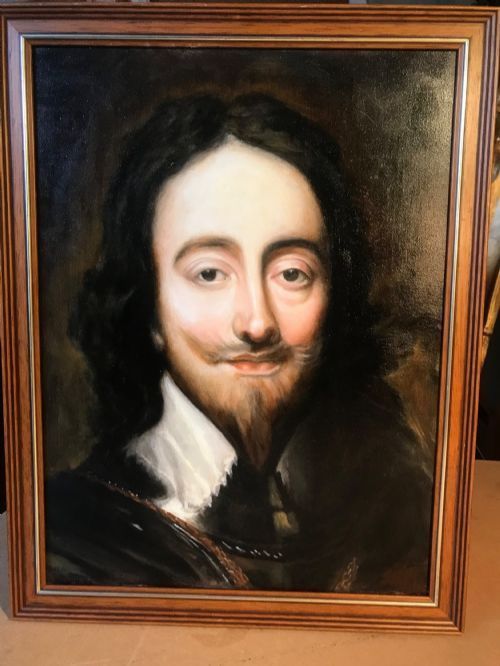
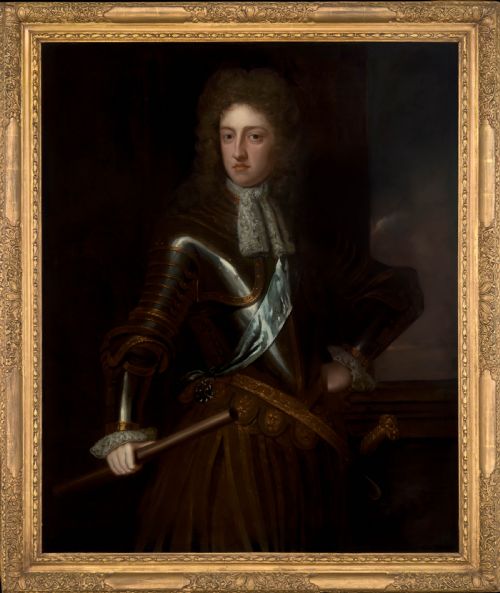
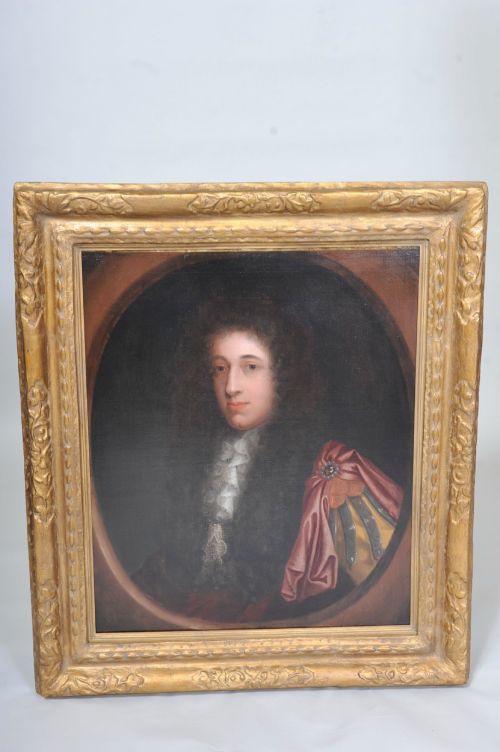
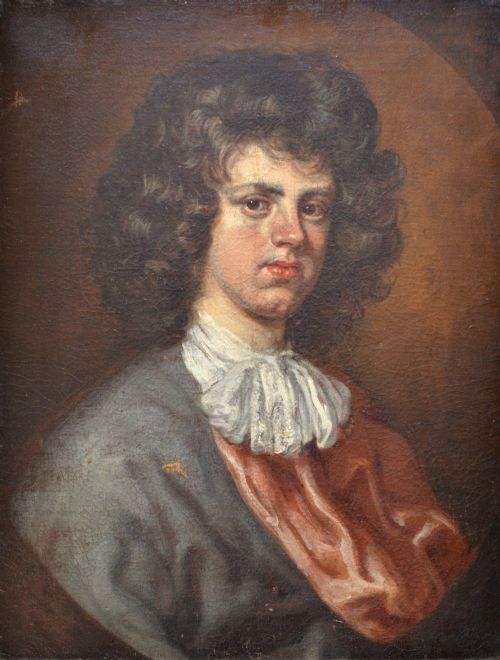
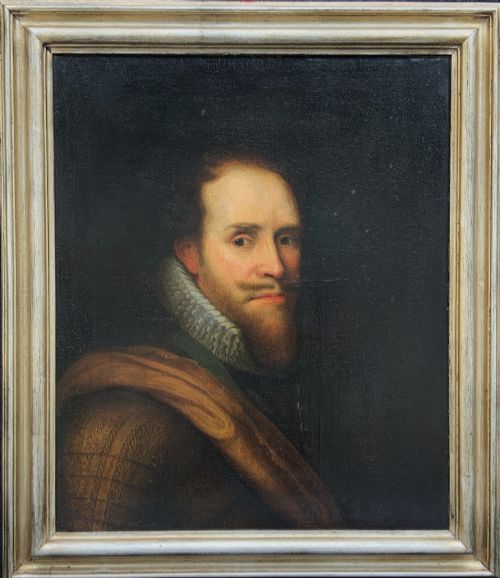
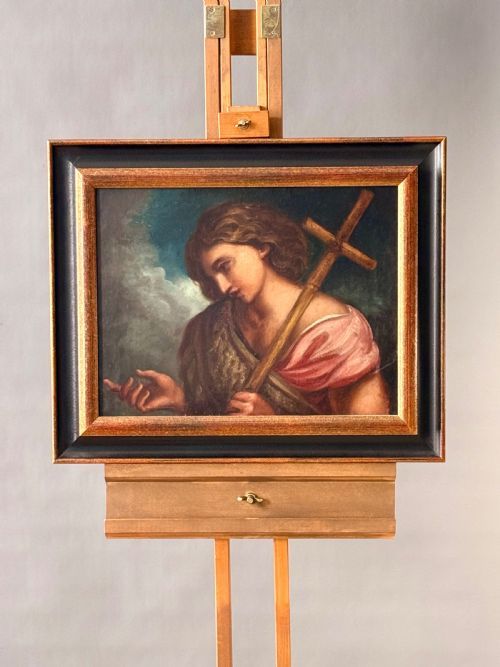
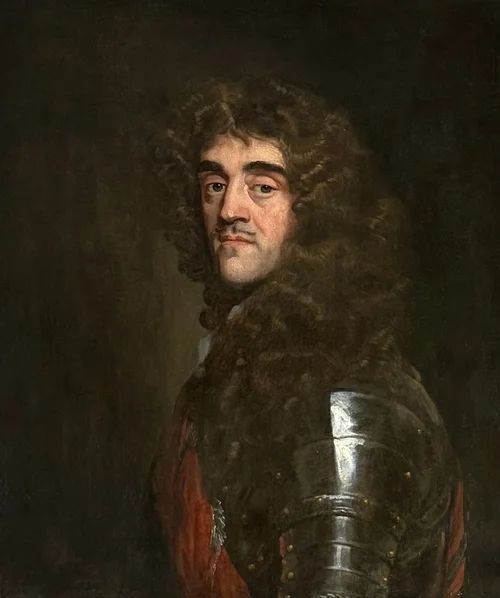
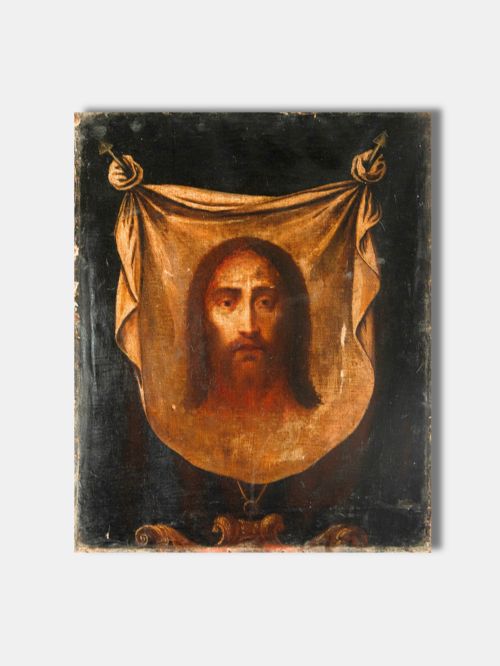
A dark brown oil portrait typically presents a sitter from the seventeenth, eighteenth, or nineteenth centuries rendered in deep, muted earth tones and rich umbers. These works span from seventeenth-century Dutch and English school canvases depicting noblemen and gentlemen to nineteenth-century interpretations and provincial studies.
Buyers searching for a dark brown oil portrait will most frequently encounter seventeenth-century and eighteenth-century examples featuring sombre palettes, heavy chiaroscuro, and period frames in giltwood or dark wood. The subjects range from named historical figures and judges to anonymous sitters captured in half-length or bust compositions.
How they were made
The technique relies upon oil paint applied to stretched canvas or occasionally wood panels, building deep shadows through layers of dark glazes. Painters of these periods utilised ground pigments mixed with oils to achieve the signature dark brown tonality that aged into rich patinas over the centuries.
Frames are integral to the construction, frequently consisting of carved wood finished with gold leaf or gilt. These traditional mountings support the heavy canvas supports and reflect the craftsmanship of respective periods from the Baroque era through the Victorian period.
Dark Brown Oil Portrait Retail Price Guide 2026
Typical asking prices for dark brown oil portrait among the pieces listed under this phrase on Sellingantiques today, from the lower quarter to the upper quarter. They describe what is for sale here now, not the wider market.
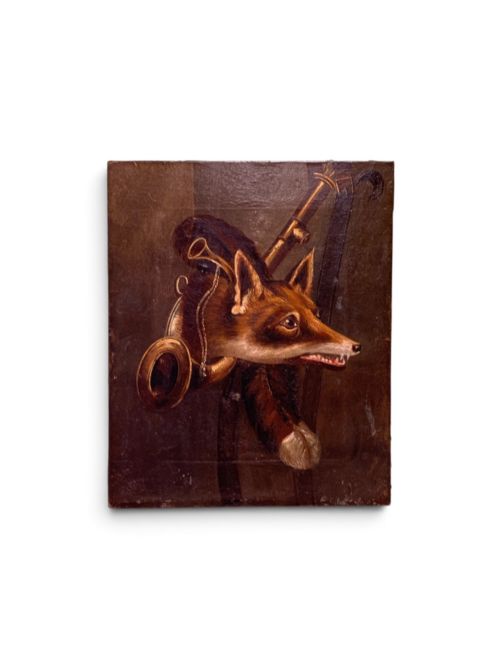
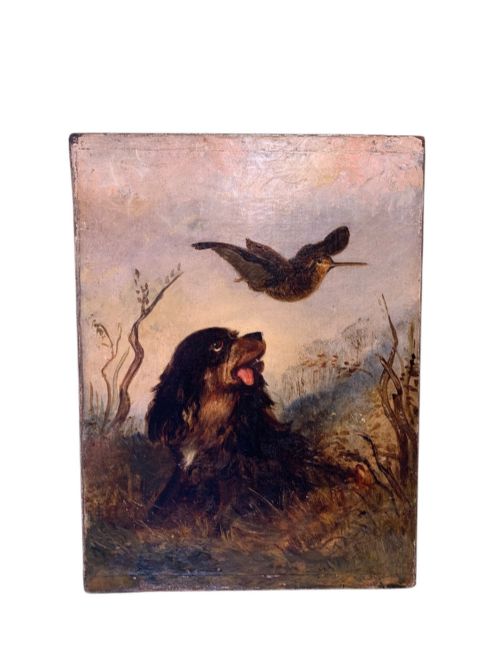
Among the human nobility and clergy, the listings include a remarkably serious nineteenth-century fox and a collection of racing pigeons.
What varies in quality
Quality in a dark brown oil portrait rests upon the confidence of brushwork, anatomical proportion, and the depth of the shadow work. Masterful handling of light and dark distinguishes sophisticated school paintings from simpler provincial or naive works.
The preservation of the original canvas and the integrity of the paint surface dictate the standing of a piece. Finer examples retain their original depth of tone without excessive overpaint, while framing choices and historical attribution further elevate the standing of individual works.
Charles Jervas·Sir Godfrey Kneller·Mary Beale·John Greenhill·Guillaume Courtois·Herbert Ashwin Budd·William Blake Richmond·Stephen Pearce·Florence Small·William Watt Milne·Godfried Schalcken·David Teniers
The Dark Brown Oil Portrait Glossary
- Chiaroscuro
- The use of strong contrasts between light and dark to give a three-dimensional volume to figures. This technique defines the dramatic shadows seen in many seventeenth-century oil paintings.
- Canvas
- A heavy woven fabric used as a surface for oil painting. It is typically stretched over a wooden frame before application of the ground and paint layers.
- Giltwood
- Wood that has been thinly coated with gold leaf or gold paint. This material frequently frames antique oil portraits from the Baroque and Regency periods.
- Old Master
- A term for a European painter of skill who worked before about eighteen hundred. These artists produced the foundational styles seen in early portraiture.
- School
- A group of artists sharing a similar style, time, and geographic region or following a particular master. Attributions to a specific school denote stylistic lineage rather than a direct signature.
Dark Brown Oil Portrait: Frequently Asked Questions
How do I hang a heavy oil portrait safely?
Heavy oil portraits on canvas require sturdy wall fixings anchored directly into masonry or wall studs using rated picture hooks. Ensure the weight of the giltwood or wood frame is evenly supported by two points rather than a single wire when dealing with large formats.
Position the painting away from direct sunlight and heat sources to protect the oil paint and canvas from thermal expansion and fading. Adequate clearance from damp exterior walls also preserves the structural integrity of the wooden stretcher frames.
What does attribution to a school mean?
Attribution to a specific regional school indicates that an anonymous artist worked within the distinct style, technique, and period of that workshop tradition. These works reflect the broader aesthetic standards of centres like the seventeenth-century Dutch or Italian traditions without bearing an individual signature.
Such pieces offer a window into the prevailing artistic methods of an era while remaining outside the documented output of a named master. The distinction allows collectors to appreciate period-accurate execution within a broader cultural movement.
How should I clean an antique oil canvas?
Routine maintenance of an oil canvas involves gentle dusting with a soft, dry brush to remove surface particles without applying pressure to the paint layer. Avoid using water, household cleaners, or damp cloths on the canvas surface, as moisture can penetrate aged micro-fissures in the oil paint.
Professional conservators should handle any deep cleaning or the removal of darkened varnish layers. Attempting to clean the paint surface independently risks removing original glazes and subtle tonal gradations.
Why are these portraits predominantly dark brown?
The prevalent dark brown palette stems from the use of earth pigments like umber and bitumen, combined with dark priming layers favoured by seventeenth- and eighteenth-century artists. These deep tones were employed to create dramatic chiaroscuro effects and focus illumination on the sitter's face.
Over centuries, varnish layers naturally amber and darken, deepening the original tonal range into the rich monochromatic appearance seen today. This ageing process contributes to the solemn and atmospheric quality characteristic of early oil portraits.