

Early 19th Century Portrait
An early 19th century portrait captures the distinct likeness of individuals through oil, watercolour, silhouette, and sculpture.
Early 19th Century Portrait
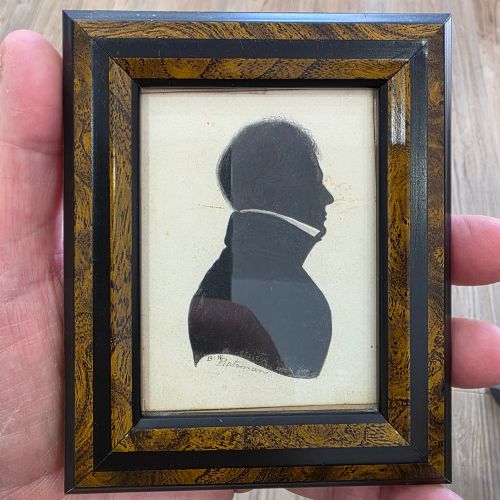
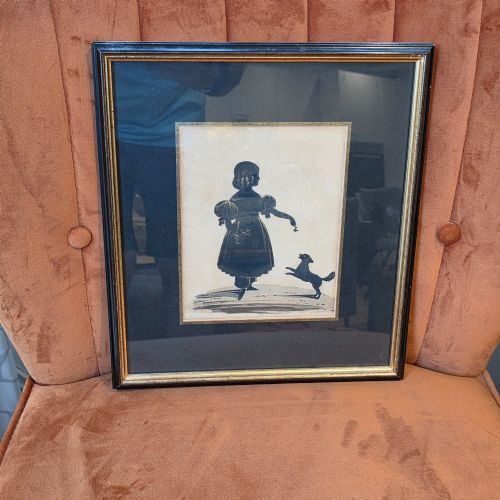
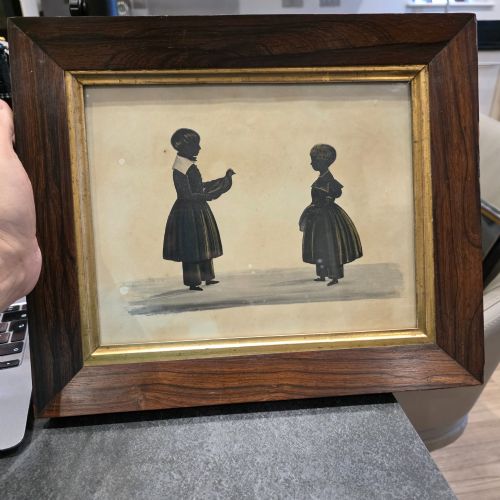
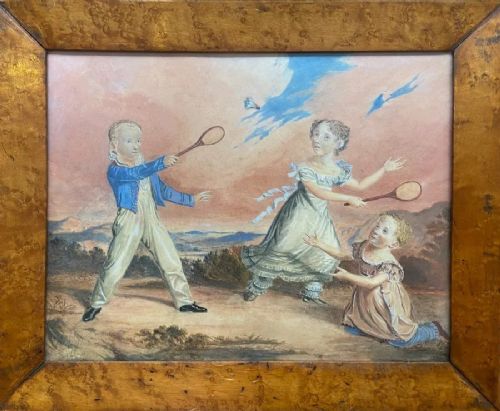
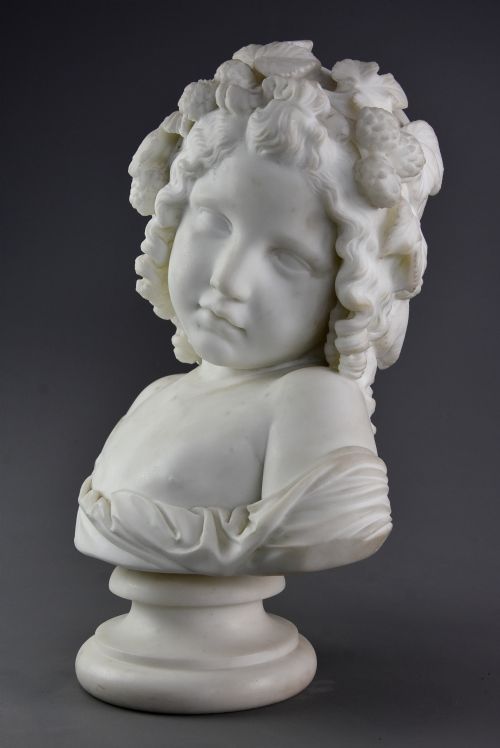
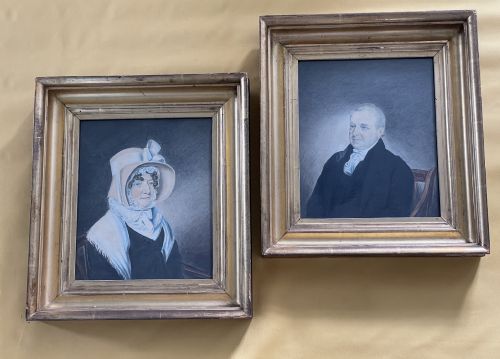
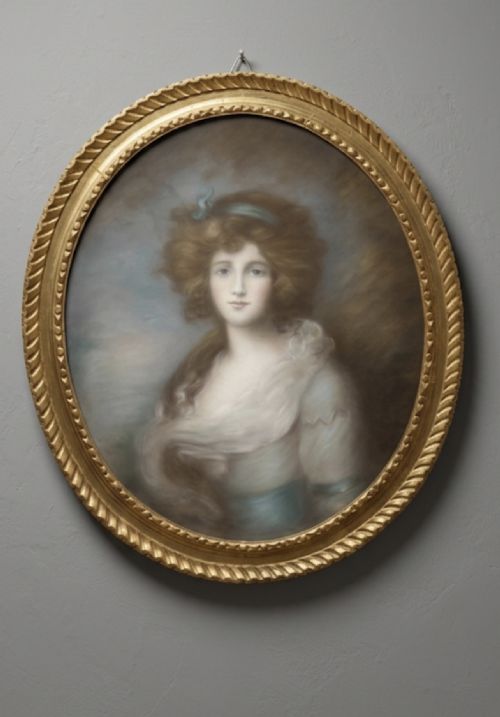
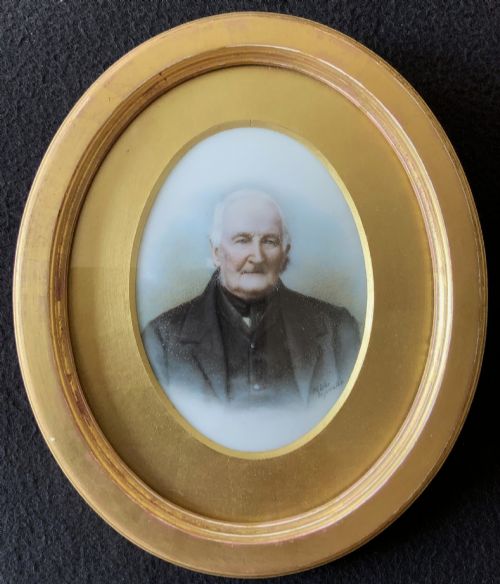
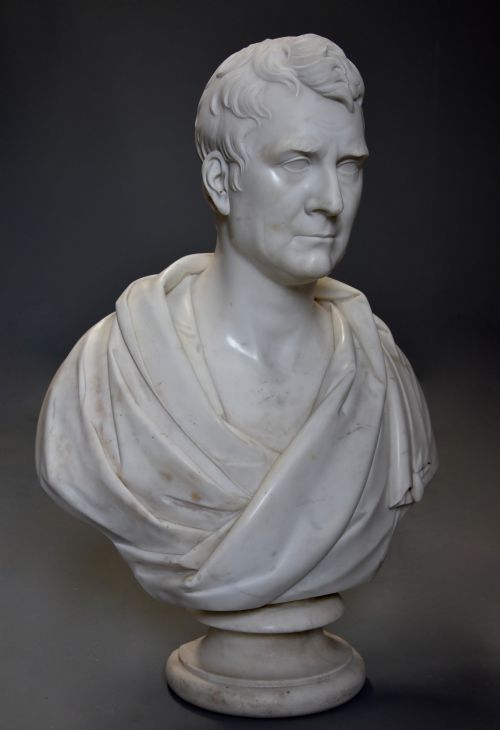
An early 19th century portrait encompasses a diverse range of artistic representations produced during the Georgian, Regency, and early Victorian periods. Buyers encounter oil paintings on canvas and board, delicate miniature watercolours, silhouette profiles, carved ivory plaques, and marble busts. These works depict gentlemen, ladies, children, and historical figures, reflecting the varied social strata of the era.
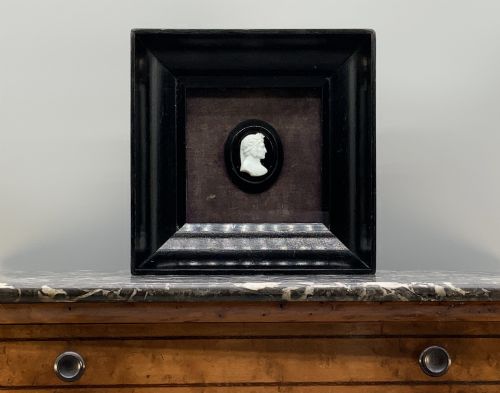
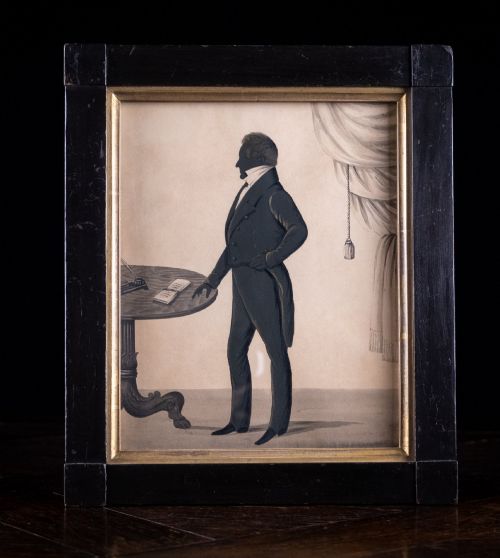
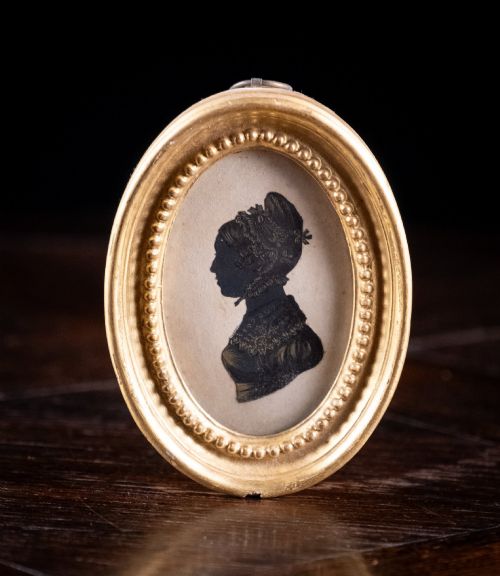
The selection ranges from formal British and European school oil paintings to American folk art and naive studies. Silhouette portraits, sometimes highlighted with gold leaf or cut from paper, appear frequently alongside intimate framed miniatures painted on glass or ivory. Sculptural examples in bronze and carrara marble represent sitter likenesses in three dimensions.
Originating across Britain, continental Europe, and America, these items serve as historical windows into personal identity from the 1800s onward. The assortment includes both commissioned works by named artists and anonymous folk art pieces created by regional practitioners.
How they were made
Artists of this era utilised traditional oil on canvas or board for larger paintings, applying pigments mixed with drying oils to build depth and texture. Watercolour on paper or glass formed the primary medium for intimate portrait miniatures, often set within ebonised or maple frames.
Silhouettes relied on precise cutting of black paper or meticulous painting in ink and watercolour, frequently enhanced with gilt highlights or reverse painting on glass. Sculptural portraits involved carving materials such as carrara marble and ivory, or casting in bronze using traditional foundry methods.
Early 19th Century Portrait Retail Price Guide 2026
Typical asking prices for early 19th century portrait among the pieces listed under this phrase on Sellingantiques today, from the lower quarter to the upper quarter. They describe what is for sale here now, not the wider market.
Listings feature mediums including oil on canvas, watercolour, glass, and carved marble across Regency and Victorian periods.
What varies in quality
The degree of anatomical precision and expressive depth distinguishes standard works from exceptional examples. Skilled artists captured subtle nuances of light, shadow, and individual character, whereas naive or provincial pieces displayed simpler proportions and flatter perspective.
Materials and framing contribute significantly to the overall execution, with original ebonised wood, giltwood, or brass fittings preserving the integrity of the piece. The clarity of detail in fine brushwork, delicate ivory carving, or crisp paper cutting marks the upper tier of craftsmanship.
William James Hubard·Thomas Gainsborough·J Francis·William Egley·Peter Paul Rubens
The Early 19th Century Portrait Glossary
- Silhouette
- A solid shape of a person's profile, typically filled in with black and occasionally highlighted with gold leaf. These were popular for affordable likenesses before the widespread adoption of photography.
- Portrait Miniature
- A small, highly detailed painting executed on ivory, vellum, or card, designed for personal carriage or intimate display. Artists used fine brushes and magnifying lenses to achieve remarkable precision.
- Giltwood
- Wood that has been treated with a thin layer of gold leaf or gilt paint, commonly used for decorative frames during the Regency and Georgian periods. It provides a reflective, ornate border for works on paper and canvas.
- Ebonised
- Wood finished to resemble ebony through staining or painting dark, frequently utilised for the frames surrounding early 19th century watercolours and silhouettes. This dark finish creates a sharp visual contrast with the light paper inside.
- Grisaille
- A method of painting executed entirely in monochrome shades of grey, producing a sculptural or stone-like effect. Artists used this technique for preparatory studies as well as finished portraits.
Early 19th Century Portrait: Frequently Asked Questions
What materials were used for early 19th century portraits?
Makers utilised oil on canvas, wood panel, watercolour on paper, and glass for flat works. Three-dimensional likenesses employed carrara marble, bronze, and carved ivory.
Frames incorporate gilt wood, maple, and ebonised timber to complement the artwork.
How can I identify a Regency portrait?
Regency pieces reflect the fashion and artistic styles prevailing roughly between 1811 and 1820. Sitters often wear characteristic period attire, and frames display classical neoclassical motifs.
Paintings from this era frequently combine muted natural backgrounds with detailed facial rendering.
Were all portraits painted by professional artists?
Many works were produced by trained academicians and local portraitists who accepted commissions from gentry and middle-class families. Other examples stem from folk art traditions and naive painters working independently in regional areas.
Signatures or inscriptions verso often help determine whether a piece was professional or amateur.
How should I display antique silhouettes?
Silhouettes look best hung away from direct sunlight to prevent fading of the paper and ink. Protecting them behind glass within their original ebonised frames maintains their condition.
Grouping several profile pieces together creates a traditional gallery display reminiscent of period interiors.