


Antique Artwork Gilt Frame
These antique artwork gilt frame pieces bring period depth to a wall, combining rich gilding with historic canvases and watercolours.
What They Are
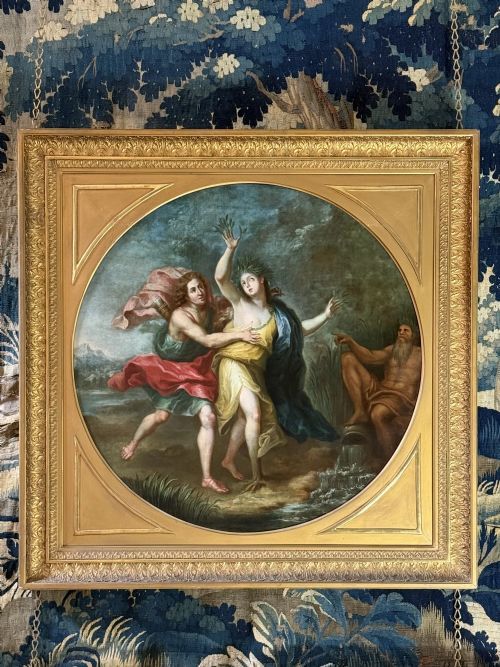
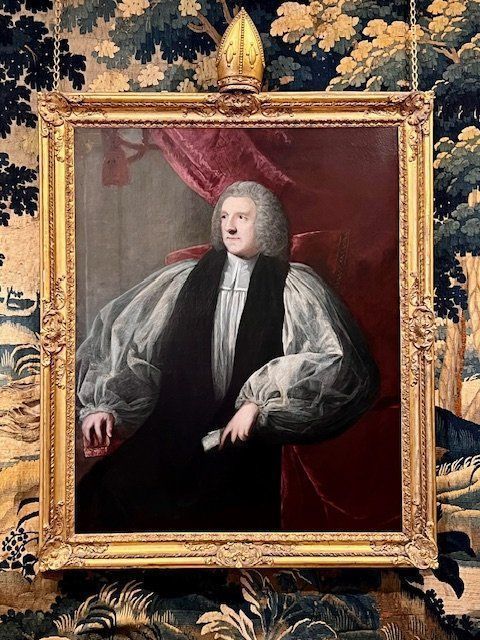
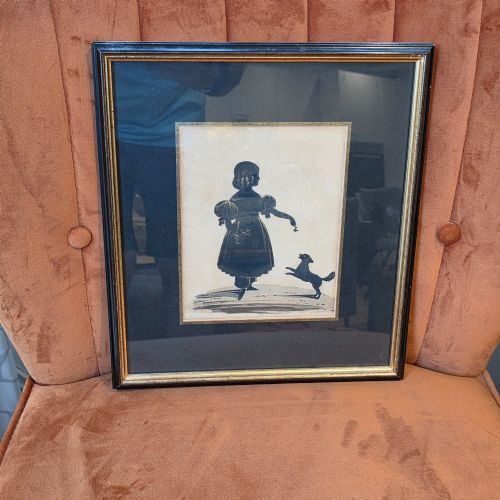
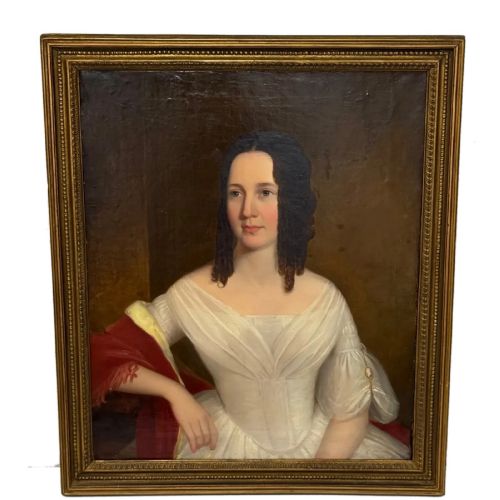
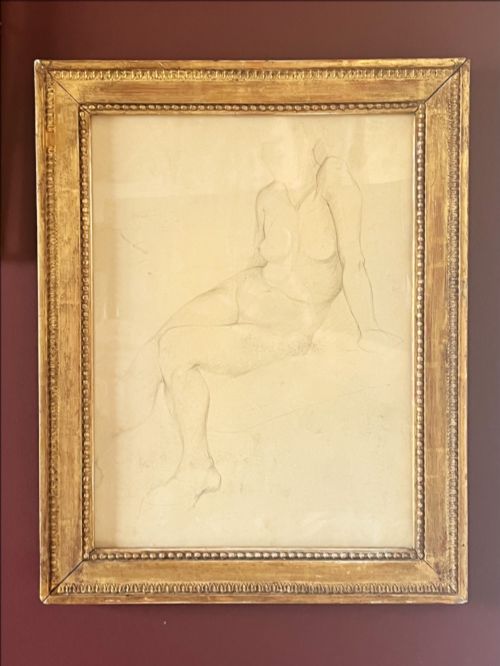
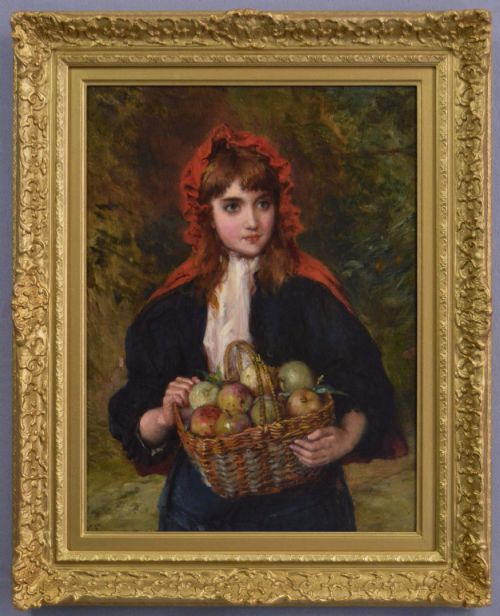
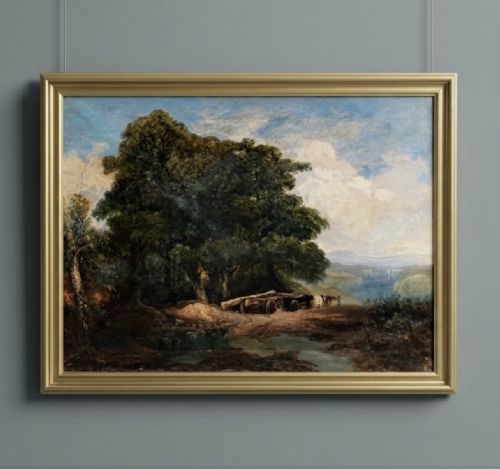
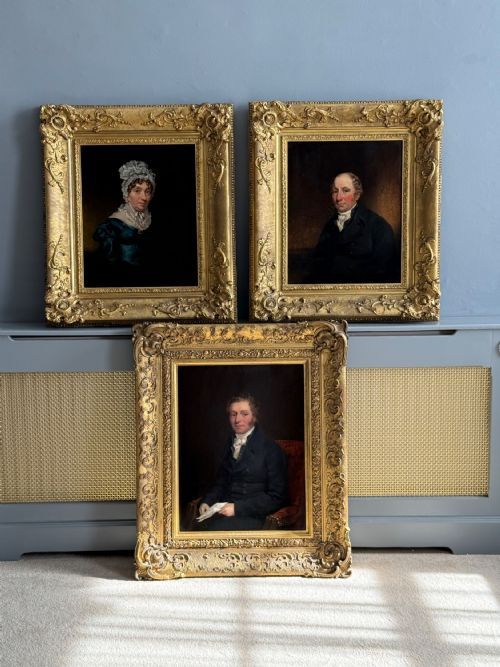
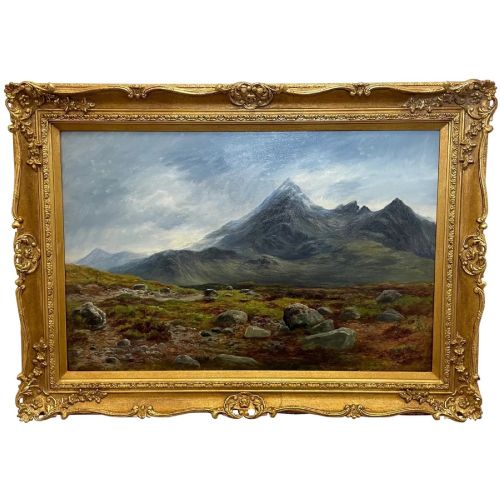
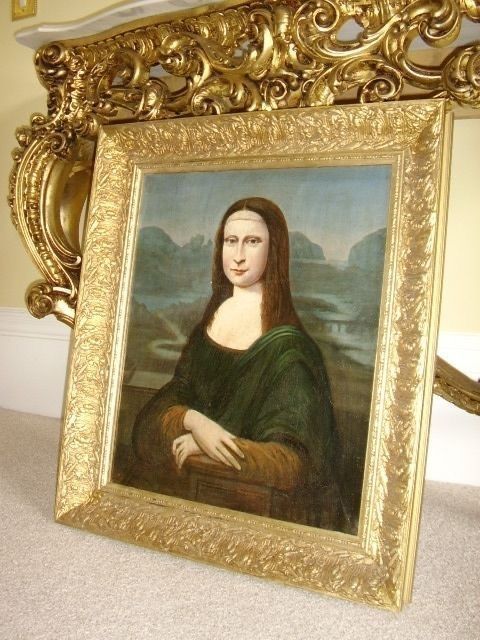
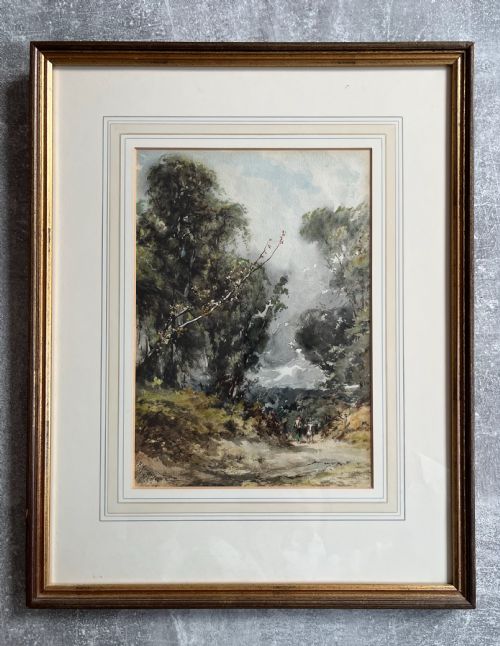
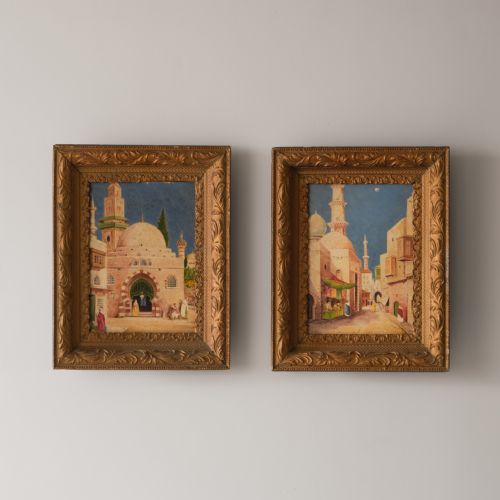
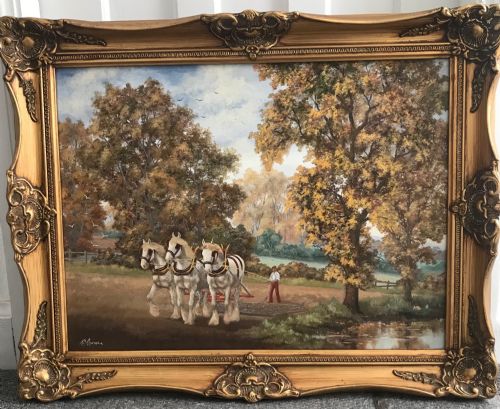
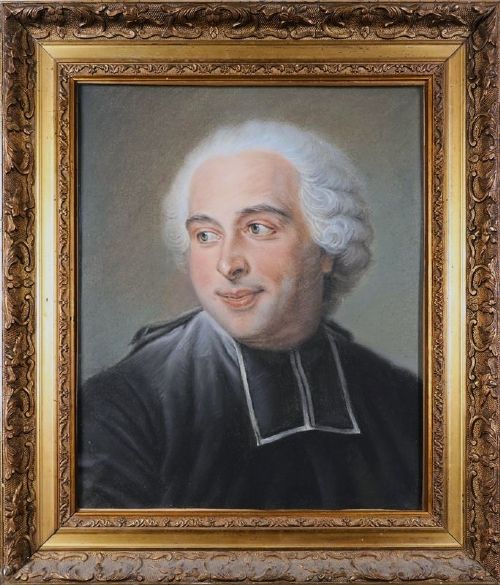
An antique artwork gilt frame surrounds paintings from the nineteenth century, including oils on canvas and watercolours on paper. These works capture subjects such as figures harvesting near Hastings, Lake District scenes in Borrowdale, and portraits.
Victorian and Regency styles dominate this selection, ranging from detailed landscape oil paintings to delicate portraiture. Buyers frequently encounter nineteenth-century paintings housed in their original or period-matched gilded surrounds.
How They Were Made
Makers constructed these surrounds using gilt wood, gesso, and solid timber, applying gold leaf or gilt finishes over carved wooden foundations. Canvases and papers received oil and watercolour pigments applied by hand.
Ornate decoration relies on traditional moulding and gesso work to achieve raised ornamentation and textural depth across the wooden frames.
Retail Price Guide 2026
Typical UK retail prices for artwork gilt frame, calculated from the Sellingantiques database of over a million retail prices indexed since 2003. This retail price guide relies exclusively on Sellingantiques data; no external sources or auction records are used, so the figures do not describe the wider market.
What Varies in Quality
The refinement of the surface preparation and the crispness of the gesso moulding separate standard framing from exceptional craftsmanship. Deeper hand-carving and well-preserved gilding elevate the visual impact of the piece.
The artistic execution of the painting itself, whether an atmospheric landscape or a detailed portrait, dictates the overall standing of the work. Cohesion between the artwork and its period frame defines the best examples.
Henry H Parker·Stephen Enoch Hogley·W Ford
The Antique Artwork Gilt Frame Glossary
- Gesso
- A plaster-like mixture applied to wood as a base for gilding. It allows craftsmen to carve intricate relief details before applying gold leaf.
- Giltwood
- Timber decorated with gold leaf or a gold-coloured metallic finish. It forms the primary structure of ornate picture frames from the nineteenth century.
- Rebate
- The recessed groove on the inner reverse edge of a frame designed to hold the artwork securely in place. Its dimensions dictate the maximum size of the painting.
- Watercolour
- A paint consisting of pigment suspended in a water-based solution, typically applied to paper. It produces translucent washes of colour favoured by nineteenth-century artists.
Frequently Asked Questions
How do I hang a heavy gilt frame?
Ensure your wall fixings anchor directly into solid brick or timber studs rather than relying solely on plasterboard. Use heavy-duty picture wire and robust brass D-rings screwed securely into the wooden sides of the frame.
Check that the weight distribution is even so the frame hangs flat and secure against the wall surface.
Can I change the artwork inside?
Changing the artwork is possible if the new piece matches the rebate dimensions of the frame. However, historic frames and their original paintings are usually best kept together as a unified historical object.
Fiddling with antique fixings can also risk damaging delicate gesso edges and original backing materials.
How do I clean gilt wood?
Dust gently using a very soft, dry artist brush or a feather duster to remove surface particles without disturbing the finish. Avoid rubbing or applying moisture, as water and modern cleaning agents can strip historic gold leaf and gesso.
Professional conservators should handle any deeper cleaning or repair of damaged gilding.
What period are these pieces from?
The works and frames span the nineteenth century, including specific dates such as eighteen seventy and nineteen hundred. Regency and Victorian aesthetics define the design characteristics seen across the selection.
Materials and subject matter reflect the artistic trends of this hundred-year span.