




Antique Family Portrait
An antique family portrait brings centuries of domestic history into a room, offering a direct encounter with past generations.
Identifying an antique family portrait
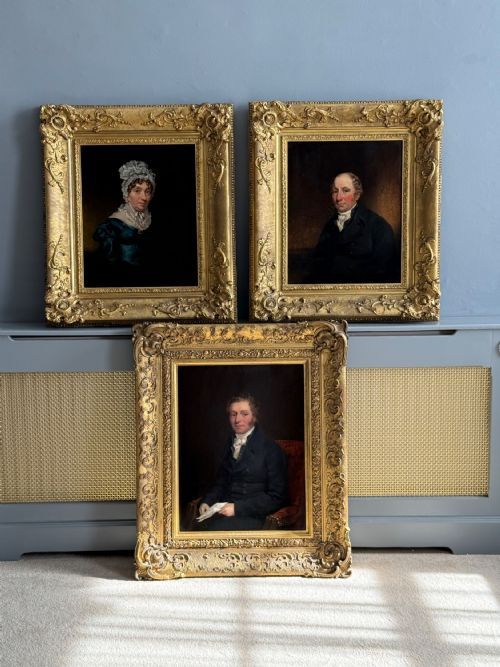
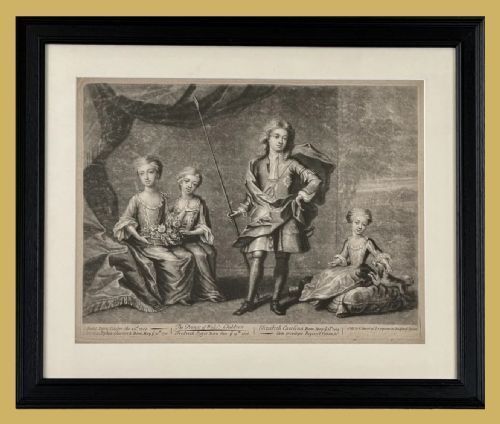
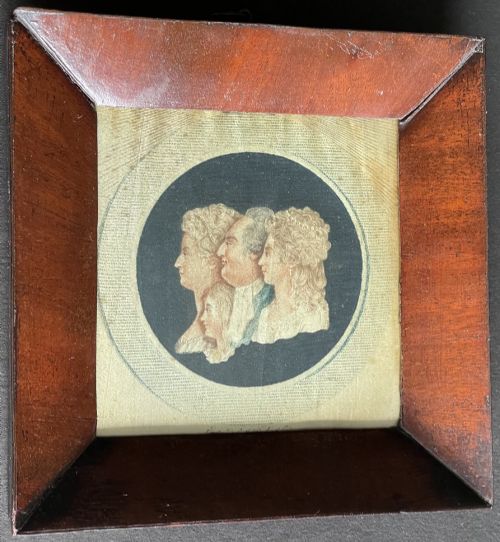
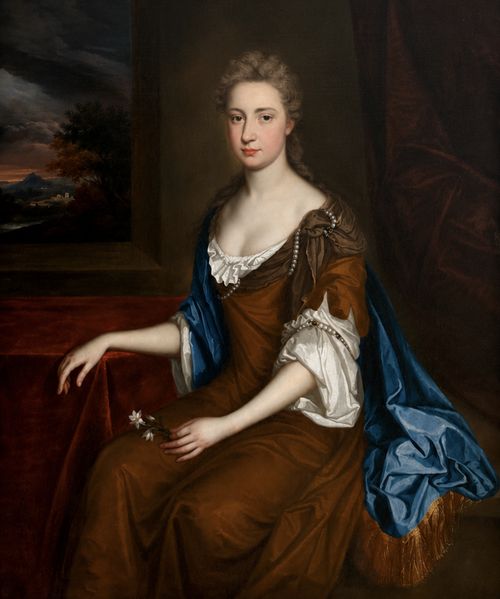
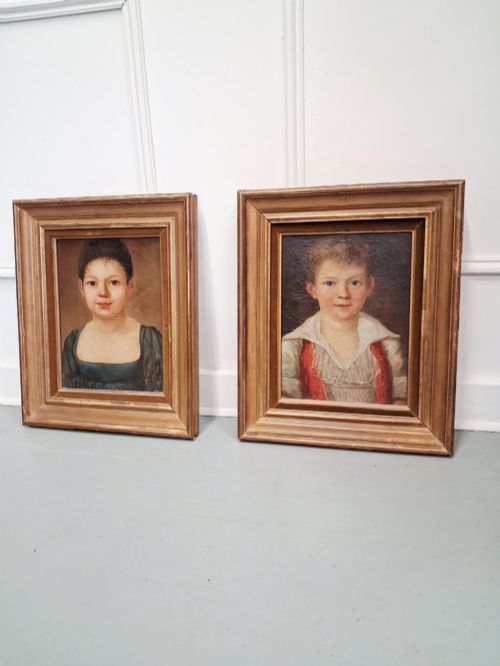
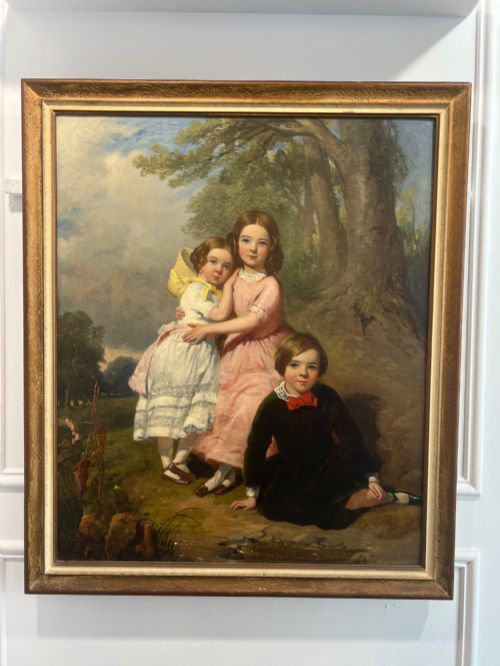
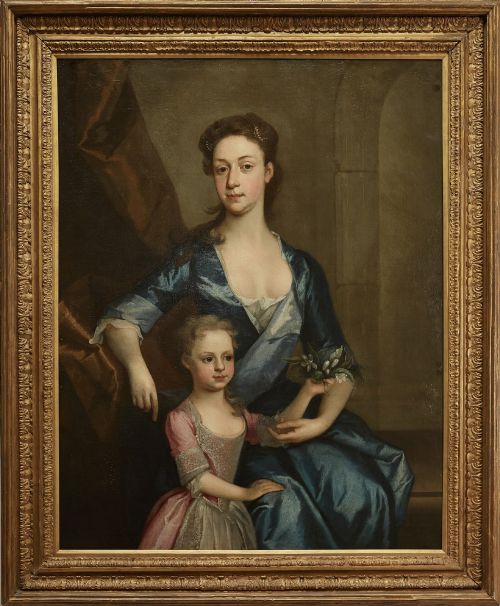
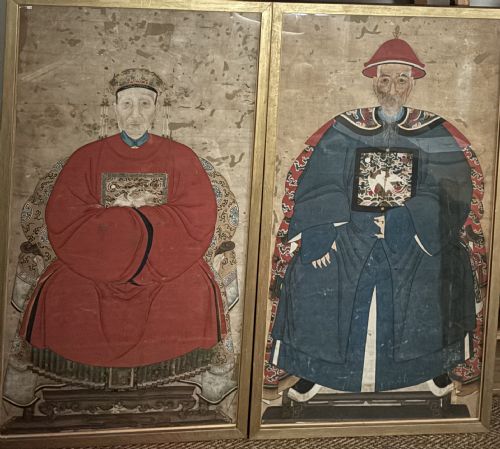
An antique family portrait captures relatives gathered together or individual members linked by lineage, spanning oil paintings, watercolours, silhouettes and mixed media works. The surviving pieces cross the Georgian, Regency and Victorian eras, as well as the opening of the twentieth century.
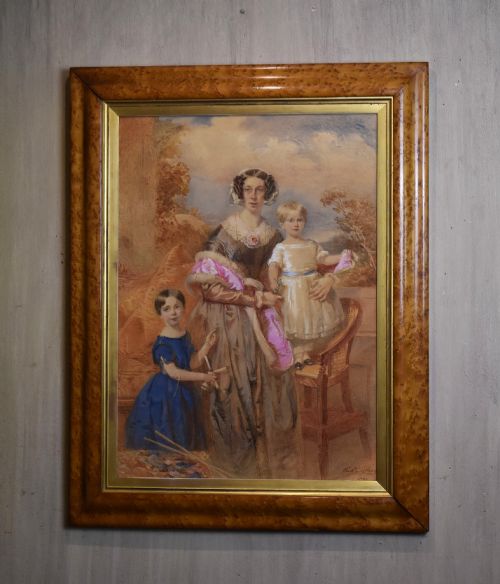
Most examples found here date from the nineteenth century, ranging from intimate watercolours of mothers and children to larger oil paintings on canvas depicting sibling groups or formal domestic scenes. British and European schools dominate the selection, including framed silhouettes and prints.
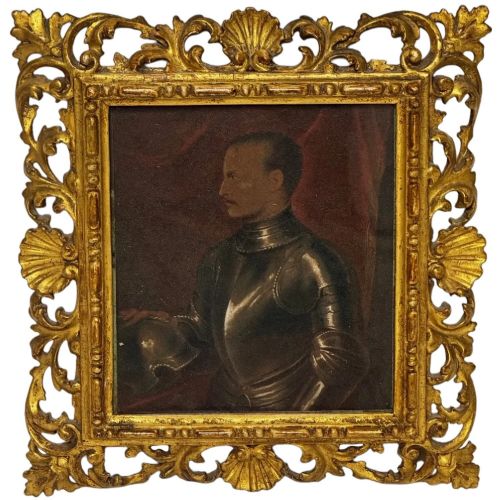
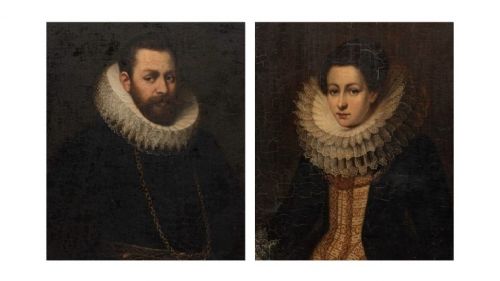
Earlier pieces from the seventeenth and eighteenth centuries appear occasionally, showing aristocratic groups or ancestral lineages. These works range from small miniatures to expansive canvas compositions framed in wood and giltwood.
Materials and construction
Painters utilised oil on canvas for substantial commissions, applying pigment to woven supports and enclosing the finished scenes in giltwood or wooden frames. Watercolour and gouache on paper served for smaller, more intimate depictions, often protected behind glass.
Mixed media and photographic prints emerge in later works from around nineteen hundred, while silhouettes utilise delicate paper cutting and dark pigments mounted within simple frames.
Retail Price Guide 2026
Typical UK retail prices for family portrait, calculated from the Sellingantiques database of over a million retail prices indexed since 2003. This retail price guide relies exclusively on Sellingantiques data; no external sources or auction records are used, so the figures do not describe the wider market.
Several family groups share canvas space with pet birds and backgammon boards.
Judging quality and execution
The sophistication of facial rendering and the handling of fabric folds distinguish ambitious commissions from standard commercial output. Master painters capture psychological depth and familial interaction, whereas lesser works rely on formulaic arrangements.
The preservation of the original medium, whether oil, watercolour or paper silhouette, significantly influences the integrity of the piece. Period frames that match the age of the artwork add considerable weight to the overall object.
Carl Adolf Mende·K And K Hof Atelier Pietzner·Georges Woodley·Frederick Cruickshank
The Antique Family Portrait Glossary
- Oil on Canvas
- Pigment mixed with drying oil applied to a stretched woven fabric support. This combination allows for rich colour depth and lasting durability.
- Watercolour on Paper
- Finely ground pigments suspended in a water-soluble vehicle applied to paper. It creates transparent washes that suit delicate domestic scenes.
- Giltwood
- Wood carved and coated with a thin layer of gold leaf. It forms the decorative borders of traditional picture frames.
- Gouache
- An opaque water-based paint that provides solid areas of colour. It often appears alongside watercolour in nineteenth-century works.
- Silhouette
- A portrait profile cut from dark paper or painted in solid black. These pieces capture likenesses through outline alone.
Frequently Asked Questions
How do I hang a heavy oil painting?
Secure fixings directly into wall studs or utilise appropriate masonry anchors depending on your wall type. Heavy frames require robust picture wire and sturdy D-rings attached firmly to the wooden stretcher.
Ensure the hanging height places the centre of the artwork at eye level. This creates a balanced display within the room.
Where should I display watercolours?
Keep watercolours away from direct sunlight to prevent the pigments and paper from fading over time. Interior walls with stable ambient light are ideal for works on paper.
Maintain moderate humidity levels in the room to protect the paper support and prevent mould or foxing.
How do I identify the period of a frame?
Examine the construction methods visible on the reverse, such as handmade mitre joints and timber types. Regency and Victorian frames often feature distinct gesso ornamentation and specific moulding profiles.
Original frames frequently show age-related wear to the gilt or paint surface that matches the canvas or paper within.
What is a silhouette portrait?
A silhouette is a profile likeness cut from black paper or painted in monochrome against a light background. These portable profiles gained popularity before photography became widespread.
Many examples feature delicate ink detailing on paper and remain preserved behind protective glass within small wooden frames.