


British School Artwork
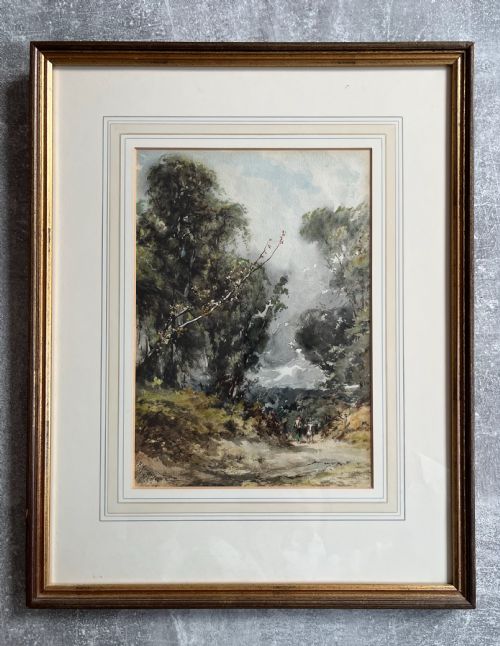
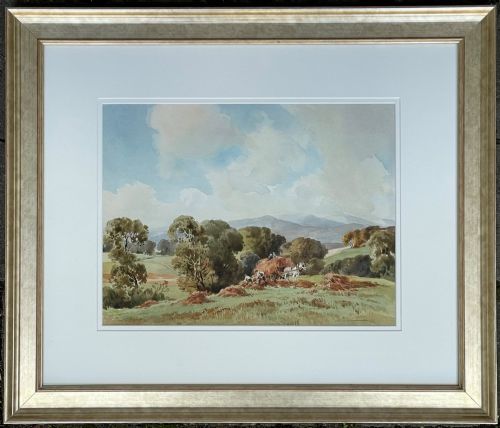
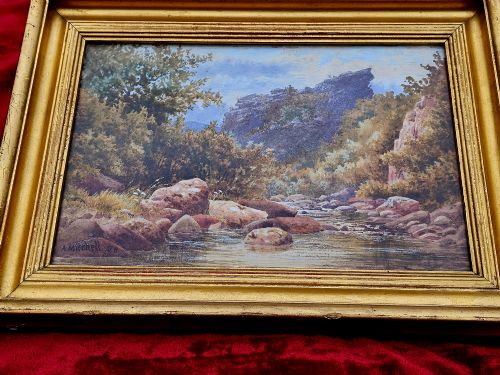
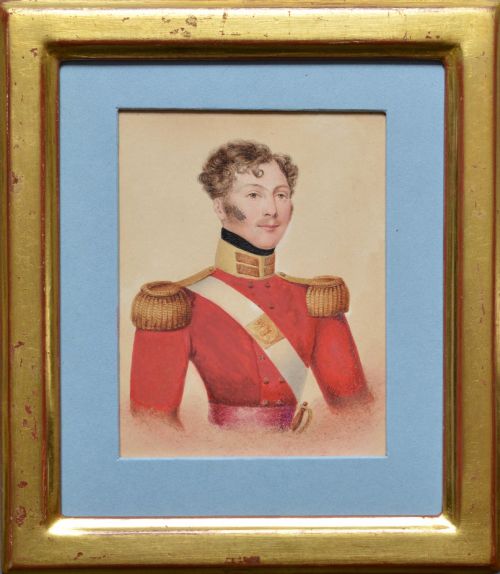
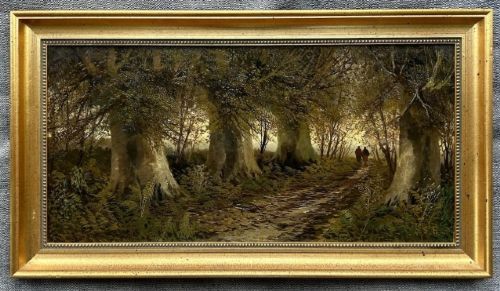
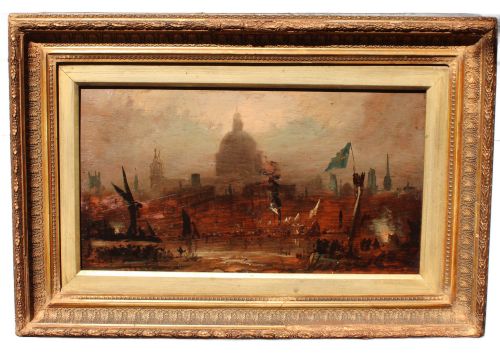
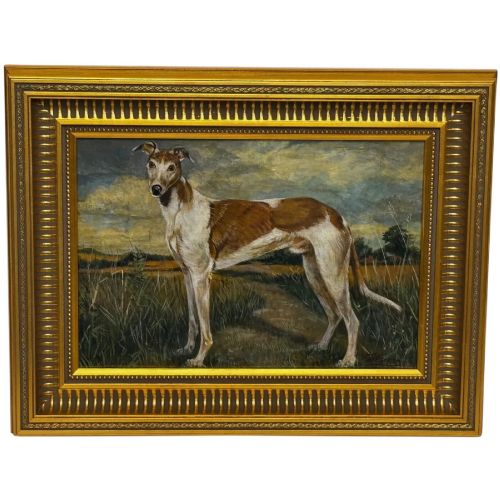
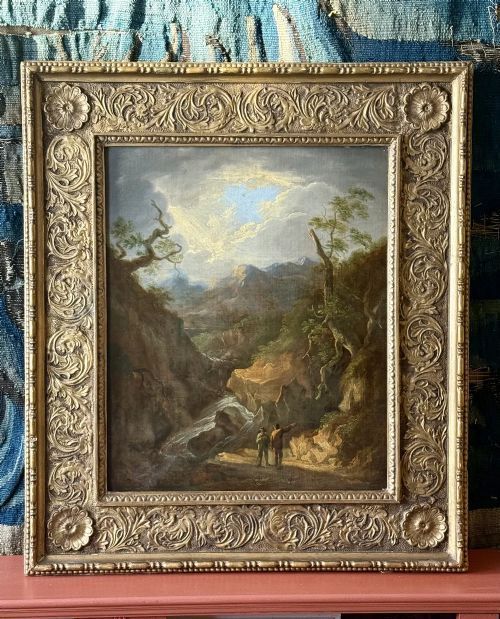
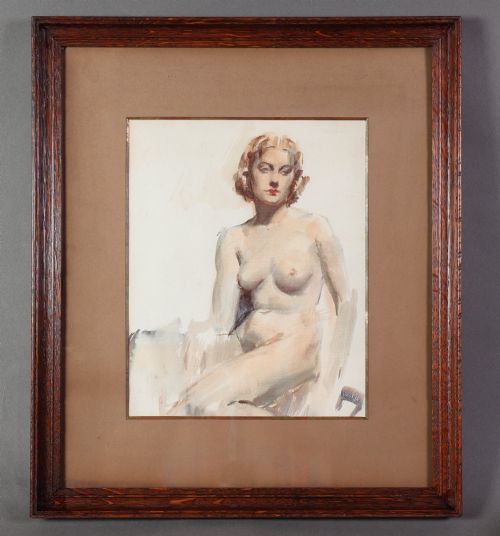
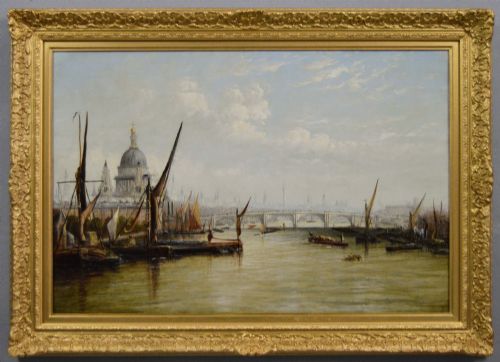
British school artwork comprises paintings, drawings, and silhouettes originating from varied periods, prized by collectors for their historical representation of landscapes and portraits.
Understanding British school artwork
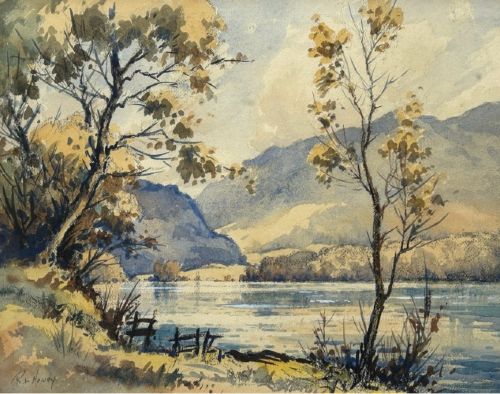
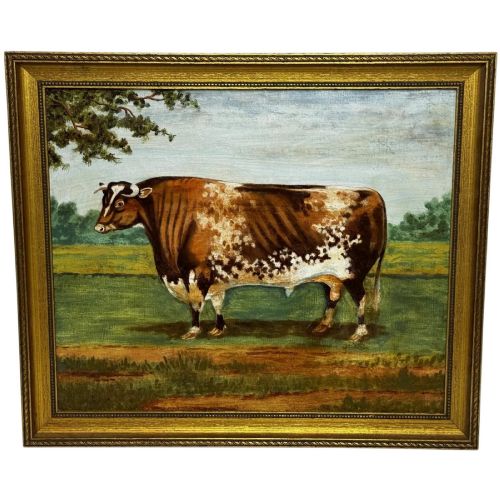
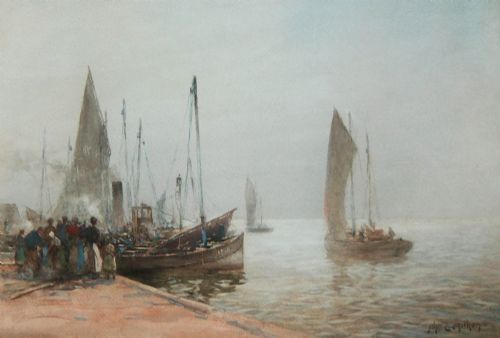
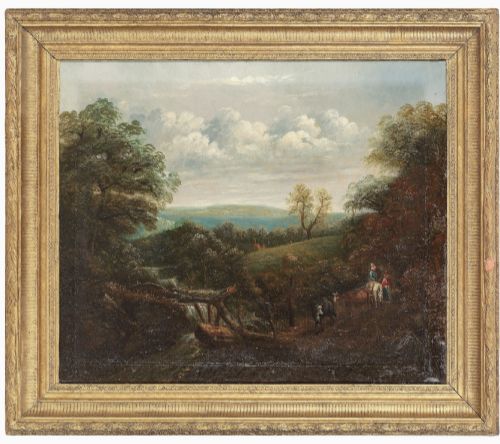
British school artwork encompasses pieces produced by domestic artists across several centuries, capturing landscapes, domestic scenes, and portraiture. When searching for british school artwork, buyers encounter diverse forms ranging from large oils to delicate silhouettes and watercolours.
The selections span the eighteenth, nineteenth, and twentieth centuries, reflecting changing aesthetic movements from Georgian classicism through to Victorian sensibilities and modern British expression. These works offer a tangible connection to historical British artistic traditions through varied mediums and subjects.
Materials and methods
Artists executed these works using oil paint applied to canvas, alongside watercolours, charcoal, black chalk, and ink on paper. Support materials often include stretched canvas and heavy paper stocks.
Frames incorporate gilded wood and plaster mouldings, which frequently match the period of the artwork enclosed within them.
Retail Price Guide 2026
Typical UK retail prices for british school artwork, calculated from the Sellingantiques database of over a million retail prices indexed since 2003. This retail price guide relies exclusively on Sellingantiques data; no external sources or auction records are used, so the figures do not describe the wider market.
An eighteenth-century rustic family observes domestic life from outside a cottage, immortalised in oil on canvas.
Assessing quality
Quality rests upon the execution of the medium and the handling of light and composition, distinguishing ambitious canvases from simpler sketches. The sophistication of the framing, utilising period gilded wood and plaster, further elevates the overall presentation.
Attribution and the clarity of artist attribution or discernible influences, such as Barbizon styles, separate standard examples from pieces carrying greater historical resonance.
John Hoppner·Arthur Netherwood
The British School Artwork Glossary
- British School
- A designation applied to works by artists trained or working in Britain, often used when an exact individual creator remains unverified.
- Barbizon Influence
- An artistic approach originating from the French landscape school that prioritised direct observation of nature, discernible in certain nineteenth-century British paintings.
- Silhouette
- A portrait representation outlined in solid black, frequently created as cut paper or ink work during the Victorian era.
- Watercolour
- A painting method where fine pigment is suspended in a water-based solution, commonly utilised on paper supports for topographical and architectural subjects.
Frequently Asked Questions
What defines british school artwork?
These pieces represent works created by artists working within the British tradition across various historical periods, frequently lacking a definitive individual attribution.
They encompass mediums such as oil on canvas, watercolours, and silhouettes.
How do I date these works?
Dating relies on stylistic clues, materials such as canvas types, and associated framing using gilded wood and plaster.
Historical costume and subject matter within portraits and landscapes also provide clear chronological markers.
Where were these pieces displayed?
Historically, these artworks hung in domestic parlours, country houses, and urban residences as decorative family records or scenic interior elements.
Framed silhouettes and watercolours suited smaller rooms, while large oil paintings occupied principal reception spaces.
How should I care for them?
Preservation requires avoiding direct sunlight and maintaining stable humidity to protect paper, canvas, and gilded wood frames.
Glazed pieces like silhouettes and watercolours benefit from conservation-grade backing to prevent deterioration.