





Sepia Watercolour Landscape
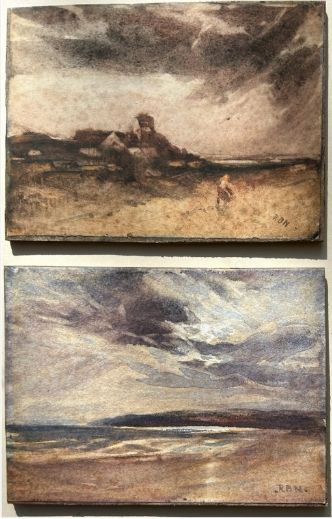
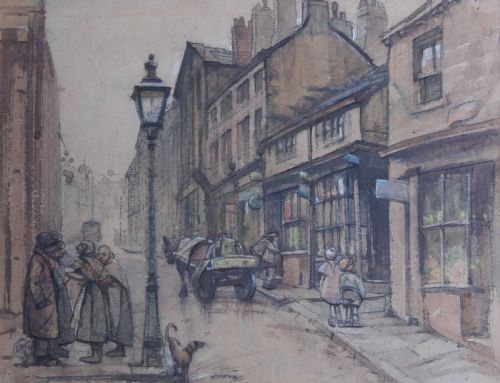
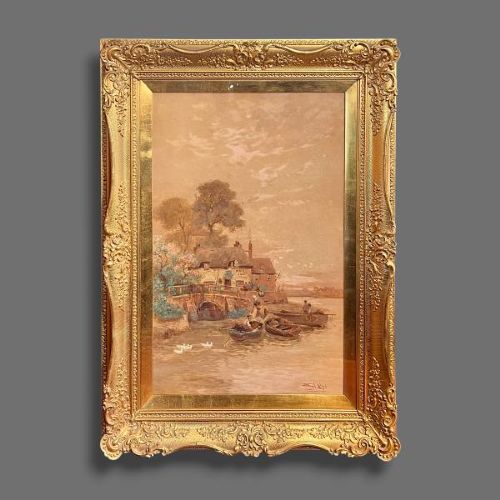
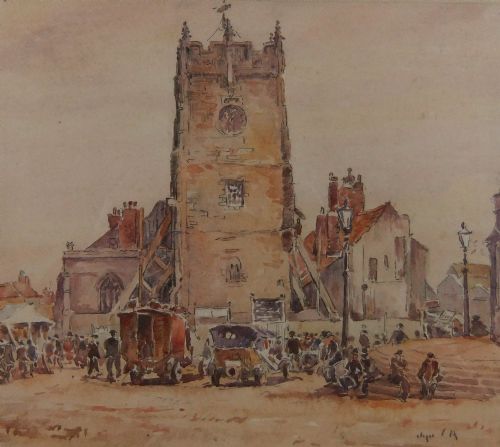
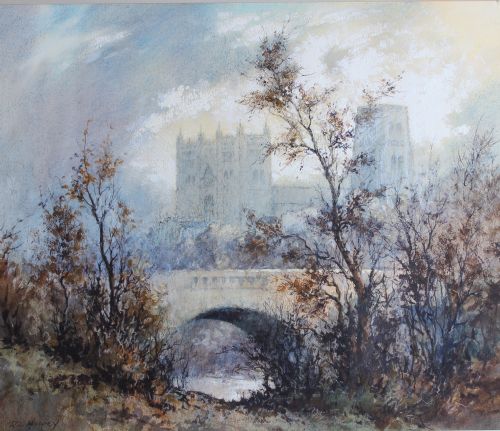
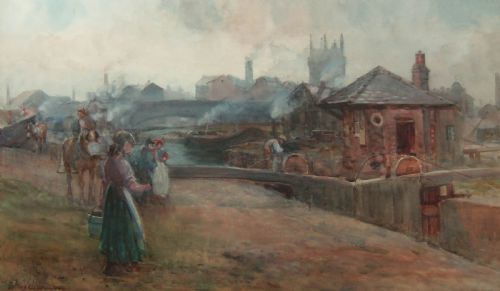
These sepia watercolour landscape works capture views using tones of brown ink and pigment on paper.
Sepia Watercolour Landscape
A sepia watercolour landscape offers a monochromatic study of natural scenery, towns, and coastal harbours executed primarily in shades of brown. When exploring these works, buyers encounter pieces originating from the Georgian period through to the mid-20th century.
The selection ranges from early 19th-century military scenes and Highland views to Edwardian streetscapes and river towns. Most examples on this page date from the 19th and early 20th centuries, reflecting British landscape traditions.
Artists record specific locations such as Durham Cathedral, Whitby Harbour, and the Grand Canal in Venice. These paintings frequently arrive framed in wood, occasionally under glass.
How They Were Made
Painters applied watercolour pigment and ink onto paper supports, often beginning with pencil underdrawing to map out architectural elements and topography. The monochrome palette relied on sepia ink or pigment to build tonal depth through washes and fine lines.
Finished works were typically mounted and set behind glass within wood frames, sometimes utilising burr wood mouldings. This method protected the paper from atmospheric damage while framing the composition for display.
Sepia Watercolour Landscape Retail Price Guide 2026
Typical asking prices for sepia watercolour landscape among the pieces listed under this phrase on Sellingantiques today, from the lower quarter to the upper quarter. They describe what is for sale here now, not the wider market.
Listings feature works executed on paper using watercolour pigment, ink, and gouache across the 18th, 19th, and 20th centuries.
What Varies in Quality
The strength of the composition and the confidence of the brushwork distinguish the finest examples from standard topographical records. Masterful handling of light and shadow creates atmospheric depth that elevates a simple architectural or rural view.
The condition of the paper and the preservation of the delicate pigment tones influence the integrity of the piece. Strong provenance, legible signatures, and original period framing contribute to the standing of an individual work.
John Smith Atherton·Robert Leslie Howey·Charles James Lauder·J W Hogley·George Arthur Fripp·Frederick William Booty·Leslie Rackham·William Wyld·Henry Barlow Carter·Hercules Brabazon Brabazon·Samuel Palmer·W Tatton Winter·Amos Green·Frank W Scarborough·Harry Wanless·Thomas Clavering Alder·George Graham·Walter Emsley·Arthur Netherwood·Fred Lawson·George De Paris·Thomas Rowlandson
The Sepia Watercolour Landscape Glossary
- Sepia
- A brown pigment historically derived from the ink sac of the cuttlefish. It provides the characteristic warm monochrome tones found in these landscapes.
- Gouache
- An opaque watercolour paint containing pigment mixed with a binding agent and white material. It creates heavier, solid highlights alongside translucent washes.
- Wash
- A thin, fluid layer of diluted watercolour pigment spread evenly across paper. Artists utilise washes to establish skies, water, and broad shadow areas.
- Topography
- The detailed mapping and artistic representation of specific geographical locations or townscapes. Many period watercolours functioned as accurate records of particular buildings and rivers.
- Provenance
- The documented history of ownership of an artwork from its creation to the present day. Clear provenance helps verify attribution and date.
Sepia Watercolour Landscape: Frequently Asked Questions
How should I hang a watercolour painting?
Watercolour paintings require protection from direct sunlight to prevent the pigment and paper from fading over time. Position them on interior walls away from intense natural light.
Ensure the room maintains stable humidity levels to protect both the paper support and the wood frame. Using conservation glass during any reframing provides an extra layer of protection.
What periods do these paintings cover?
The works span from the Georgian era through the Victorian and Edwardian periods into the mid-20th century. This broad timeframe captures evolving British watercolour traditions.
Earlier examples often depict topographical views and military scenes, while later 20th-century pieces reflect the shifts towards British Impressionism and regional townscapes.
Are these works signed by the artists?
Many pieces feature artist signatures or inscriptions detailing the location directly on the front or reverse of the paper. Signed works often provide clearer links to recorded painters.
Unsigned pieces frequently appear as well, attributed through style, subject matter, and period framing to specific regional schools of British art.
What materials are used in these works?
The primary components consist of paper supports marked with watercolour pigment, ink, and occasionally gouache highlights. Pencil underdrawings remain visible in several compositional studies.
Protective enclosures typically involve wood frames, glass glazing, and backing boards. Burr wood mouldings appear on select period frames.