



Vintage Landscape Wall Art
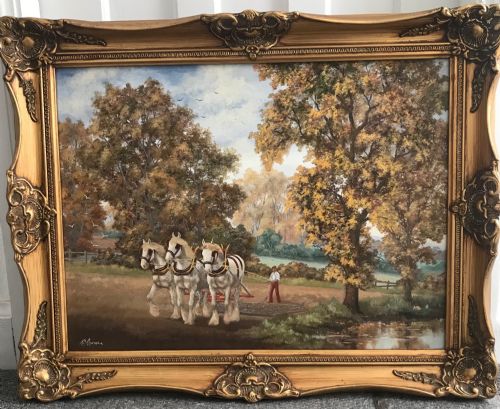
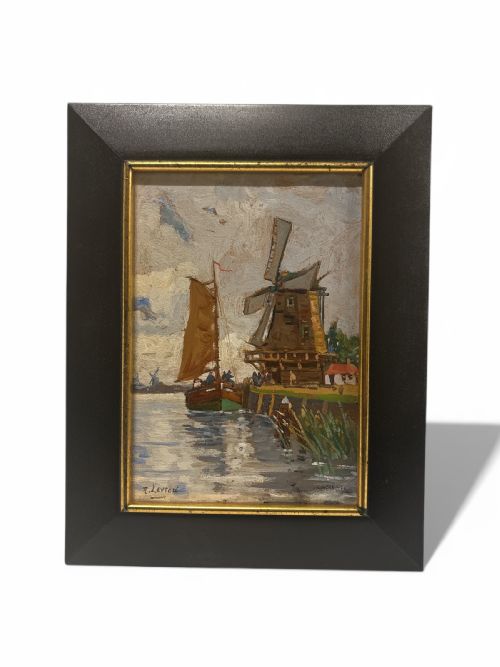
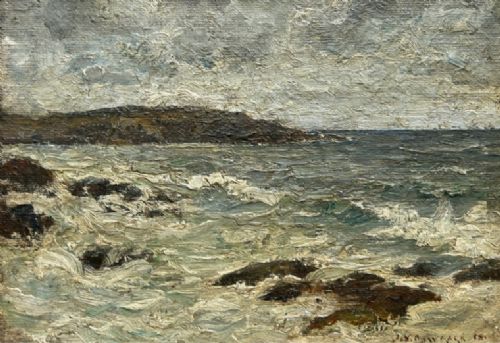
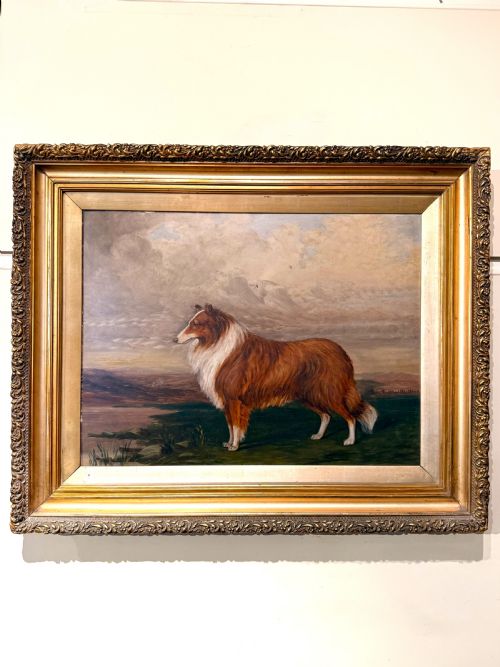
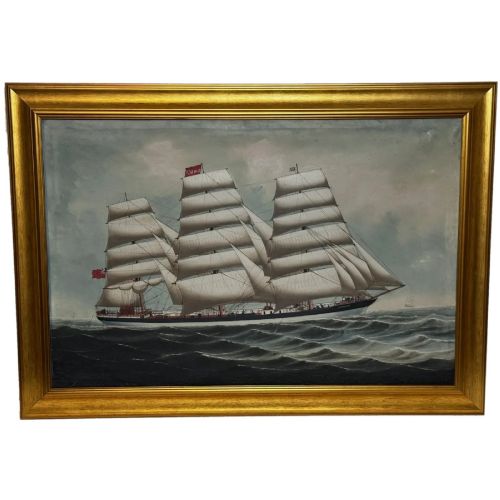
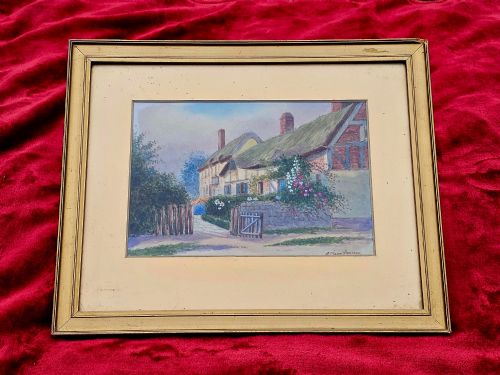
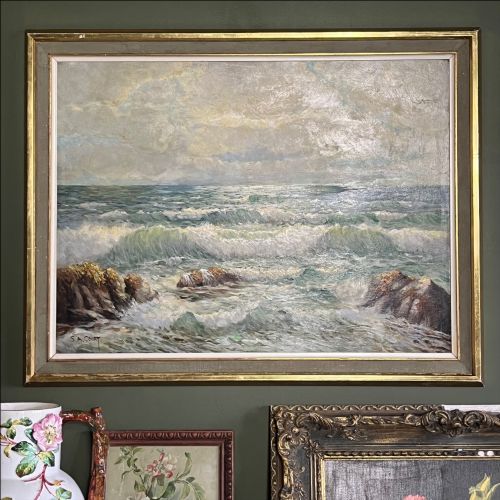
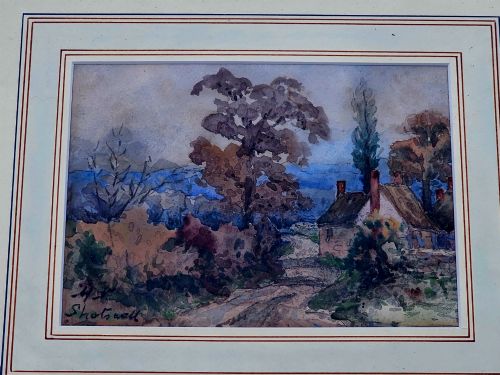
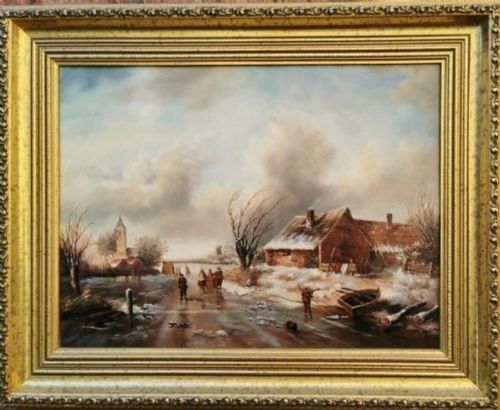
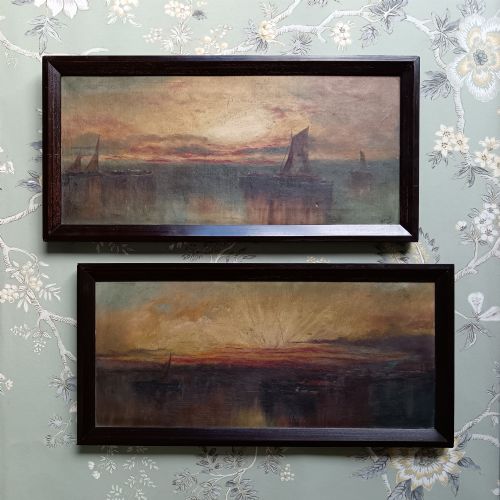
These vintage landscape wall art pieces capture countryside vistas, coastal views and rural scenes through oil and watercolour.
Vintage Landscape Wall Art
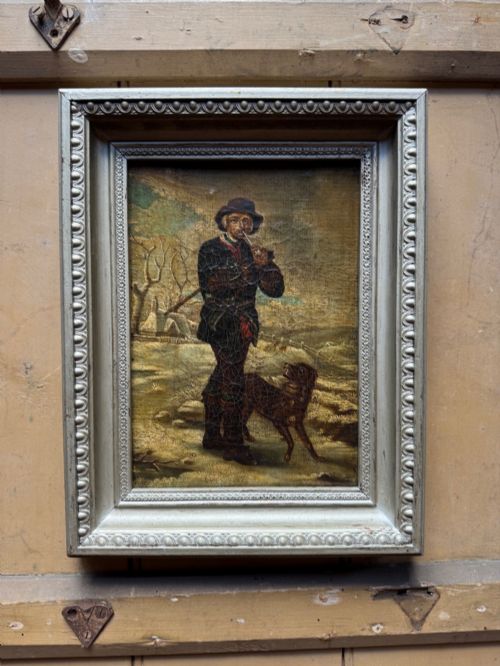
When you search for vintage landscape wall art, you encounter framed watercolours, oil paintings on board or canvas, and prints dating from the Victorian era through the mid twentieth century. These works capture rivers, woodlands, coastal seascapes and rural harbours painted by regional artists.
You are most likely to meet mid twentieth century watercolours of lake districts, early twentieth century oil paintings of woodland scenes, and late nineteenth century coastal watercolours on this page. The subjects range from Scottish highlands to Cornish harbours, recorded in styles from British impressionism to realism.
The format of vintage landscape wall art varies from small intimate wood panels to large canvas works in original gilt frames. Many pieces carry signatures, dates or attribution to British and European painters who worked en plein air.
Materials and methods
Painters applied oil and watercolour pigments onto stretched canvas, wooden panels, heavy paper and board. Artists built up textures using impasto techniques or laid down thin washes to capture atmospheric light and weather.
Makers housed these works in wooden frames, frequently finished with gilt decoration. Glazed frames protected paper and watercolour works from moisture and handling damage.
Vintage Landscape Wall Art Retail Price Guide 2026
Typical asking prices for vintage landscape wall art among the pieces listed under this phrase on Sellingantiques today, from the lower quarter to the upper quarter. They describe what is for sale here now, not the wider market.
Several canvases capture cows, horses and sheep standing steadfastly through changing British weather.
Assessing quality
Quality rests in the handling of light, brushwork confidence and the artist's ability to render atmosphere and depth. Stronger pieces display assured perspective and dynamic composition rather than rigid mechanical copying.
The integrity of the original support, stability of the paint layer and survival of the period frame contribute to the desirability of a piece. Works retaining legible signatures or documented provenance hold greater historical weight.
Kenneth Cozens·William H Myers·Tom Campbell·Alfred Young Nutt·Reginald Arthur Borstel·Sidney A Court·Robert Leslie Howey·Kershaw Schofield·George Houston·Herbert Royle·John E Aitken·William Banks Fortescue·Thomas W Lascelles·James Kay·Augusto Alberici·Gabriel Mathieu·Thomas Smythe·Charles Houben
The Vintage Landscape Wall Art Glossary
- En plein air
- Painting outdoors to capture natural light and direct observation. This method gained popularity in the nineteenth century.
- Impasto
- Thick application of paint that stands out from the surface. It creates a textured, tactile quality in oil paintings.
- Gilt wood
- Wood coated with gold leaf or metallic paint. It provides decorative framing for traditional paintings.
- Watercolour
- Paint using water-soluble pigments on paper. It produces translucent washes and delicate tonal shifts.
- Post-Impressionism
- An art style extending impressionism while rejecting its limitations. Artists emphasised symbolic content and vivid colours.
Vintage Landscape Wall Art: Frequently Asked Questions
How do I date an oil painting?
Examine the canvas type, stretcher construction, and style of the signature. Pigment analysis and framing materials also offer clues to the period.
Artists often inscribed dates or location notes on the reverse of wood panels and canvas stretchers. Comparing these details with known working dates of the painter helps confirm the era.
Where should I hang these artworks?
Display paintings away from direct sunlight and damp walls to protect canvas and paper. Stable indoor temperatures prevent warping in wood panels.
Choose wall spaces that complement the scale of the frame. Adequate spacing allows the composition to be viewed without visual clutter.
What is the difference between oil and watercolour?
Oil paint uses slow drying pigments suspended in oil, allowing thick application and easy blending. Watercolour relies on water-soluble pigments on paper, creating luminous, transparent effects.
Oils require rigid supports like canvas or board, while watercolours need protection behind glass to prevent moisture damage.
How do I identify a reproduction from an original?
Original paintings show brush texture, raised paint edges, and distinct pigment layers under magnification. Reproductions display uniform dot patterns or flat printed surfaces.
Check for artist signatures that sit above the paint layer or paper fibres that match the stated historical period.