
Antique Wool Tapestry
When you handle antique wool tapestry, you touch centuries of woven narrative, heavy fibre and deliberate domestic art.
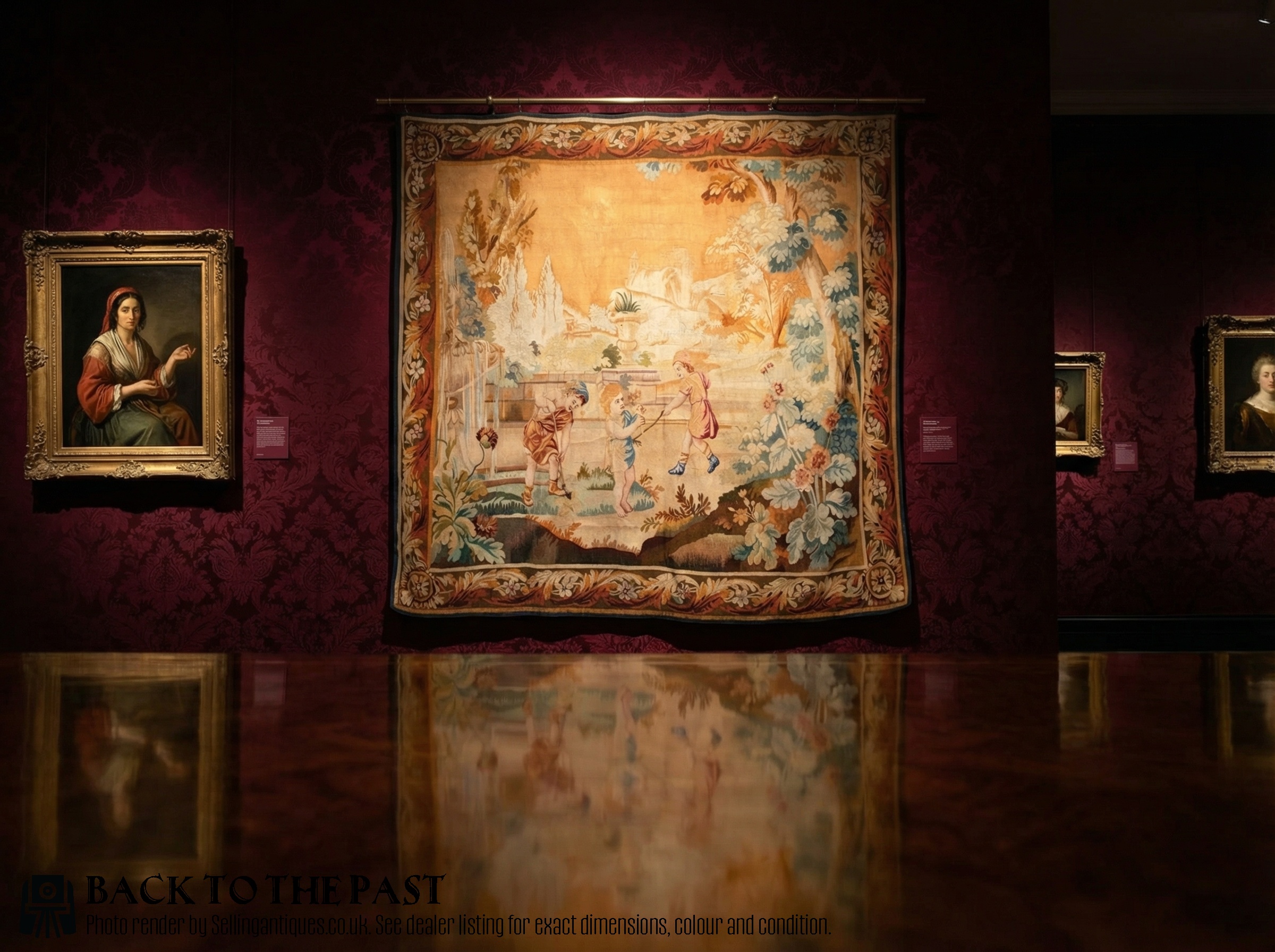
Antique Wool Tapestry
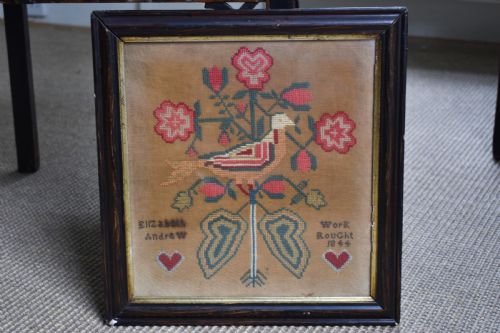
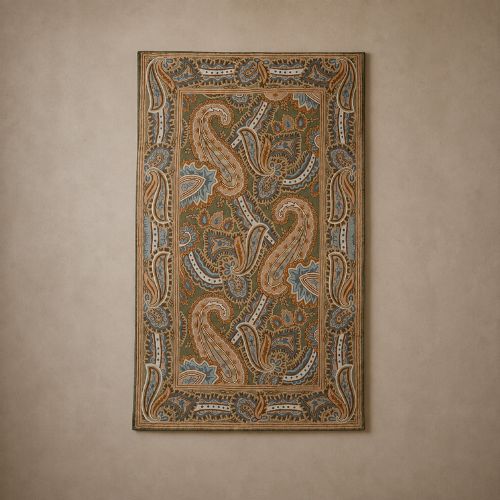
An antique wool tapestry brings heavy woven textile art and needlework into domestic spaces, functioning primarily as wall hangings, framed pictures, rugs, and decorative panels. When you search for antique wool tapestry, you meet pieces that range from grand French verdure scenes to small Victorian woolwork samplers and tribal weavings.
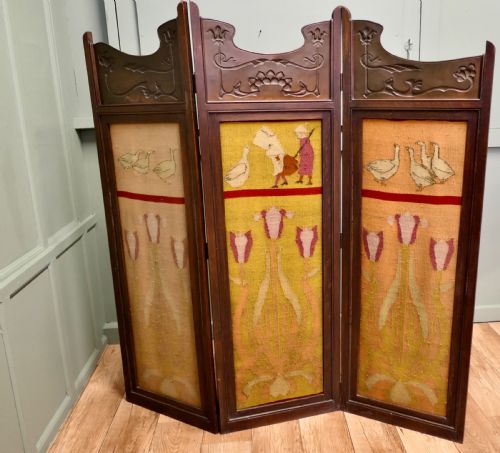
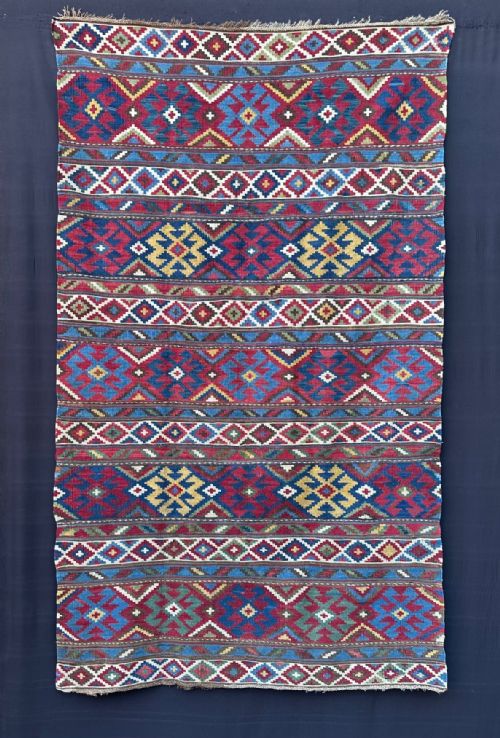
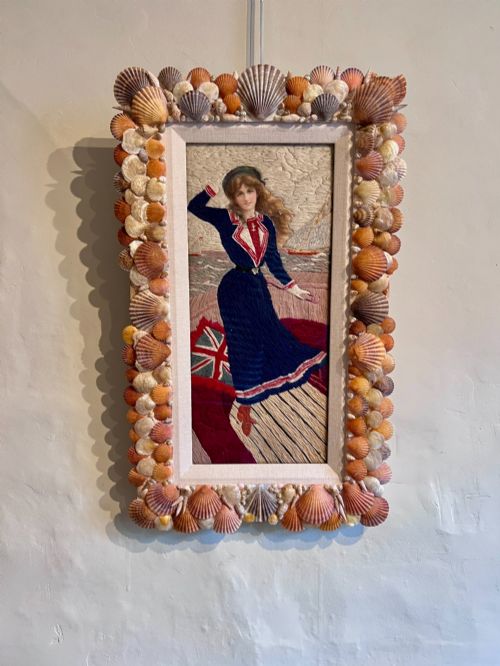
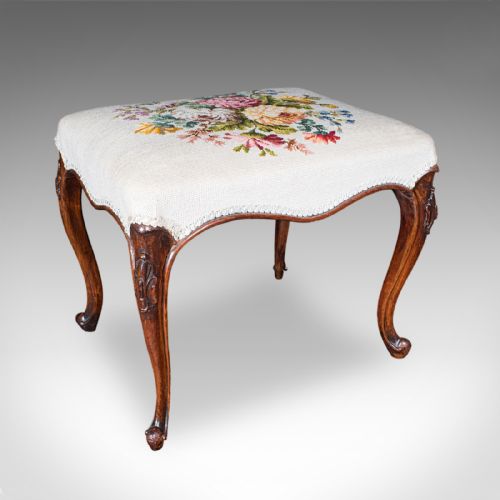
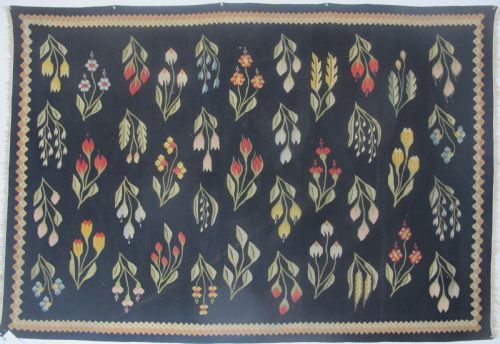
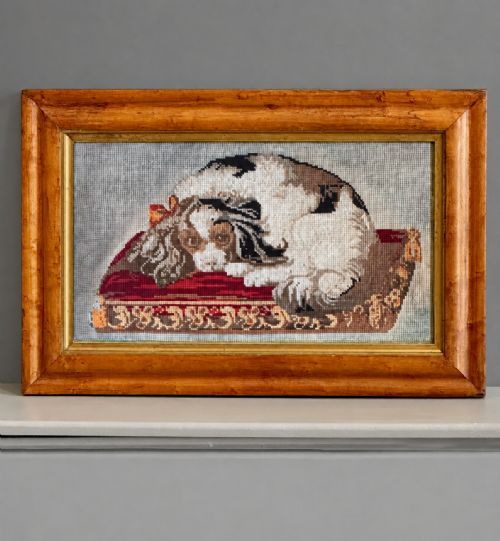
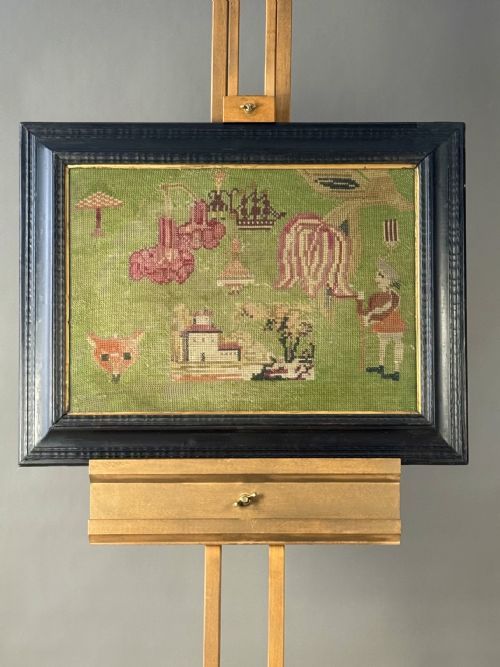
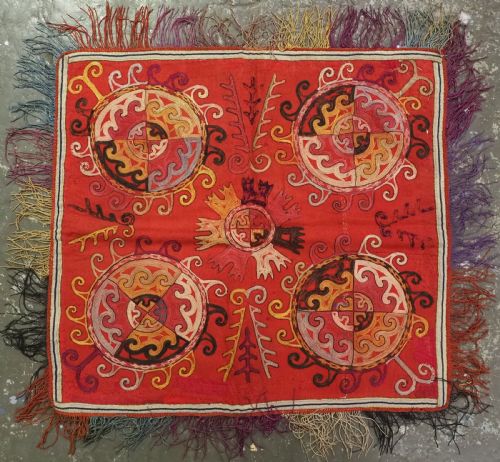
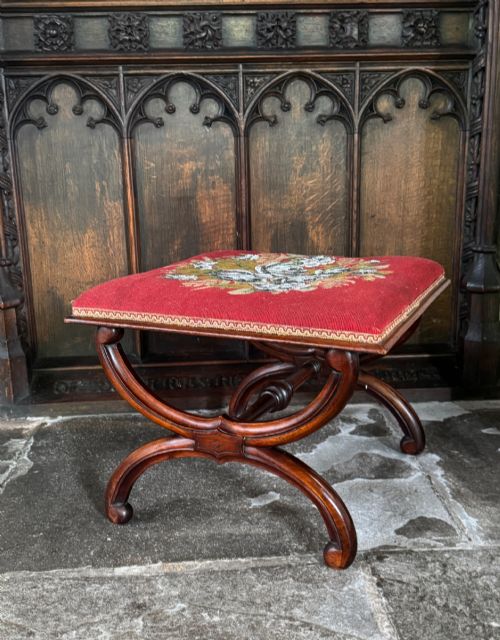
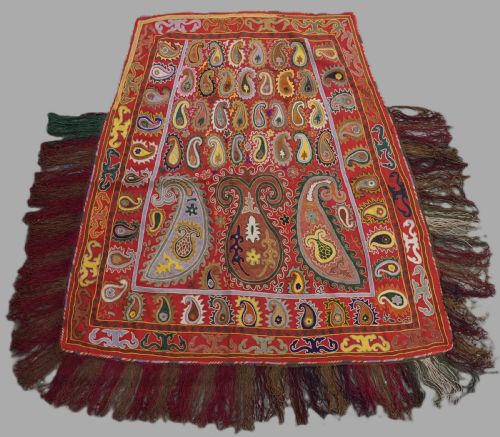
The pieces on this page span several centuries, with particular strength in Victorian needlework, 18th century European panels, and Central Asian tribal trappings. Wall hangings and embroidered textiles dominate the selection, alongside functional items like fireside footstools and folding screens fitted with wool panels.
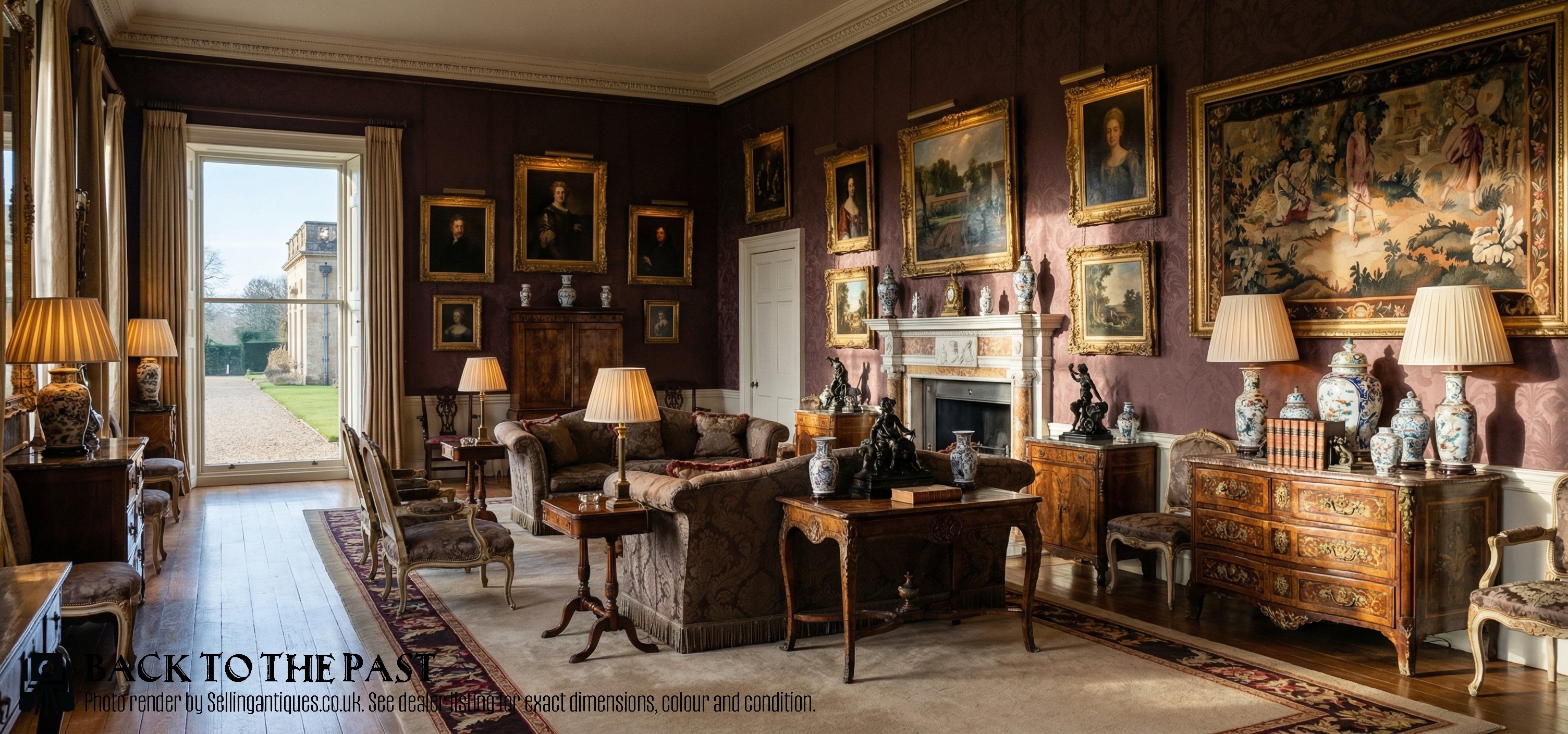
How they were made
Maker construction relies on natural wool yarns, often combined with silk, cotton, and linen on sturdy canvas, wooden, or linen foundations. Weaving and embroidery techniques include needlepoint, petit point, crewelwork, plushwork, and traditional loom weaving.
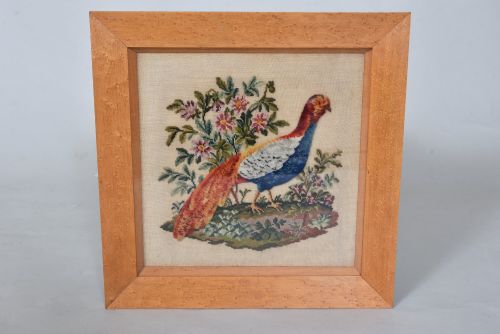
Workshops and makers mounted completed textiles onto wooden stretchers, framed them in burr maple, rosewood, or oak, or applied them to furniture frames made of walnut and oak.
Antique Wool Tapestry Retail Price Guide 2026
Typical asking prices for wool tapestry among the pieces listed under this phrase on Sellingantiques today, from the lower quarter to the upper quarter. They describe what is for sale here now, not the wider market.
Materials recorded across the archive include wool, silk, cotton, oak, walnut, canvas, and linen.
What varies in quality
Quality rests on the density of the stitch, the complexity of the design, and the survival of the original material. Fine needlework and high-weave verdure tapestries show intricate shading and precise detail, whereas naive or folk art pieces rely on simpler geometric and pictorial forms.
The integrity of the wool fibres and the survival of original frames or mounts also dictate the standing of a piece. Finer examples retain deep, natural dye colours and tight structural integrity across the backing canvas or linen mount.
The Antique Wool Tapestry Glossary
- Verdure tapestry
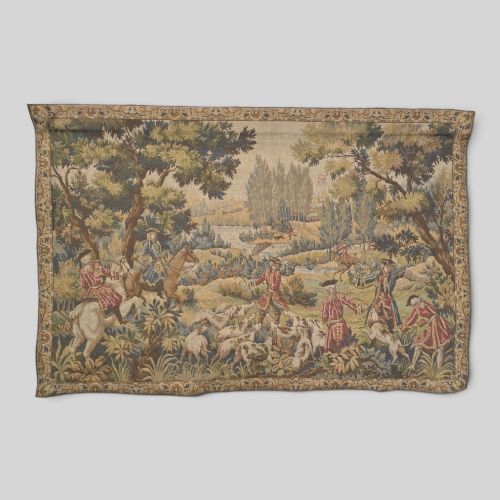
- A woven wall hanging featuring a stylized landscape or woodland scene filled with foliage, trees, and often animals. These panels originate primarily from French and Flemish workshops.
- Berlin work
- A type of counted-thread embroidery using brightly coloured wool on canvas, popular during the 19th century and often guided by printed grid patterns. It produced vibrant pictures of animals, figures, and biblical scenes.
- Crewelwork
- Embroidery executed in wool yarn using a variety of stitches on a linen or cotton twill ground. This technique creates rich, textured surface patterns seen in early English panels.
- Asmalyk
- A pentagonal trapping used to decorate camel caparisons during wedding processions among Turkmen tribes. They feature distinct geometric designs woven in wool.
- Kilim
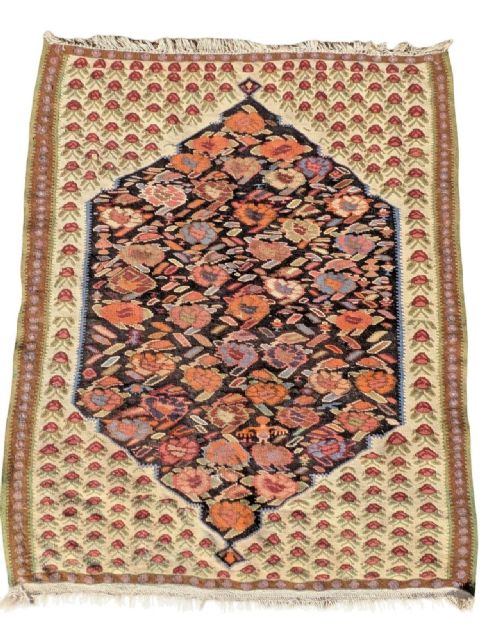
- A flatwoven carpet or rug produced in regions including the Caucasus and Central Asia. They lack a pile, relying on interlocking weft threads to form sharp geometric motifs.
Antique Wool Tapestry: Frequently Asked Questions
How do I hang a heavy tapestry?
Large textile panels require an even distribution of weight across a wooden batten or a hidden stitched sleeve. Sew a heavy-duty cotton pocket along the top reverse edge and slide a flat metal bar through.
Avoid using direct nails or pins through the wool fabric itself, as this strains the individual fibres and weakens the textile over time.
Where were antique tapestries displayed?
Wealthy European households hung large verdure and figural tapestries in principal rooms to insulate stone walls and display status. Smaller needlework pictures and samplers stayed in private parlours and bedrooms.
Tribal trappings and saddle covers served ceremonial and domestic functions within nomadic communities before entering the collector market.
How do I date a wool needlework piece?
Dating relies on stylistic clues, framing materials, and the twist of the wool yarns. Victorian Berlin work often uses bright synthetic aniline dyes, whereas 17th and 18th century pieces employ softer, vegetable-dyed wools.
Backing fabrics, canvas types, and mounting techniques also provide firm indicators of the period of execution.