


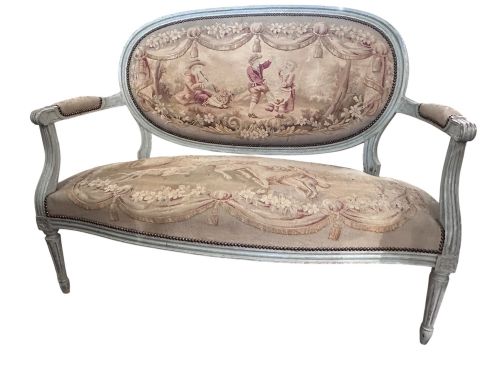
Aubusson Style Tapestry
An aubusson style tapestry brings historic French pastoral scenes and grand chateau elegance directly onto a wall.
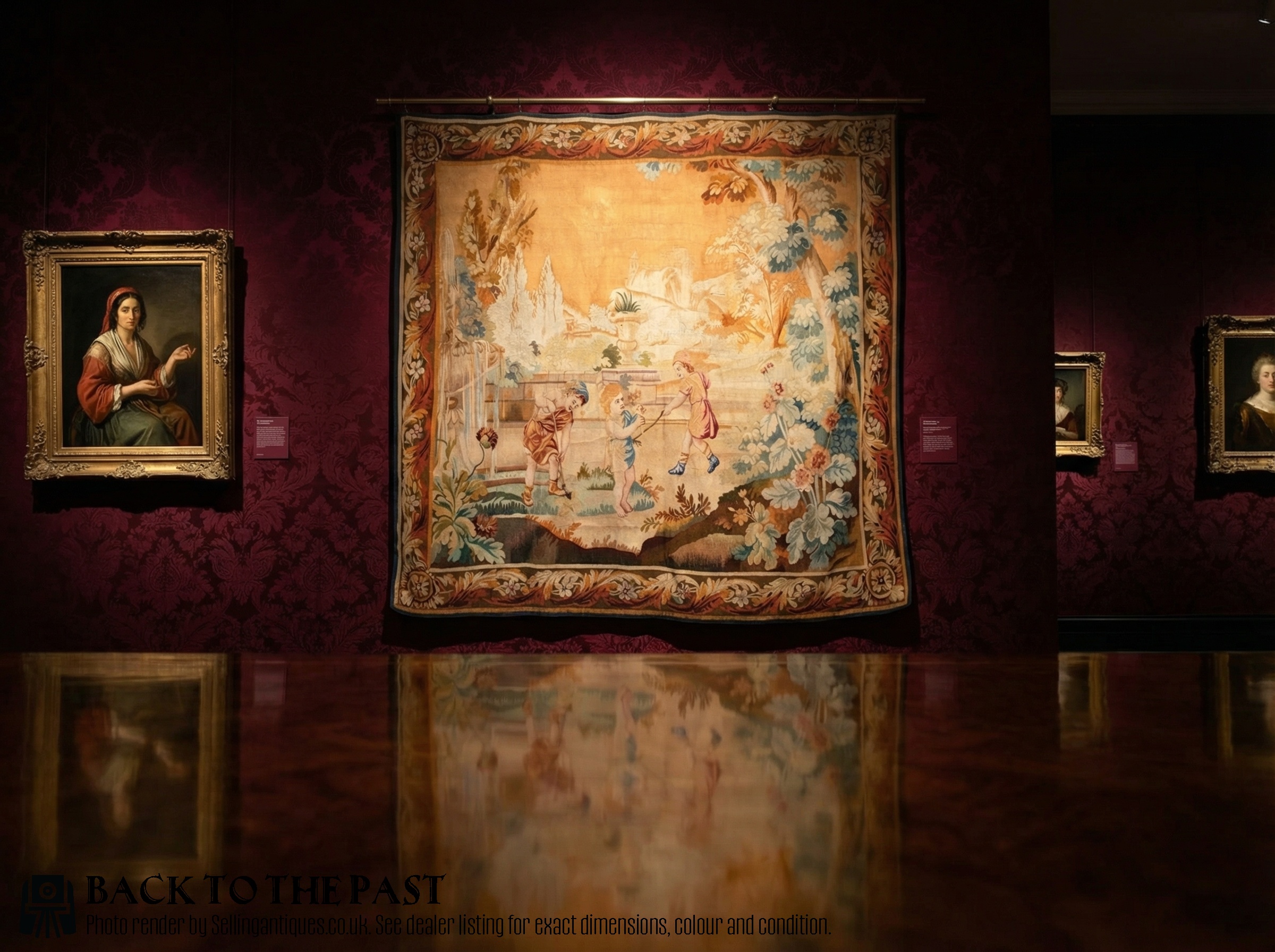
What aubusson style tapestry pieces are
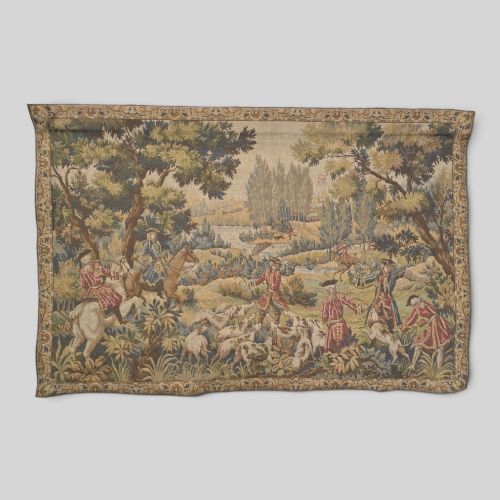
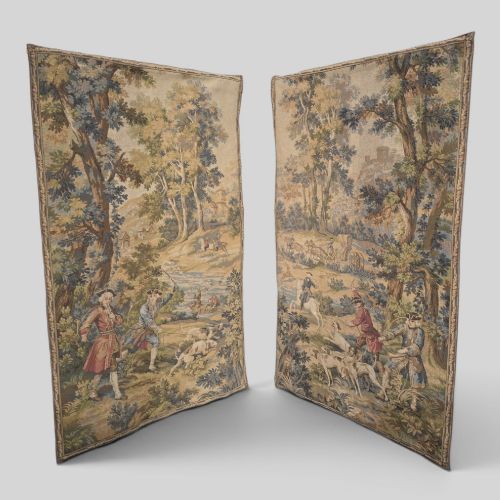
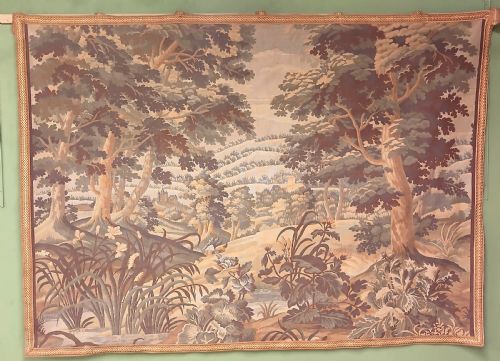
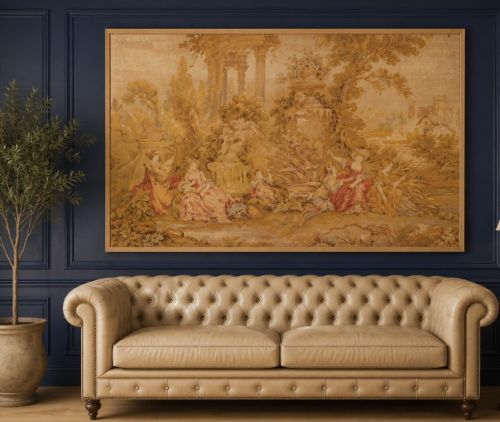
When you search for an aubusson style tapestry, you encounter wall hangings, framed panels, rugs and upholstered seating spanning the eighteenth, nineteenth and early twentieth centuries. These decorative works draw upon traditional French baroque, rococo and neoclassical styles to create ornate interior decoration.
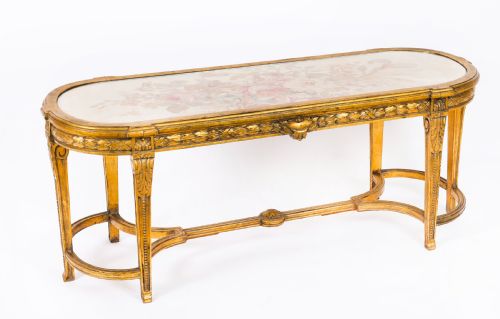
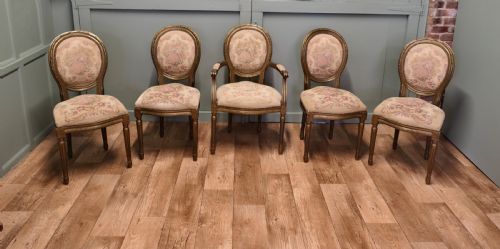
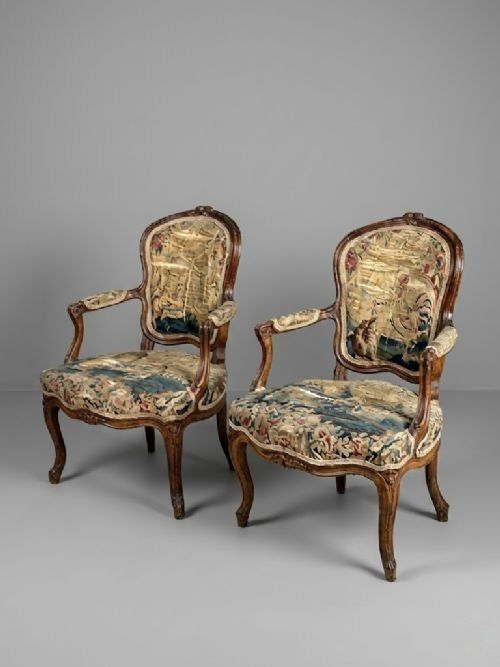
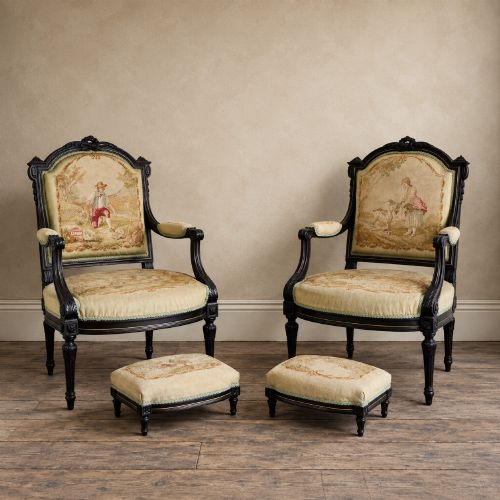
The pieces listed on this page most commonly appear as large wall hangings and tapestries originating from France. You also find them integrated into period furniture such as giltwood armchairs and salon suites, alongside floor rugs sharing the same pictorial textile language.
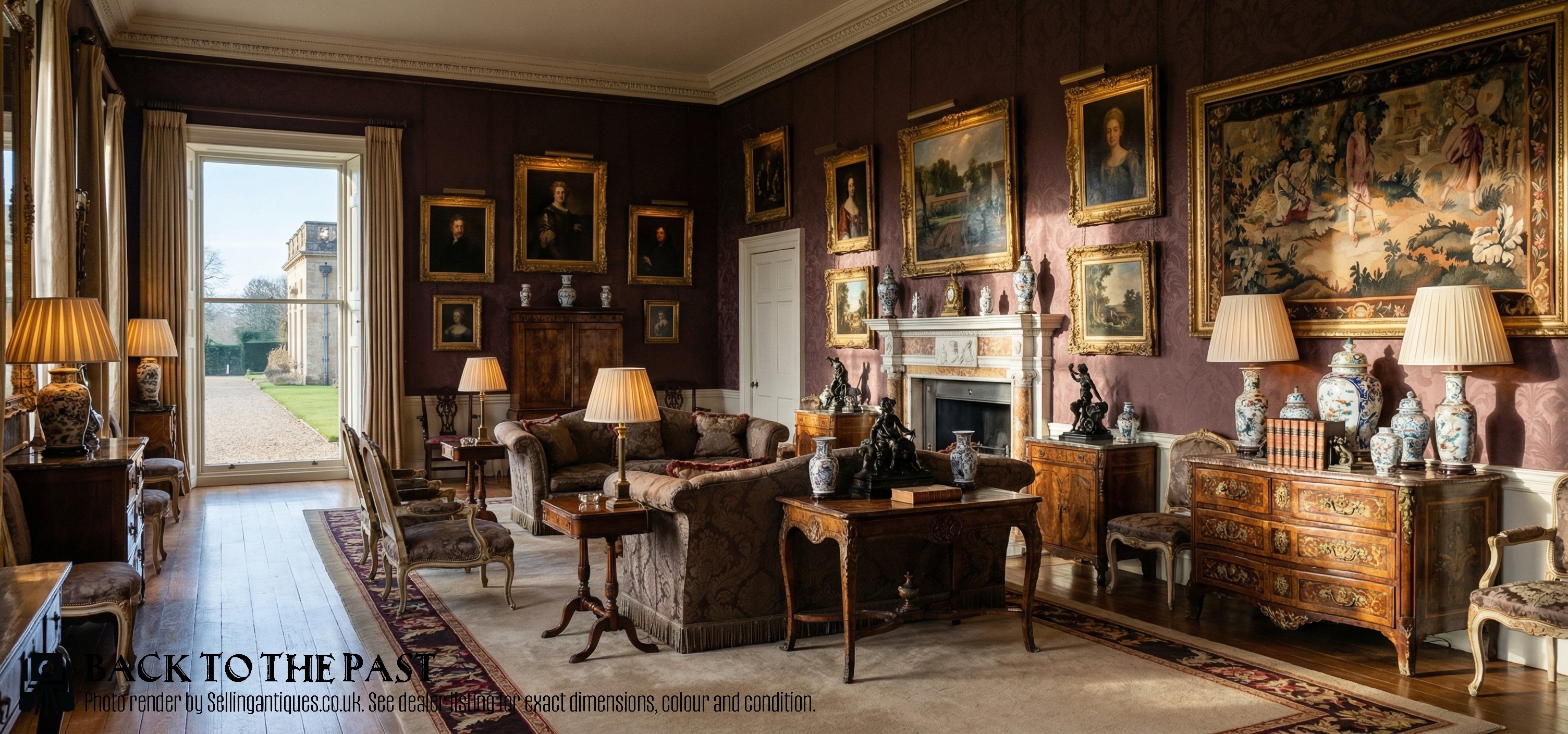
How they were made
These textiles utilise a combination of wool, cotton and silk fibres woven together to build complex pictorial scenes. Artisans construct rich colour palettes and intricate designs by interweaving these traditional threads on specialised looms.
Many of the wall pieces and panels rely on a timber frame to maintain structural rigidity when displayed. Some upholstered examples also incorporate brass detailing alongside carved wooden elements to finish the piece.
Retail Price Guide 2026
Typical UK retail prices for aubusson style tapestry, calculated from the Sellingantiques database of over a million retail prices indexed since 2003. This retail price guide relies exclusively on Sellingantiques data; no external sources or auction records are used, so the figures do not describe the wider market.
Listings in this category feature periods spanning from the eighteenth century through to the early twentieth century, utilising wool, cotton, silk, timber frames and brass.
What varies in quality
The distinction between ordinary and exceptional examples rests upon the density of the weave and the complexity of the figural or pastoral imagery. Finer pieces demonstrate careful shading and precise control over wool and silk threads to create depth.
Material selection and structural framing further separate standard production from high-end works. Items retaining original frames, distinct period carving or untouched surface paint command greater attention from discerning collectors.
The Aubusson Style Tapestry Glossary
- Aubusson style tapestry
- A woven textile design emulating the historic pictorial workshop traditions of Aubusson in France. These works typically depict pastoral landscapes, floral motifs or classical figures.
- Wall hanging
- A textile intended to be mounted directly onto a vertical interior surface rather than used upon the floor. They provide substantial decorative warmth to large rooms.
- Giltwood
- Timber treated with a thin layer of gold leaf applied over a prepared ground. This technique creates a bright metallic finish seen on eighteenth and nineteenth-century furniture frames.
- Rococo revival
- A nineteenth-century design movement resurrecting the asymmetric scrolls, shell motifs and naturalistic curves of the earlier French eighteenth-century style.
Frequently Asked Questions
How do I hang a large tapestry?
Most large wall hangings require a hidden timber batten or a sturdy metal rod secured through a sleeve along the top reverse edge. This distributes the weight evenly across the wall without straining the historic fabric.
Ensure you mount the hanging away from direct sunlight to prevent fading of the wool, cotton and silk threads over time.
Are these pieces genuinely old?
The pieces span multiple periods, including original eighteenth-century creations and later nineteenth or early twentieth-century interpretations. Examining the back of the textile and the wear on the fibres helps establish the approximate age.
Period framing and hardware on mounted panels also offer reliable clues to the exact era of manufacture.
What is the difference between a rug and a wall hanging?
While both utilise the same pictorial weaving techniques, rugs feature a denser, tougher pile or flatweave designed to withstand foot traffic. Wall pieces prioritize visual detail and delicate colour transitions intended exclusively for vertical display.
Using a floor textile on a wall or vice versa alters the intended wear pattern and visual balance of the interior.