


French Wall Hanging
A French wall hanging brings instant architectural weight to a room, offering everything from gilded mirrors and carved shelves to woven verdure tapestries.
French Wall Hanging
A French wall hanging encompasses a diverse group of objects designed to be mounted directly onto vertical surfaces, ranging from functional storage to purely decorative art. When exploring a French wall hanging selection, mirrors dominate the landscape alongside woven textiles and wooden shelving.
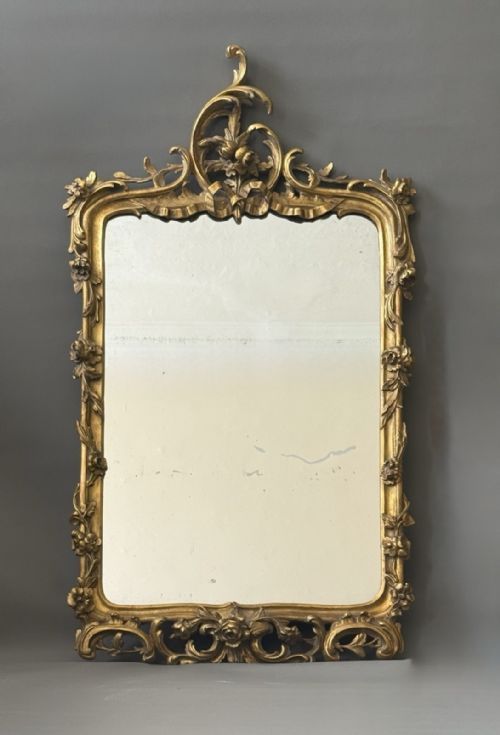
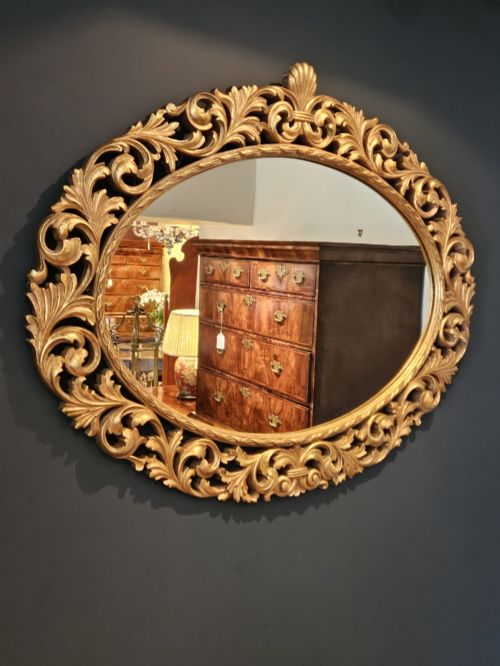
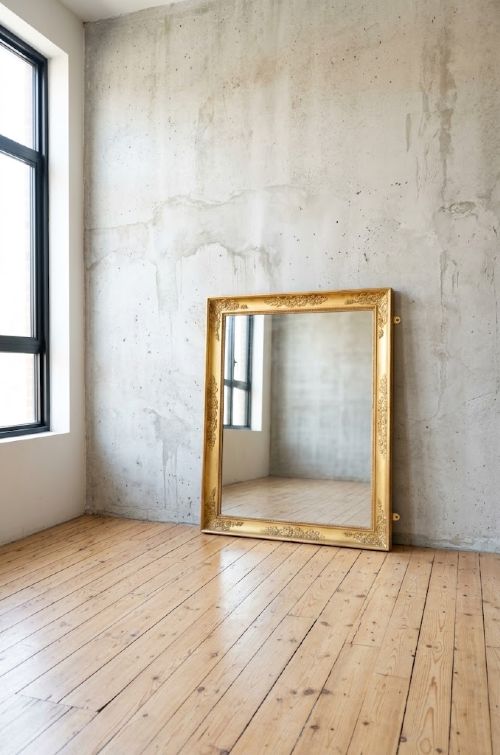
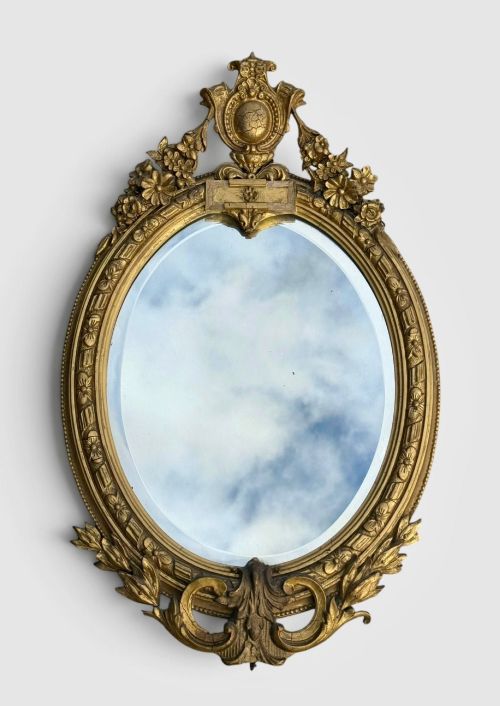
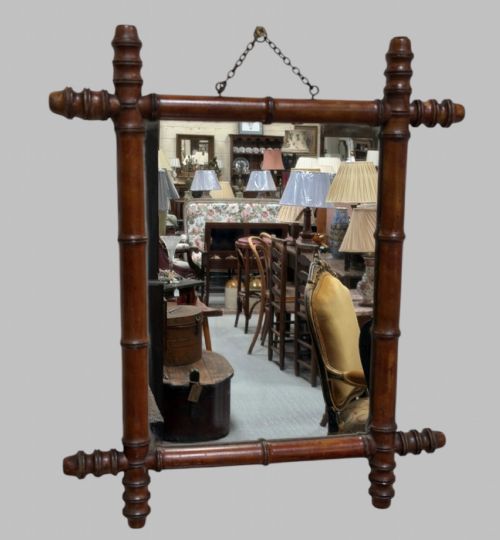
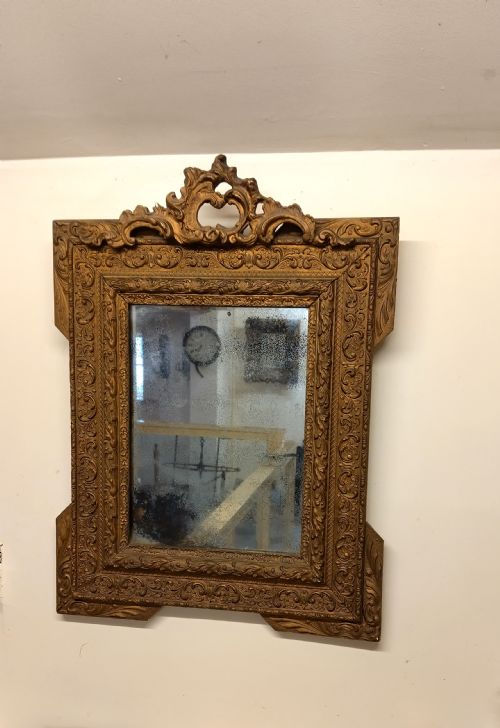
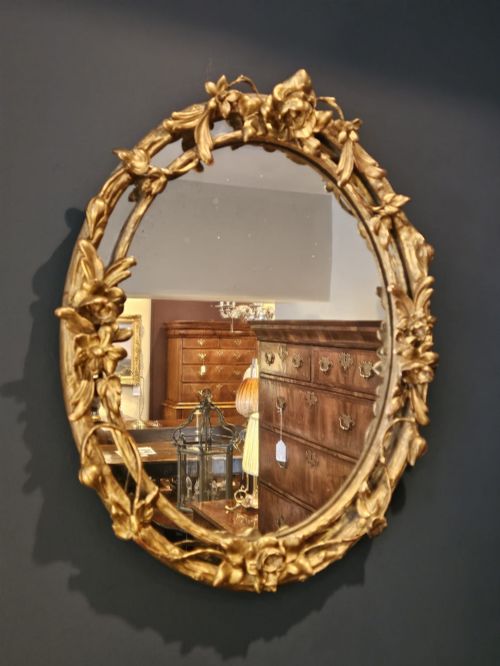
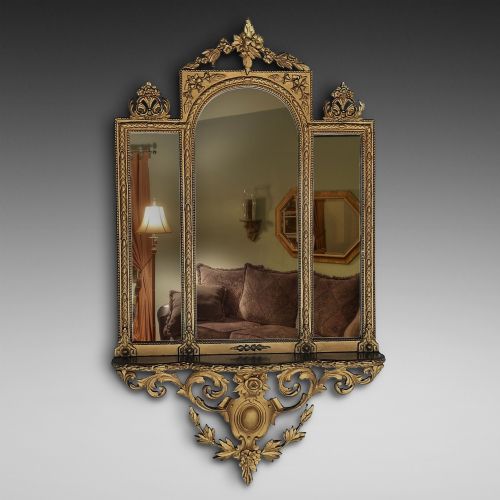
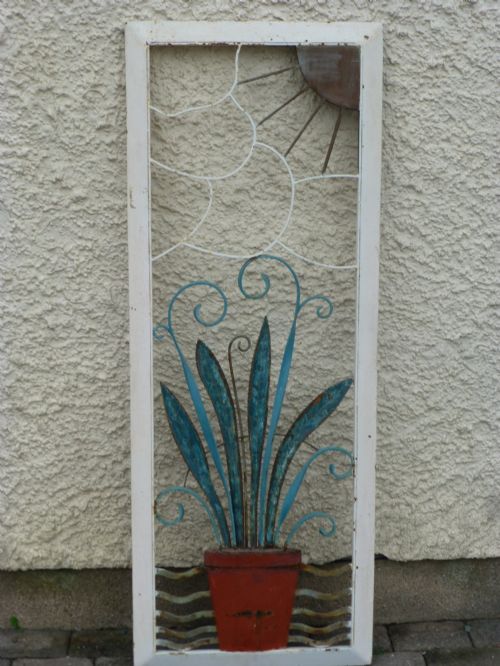
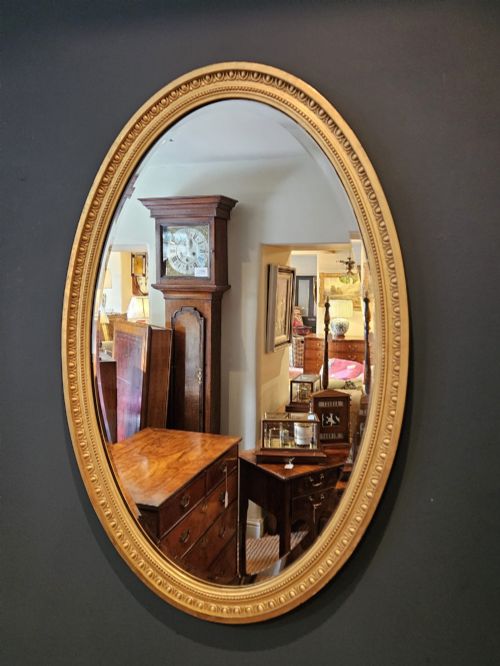
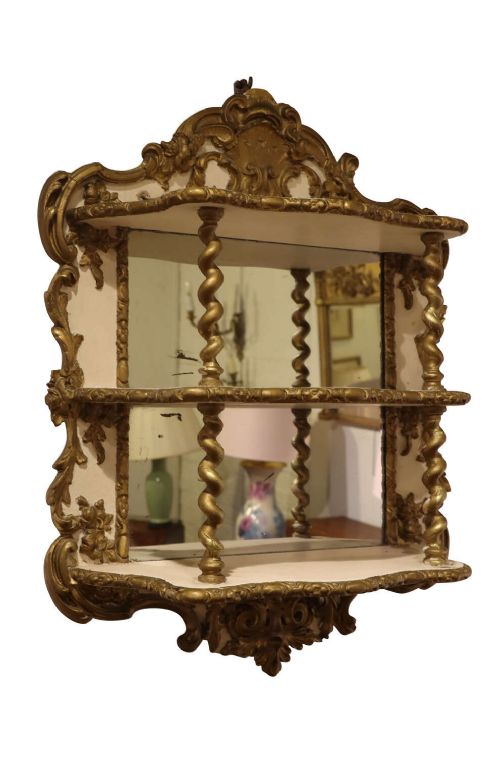
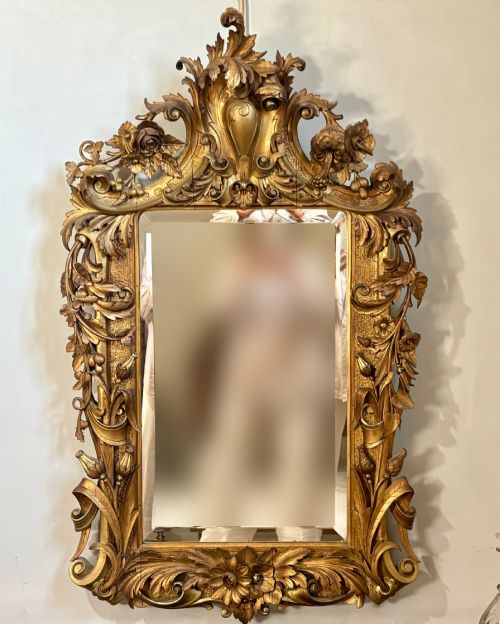
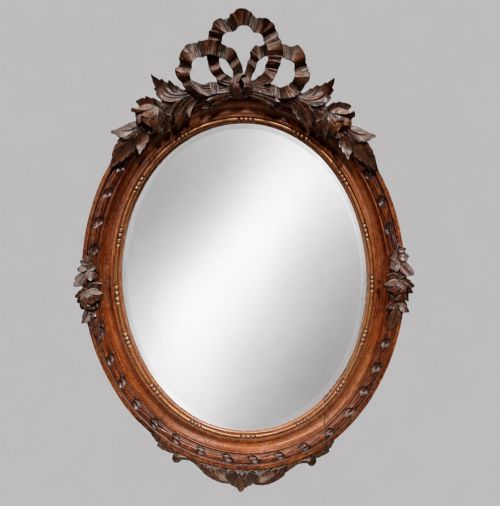
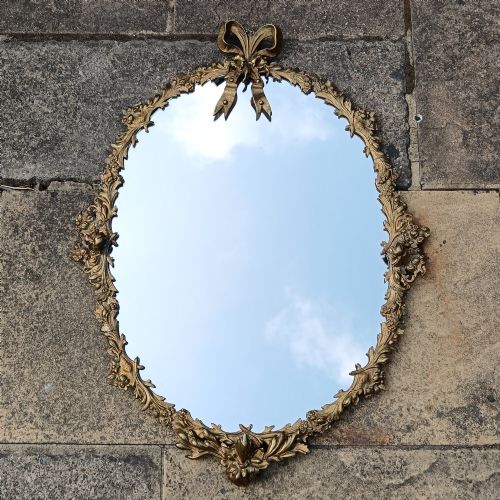
Mirrors form the largest category, appearing in heavy giltwood frames, ornate gesso, and faux bamboo. Alongside these reflective pieces, buyers encounter wool and silk tapestries, architectural iron panels, and carved wooden wall shelves dating from the seventeenth century onward.
How they were made
Makers utilised traditional hand-carving techniques on timber frames, applying gold leaf and gesso to build up rich surface relief for mirrors and decorative panels. Artisans also employed bronze casting and forged wrought iron for architectural elements and wall screens.
Textiles rely on hand-weaving methods, utilising wool, cotton, and silk threads to create detailed verdure tapestries and needlework picture panels. These woven works often feature complex botanical scenes or figurative motifs mounted on supportive linen backings.
Listings feature items spanning the 17th century through the 1920s, constructed from glass, giltwood, wool, cotton, and wrought iron.
What varies in quality
Quality rests upon the crispness of the hand-carved detail in wood and gesso frames, where deeper undercutting and refined motifs separate superior examples from softer castings. The preservation of original gilding and the clarity of the antique mirror plate further distinguish finer pieces.
For woven textiles, the density of the weave and the complexity of the colour palette dictate the standard. Finer tapestries display intricate verdure foliage and well-preserved wool and silk yarns without excessive restoration.
Raymond Subes
The French Wall Hanging Glossary
- Giltwood
- Wood that has been decorated with a thin layer of gold leaf. This technique was widely applied to ornate seventeenth and eighteenth century mirror frames.
- Gesso
- A plaster-like mixture applied to wood surfaces as a base for gilding or painting. It allowed artisans to mould intricate relief decorations before applying gold leaf.
- Verdure Tapestry
- A woven wall hanging featuring a predominant landscape design of trees, foliage, and animals. These panels often incorporated muted green and earthy tones.
- Aubusson
- A town in France renowned for producing fine woven tapestries. Pieces bearing this association typically showcase pastoral scenes and floral borders.
- Faience
- Tinned-glazed earthenware produced in Europe, seen here in decorative ceramic chargers. This technique allowed for vibrant painted designs on a smooth white background.
French Wall Hanging: Frequently Asked Questions
What defines a French wall hanging?
These items encompass decorative objects intended for vertical display, spanning mirrors, woven tapestries, shelves, and architectural panels. They bridge the gap between functional household storage and ornamental art.
Most examples originate from French workshops across several centuries, showing distinct regional craftsmanship and stylistic shifts from baroque excess to refined neoclassicism.
How do I date an antique mirror?
Dating relies on inspecting the construction of the wooden frame, the composition of the gesso, and the characteristics of the glass plate itself. Older mirror plates often exhibit slight imperfections, foxing, or hand-beveled edges.
Stylistic cues such as rococo scrolls, faux bamboo turnings, or neoclassical motifs also point toward specific manufacturing decades between the seventeenth and early twentieth centuries.
Where should I hang a tapestry?
Tapestries suit large wall spaces in living rooms, dining rooms, or hallways where they can absorb sound and add warmth to plain plaster. They require stable indoor environments away from direct sunlight to protect the wool and silk fibres.
Using a sturdy hanging rod or mounting the textile onto a linen backing distributes the weight evenly across the entire upper edge of the fabric.
How do I care for giltwood frames?
Giltwood surfaces require gentle dusting with a soft, dry brush to prevent the accumulation of dirt within the carved crevices. Water and chemical cleaners should be avoided entirely to protect the delicate gold leaf.
Keeping these pieces out of humid environments ensures the underlying gesso and wood substrate remains stable over time.