




18th Century Style Tapestry
These 18th century style tapestry pieces bring rich textile artistry and historic character directly into modern interiors.
18th Century Style Tapestry
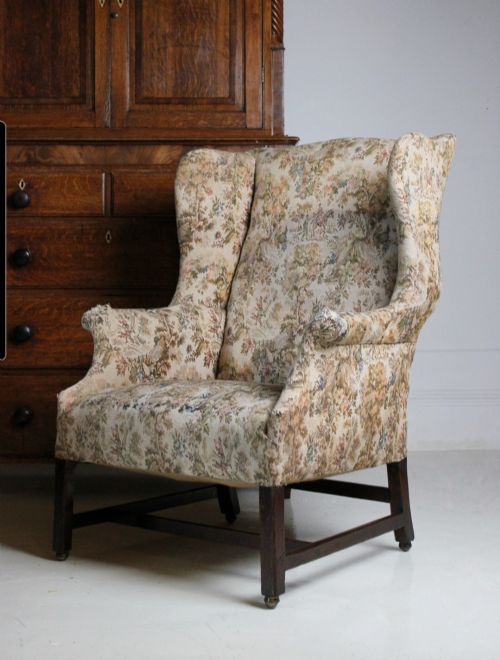
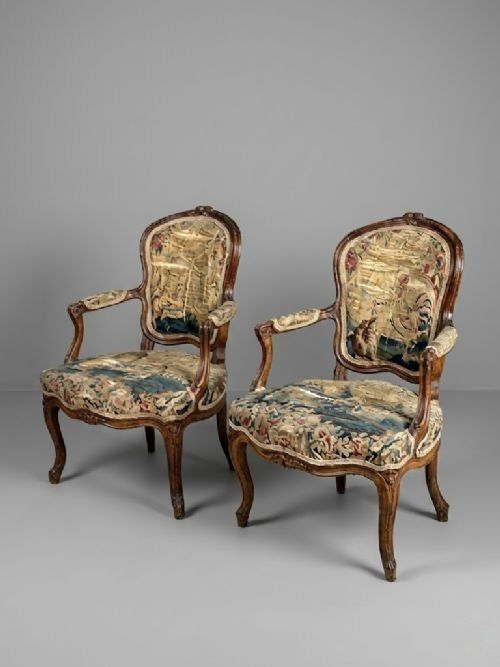
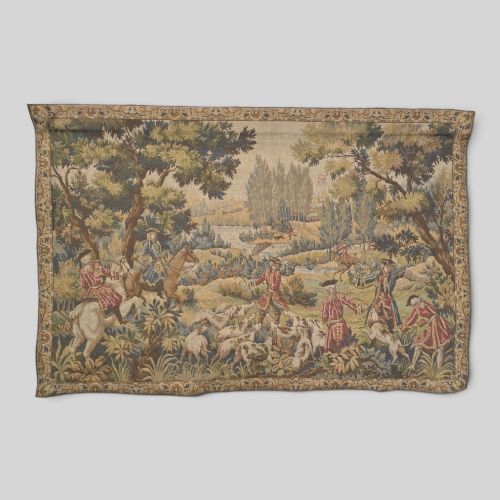
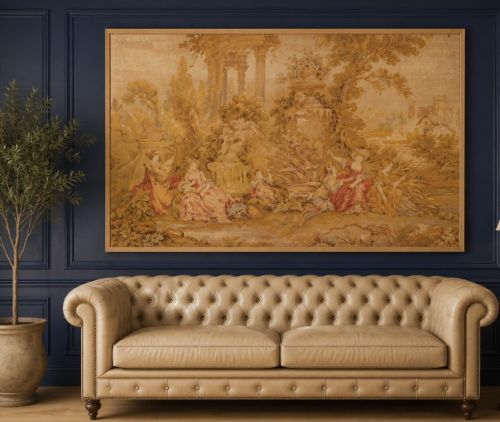
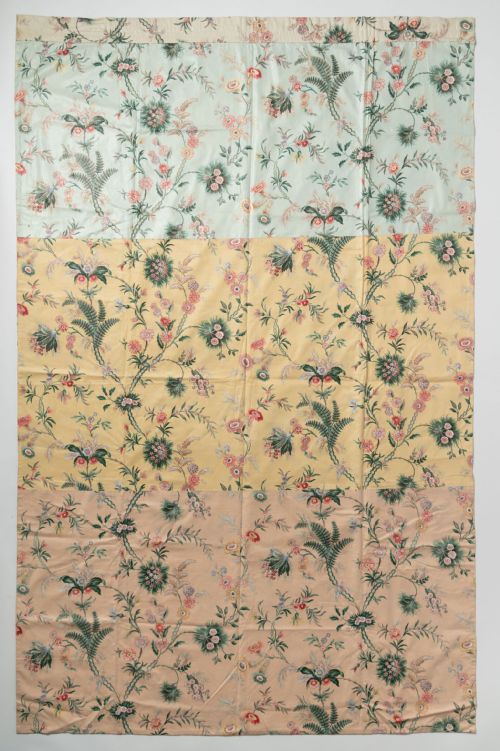
An 18th century style tapestry encompasses woven wall panels, pastoral scenes, and framed textile artworks rooted in historic French and English traditions. Buyers seeking this aesthetic often encounter hanging wall pieces or seating upholstered in needlework and tapestry fabrics.
The selections available range from large framed panels depicting woodland scenes to seating such as armchairs and stools upholstered in period textile designs. These pieces draw heavily on Georgian, Louis XV, and Rococo stylistic influences to recreate historical grandeur.
Materials and Construction
The construction of these works relies on natural fibres including wool, silk, and cotton woven into detailed textile surfaces. Supporting frames and furniture structures utilise dense hardwoods such as mahogany, walnut, and oak.
Traditional joinery methods secure the wooden frames of chairs and stools, whilst textile panels employ intricate weaving techniques to render complex pictorial scenes. Brass elements occasionally appear as decorative hardware or tacks on upholstered seating.
Even children received formal seating, as evidenced by the occasional appearance of miniature Georgian walnut chairs.
Evaluating Quality
Quality in these textiles depends on the density of the weave and the complexity of the pictorial composition, where finer thread counts yield sharper detail in pastoral or woodland motifs. The precision of the hand-carved woodwork on chairs and stools further distinguishes superior examples.
The integrity of the underlying timber frame and the preservation state of the fabric dictate the overall standing of each piece. Superior items maintain robust structural support alongside well-preserved textile surfaces that retain their original colour depth.
The 18th Century Style Tapestry Glossary
- Aubusson
- A style of tapestry woven in the French town of Aubusson, known for pastoral and floral designs. These textiles were frequently utilised for both wall hangings and furniture upholstery.
- Rococo
- An 18th-century artistic movement characterised by asymmetry, scrollwork, and ornate natural motifs. This style heavily influences the carved frames and woven scenes found on many pieces.
- Chippendale
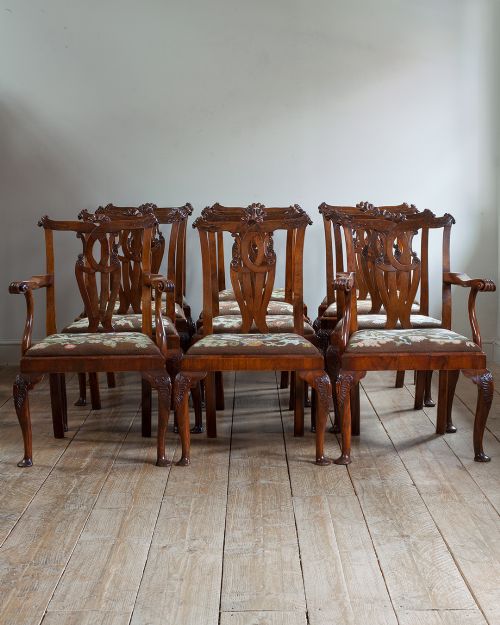
- A British furniture style from the Georgian era defined by elaborate mahogany carving and Chinese or Gothic influences. Chairs from this period often incorporate intricate fretwork and cabriole legs.
- Needlework
- Stitched ornamentation created by hand using yarn or thread upon a canvas or fabric ground. This technique appears on the upholstered surfaces of armchairs and stools.
- Stool
- A seat without back or arms, often built with an X-frame or cabriole legs during the Georgian and Queen Anne periods. These smaller items frequently display the same carved woodwork as larger chairs.
18th Century Style Tapestry: Frequently Asked Questions
How do I hang a large tapestry?
Large tapestries require even weight distribution along the top edge to prevent stretching the textile fibres. Using a concealed wooden batten or a specialised sleeve stitched to the reverse protects the fabric over time.
Position the piece away from direct sunlight to preserve the dyed wool and silk threads. Ensure the hanging wall remains free from dampness to protect the organic materials.
Are these pieces from the 18th century?
The inventory includes both authentic pieces from the 18th century and later revival items created in the 19th and 20th centuries. Revival pieces often adopt earlier styles like Louis XV or Georgian.
Examining the construction methods, wood ageing, and textile wear helps determine the exact period of manufacture. Each listing details the specific age or era of the item.
How do I care for wooden frames?
Apply a microcrystalline wax sparingly to nourish the mahogany, walnut, or oak timber surfaces without building up residue. Buff gently with a soft cloth to maintain the natural sheen of the wood.
Keep the furniture away from direct heat sources and drastic humidity changes to prevent the timber from splitting. Check structural joints periodically for stability.