
Antique Wool Wall Hanging
An antique wool wall hanging brings rich texture and centuries of woven storytelling straight to your interior.
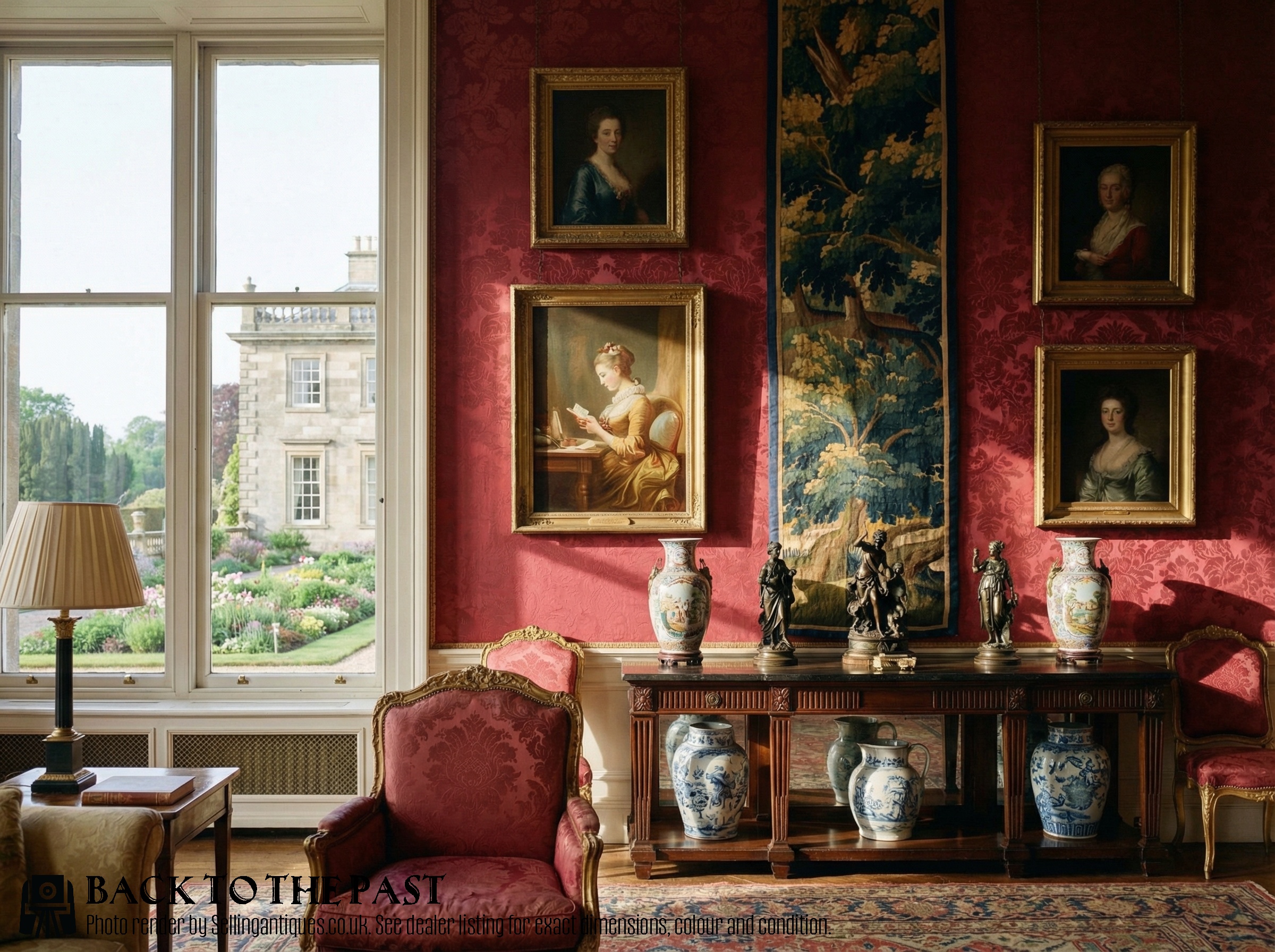
Antique Wool Wall Hanging
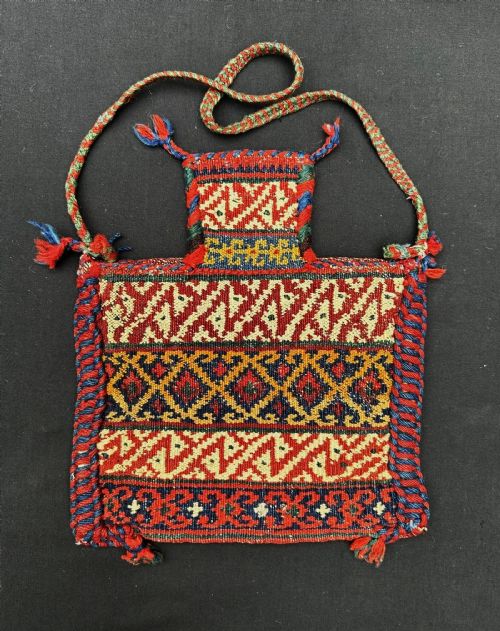
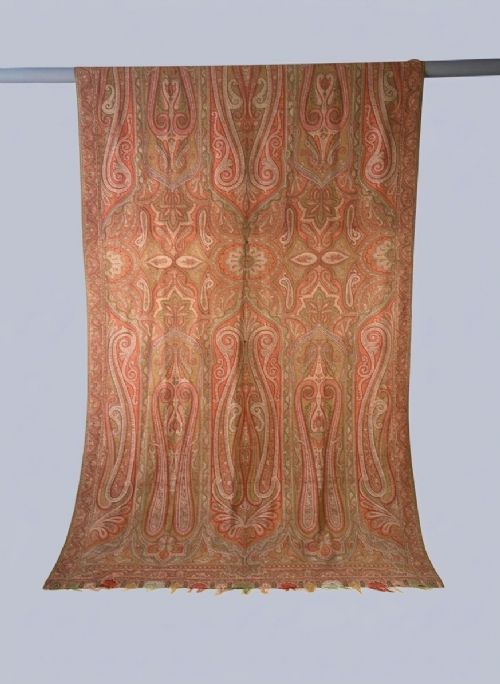
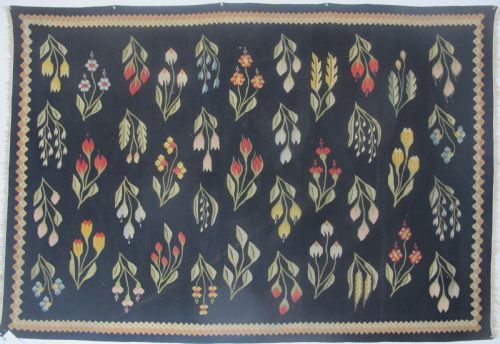
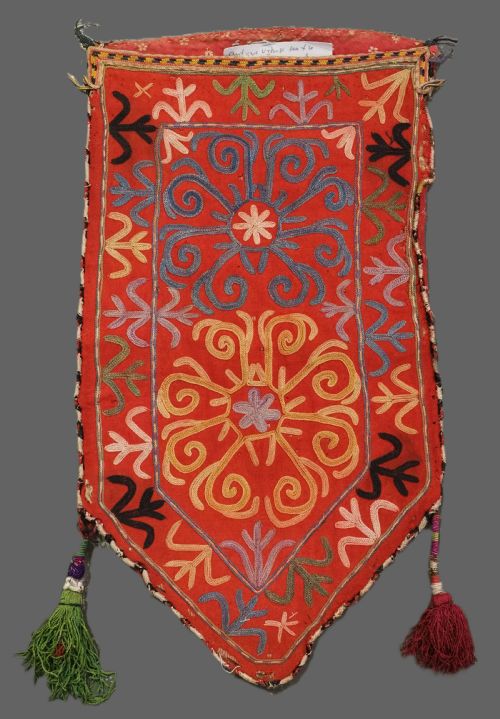
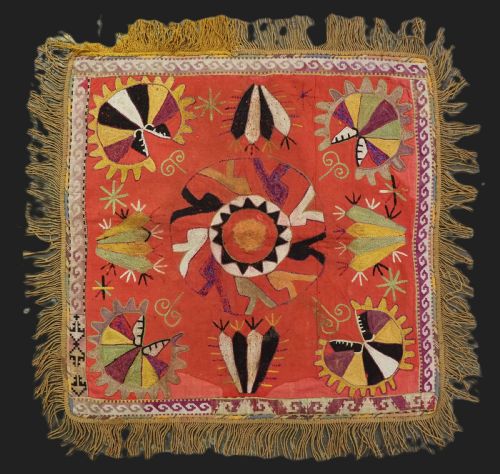
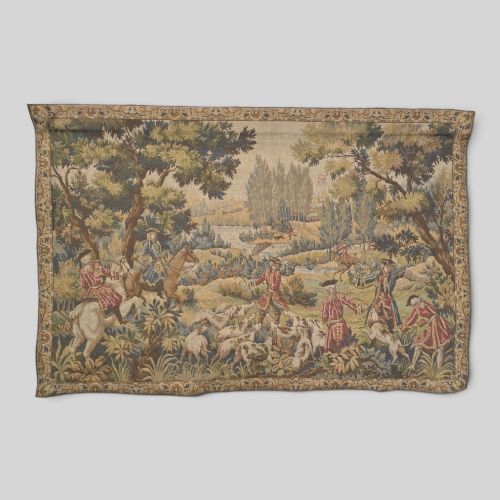
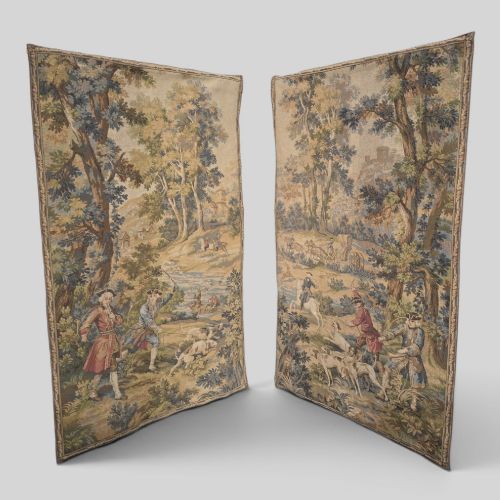
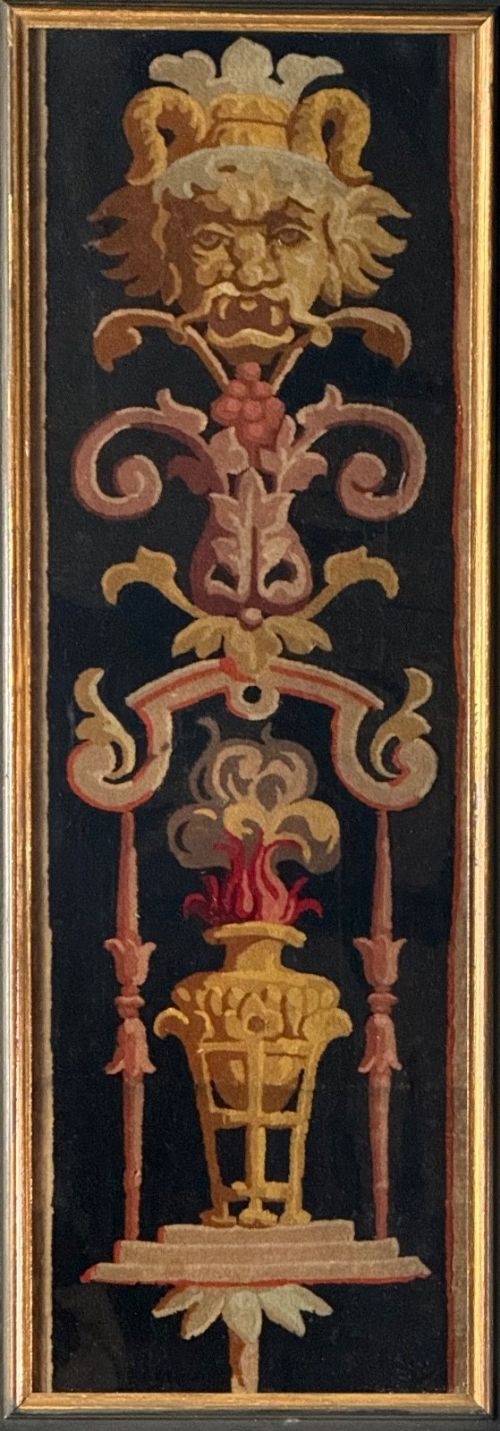
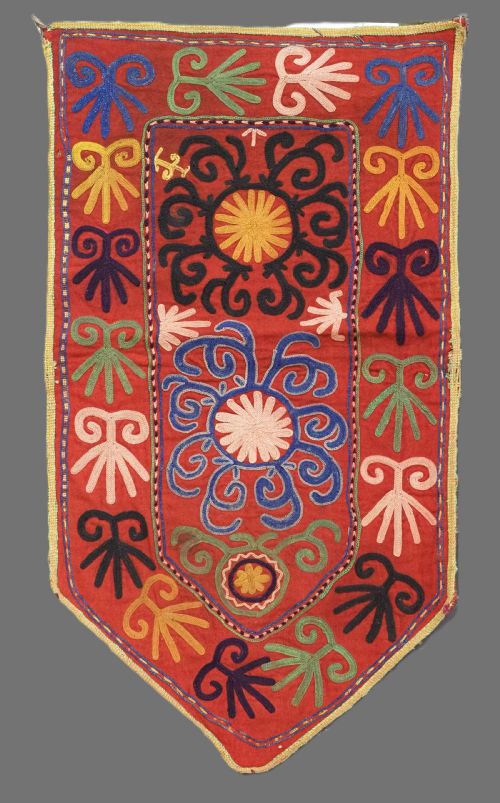
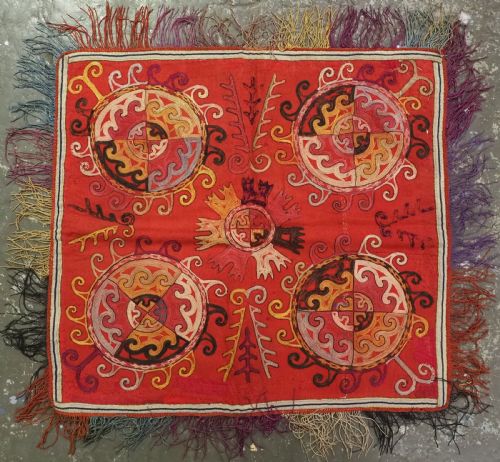
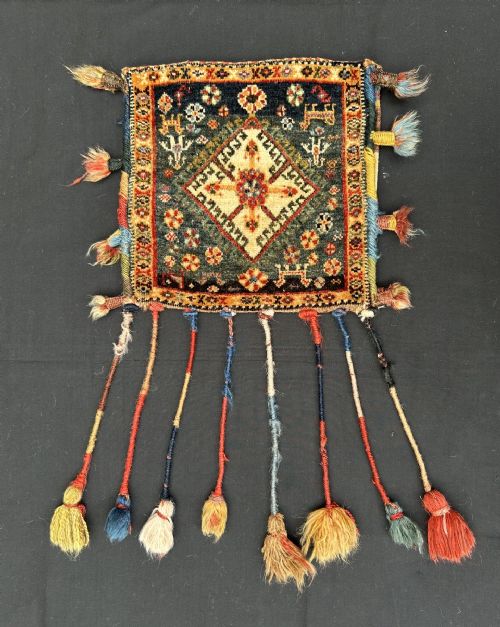
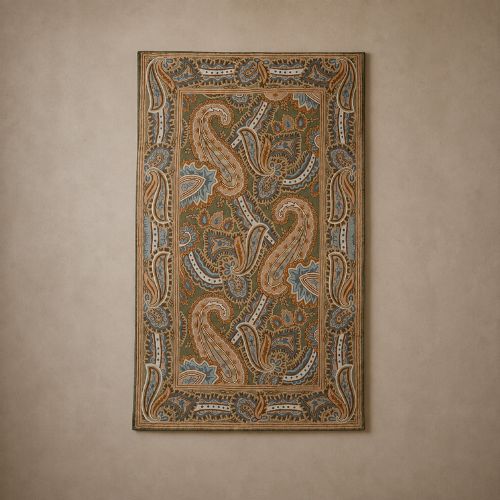
An antique wool wall hanging encompasses European woven tapestries and tribal Central Asian trappings repurposed for display. These pieces range from grand Flemish verdure scenes to intricate Turkmen spindle-bags and chuval faces.
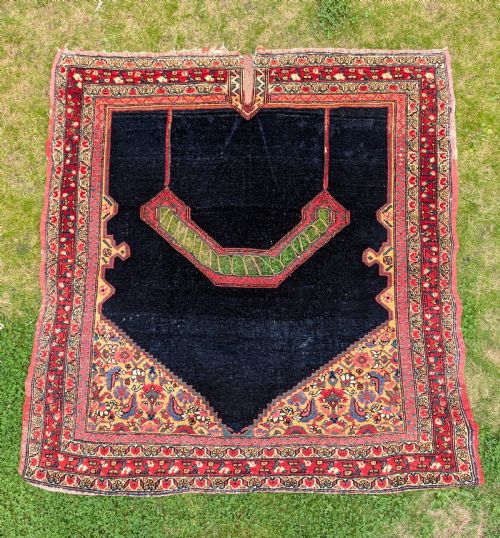
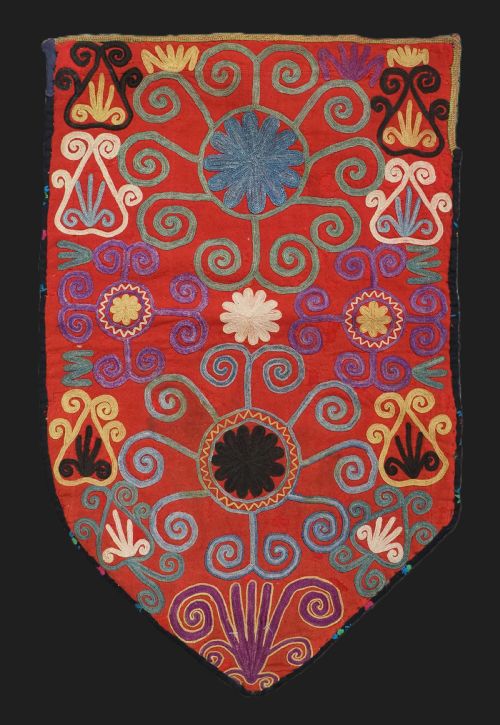
The objects on this page originate from diverse traditions spanning European workshops and nomadic tribal weaves. Buyers encounter everything from large seventeenth-century Flemish panels to nineteenth-century Anatolian prayer rugs and Turkmen kap panels.
Forms vary significantly between the stately narrative or verdure landscapes of European looms and the geometric precision of tribal Turkic weaving. Each format serves a distinct aesthetic, whether filling a large wall with foliage or introducing tribal motifs to a room.
Materials and construction
These textiles rely primarily on wool, often combined with silk and cotton elements to build contrast and structural integrity. Natural dyes provide the enduring palette observed across both European verdure tapestries and Central Asian tribal trappings.
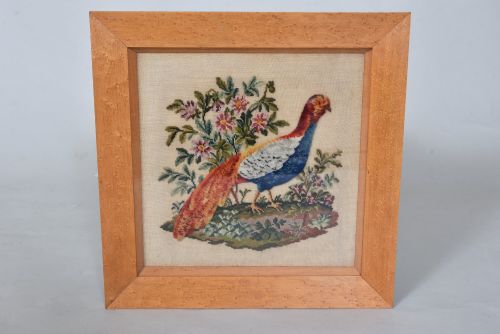
Weaving techniques range from the fine needlework petit point seen in French framed wall hanging pictures to the dense pile and flatweave structures of Turkmen chuval faces. Artisans utilised local fibres and traditional looms specific to their region, resulting in durable textiles designed to withstand generations of use.
Antique Wool Wall Hanging Retail Price Guide 2026
Typical asking prices for wool wall hanging among the pieces listed under this phrase on Sellingantiques today, from the lower quarter to the upper quarter. They describe what is for sale here now, not the wider market.
Nomadic weavers occasionally embedded small intentional irregularities into their geometric guls to ward off the evil eye.
Assessing quality and depth
Quality rests in the fineness of the weave and the complexity of the design, such as the dense knotting found in fine Turkmen chuval faces. Superior examples exhibit deliberate mastery over natural dyes, ensuring the wool retains rich tonality over centuries.
The integrity of the structure and the preservation of the original design separate standard utilitarian items from masterworks. Tighter construction and sophisticated pictorial or geometric layouts elevate a textile from a simple floor or storage bag into a compelling wall display.
The Antique Wool Wall Hanging Glossary
- Verdure tapestry
- A Flemish or European wall hanging dominated by lush foliage, trees, and garden landscapes. These scenes typically feature dense greens and blues created with natural dyes.
- Chuval
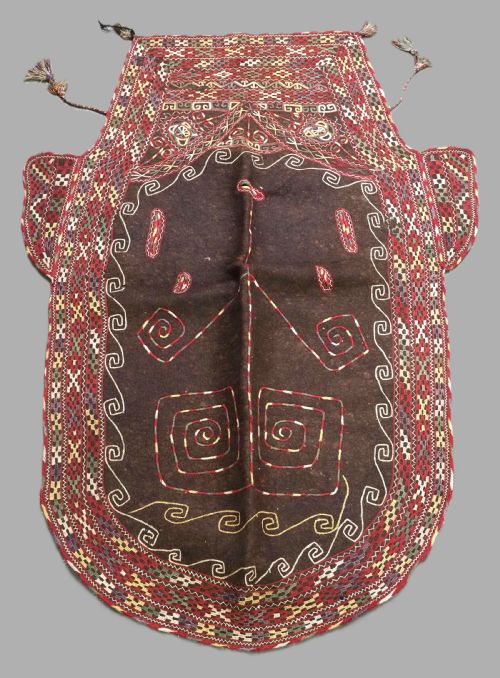
- A large storage bag made by Turkmen tribes, often displayed today as a flat wall hanging. Their faces display repeated tribal guls and geometric symbols.
- Petit point
- A very fine count needlework stitch executed on canvas, often seen in nineteenth-century French framed wall pictures. It allows for intricate pictorial detail.
- GUL
- An octagonal primary medallion motif found repeatedly in Turkmen tribal rugs and trappings. Each design often signifies a specific tribal lineage.
- Prayer rug
- A small rug featuring a mihrab or niche design, traditionally used for daily prayers. Western Turkish examples like those from Ghiordes are particularly noted.
Antique Wool Wall Hanging: Frequently Asked Questions
How do I hang a heavy textile safely?
Mounting heavy wool textiles requires distributing the weight evenly across the entire upper edge. Conservation-grade Velcro or a custom-sewn sleeve with a hidden wooden batten prevents stress on the historic fibres.
Avoid using direct nails or clips that pinch and tear old wool. Professional framers can also build shadow boxes with UV-filtered glass for smaller pieces like needlework pictures.
Where were Flemish verdure tapestries made?
Flemish verdure tapestries were woven in workshops across Flanders, encompassing regions in modern-day Belgium and northern France. These centres dominated European textile production during the sixteenth and seventeenth centuries.
Master weavers produced these large landscape panels for wealthy patrons to insulate stone walls and display artistic wealth.
What is a Turkmen chuval face?
A chuval face is the front panel of a large tent storage bag produced by Turkmen nomadic tribes. These panels were preserved when the utilitarian bags wore out due to their striking geometric designs and fine wool knotting.
Collectors prize them today as flat textile art for walls, showcasing tribal symbols like the guls.