
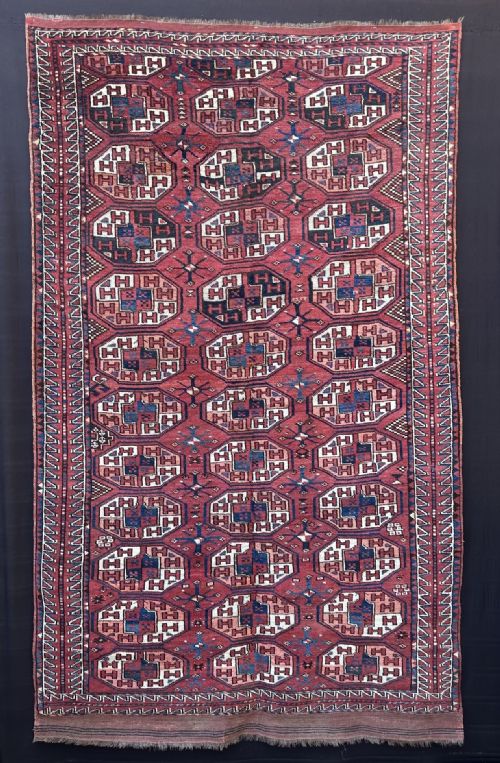
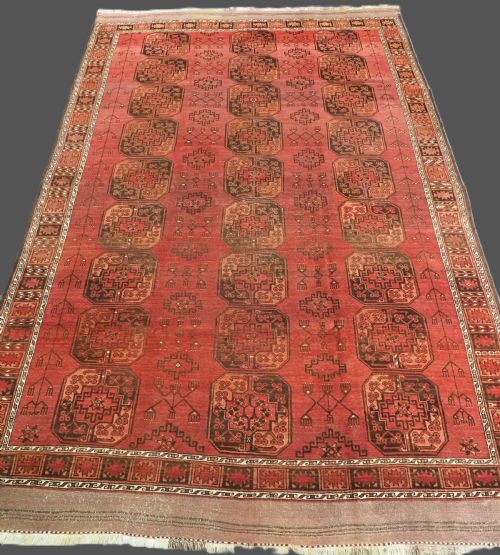
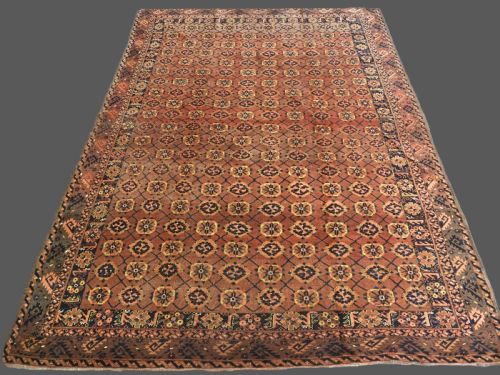
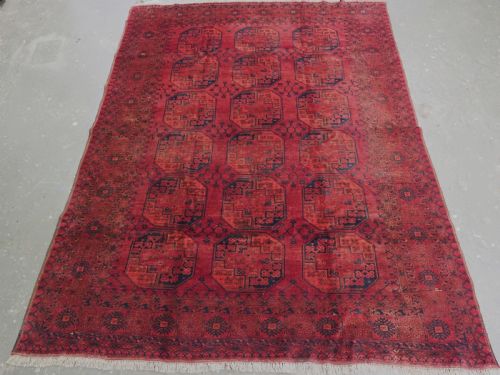
Antique Gul Rug
Step closer and inspect an antique gul rug, woven with the tribal motifs that mapped Central Asian heritage.
Antique Gul Rug
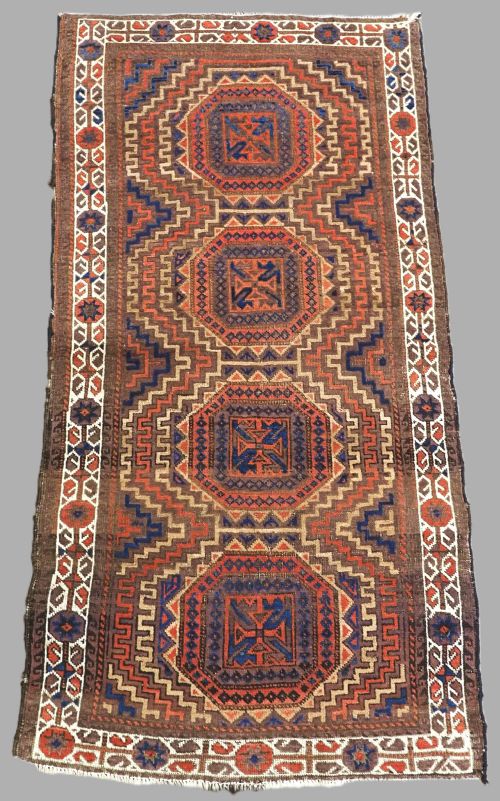
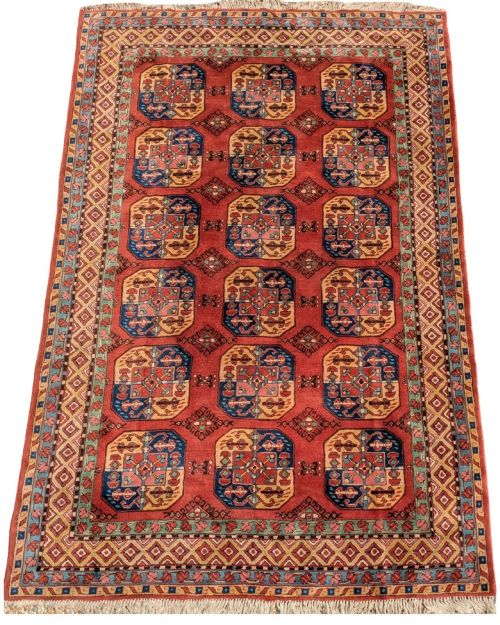
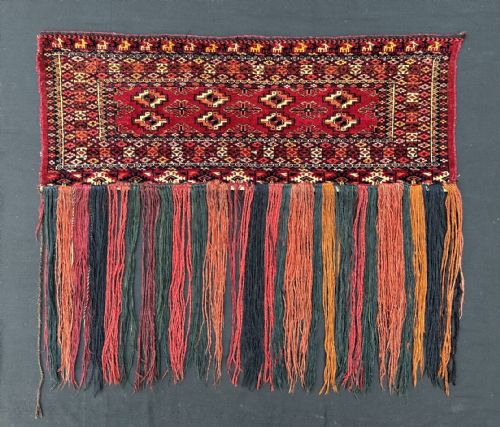
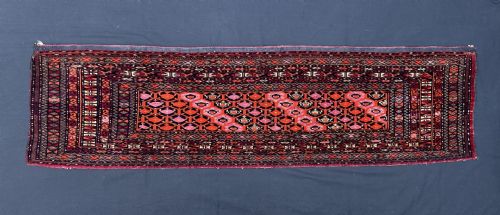
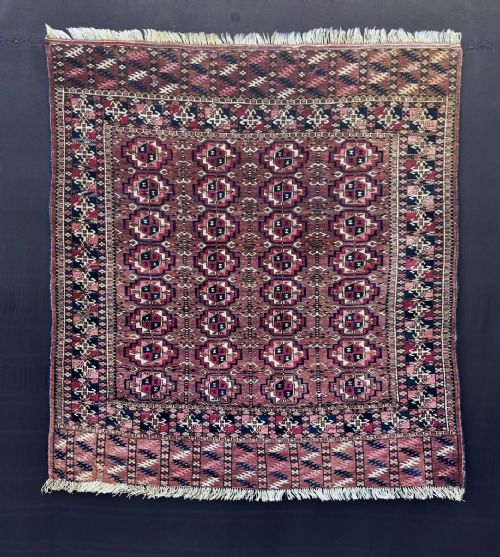
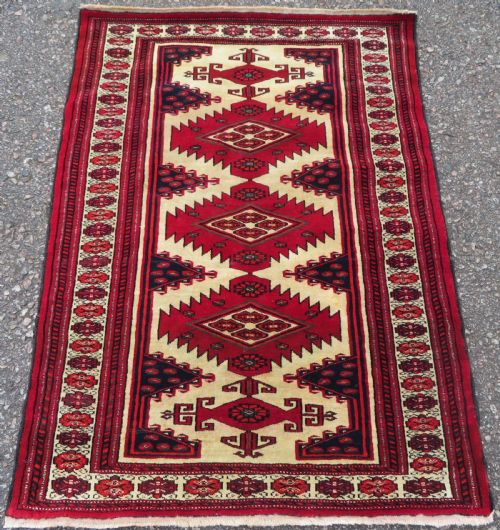
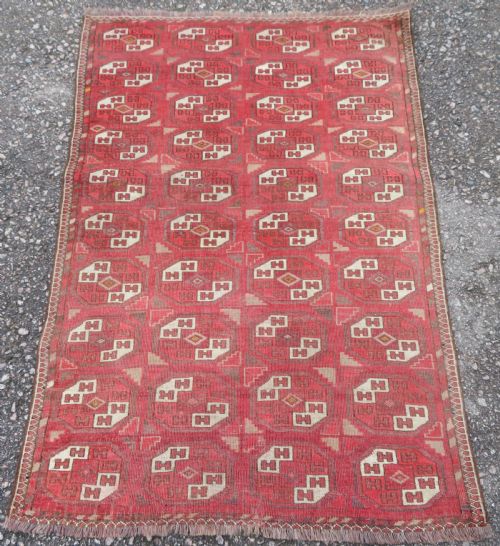
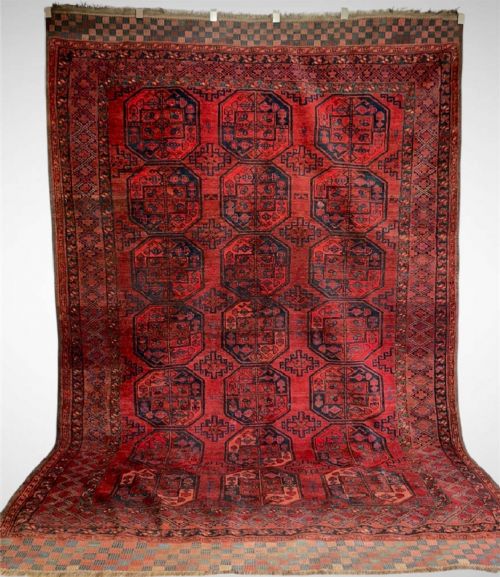
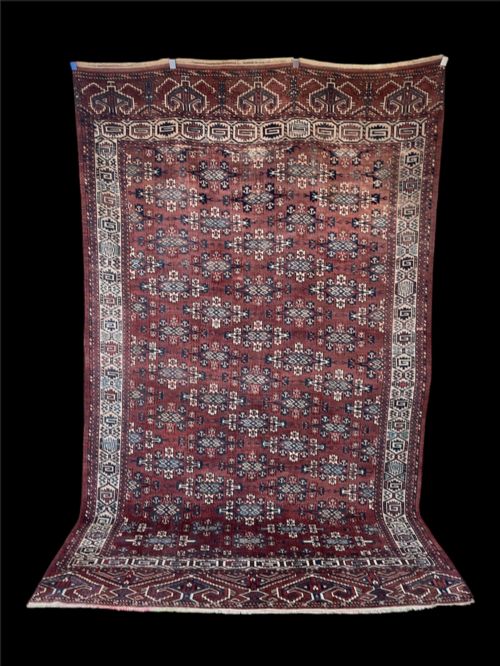
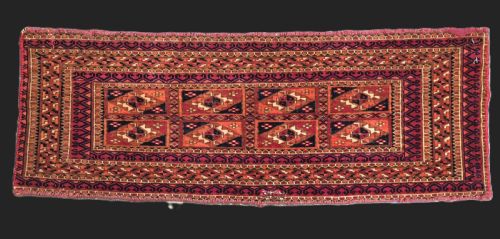
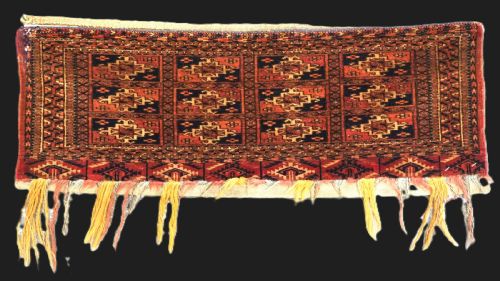
When you examine an antique gul rug, you are looking at tribal weaving originating primarily from Central Asian nomadic and village groups, including Turkmen tribes like the Tekke, Ersari, Yomut, and Sariq. These textiles served practical and ceremonial functions in daily life, ranging from large main carpets used in tents to smaller utilitarian bags, tent door hangings, and dowry rugs. The dominant feature across these pieces is the gul, a repeated medallion motif that traditionally identified specific tribes, clans, or lineages.
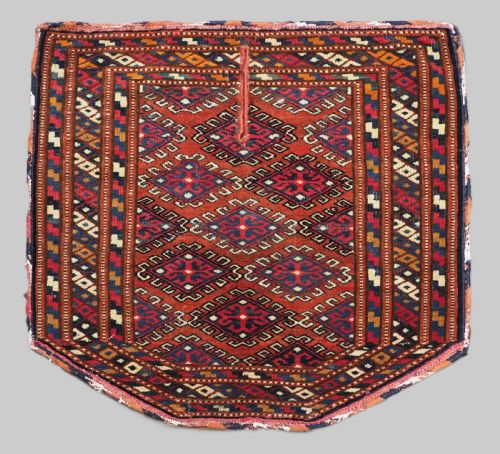
On this marketplace, the most common pieces you will encounter are torba faces, chuvals, and main carpets dating from the late nineteenth century to the early twentieth century. These smaller bags and larger floor coverings display the rich palette and geometric precision characteristic of Turkmen and related tribal weaving traditions. Buyers seek them out for their deep historical connection, distinctive visual rhythm, and the warmth they bring to an interior through organic pigments and sturdy construction.
How they were made
These textiles were constructed predominantly using hand-spun wool for the pile, foundation, and warps, occasionally supplemented by cotton or goat hair for structural durability and silk highlights in finer dowry pieces. The weavers relied on natural dyes extracted from plants and insects, producing warm reds, deep madder tones, and cochineal highlights that mellow gracefully over decades of light and use. Each knot was tied by hand on horizontal or vertical looms set up in nomadic camps or village settlements, resulting in varying densities of weave from sturdy utility grades to velvet-like fine surfaces.
The construction often included plain weave backs attached to storage bags and robust selvedges designed to withstand the rigours of nomadic transport and daily domestic life. Artisans plotted complex geometric repeats from memory or tribal tradition, integrating structural borders and secondary motifs that framed the central guls. The interaction between hand-spun fibres and natural dyestuffs gave each rug a subtle variation in tone, preventing large fields of colour from appearing flat.
Antique Gul Rug Retail Price Guide 2026
Typical asking prices for gul rug among the pieces listed under this phrase on Sellingantiques today, from the lower quarter to the upper quarter. They describe what is for sale here now, not the wider market.
Nomadic weavers occasionally tucked tiny asymmetrical errors into repeating gul rows to ward off the evil eye and keep perfection strictly reserved for the divine.
What varies in quality
The distinction between ordinary and exceptional examples rests heavily on the fineness of the weave and the precision of the drawing. Finer pieces demonstrate a tighter knot count and an expert handling of scale, allowing intricate secondary ornaments and sharp turreted details around the guls to remain crisp. Weaker examples often suffer from compressed proportions, muddy secondary colours, or clumsy drawing that disrupts the balance of the field.
The Antique Gul Rug Glossary
- Gul
- A medallion motif repeated across the field of a rug, often associated with specific Central Asian tribes and clans. These primary emblems served as visual markers of identity and heritage.
- Torba
- A small storage bag face produced by Turkmen and related nomadic groups for use inside a tent. They frequently feature multiple guls and were mounted on walls or tent poles.
- Chuval
- A large tent bag utilised for storing household goods and bedding during migrations. Examples preserved on the market often survive as individual decorative faces rather than complete pouches.
- Cochineal
- A natural red dye derived from scale insects, prized for its vivid magenta or crimson hue. It appears frequently as an accent colour in finer nineteenth-century weaving.
- Main carpet
- A large floor covering woven for principal domestic or ceremonial use within the tribe. These expansive formats allowed weavers to deploy extended sequences of primary guls.
Antique Gul Rug: Frequently Asked Questions
How do I identify different tribal guls?
Identifying guls relies on studying the specific geometry, outlining, and secondary ornaments associated with tribes such as the Tekke, Yomut, Ersari, and Salor. Each group maintained distinct structural rules for rendering these primary medallions.
Comparing published examples and examining the secondary borders helps clarify regional variations among pieces produced across the Central Asian steppes.
Were these rugs used on floors?
While main carpets were laid down for foot traffic and communal gatherings, many smaller formats like torbas and kapunuks served as storage containers or tent furnishings. Their survival often depends on whether they hung away from heavy wear inside nomadic dwellings.
Lighter pieces and dowry rugs were typically reserved for ceremonial display rather than daily domestic utility.
How should I care for an antique wool rug?
Protecting these textiles requires regular, gentle vacuuming without a rotating power brush to prevent fibre abrasion. Keeping them out of direct, intense sunlight preserves the stability of natural dyes over time.
Professional cleaning tailored to antique textiles should be employed sparingly when accumulated dust threatens the structural integrity of the foundation.
What does a complete bag face mean?
A complete bag face retains its original plain weave back or structural closure system rather than being cut down or mounted purely as a fragment. This completeness offers insight into how nomadic households constructed and utilised their belongings.
Collectors often value these intact constructions for the historical context they provide regarding original function.