


Vintage Tribal Carpet
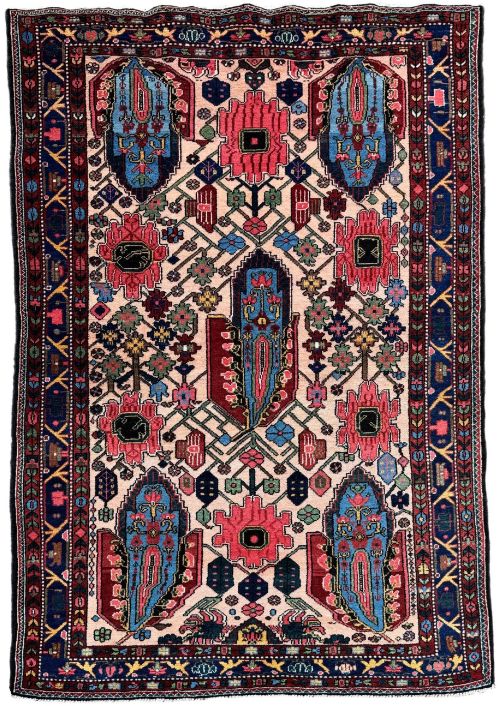
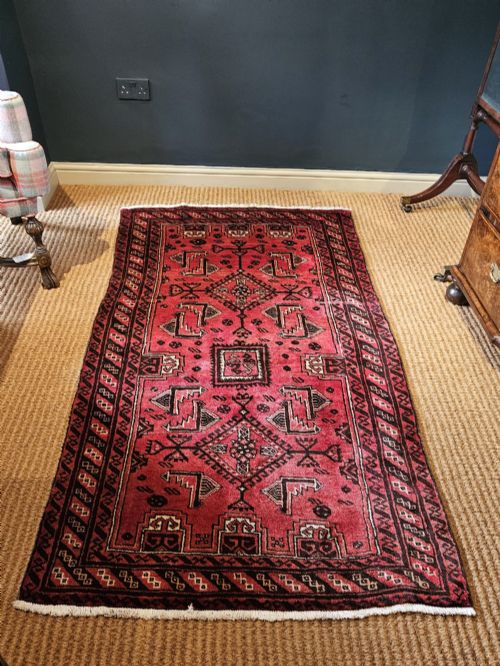
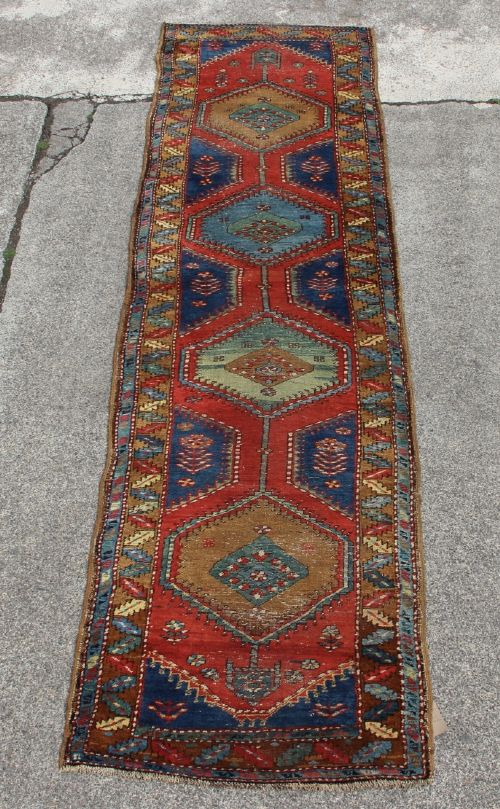
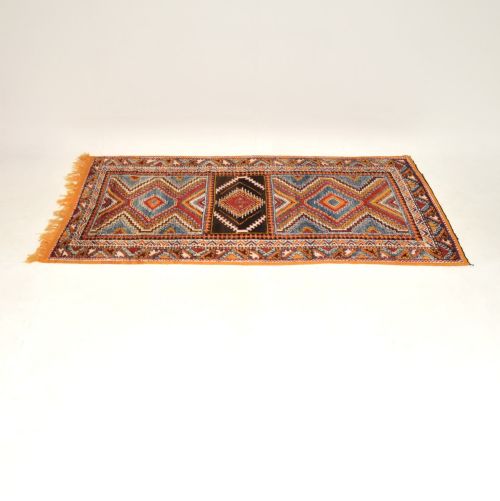
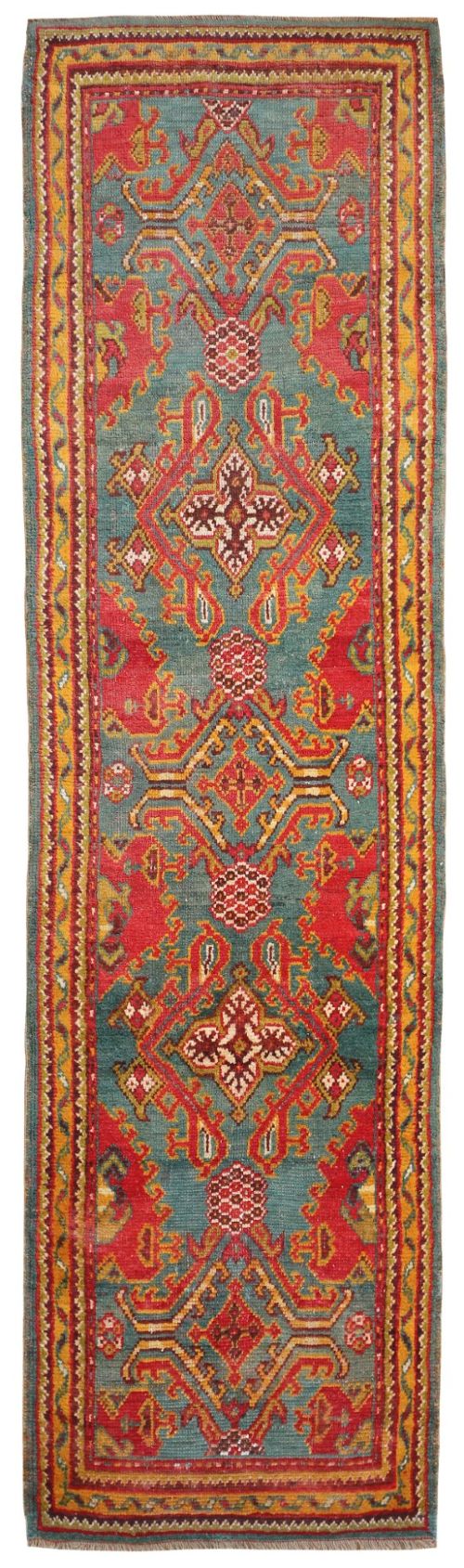
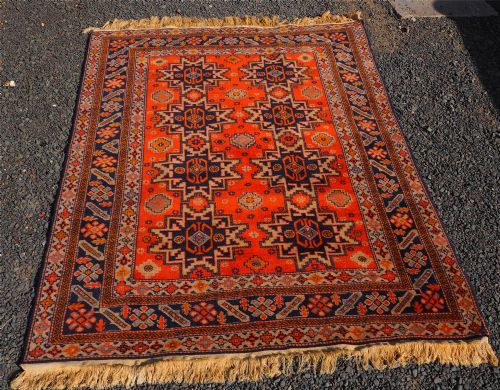
When you search for a vintage tribal carpet, you seek a hand-knotted piece carrying geometric motifs and rich wool from nineteenth and early twentieth-century village workshops.
Vintage Tribal Carpet
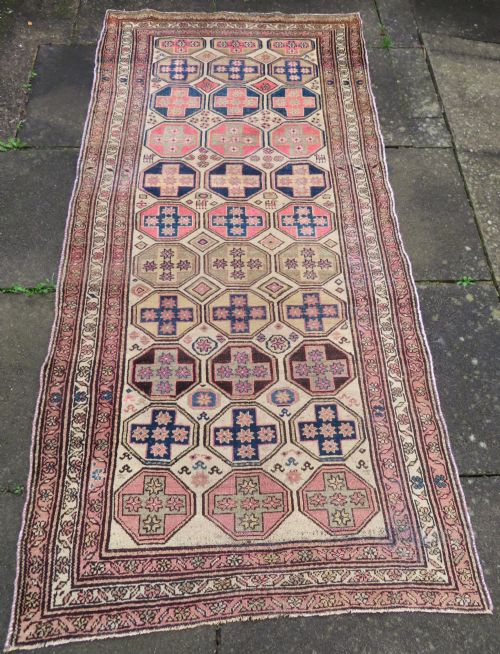
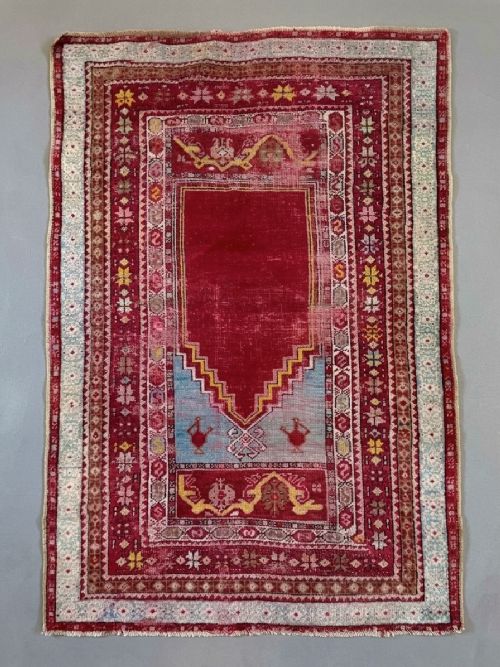
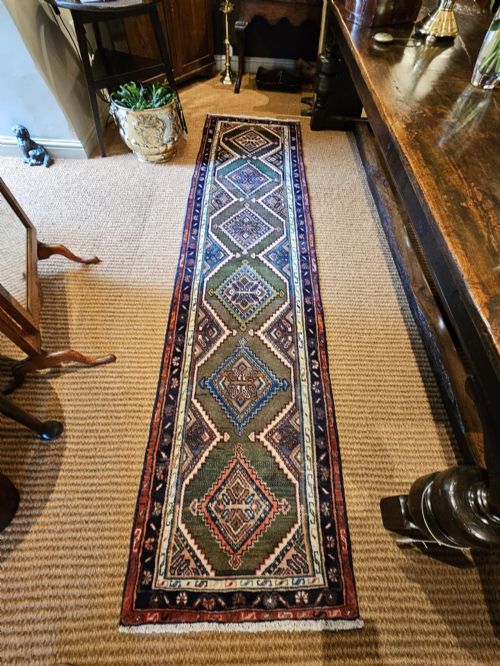
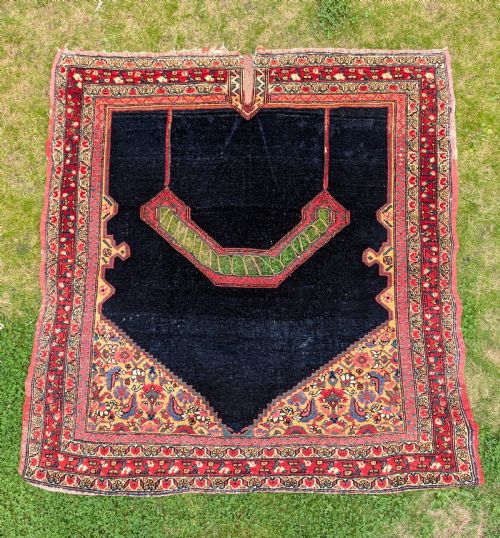
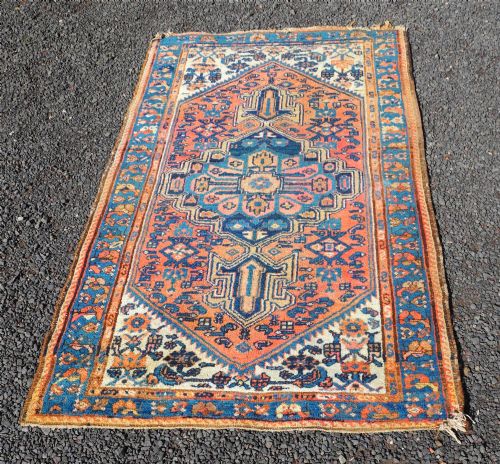
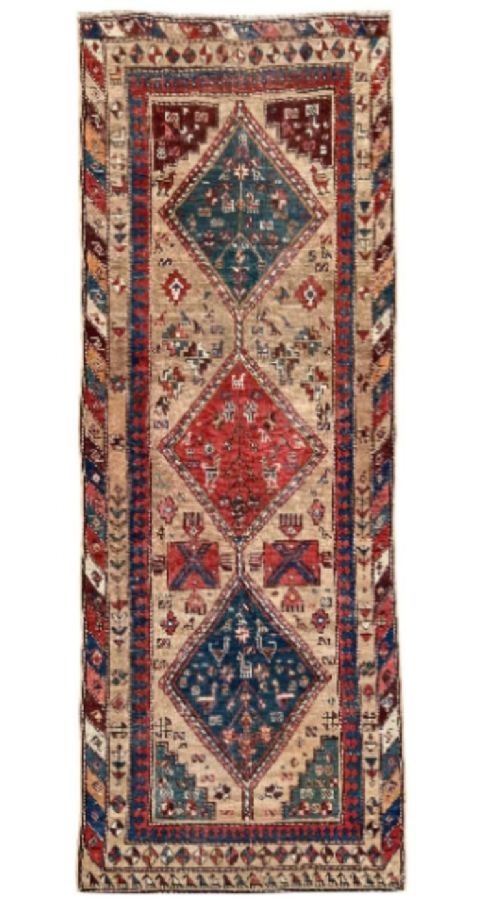
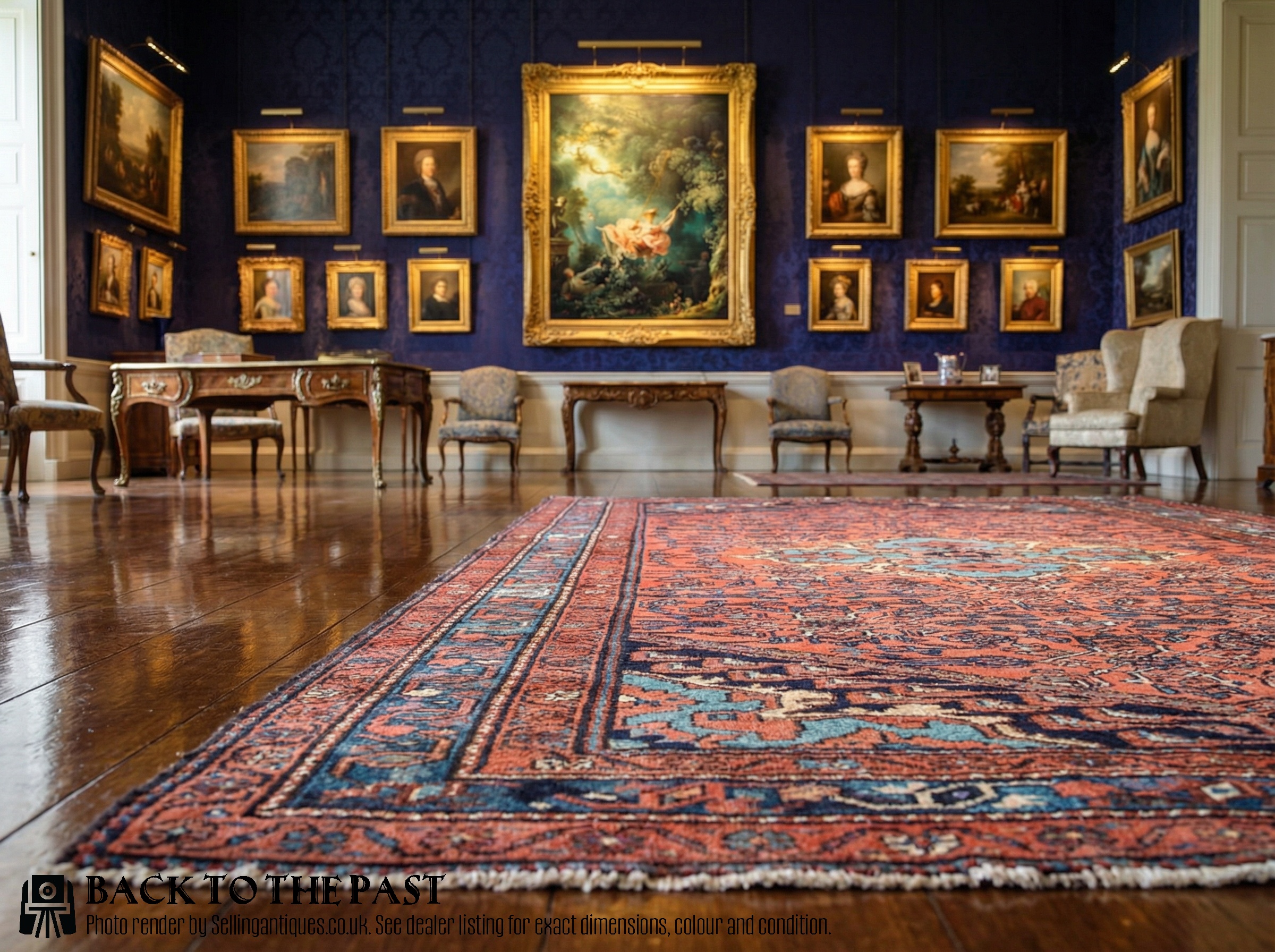
A vintage tribal carpet encompasses hand-woven rugs, runners, and saddle covers originating from nomadic and village traditions across Persia, the Caucasus, Anatolia, and Turkmenistan. These pieces bridge utilitarian floor coverings and artistic expression, shaped by the weaving heritage of specific tribes and regions. Buyers frequently encounter formats ranging from small prayer rugs and hallway runners to large room-sized carpets dating from the late nineteenth century into the 1930s.
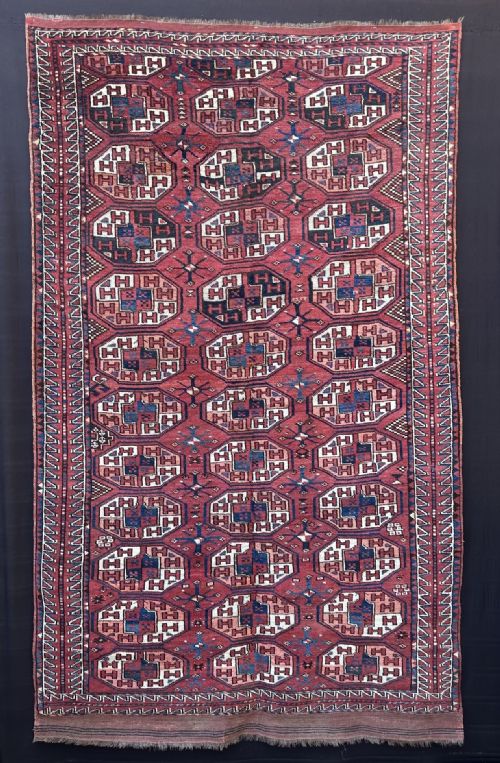
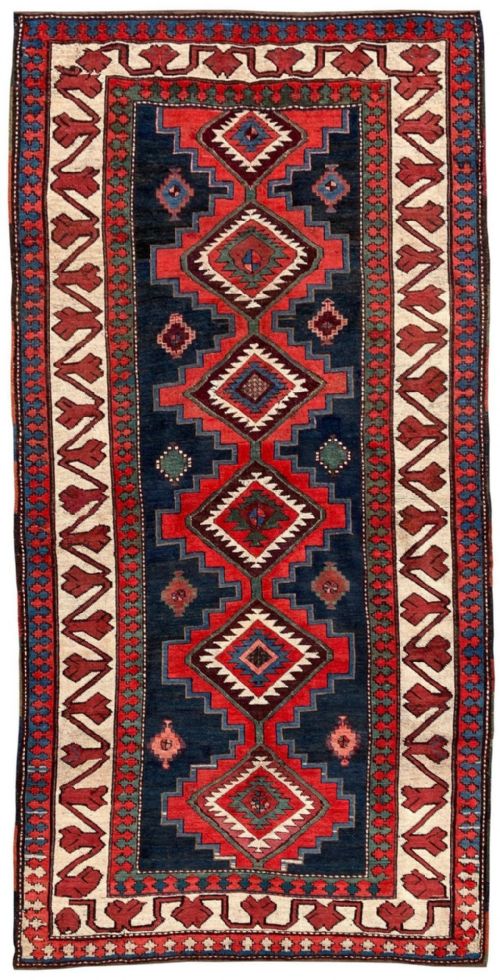
The aesthetic identity of a vintage tribal carpet relies on distinctive regional patterns, including bold geometric medallions, repeating tribal motifs, and asymmetrical layouts. Pieces assigned to specific groups such as the Turkmen, Baluch, Afshar, and Kazak demonstrate distinct colour palettes and symbolic iconography handed down through generations. These textiles reflect the lifestyle and environment of their makers, utilising motifs derived from local flora, fauna, and tribal history rather than urban court designs.
Materials and construction methods
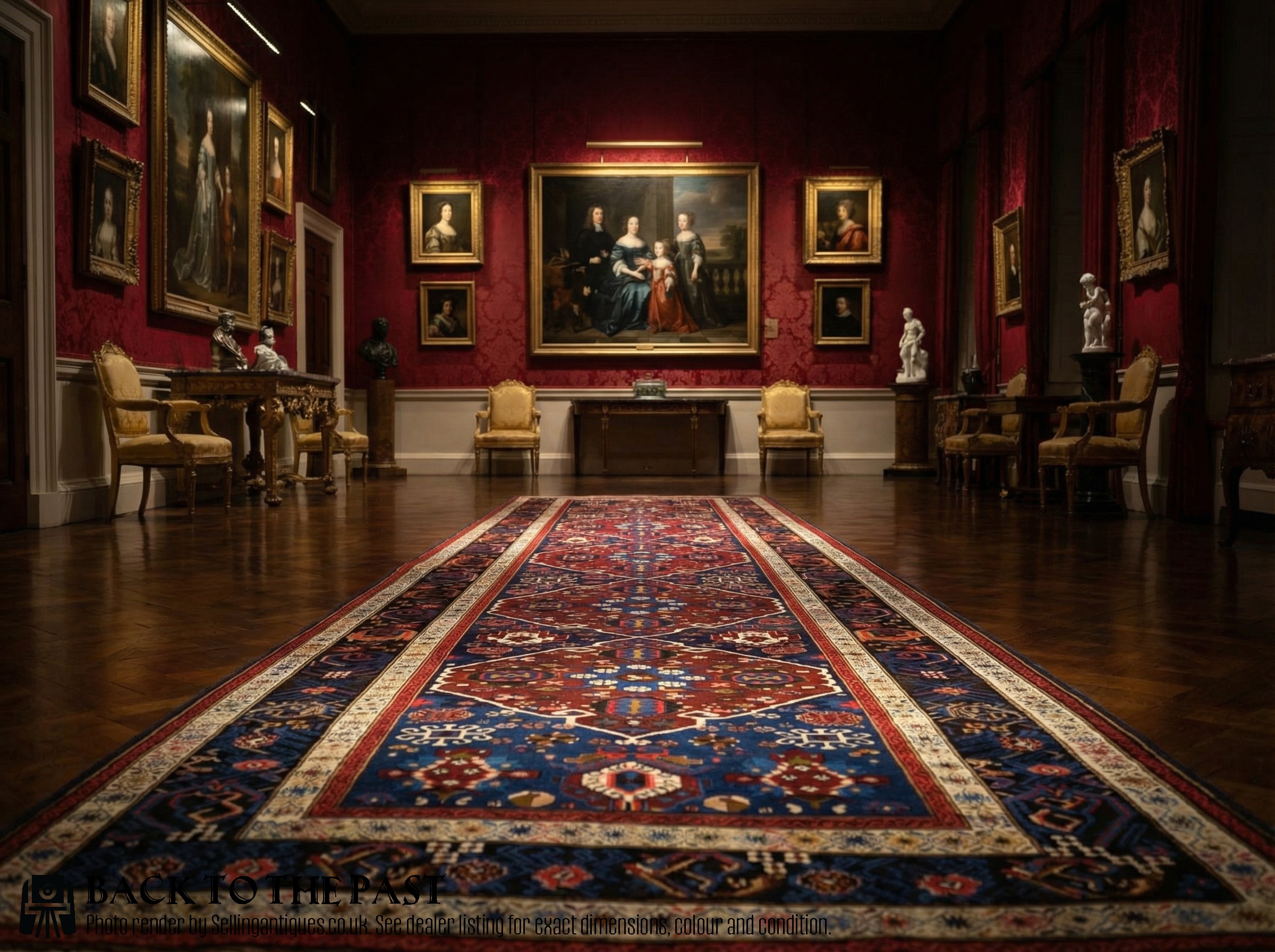
The construction of a vintage tribal carpet typically relies on wool, hand-spun wool, and cotton, utilising sturdy foundations of cotton thread or wool warp and weft. Weavers knotted piles by hand onto these supportive frameworks, incorporating felted wool and silk thread in specific regional types or ceremonial objects like horse blankets. Natural dyes provided the foundational palette, yielding warm reds, olive greens, and mellow multi-coloured hues that age gracefully over decades.
Weaving techniques varied by region and nomadic custom, encompassing pile carpets, flat-woven kilims, and embroidered ceremonial felts. Artisans tied symmetrical or asymmetrical knots depending on tribal tradition, producing dense, hard-wearing surfaces designed to withstand heavy domestic use. The combination of hand-spun materials and natural dyeing processes ensures each textile possesses subtle tonal variations across the field.
Vintage Tribal Carpet Retail Price Guide 2026
Typical asking prices for vintage tribal carpet among the pieces listed under this phrase on Sellingantiques today, from the lower quarter to the upper quarter. They describe what is for sale here now, not the wider market.
Listings feature pieces spanning the nineteenth century through the 1930s, utilising wool, natural dyes, and cotton threads across runner and rug formats.
Determinants of quality
Quality in a vintage tribal carpet stems from the integrity of the materials and the precision of the hand-knotting. Higher-grade examples utilise dense hand-spun wool and stable natural dyes that retain their vibrancy and depth over time. The tightness of the weave and the clarity of the geometric design further distinguish superior village and nomadic work from standard production.
Proportional harmony and colour saturation dictate the visual success of the piece. Master weavers achieved balanced compositions where secondary borders and central medallions integrate seamlessly without awkward crowding or distortion. The richness of the palette, whether through warm reds or mellow multi-coloured tones, elevates the overall presence of the textile.
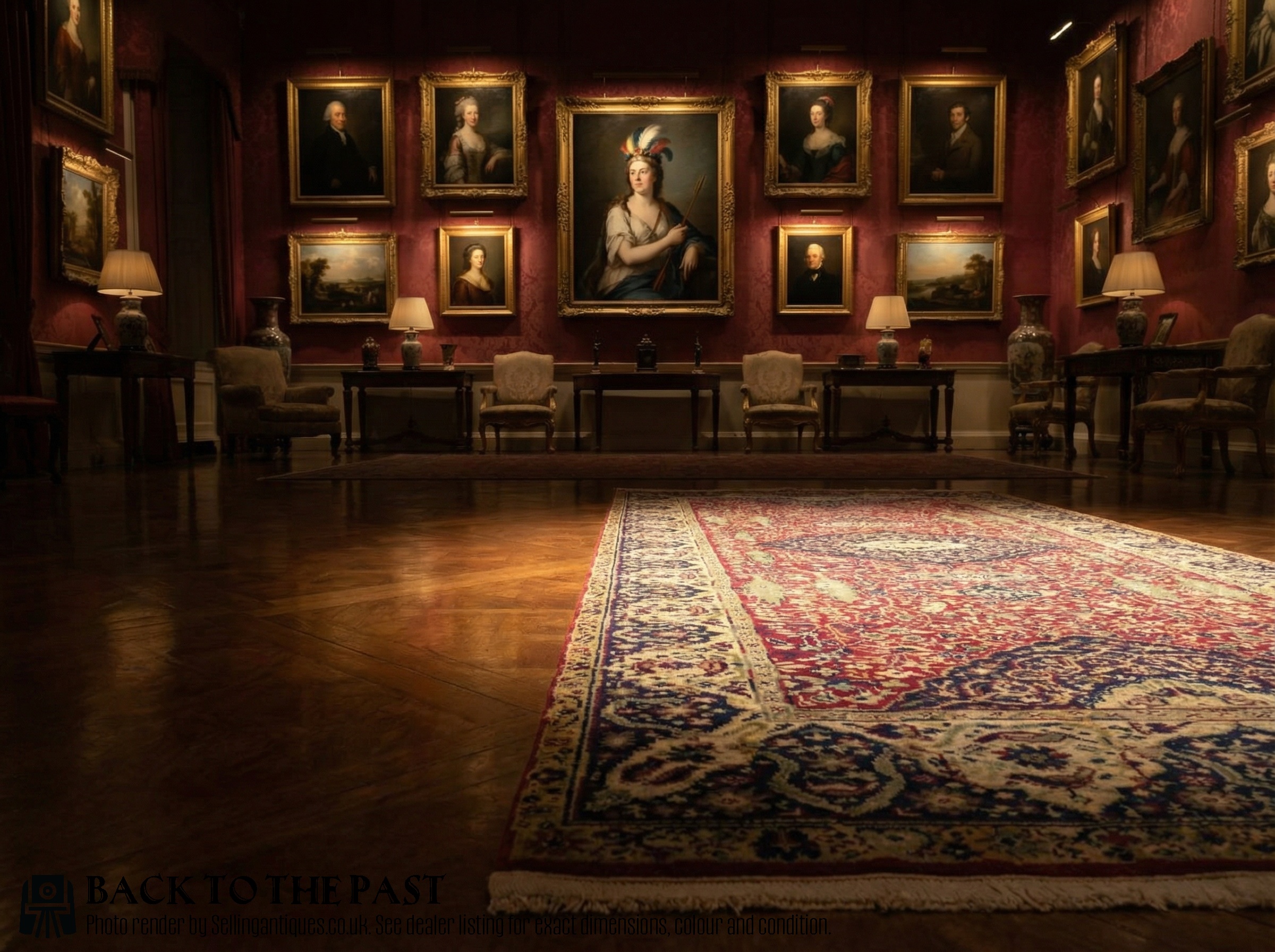
The Vintage Tribal Carpet Glossary
- Warp
- The vertical foundation threads stretched lengthwise on the loom before weaving begins. These sturdy cotton or wool threads support the entire structure of the carpet.
- Weft
- The horizontal threads passed alternately over and under the warp threads to bind the knots in place. They determine the firmness and flexibility of the textile body.
- Pile
- The upright cut ends of yarn that form the soft surface of the carpet. The density and height of this wool layer affect the tactile feel and durability of the piece.
- Kilim
- A flat-woven carpet or rug produced without a raised pile. These lightweight textiles employ interlocking weft techniques to create sharp geometric patterns.
- Prayer rug
- A small format textile featuring a characteristic mihrab or arch design indicating the direction of Mecca. These portable rugs served devotional purposes in domestic settings.
Vintage Tribal Carpet: Frequently Asked Questions
How do I clean a vintage tribal carpet?
Gentle surface vacuuming without a beater bar removes loose dust and debris accumulated in the wool pile. Professional specialist cleaning remains essential for deep washing to protect natural dyes and fragile foundations.
Harsh chemical detergents and excessive moisture cause wool fibres to degrade and colours to bleed. Regular rotation ensures even wear across high-traffic areas of the room.
Where were these carpets made?
Weavers produced these textiles across nomadic encampments, rural villages, and provincial towns in Persia, Anatolia, the Caucasus, and Central Asia. Each tribal group utilised distinct wool types and regional dye palettes.
Workshops in regions such as Shiraz, Kerman, and Karabakh developed signature motifs that identify their geographic origin. This localized production creates the rich diversity found among surviving nineteenth and twentieth-century examples.
Are these carpets suitable for heavy foot traffic?
Dense wool construction and sturdy hand-knotting provide the durability required for everyday use in hallways and living spaces. Runner formats function effectively in high-traffic corridors when paired with appropriate rug underlays.
Placing quality underlays underneath prevents slipping and reduces friction against hard flooring surfaces. Delicate flat-weaves and ceremonial textiles require gentler placement away from heavy foot traffic.
How do I identify different tribal styles?
Stylistic attribution relies on examining characteristic geometric motifs, border arrangements, and primary colour combinations. Turkmen rugs often feature dark red fields with gul medallions, while Kazak examples display bold primary colours and large polygons.
Studying structural details such as selvedge finishes and end-webbing offers further clues to tribal origin. Comparing specific regional patterns helps distinguish Anatolian village work from Persian tribal output.