

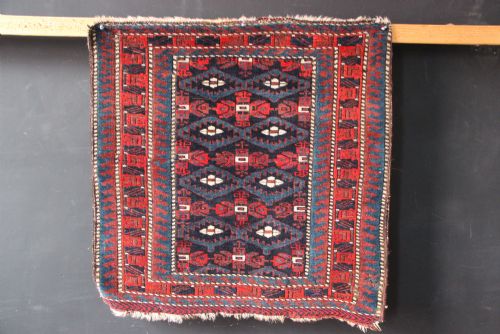
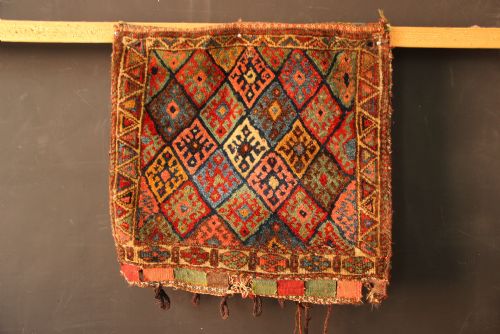
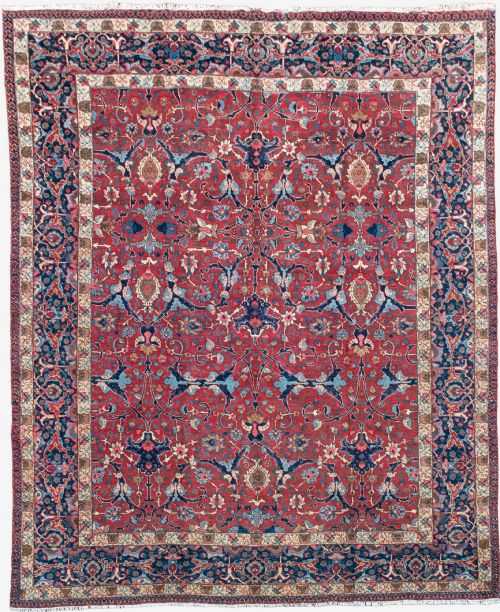
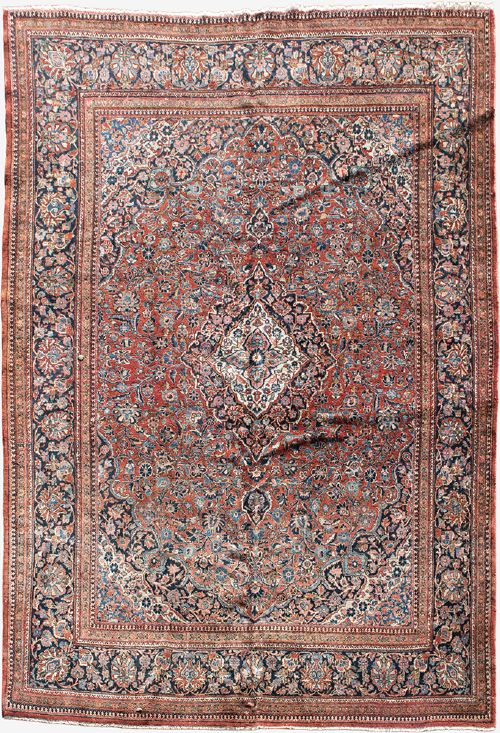
Antique Woven Rug
An antique woven rug brings historical textiles into modern rooms through varied Persian, Caucasian and tribal designs.
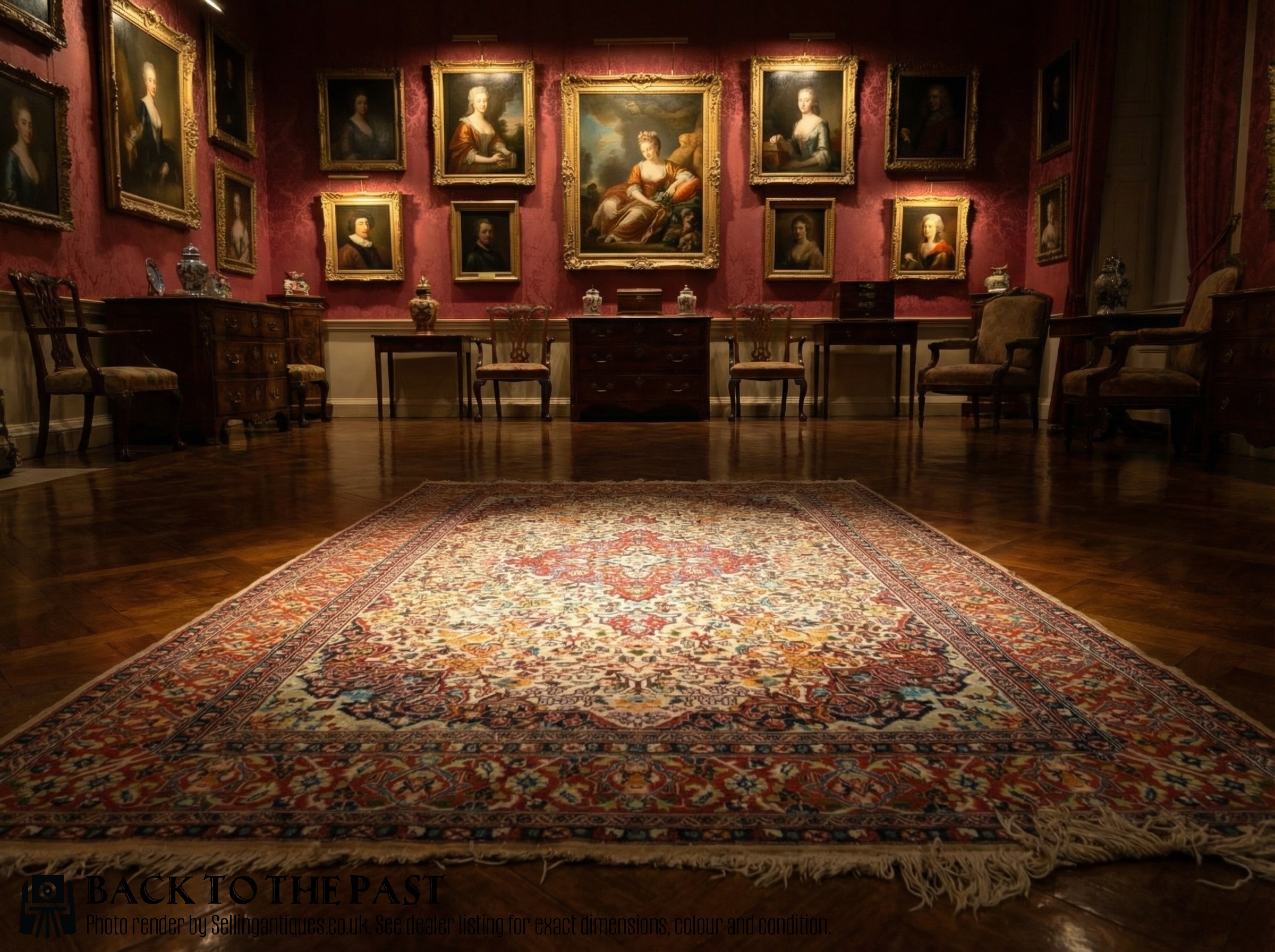
Antique Woven Rug
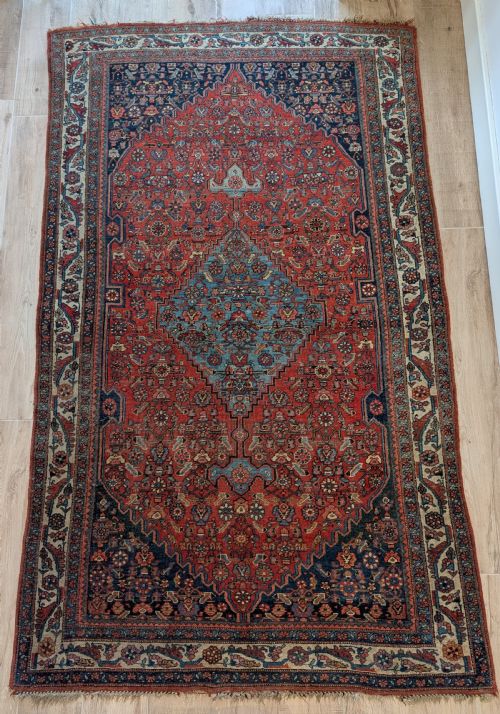
An antique woven rug comprises floor coverings, runners, saddle covers and bags produced across Persia, the Caucasus, Anatolia, Tibet and Turkmenistan from the nineteenth century into the twentieth century. These textiles originate from village workshops, nomadic tribes and urban centres, displaying regional patterns passed down through generations.
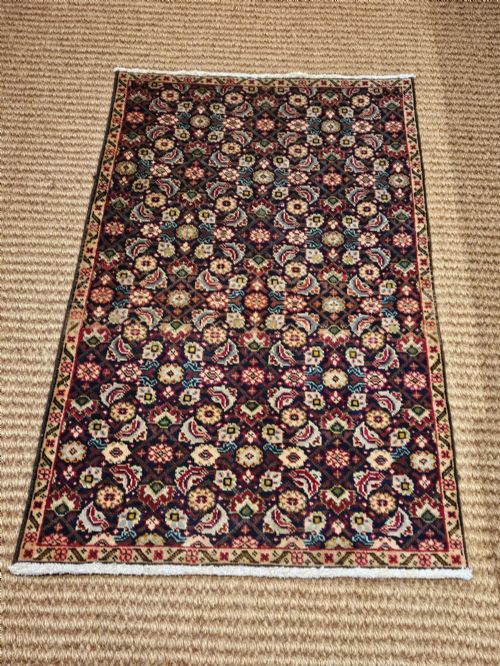
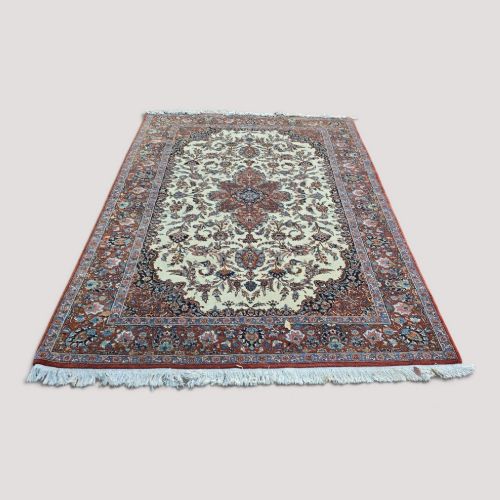
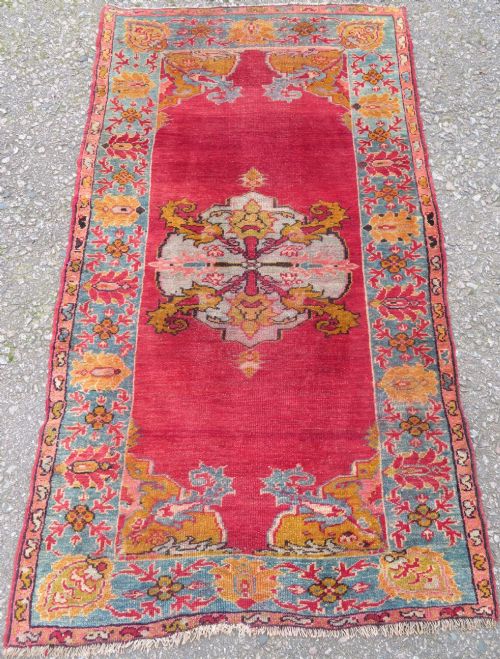
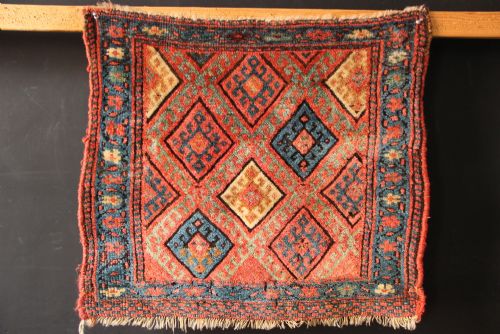
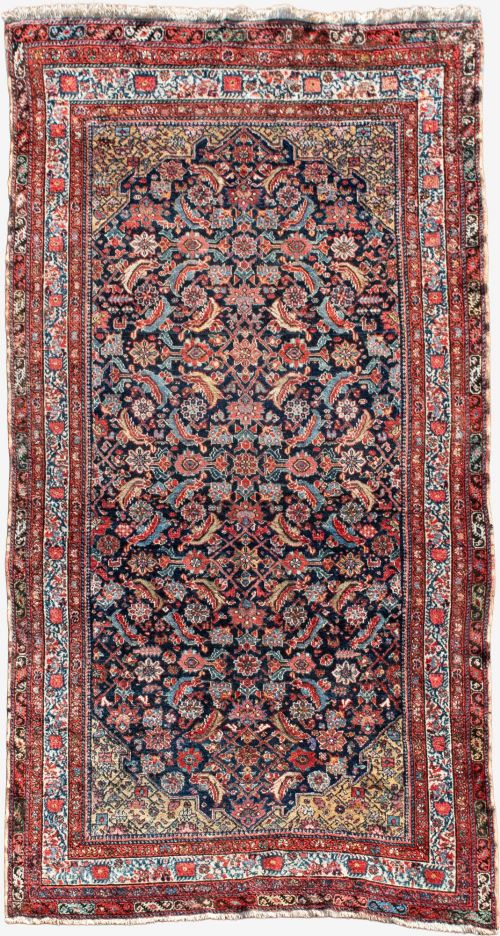
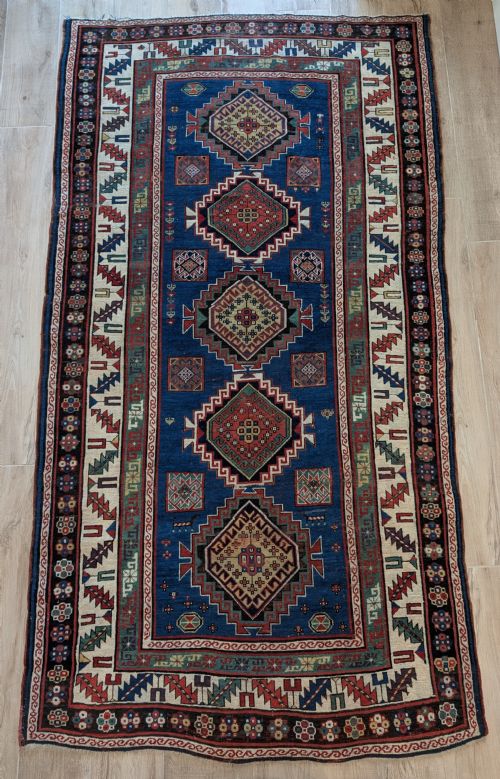
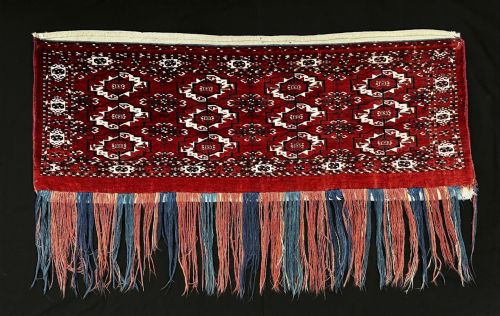
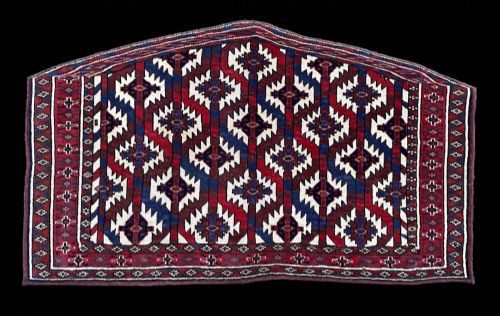
Village and tribal pieces dominate this selection, featuring geometric motifs, medallions and tribal symbols linked to specific groups such as the Afshar, Bakhtiar, Kazak, Kurdish, Yomut and Turkmen. Alongside these smaller formats sit larger room-size carpets from Tabriz, Heriz, Mahal and Isfahan.
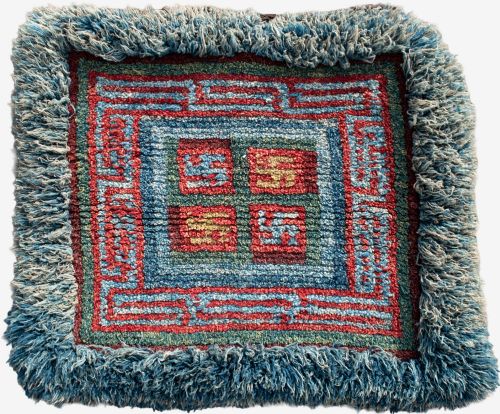
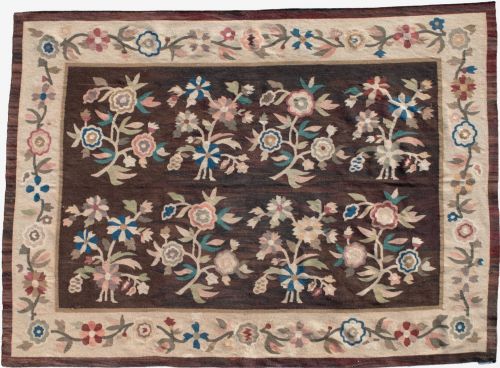
The practical forms range from small prayer rugs and square formats to long runners and expansive carpets designed for country house interiors. Each piece reflects the utilitarian and decorative traditions of its maker, bridging functional floor covering and textile art.
How they were made
Makers constructed these rugs using wool, hand-spun wool, cotton and occasional silk highlights, with foundations typically built from wool or cotton warps and wefts. Weavers knotted or flat-wove the pile by hand on upright looms, employing natural dyes to achieve deep reds, rusts and mellow background colours.
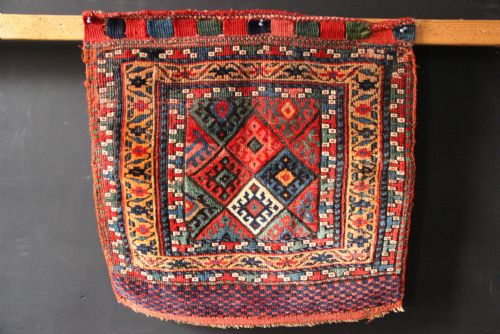
Nomadic and village pieces often utilise thick hand-spun wool for durability, while city carpets incorporate finer knotting on cotton foundations. Certain specialised items include glass beads or fine silk elements, particularly in regional bags and ceremonial pieces from Persia and Central Asia.
Antique Woven Rug Retail Price Guide 2026
Typical asking prices for woven rug among the pieces listed under this phrase on Sellingantiques today, from the lower quarter to the upper quarter. They describe what is for sale here now, not the wider market.
The inventory includes nineteenth-century pieces alongside items dated across the decades up to 1930, utilising wool, cotton, silk and hand-spun wool.
What varies in quality
Knot density and structural tightness dictate the fineness of the weave, separating dense city productions from looser tribal nomadic pieces. The precision of the geometric or floral layout and the harmonious balance of the natural dye palette define the visual success of the textile.
Condition and intact borders influence the integrity of the piece, alongside the clarity of regional symbols like guls, medallions and tree of life motifs. Original edge finishes and surviving pile depth determine how well a rug retains its intended appearance.
The Antique Woven Rug Glossary
- Gul
- A repeating octagonal or medallion motif commonly found in Turkmen and tribal rugs. These design elements often identify the specific weaving tribe.
- Kilim
- A flat-woven carpet or rug produced without a pile. These pieces rely on interlocking weft techniques to create sharp geometric patterns.
- Prayer rug
- A small format rug featuring a mihrab or arch design at one end. Historically used for daily Islamic prayers, orienting the niche toward Mecca.
- Runner
- A long, narrow carpet format designed for corridors, hallways and staircases. These pieces balance length with restricted width.
- Saddlebag
- A utilitarian nomadic bag woven in pairs to carry possessions on animals. These survive as highly decorative small textile panels.
Antique Woven Rug: Frequently Asked Questions
How do I clean an antique rug?
Professional specialist cleaning is essential for antique textiles to protect fragile natural wool fibres and historic dyes. Vacuum gently without a rotating brush to prevent pulling the pile.
Avoid harsh chemical detergents and direct exposure to heavy moisture. Regular rotation distributes foot traffic evenly across the surface.
Where were these rugs made?
Production spans regions including Persia, the Caucasus, Anatolia, Turkmenistan and Tibet. Specific areas such as Kerman, Shiraz, Kazak and Heriz developed distinct weaving styles.
Nomadic groups and village communities produced geometric tribal pieces, while urban centres favoured complex floral carpets.
Are these rugs suitable for daily use?
Traditional wool and cotton construction provides high durability for residential floors. Placing a quality underlay beneath the textile prevents slipping and reduces fibre wear.
High-traffic areas benefit from denser pile carpets, while delicate silk or fine tribal bags suit wall display or light placement.