

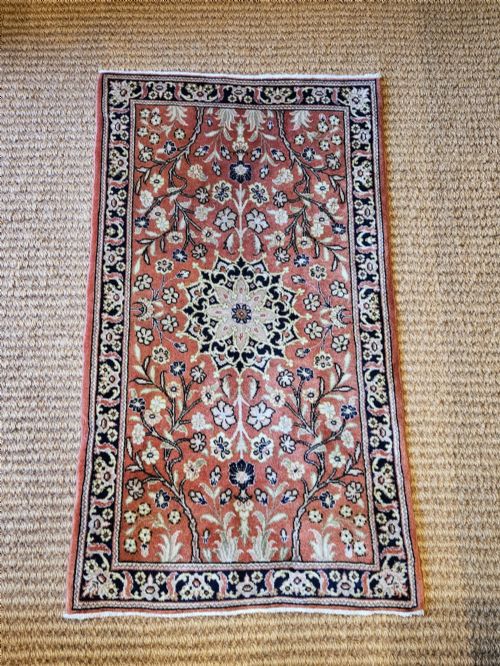
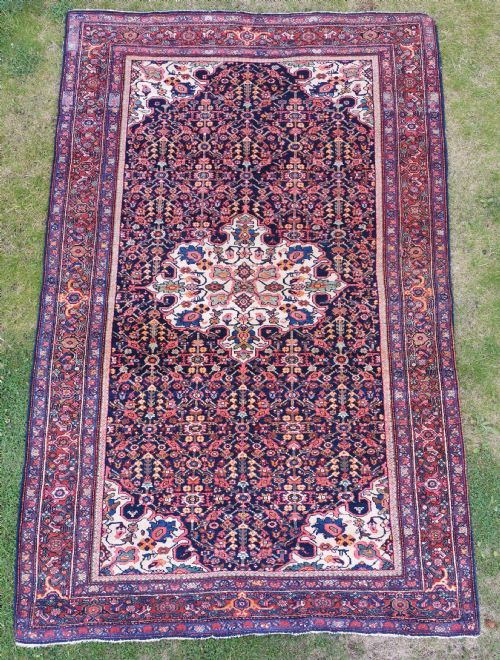
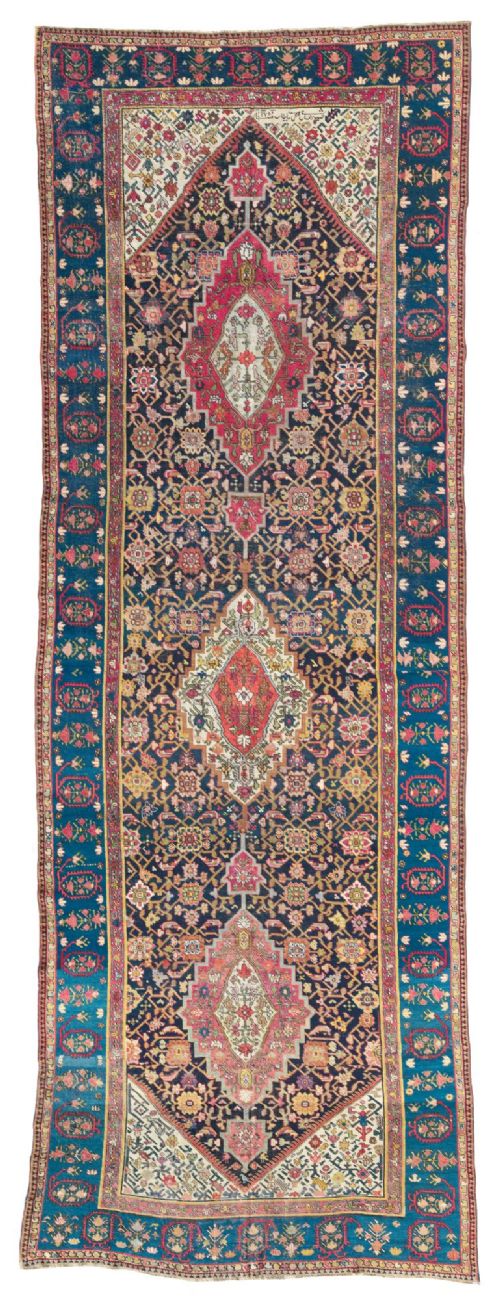
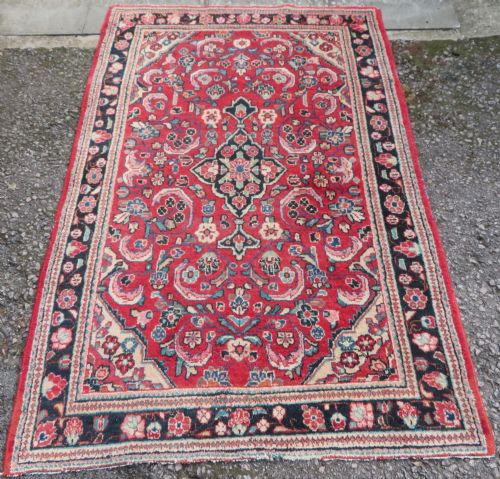
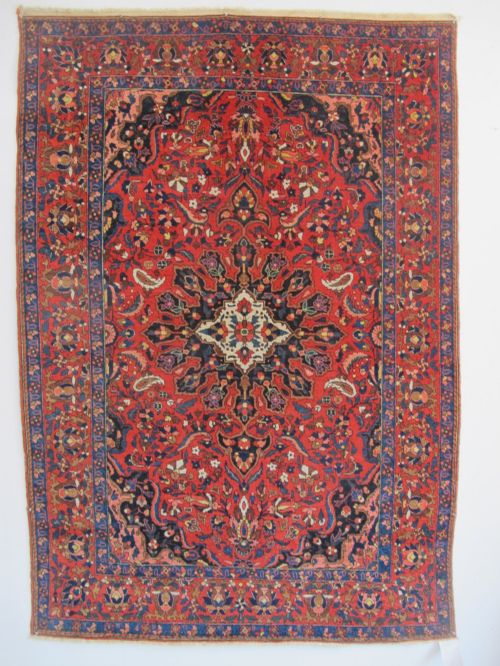
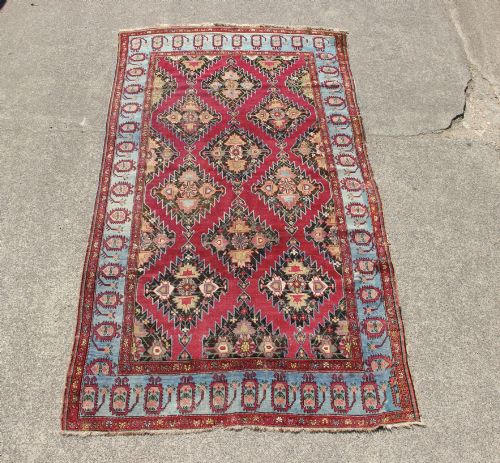
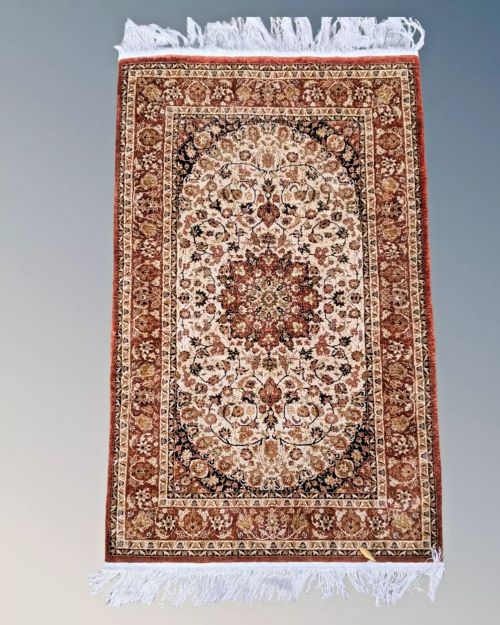
Floral Medallion Rug
A floral medallion rug brings centuries of woven artistry into a room, anchoring the floor with intricate central motifs.
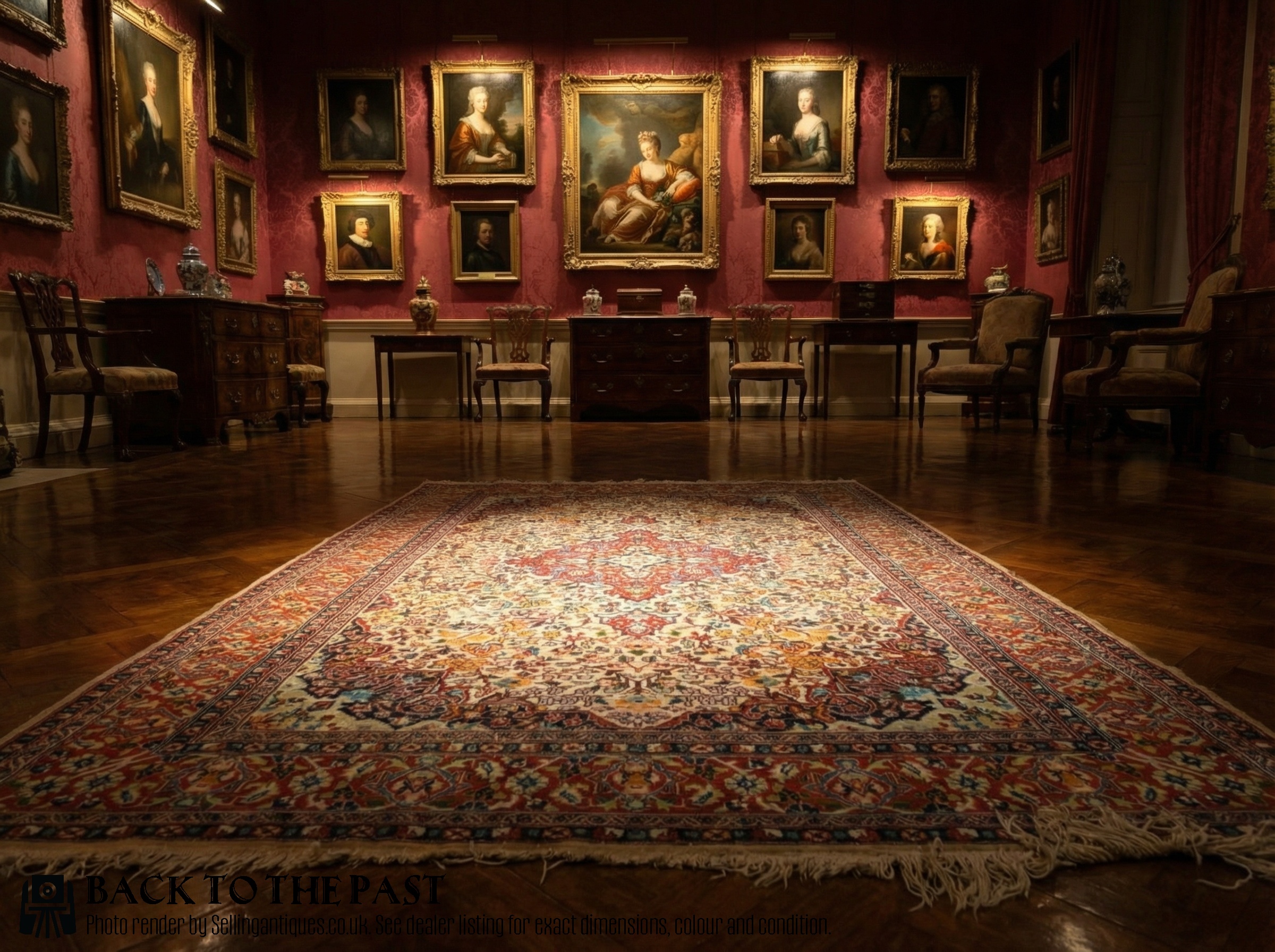
Floral Medallion Rug
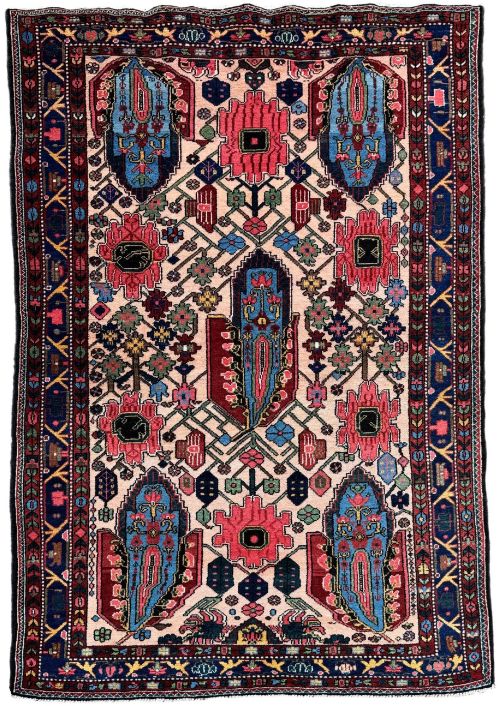
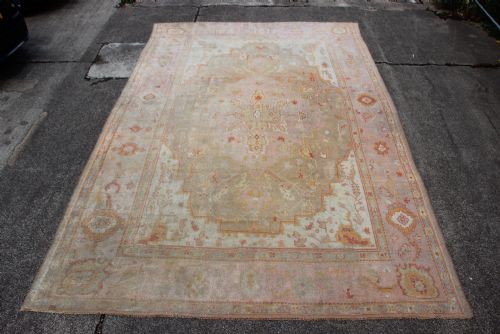
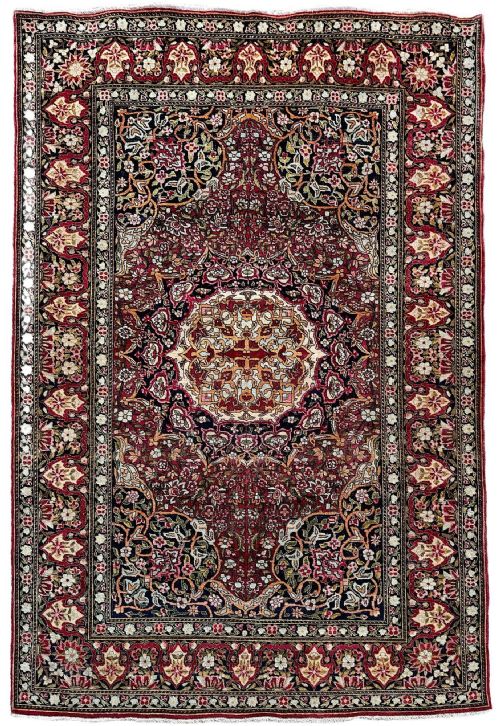
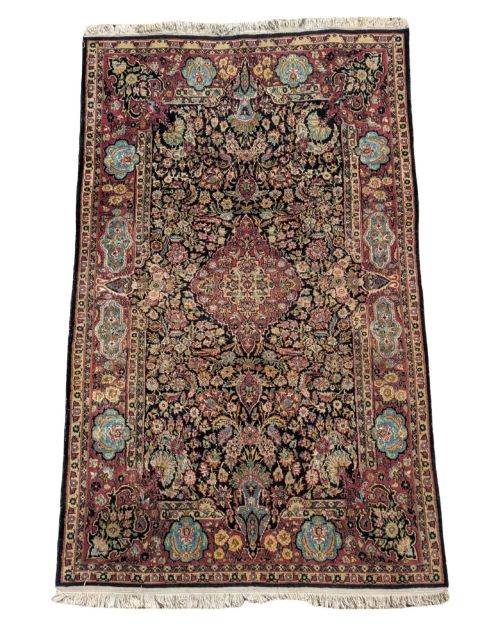
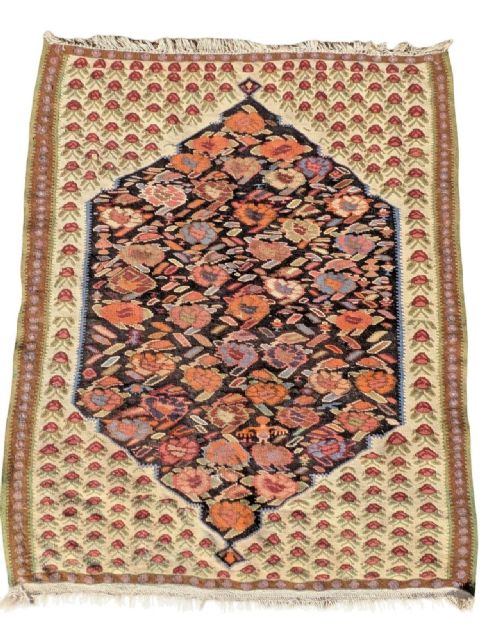
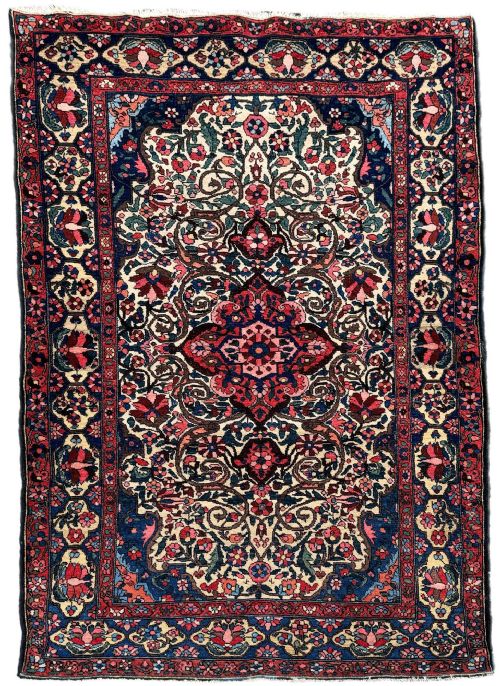
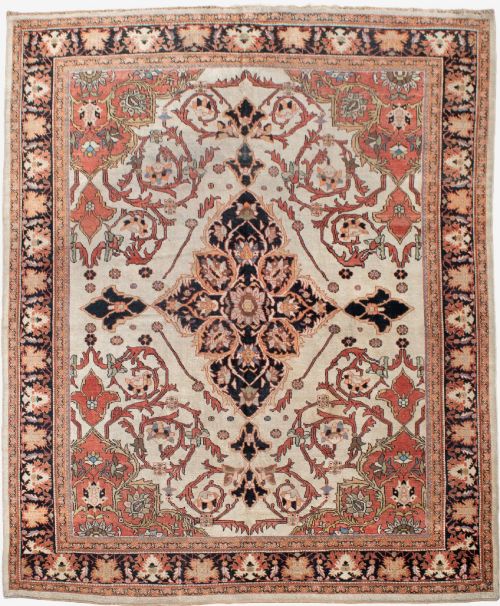
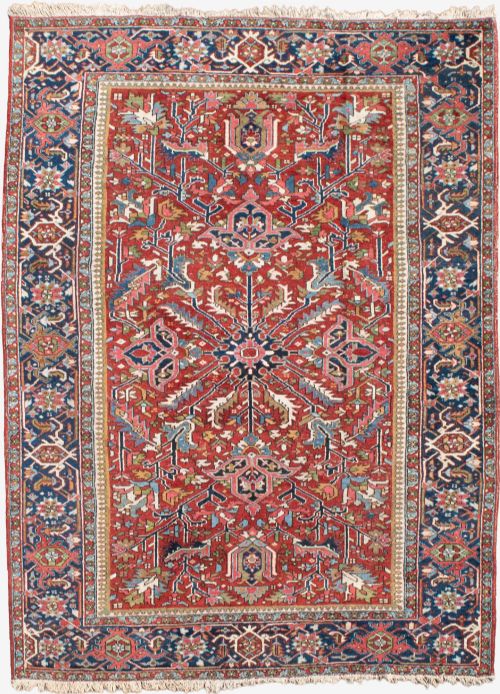
A floral medallion rug centres its design on a prominent ornamental motif surrounded by botanical fields and borders. These floor coverings emerge from Persian, Caucasian, Ottoman, Indian and Chinese traditions dating from the nineteenth century into the early twentieth century.
Village and city workshops produced these textiles in varied formats, ranging from hearth-sized mats to large room-size carpets and long runner rugs. The floral medallion rug format encompasses specific regional styles such as Bakhtiar, Tabriz, Mahal, Heriz, Kashan and Isfahan.
Buyers encounter room-size Persian carpets alongside smaller village pieces and occasional kilims or tapestry variants. Each specimen reflects the specific weaving centres and nomadic traditions of its geographic origin.
Assessing quality and execution
Knot density and structural tightness dictate the fineness of the weave, separating room-size city workshop masterpieces from simpler village productions. Superior examples display precise symmetry within the central medallion and crisp delineation along the floral borders.
The choice of materials influences both durability and visual depth, particularly where weavers integrated silk highlights or exceptionally fine wool. Dyes of superior origin maintain their tonal complexity without muddying adjacent colours as the textile ages.
Floral Medallion Rug Retail Price Guide 2026
Typical asking prices for floral medallion rug among the pieces listed under this phrase on Sellingantiques today, from the lower quarter to the upper quarter. They describe what is for sale here now, not the wider market.
Materials recorded across these textiles include cotton, wool, silk and wool felt.
Benlian
The Floral Medallion Rug Glossary
- Medallion
- The central ornamental design element placed in the middle of the carpet field. This focal point often mirrors the corner spandrels in its botanical motifs.
- Kelleh
- A long, narrow format carpet traditionally suited for placement along the side of a large room. These formats offer distinct proportions compared to standard rectangular room sizes.
- Kilim
- A flat-woven textile produced without a pile. These pieces rely on interlocking weft threads to create geometric and floral patterns.
- Spandrel
- The triangular section situated in the corners of the field surrounding a central medallion. Weavers often coordinate these decorative corners directly with the central design.
- Warp
- The vertical foundation threads stretched lengthwise on the loom before knotting begins. Weft threads are subsequently passed across these structural elements to secure the weave.
Floral Medallion Rug: Frequently Asked Questions
How do I identify a Bakhtiar rug?
Bakhtiar rugs typically feature partitioned garden designs or distinct floral medallions woven by village artisans in western Persia. Their sturdy wool construction and geometric floral arrangements set them apart from finer city carpets.
Look for robust colour palettes and compartmentalised motifs that reflect traditional tribal weaving techniques from the late nineteenth and early twentieth centuries.
Where were Oushak carpets made?
Oushak carpets originated in the historic town of Ushak in western Anatolia, now part of Turkey. These large carpets are known for their luminous wool and expansive, softer designs.
They frequently employ muted pastel tones and large-scale floral patterns that suit contemporary and traditional interiors alike.
Are antique silk rugs durable?
Antique silk rugs provide exceptional detail and lustrous visual depth due to the fine nature of silk fibres. However, silk possesses lower tensile strength than wool under heavy foot traffic.
Collectors generally place these delicate textiles in low-traffic areas or display them as wall-hanging textile panels to preserve their integrity.
What is a Kelleh carpet?
A Kelleh is a traditional format descriptor for a carpet that is significantly longer than it is wide. These pieces served specific architectural functions in historic homes.
They provide an elongated decorative surface ideal for narrow hallways, grand corridors or specific room layouts.