




Pink Wool Rug
A pink wool rug brings warmth and historic dye work to a room, offering distinct regional patterns woven across the nineteenth and twentieth centuries.
Pink Wool Rug
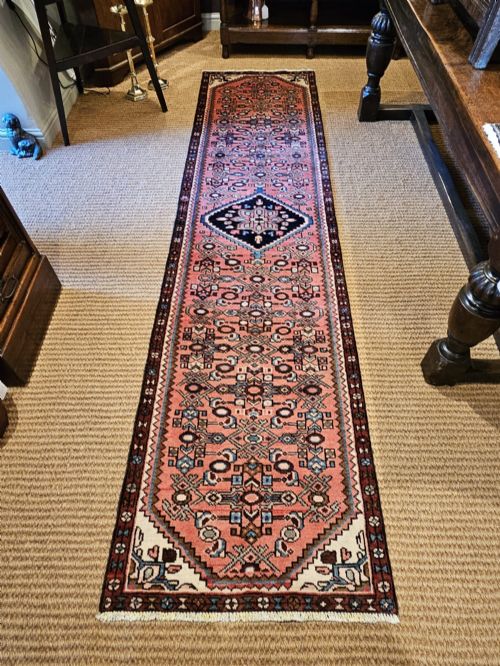
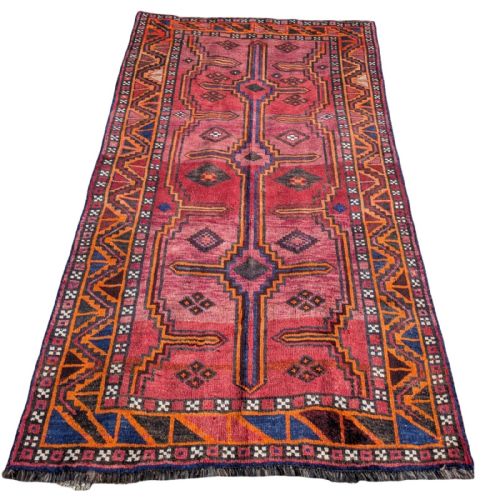
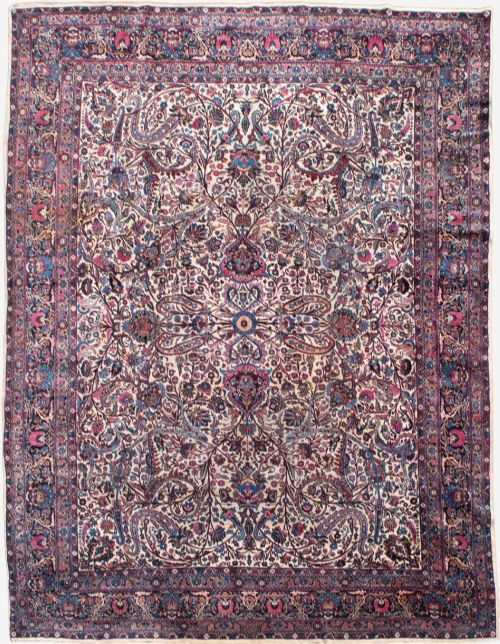
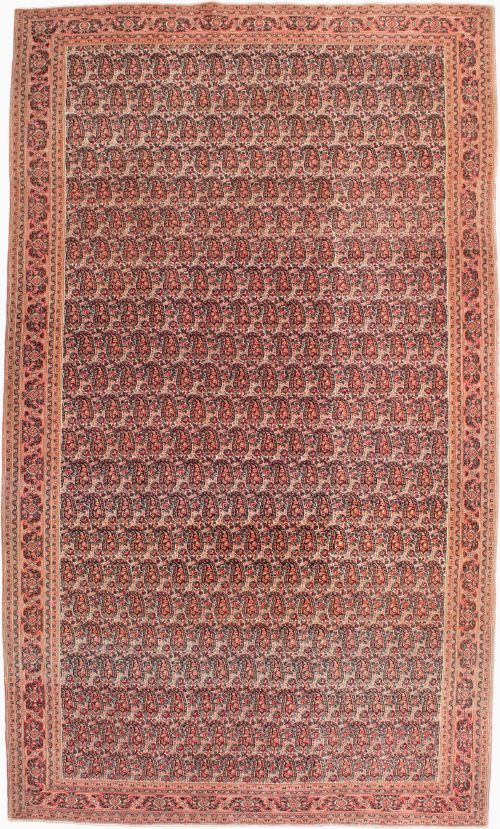
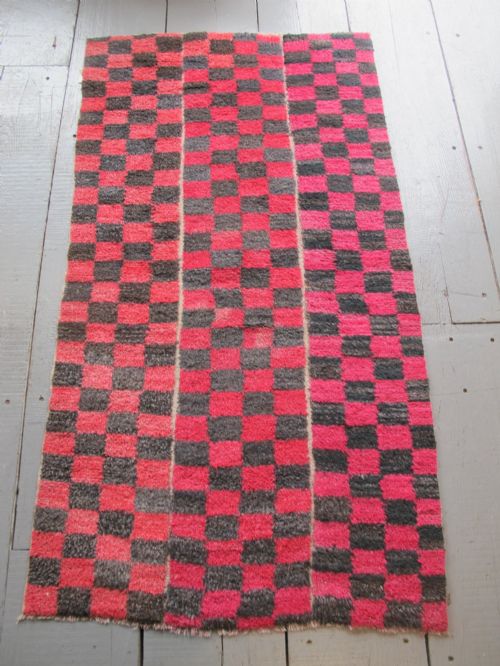
A pink wool rug encompasses floor coverings woven from wool, featuring natural or traditional dye grounds in shades of pink, rose, and madder. These textiles appear across multiple origins, including Persian, Turkish, Caucasian, and Moroccan workshops and tribal groups.
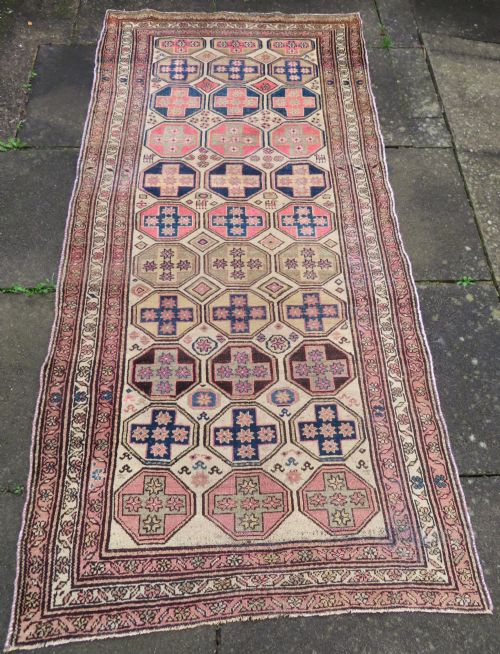
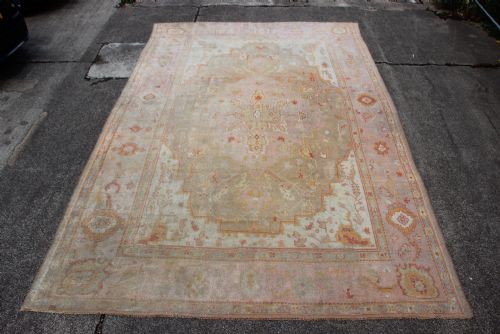
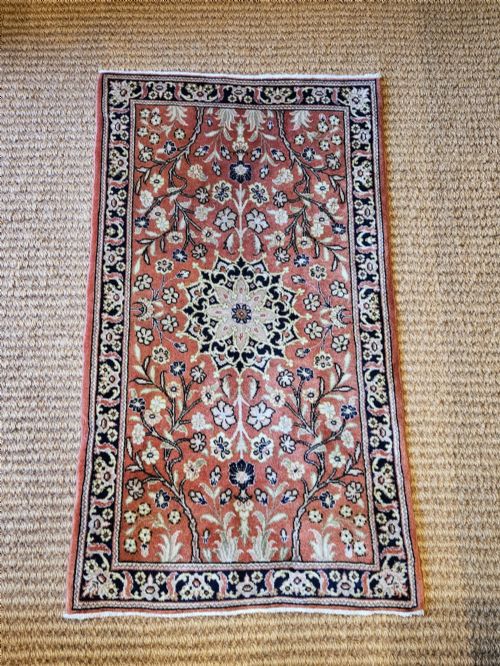
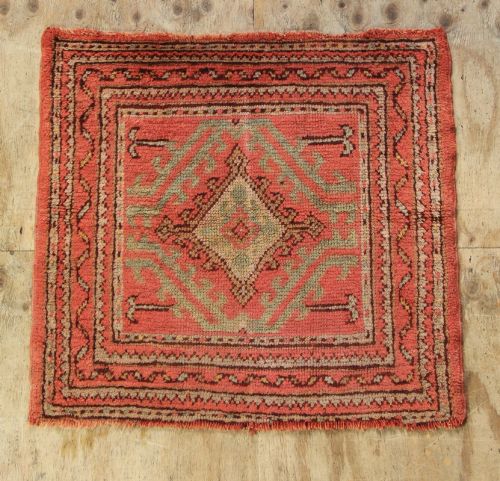
The pieces available span from small hearth mats and meditation rugs to large room-sized carpets and long hallway runners. Dating typically ranges from the late nineteenth century through the early twentieth century.
Buyers encountering this selection will find examples ranging from village flatweaves and tribal kilims to finely knotted city carpets. Each piece demonstrates the distinct weaving traditions of its specific region of origin.
Materials and construction
Construction relies primarily on sheep wool, occasionally supplemented by Tibetan wool or cotton foundations, hand-woven or hand-knotted by makers using traditional upright or horizontal looms. Pile carpets use hand-tied knots, whilst flatweaves and kilims employ interlocking weft techniques.
Colouring is achieved through wool fibres treated with natural dyes, yielding soft faded patinas and varied pink grounds derived from traditional botanical and insect sources. The interaction between wool pile and natural dye variations creates depth across the surface of each carpet.
Pink Wool Rug Retail Price Guide 2026
Typical asking prices for pink wool rug among the pieces listed under this phrase on Sellingantiques today, from the lower quarter to the upper quarter. They describe what is for sale here now, not the wider market.
Listings feature wool rugs spanning from the 1870s to the 1930s, incorporating styles from Persian, Anatolian, Caucasian, and Moroccan traditions.
Factors of quality
Quality in these textiles depends upon the density of the weave, the fineness of the wool, and the integrity of the structural foundation. Tighter knotting and durable wool selection allow historical pieces to withstand centuries of use.
Artistic execution and dye stability distinguish exceptional examples from standard production. Harmonious colour distribution and balanced regional motifs separate finer weaving traditions from simpler village or nomadic pieces.
The Pink Wool Rug Glossary
- Kilim
- A flatwoven carpet or rug produced without a pile, traditionally made across Anatolia, the Caucasus, and Persia. These textiles rely on interlocking weft threads to create geometric patterns.
- Pile
- The upright loops or cut ends of yarn that form the soft surface of a carpet. It provides texture and protects the structural foundation underneath.
- Runner
- A long, narrow carpet format designed specifically for hallways, corridors, or staircases. Dimensions typically feature an elongated rectangular proportion.
- Meditation rug
- A small-format textile traditionally utilised for personal contemplation or prayer practices. These pieces often feature specific central iconography or compact dimensions.
- Natural dyes
- Colourants derived from plants, insects, and minerals rather than synthetic chemical compounds. They produce subtle tonal variations and age with a soft patina.
Pink Wool Rug: Frequently Asked Questions
How do I clean an old wool rug?
Professional specialist cleaning is recommended for antique wool textiles to preserve the natural lanolin and historic dyes. Regular gentle vacuuming without a beater bar prevents dust accumulation within the pile.
Avoid harsh chemical detergents or excessive moisture, which can damage the wool fibres and cause colour bleeding across pink and red dye grounds.
Where were these rugs made?
The pieces originate from traditional weaving centres across Persia, Turkey, the Caucasus, India, China, and North Africa. Each region developed distinct structural techniques and design vocabularies.
Nomadic tribes, village workshops, and urban manufactories all contributed specific patterns and material combinations to this diverse tradition.
Are these rugs durable enough for daily use?
Historical wool rugs possess considerable resilience due to the natural strength and elasticity of animal fibres. Placing a quality underlay beneath the textile prevents slippage and reduces friction against hard flooring.
High-traffic areas benefit from denser pile carpets or sturdy flatweaves, whilst fragile or fine meditation rugs suit lower-traffic placement.
How can I tell the age of a rug?
Dating relies on examining structural characteristics, wool consistency, dye palettes, and regional design motifs. Natural dye fading and characteristic wear patterns offer visual clues to a textile's century of origin.
Comparative analysis with documented regional examples helps narrow the period of production between the nineteenth and early twentieth centuries.