





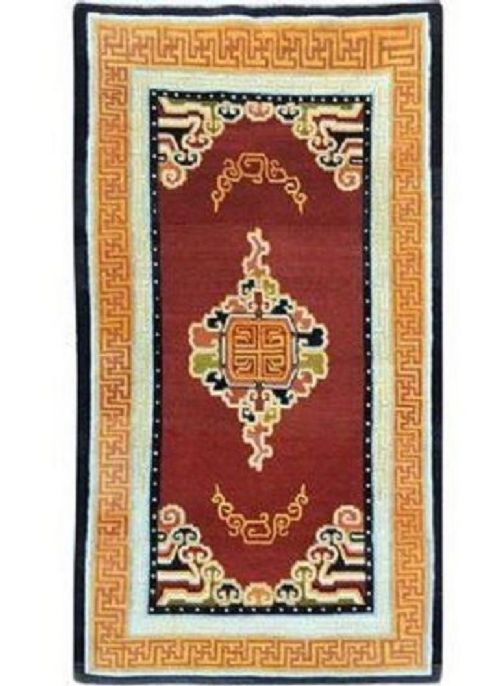
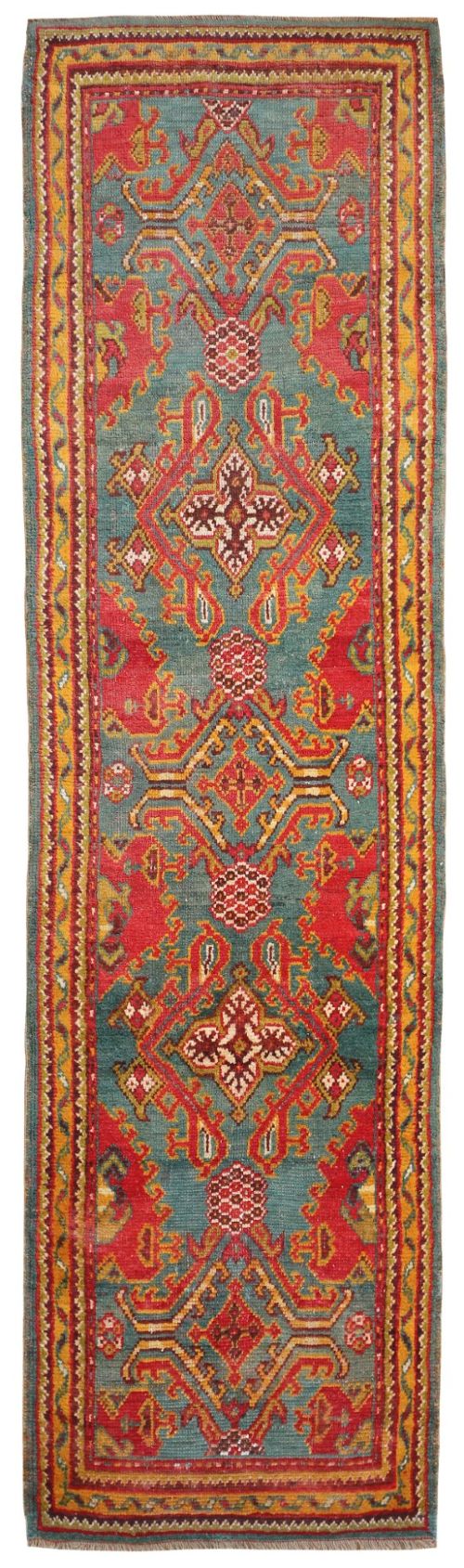
Traditional Wool Runner
A traditional wool runner brings genuine warmth and historical character to a hallway, spanning diverse tribal and regional aesthetics from the nineteenth and twentieth centuries.
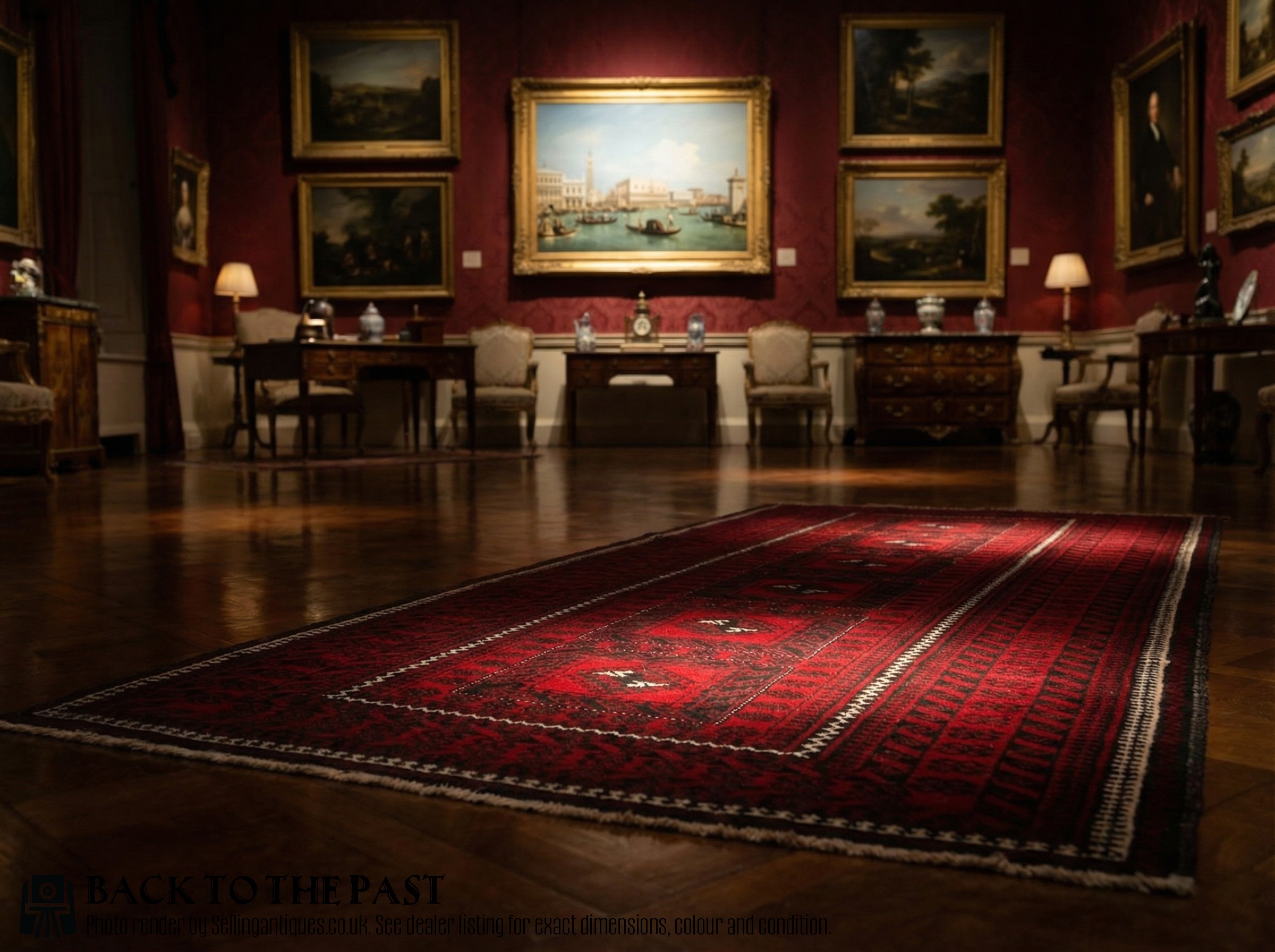
Traditional Wool Runner
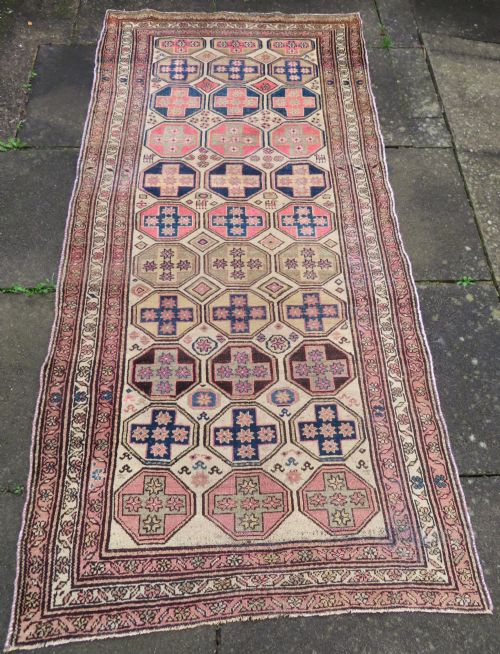
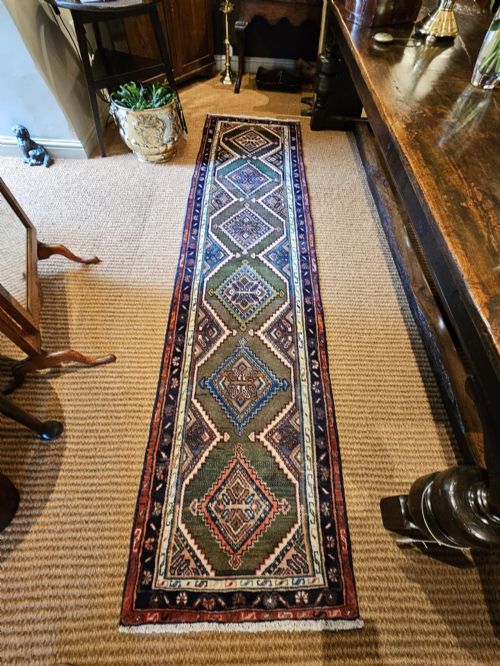
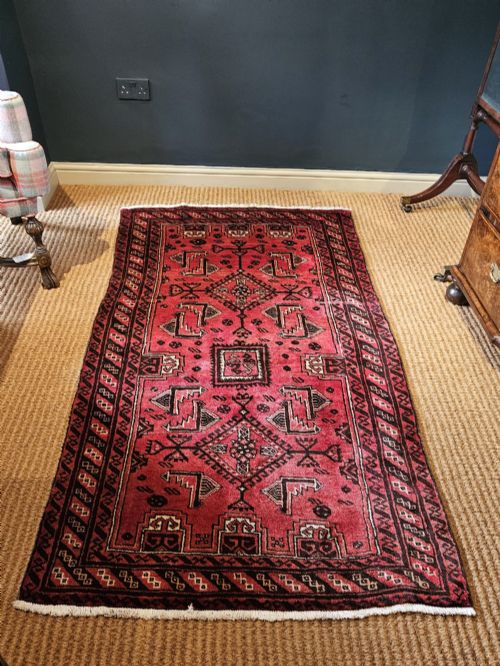
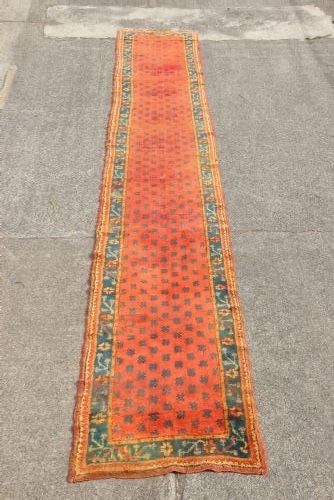
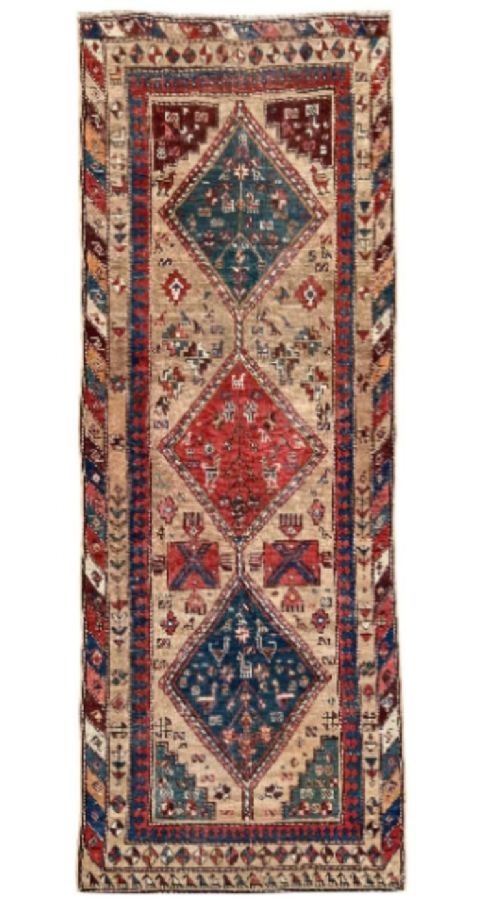
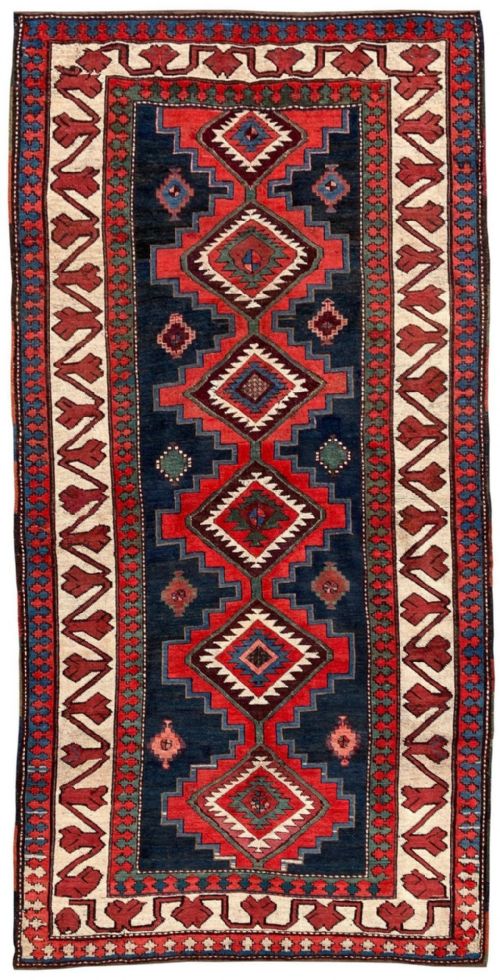
When you search for a traditional wool runner, you encounter long, narrow floor coverings designed for corridors, landings and high-traffic circulation spaces. These pieces emerge from rich weaving traditions across Persia, the Caucasus, Turkey, Central Asia and Tibet, spanning the mid-nineteenth century through the 1930s. You will frequently meet formats that balance narrow widths with substantial lengths, utilised historically to protect timber floorboards while softening acoustics in large homes.
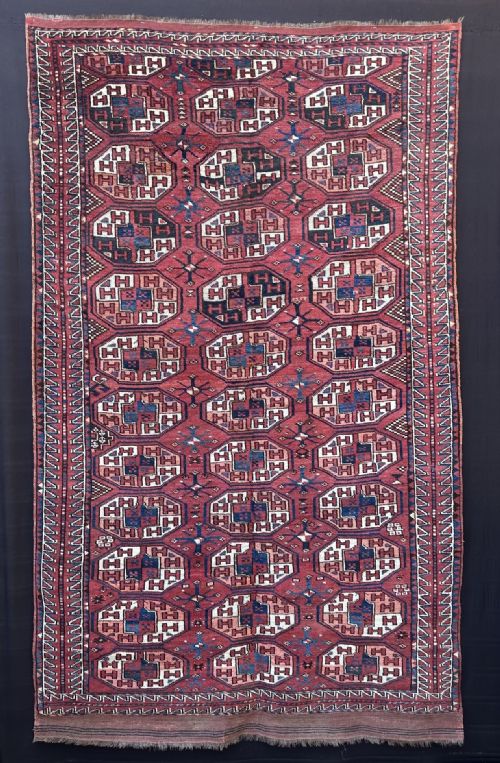
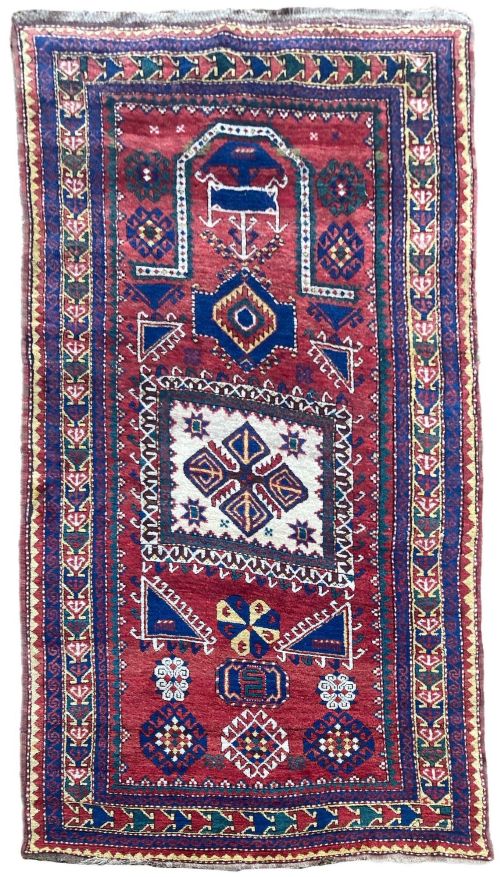
The regional diversity captured in these listings ranges from Kurdish and Baluch tribal village works to finely knotted Heriz, Hamadan, Oushak and Saroukh carpets. Alongside dedicated hallway runners, you will find related formats such as long rugs, kelims and prayer rugs sharing similar narrow proportions or robust pile construction. Each piece reflects the specific decorative vocabulary of its weaving community, from geometric Caucasian lattice patterns to flowing Persian floral arrangements.
How they were made
These textiles rely predominantly on wool pile knotted or woven onto sturdy foundations of cotton, wool, or occasionally linen. Camel hair also appears in specific foundational or pile applications, contributing natural tones and exceptional durability to nomadic and village weaving.
Weavers utilised hand-spun animal fibres and traditional dye methods, resulting in the deep olive greens, rich rusts and mellow multi-coloured palettes recorded across the periods. Structural techniques encompass everything from flat-woven kilims to dense knotted piles and embroidered crewelwork panels.
Traditional Wool Runner Retail Price Guide 2026
Typical asking prices for traditional wool runner among the pieces listed under this phrase on Sellingantiques today, from the lower quarter to the upper quarter. They describe what is for sale here now, not the wider market.
Nomadic weavers frequently embedded small intentional imperfections into symmetrical patterns to ward off the evil eye.
What varies in quality
Quality in these floor coverings rests upon the density of the knotting, the fineness of the spun wool and the precision of the geometric or curvilinear design execution. Village and tribal pieces demonstrate varying degrees of spontaneity in their motifs, where master weavers achieved sharper definition and more harmonious colour saturation.
The integrity of the foundational warps and wefts alongside the preservation of original selvedges dictates structural longevity. Pieces retaining rich, uncompromised pile depth and harmonious secondary colours command greater appreciation among collectors.
The Traditional Wool Runner Glossary
- Pile
- The upright yarn loops or tufts that form the usable surface of a carpet. This soft upper layer absorbs wear and displays the intricate patterns.
- Warp
- The stationary longitudinal threads stretched tightly on the loom before weaving begins. These parallel strands form the foundational skeleton of the textile.
- Weft
- The horizontal threads passed alternately over and under the warp yarns to lock the knots or flat-weave rows in place. Together with the warp, it creates the sturdy grid of the rug.
- Kilim
- A flat-woven carpet or rug produced without a pile by tightly interweaving warp and weft strands. This technique yields a lightweight, reversible textile with sharp geometric motifs.
- Selvedge
- The finished side edges of a rug formed by wrapping the outermost warp threads. Secure selvedges prevent the textile from fraying along its length.
- Mihrab
- A niche design motif found in prayer rugs indicating the direction of prayer. Its pointed arch shape directs the eye towards the spiritual centre of the composition.
Traditional Wool Runner: Frequently Asked Questions
Where should I place a long runner?
Narrow hallways, long corridors and entrance vestibules serve as traditional placements where these textiles manage foot traffic gracefully. They also add warmth alongside kitchen islands or beside bedroom furniture.
Ensure you position a quality underlay beneath the textile to prevent slipping on smooth timber or stone floors. This extra layer also cushions the pile against direct impact.
How do I date an antique runner?
Stylistic indicators such as colour palettes, structural materials and regional weaving traits provide reliable clues to a piece's era. Natural dye variations and specific tribal motifs often point toward nineteenth-century origins or early twentieth-century production.
Comparing knot structure and foundation materials against documented village workshops helps narrow down the decade of creation. Expert dealer attribution relies on years of handling comparable regional examples.
Are these runners durable for daily use?
Traditional wool construction combined with tight knotting ensures these floor coverings withstand generations of domestic life. Natural lanolin present in pure wool fibres repels routine dirt and provides inherent resilience.
Placing them in moderate-traffic areas allows the sturdy pile to age gracefully without premature thinning. Proper weight distribution and quality underlays further extend their functional lifespan.