



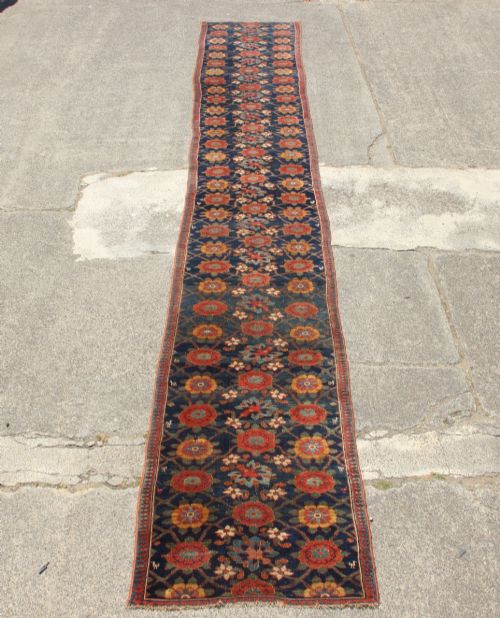
Long Oriental Runner
A long oriental runner brings narrow spaces to life with rich patterns woven across centuries.
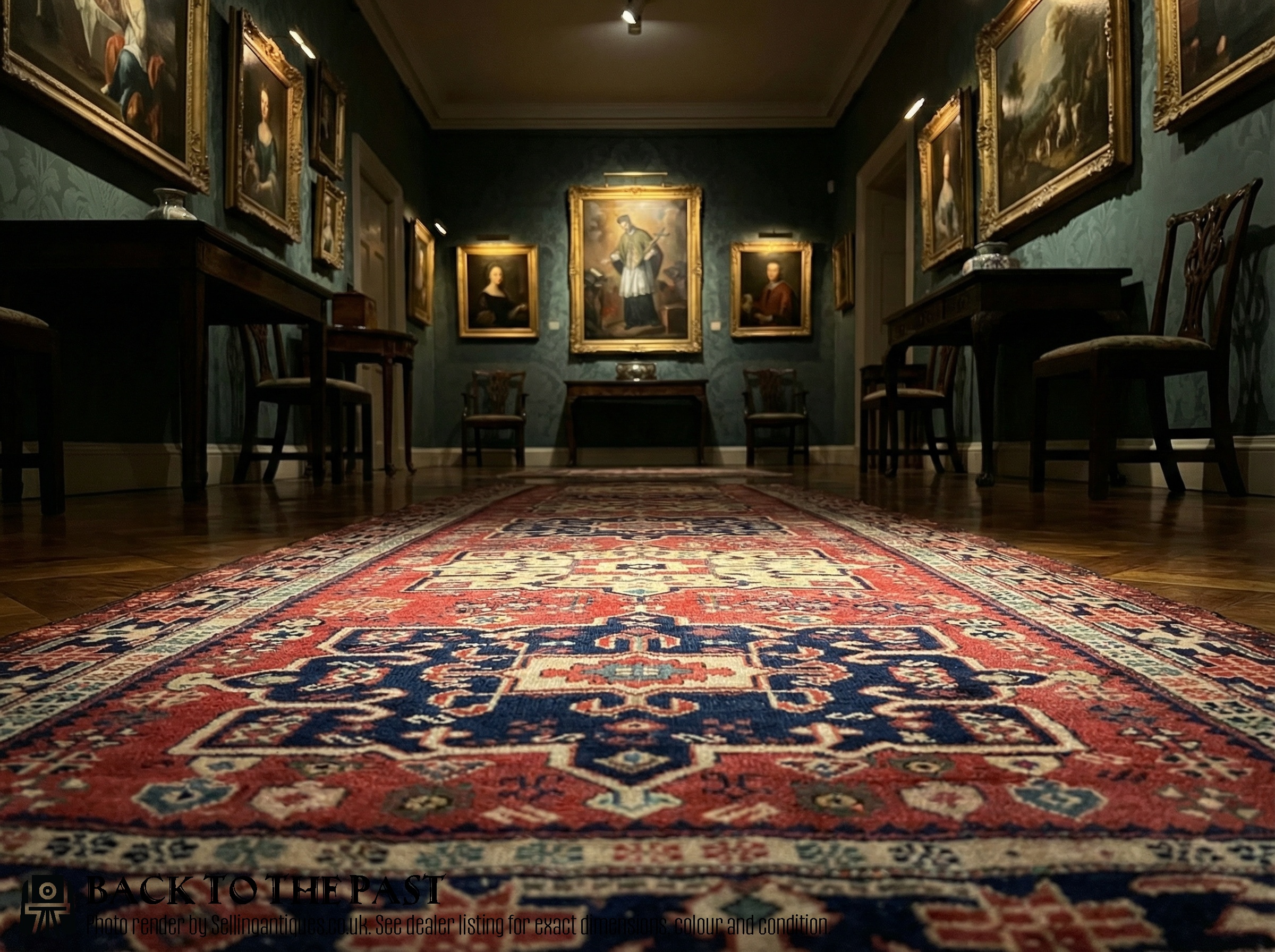
Long Oriental Runner
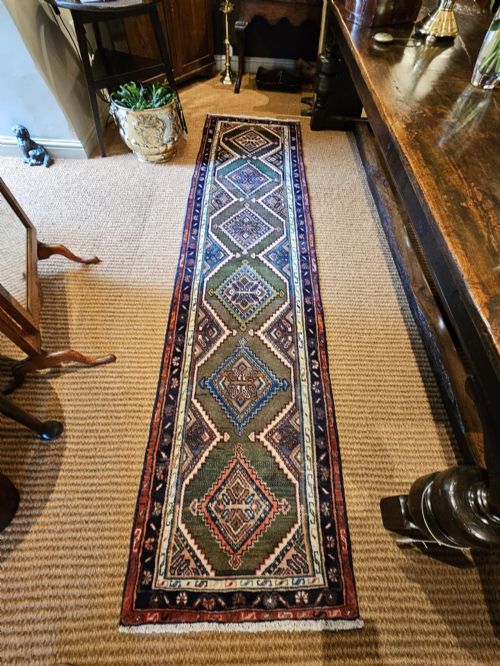
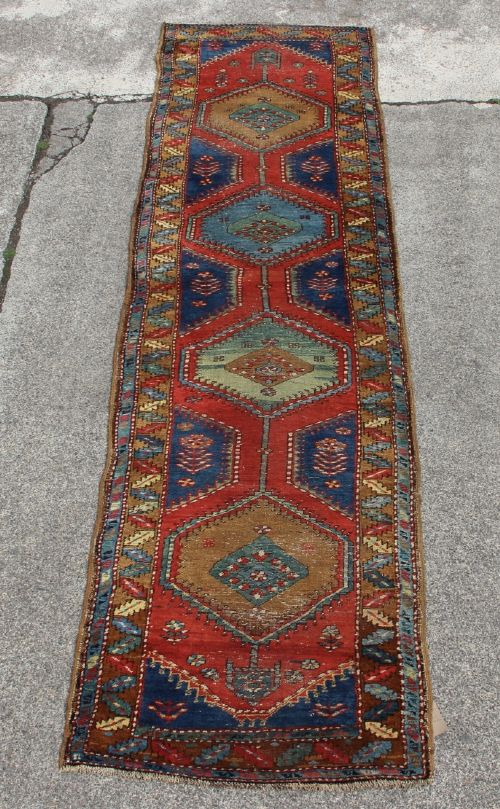
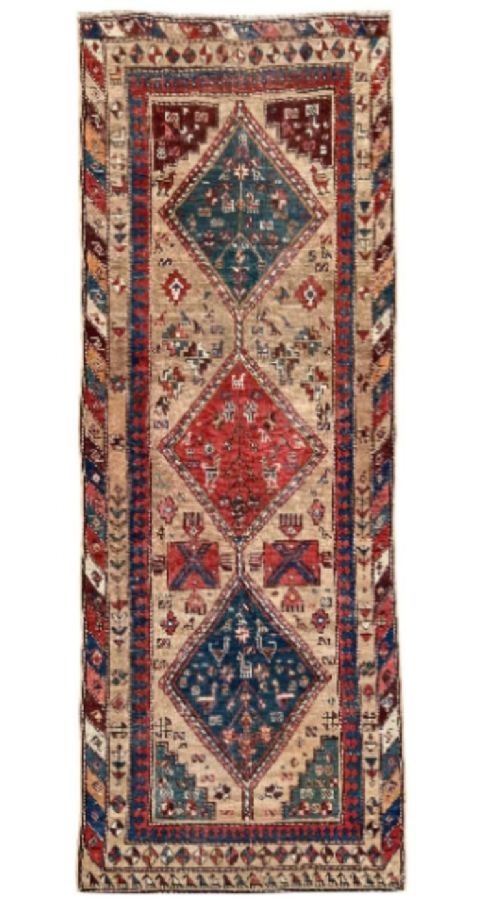
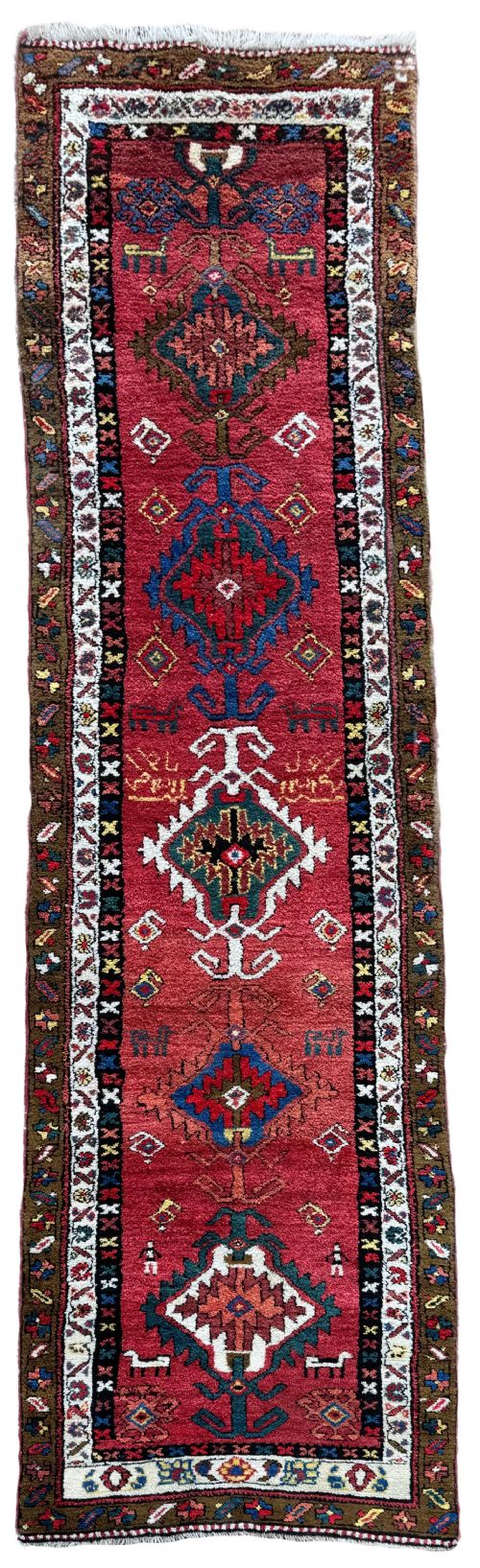
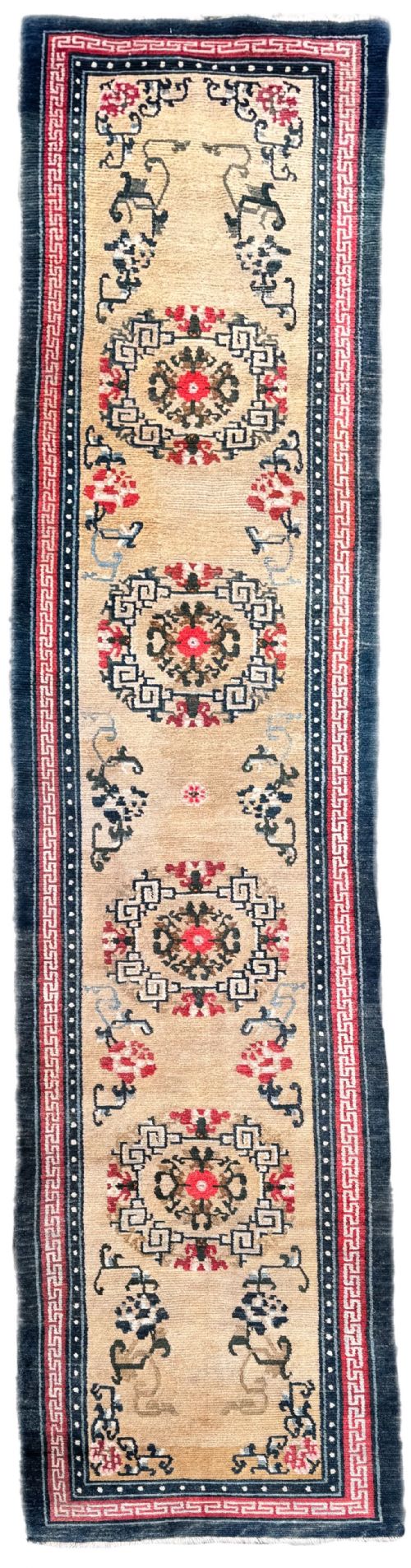
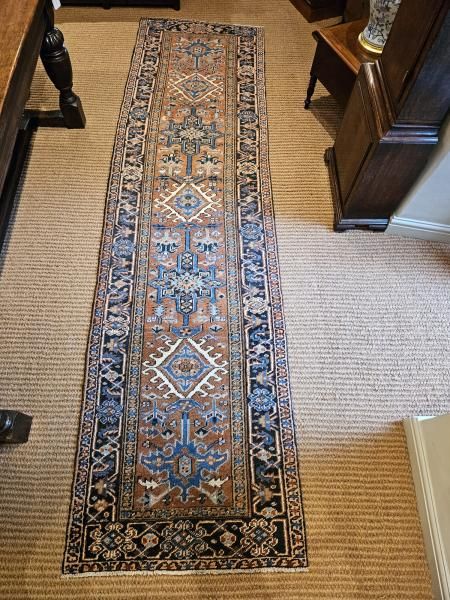
A long oriental runner is a stretched, narrow floor covering designed for corridors, halls and staircases. When searching for a long oriental runner, buyers encounter pieces originating from Persian, Turkish, Caucasian and Tibetan weaving traditions. These textiles span periods from the nineteenth century into the twentieth century, bringing distinct regional designs into domestic interiors.
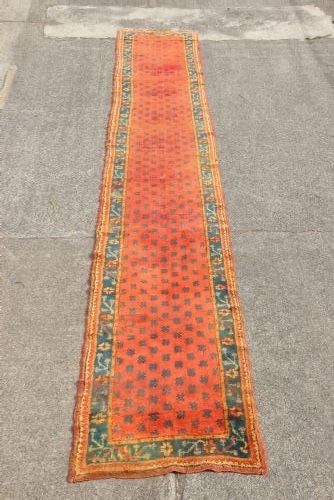
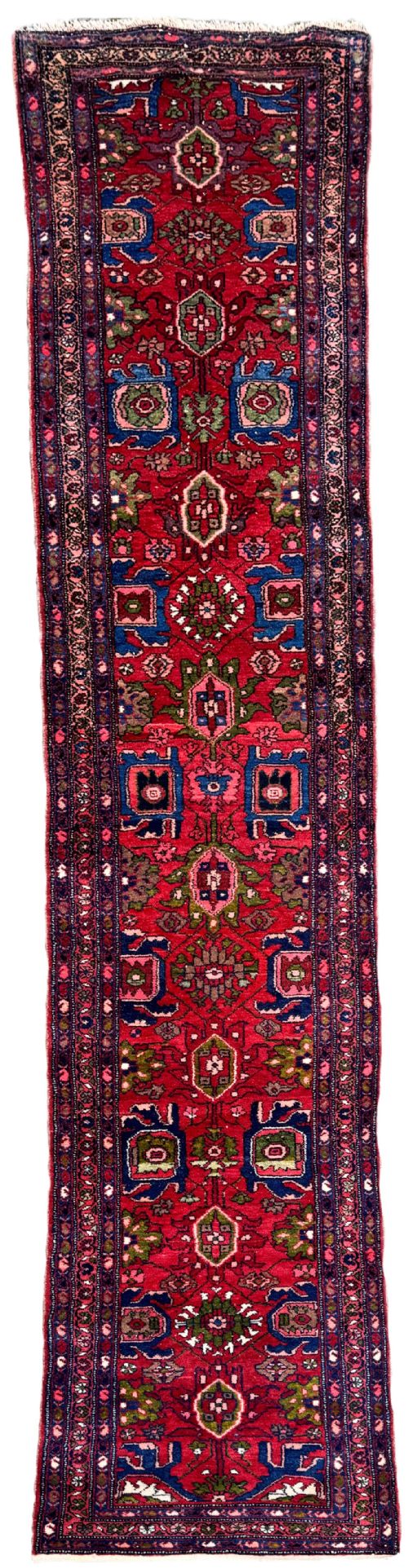
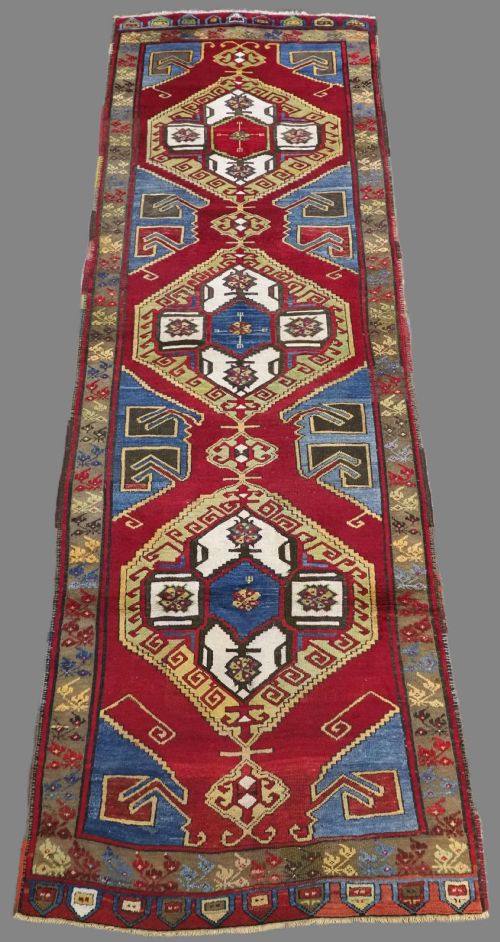
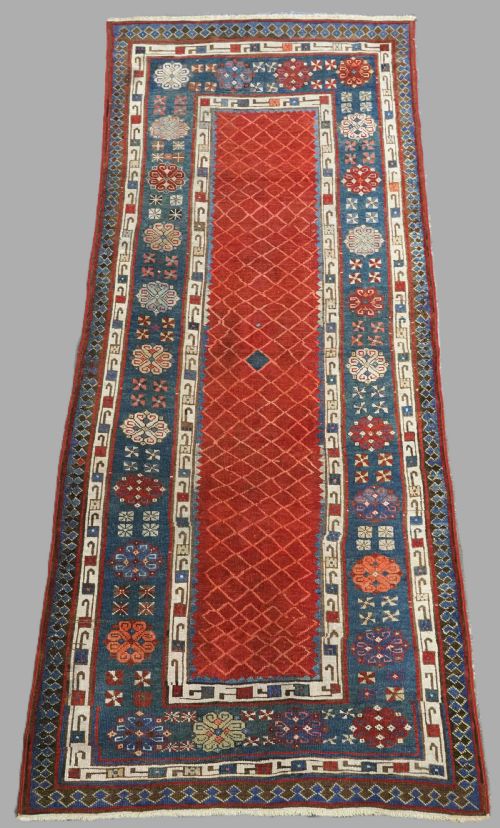
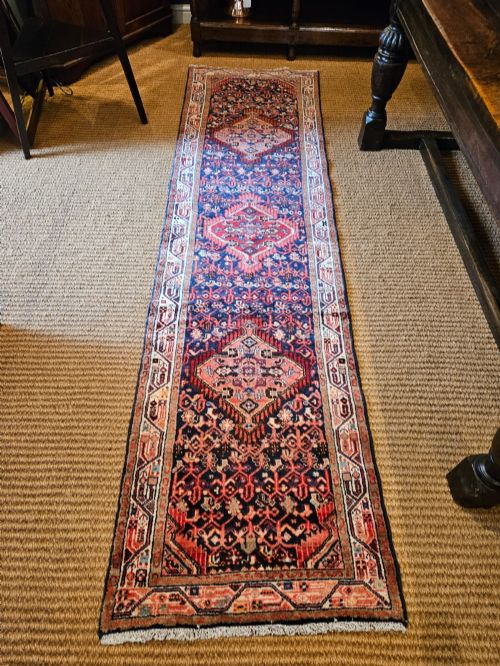
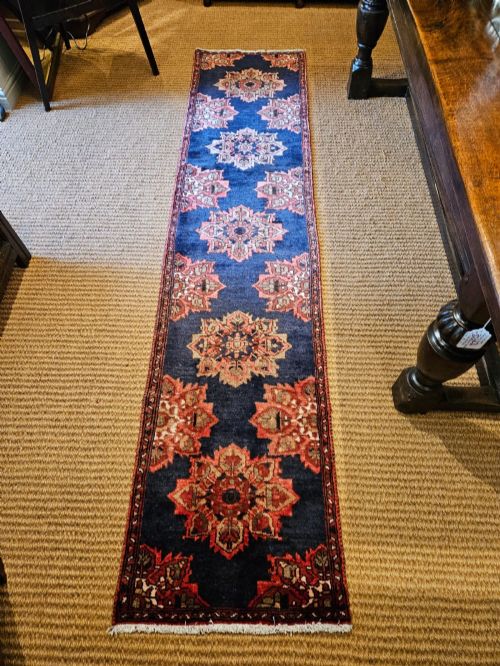
The selections on this page concentrate heavily on antique tribal and village weaves, including Kurdish, Heriz, Hamadan, Oushak and Shirvan pieces. Dimensions vary from compact lengths to grand spans exceeding five metres, tailored for long floors. Their formats naturally draw the eye along architectural corridors.
Most examples employ traditional geometric medallions, all-over lattice motifs or repeated tribal guls across the field. The palette ranges from deep navy blues and olive greens to warm earthy tones derived from natural dyes.
How they were made
These textiles are constructed primarily with wool pile knotted onto cotton foundations, though certain tribal examples utilise wool for both warp and weft. The hand-tied knots determine the density and durability of the surface, allowing the runners to withstand generations of foot traffic in hallways.
Weavers utilised handspun wool dyed with traditional organic materials to achieve deep saturated colour tones that soften gracefully with age. The pile is then sheared by hand to an even height, giving the surface a dense handle.
Long Oriental Runner Retail Price Guide 2026
Typical asking prices for long oriental runner among the pieces listed under this phrase on Sellingantiques today, from the lower quarter to the upper quarter. They describe what is for sale here now, not the wider market.
One remarkably long hall runner stretches to thirty-two feet, ready for a stately mansion.
What varies in quality
Quality in these runners rests upon the fineness of the knotting and the precision of the geometric layout. Tightly packed knots create a sharper definition in motifs such as lattice designs and turreted guls, ensuring the pattern remains crisp along the length.
The choice of wool and dye saturation dictates how well the runner ages under heavy use. Superior pieces display harmonious colour variation across the field, reflecting skilled dye baths and careful selection of fleece.
Kurdish Tribal·Turkish Oushak·Persian Heriz·Caucasian Shirvan
The Long Oriental Runner Glossary
- Kelleh
- A large format rug or runner, typically longer and wider than a standard corridor runner, often originating from Persian and Caucasian workshops.
- Gul
- A medallion motif repeated across the field of Turkmen and tribal rugs, often octagonal or turreted in shape.
- Warp
- The vertical foundation threads stretched tightly on the loom before knotting begins, usually composed of cotton or wool.
- Weft
- The horizontal threads passed back and forth between warp threads to bind the knots securely in place.
- Mina Khani
- A traditional all-over floral lattice pattern commonly found in Persian and Kurdish weaving.
Long Oriental Runner: Frequently Asked Questions
Where should I place a long runner?
These runners suit narrow hallways, long landings and deep corridors where floor space requires a defined pathway. Their elongated proportions naturally guide movement through connecting rooms.
Ensure you measure the clear floor space between skirting boards or stairs before selecting a specific length to maintain proper margins.
How do I care for an antique wool runner?
Regular gentle vacuuming without a beater bar prevents dust accumulation within the wool pile. Professional cleaning suited for antique textiles preserves the natural lanolin in the fibres.
Positioning a quality underlay beneath the runner prevents slip and reduces friction against hard flooring.
What is the difference between Kurdish and Heriz runners?
Kurdish runners often feature dense geometric lattice patterns and rich tribal character woven in village settings. Heriz runners typically display bolder, architectural medallion structures with strong angular geometry.
Both styles utilise durable wool construction suited for high-traffic corridors, but their visual impact in a hallway differs significantly.
How do I determine the age of an oriental runner?
Age is identified through structural clues, such as the type of wool handspinning, natural dye variations across the pile and the construction of the selvages. Nineteenth-century pieces often exhibit softer wool patination and organic irregularities.
Comparing knot density and design motifs against known regional traditions helps narrow down the production period.