


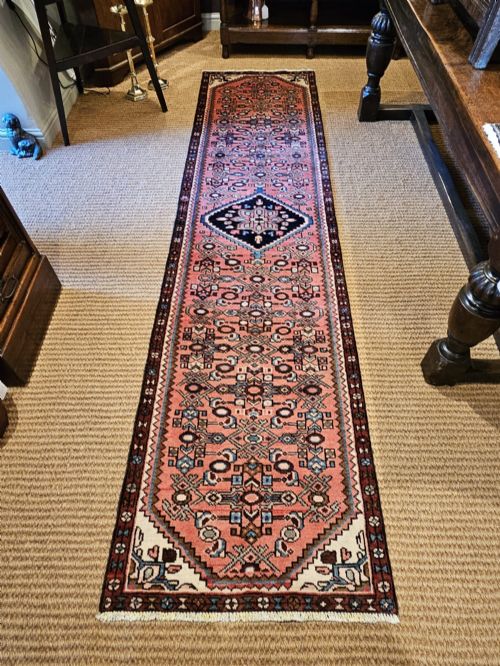
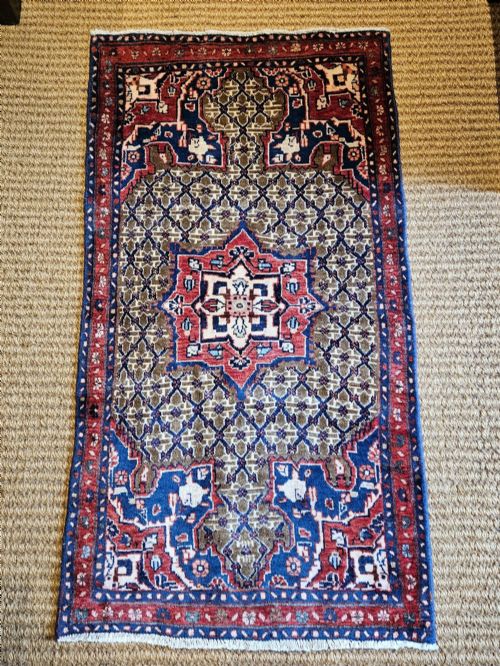
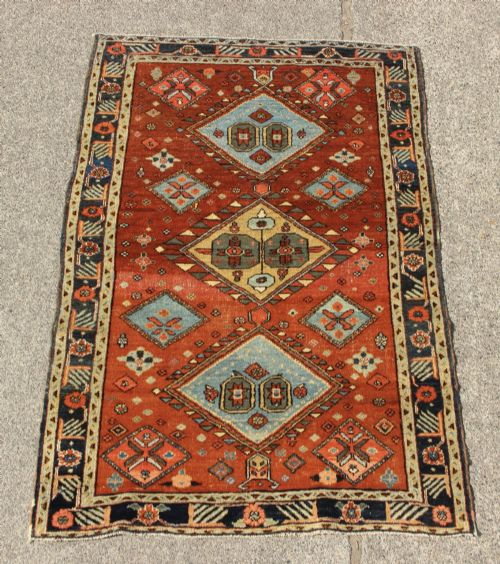
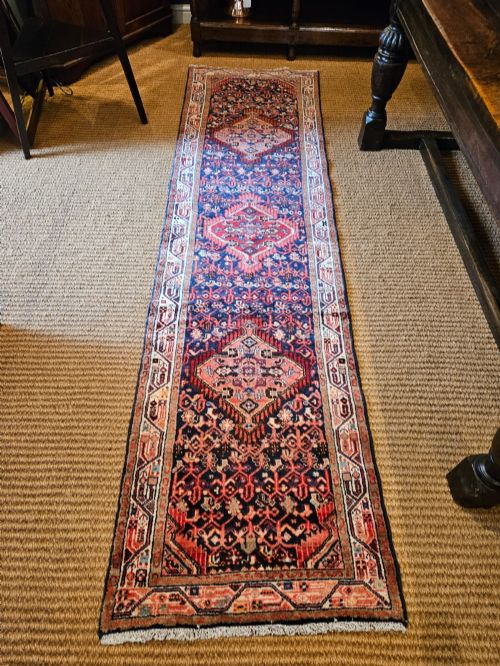


Antique Heriz Runner
An antique heriz runner brings robust North West Persian geometry and durable wool into long corridors and narrow rooms.
Antique Heriz Runner
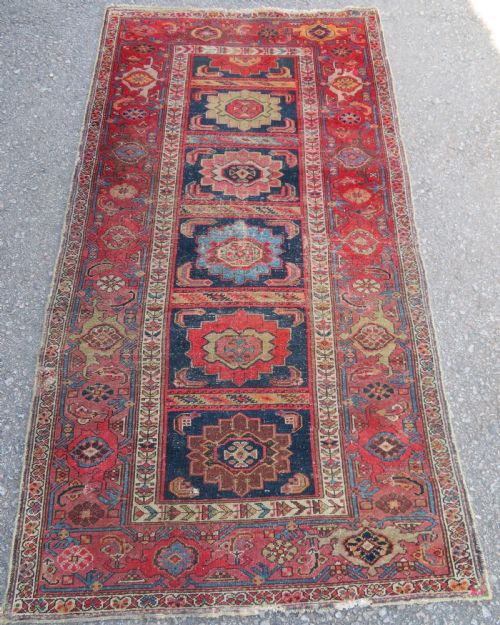
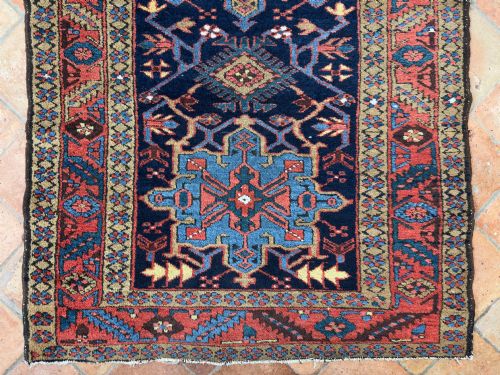
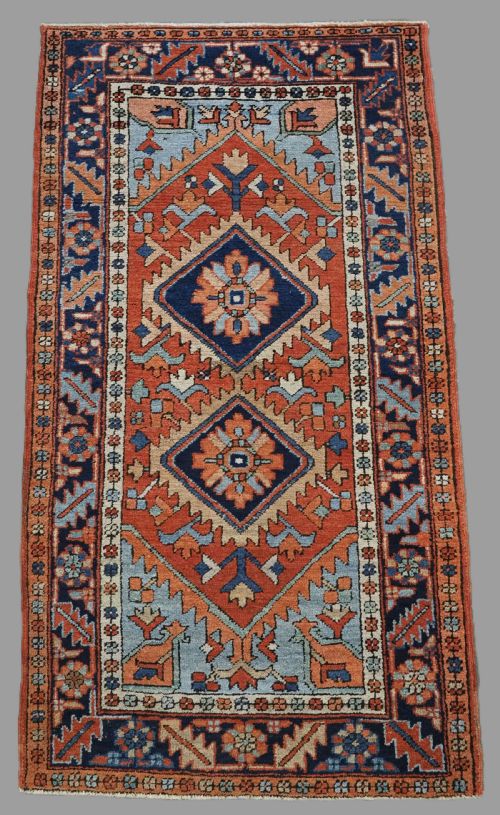
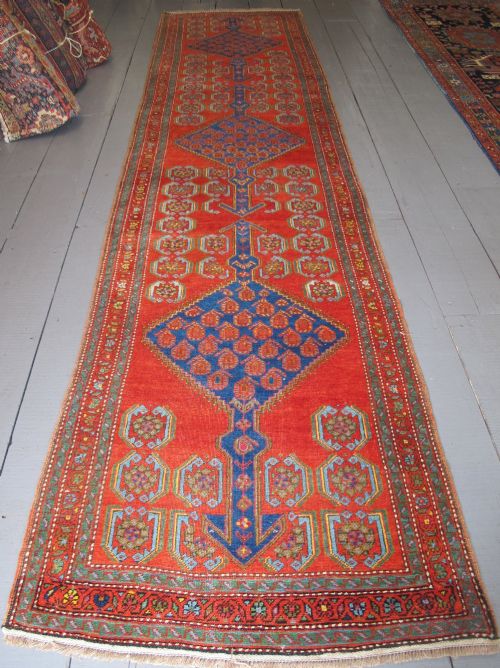
When you search for an antique heriz runner, you are looking at substantial floor coverings woven in North West Persia during the late nineteenth and early twentieth centuries. These pieces display long, narrow proportions designed specifically for hallways, galleries, and landings.
The version you are most likely to meet on this page combines traditional Persian styles with distinctive geometric medallions and bold corner pieces. Alongside classic Heriz designs, the selection includes related regional variants such as Gorevan, Serapi, and Hastrud runners.
These floor coverings date from periods spanning the 1880s through to the 1920s, offering heavily geometric formats that distinguish them from curvilinear southern Persian carpets. The designs balance village robustness with sophisticated large-scale patterning.
Construction and Materials
These runners are hand-woven using resilient wool for the pile, providing the density required for heavy foot traffic in narrow spaces. Foundation structures typically utilise sturdy cotton warps and wefts to maintain the linear rigidity of long formats.
The production relies on traditional hand-knotting techniques characteristic of North West Persia. Natural dye traditions govern the palette, anchoring the heavy geometric designs executed by village weavers.
Antique Heriz Runner Retail Price Guide 2026
Typical asking prices for heriz runner among the pieces listed under this phrase on Sellingantiques today, from the lower quarter to the upper quarter. They describe what is for sale here now, not the wider market.
Some runners stretch past five metres in length, requiring brave hallways indeed.
Separating the Exceptional from the Standard
The top of the range is distinguished by exceptionally crisp drawing in the geometric medallions and a balanced, harmonious distribution of natural colours. Fineness of knot density and narrower, elongated proportions also elevate a piece above standard domestic grades.
Weaker examples often display coarser wool, stiff or heavy cotton foundations that lack suppleness, and less refined colour saturation in the field. The overall visual impact relies entirely on the confidence of the geometric layout and the preservation of the pile.
Waring and Gillow
The Antique Heriz Runner Glossary
- Heriz
- A region in North West Persia known for producing stout, durable carpets with bold geometric motifs. Heriz runners are particularly prized for their architectural designs and strong colour contrasts.
- Gorevan
- A style associated with the Heriz district, often featuring slightly more open field designs and rectilinear medallions. Gorevan pieces share the robust wool construction of classic Heriz weaving.
- Serapi
- A trade term often applied to older Heriz carpets and runners from the nineteenth century featuring particularly spacious designs and fine knotting. Serapi runners represent a refined expression of North West Persian craftsmanship.
- Runner
- A long, narrow carpet format traditionally used in hallways, corridors, and alongside larger furniture pieces. These pieces require specific narrow proportions while maintaining balanced border designs.
- Warp
- The vertical threads stretched lengthwise on the loom that form the foundational skeleton of the rug. In these pieces, cotton warps provide structural stability for the hand-knotted wool pile.
Antique Heriz Runner: Frequently Asked Questions
Where should I place an antique heriz runner?
These narrow formats suit hallways, corridors, stair landings, and galley kitchens where length and durability matter.
The strong geometric designs anchor long spaces without overwhelming architectural details.
How do I distinguish a Heriz runner from a Gorevan runner?
Heriz runners typically feature denser, more intricate geometric patterns with precise medallions, while Gorevan pieces often present a slightly more open field.
Both originate from North West Persia and share similar sturdy wool construction methods.
Are these runners durable enough for daily foot traffic?
The combination of thick hand-knotted wool pile and sturdy cotton foundations makes these pieces well-suited for active hallways.
Proper underlays protect the historic textile fibres from wear against hard floors.
What period do these runners typically date from?
The available pieces and historical archive span from the 1880s through to the 1920s.
Earlier examples often exhibit characteristics associated with Serapi or Hastrud village production.