


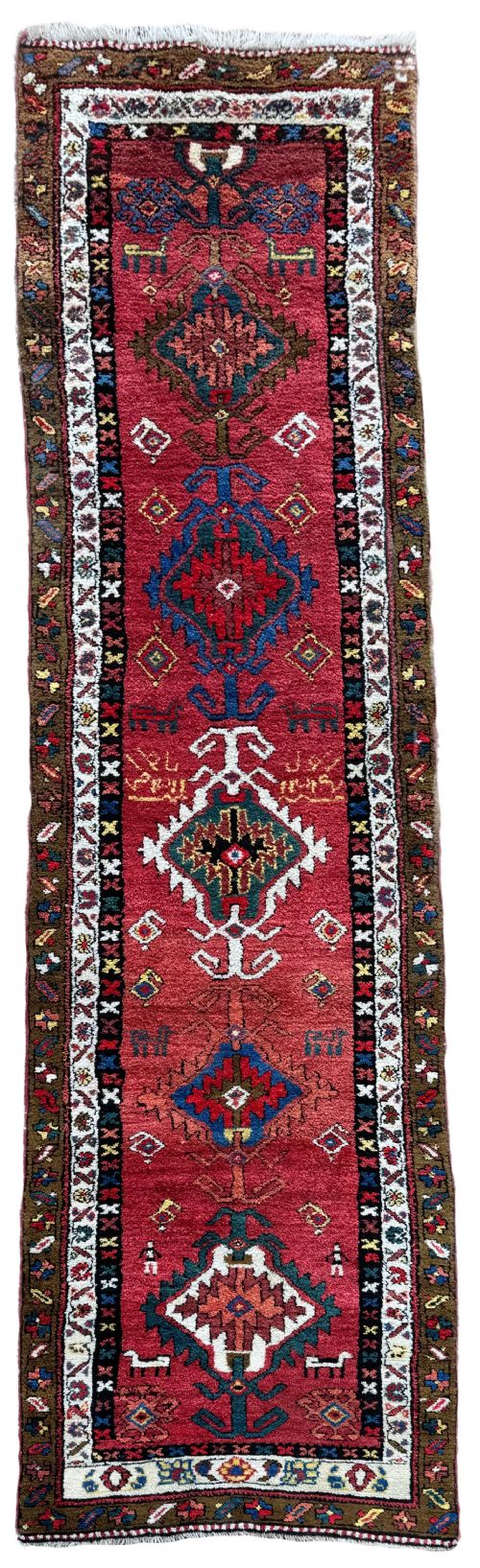
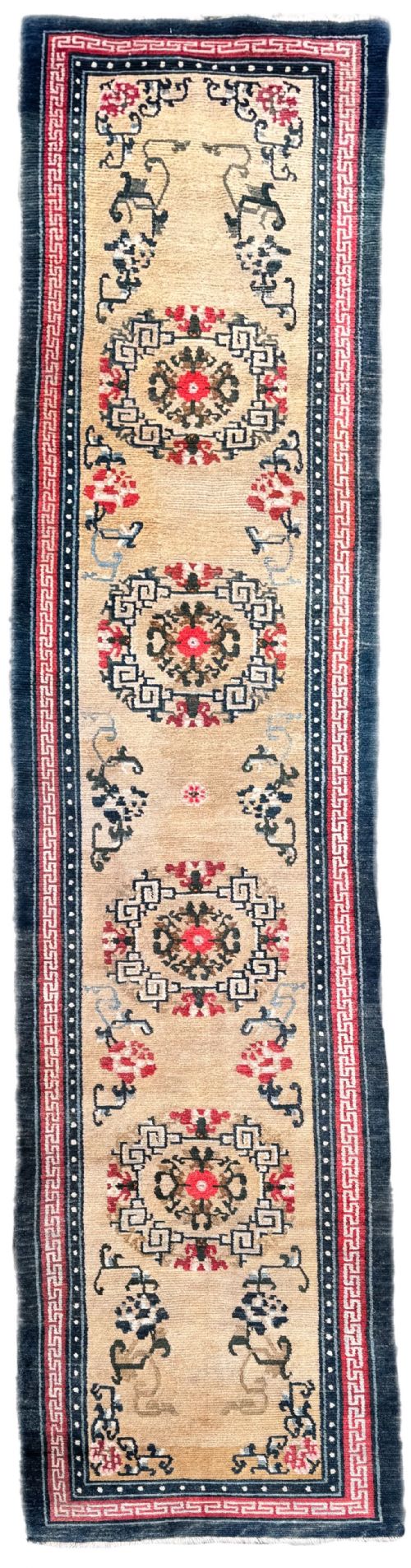

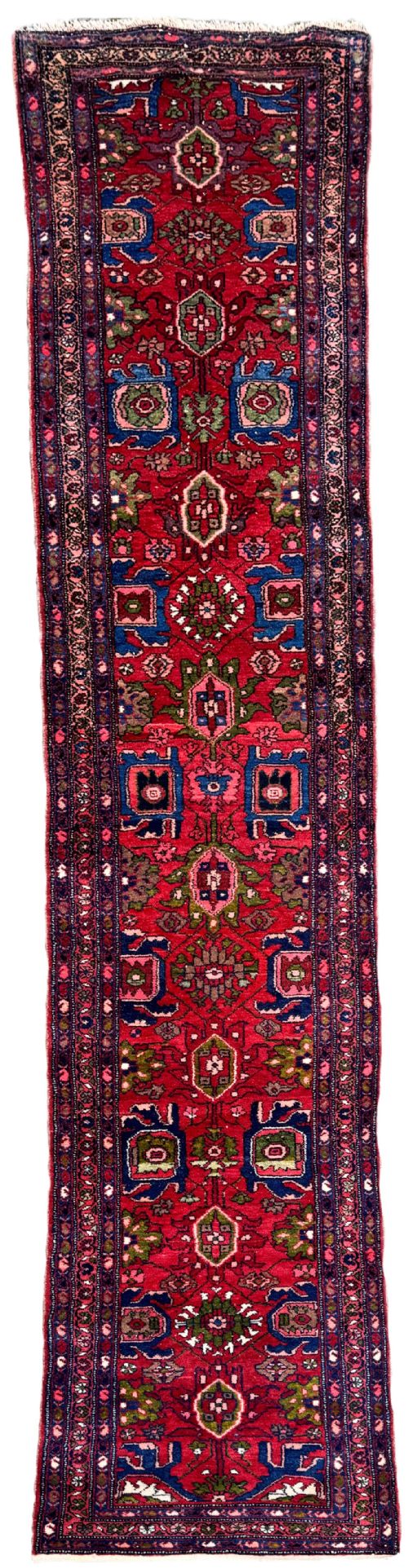
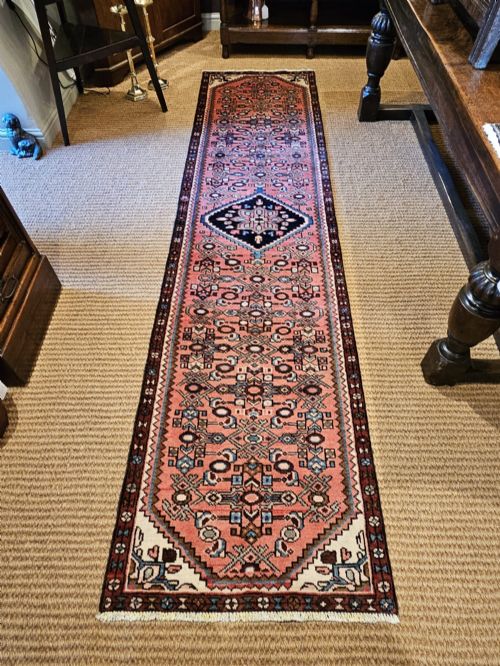

Hand Knotted Hallway Runner
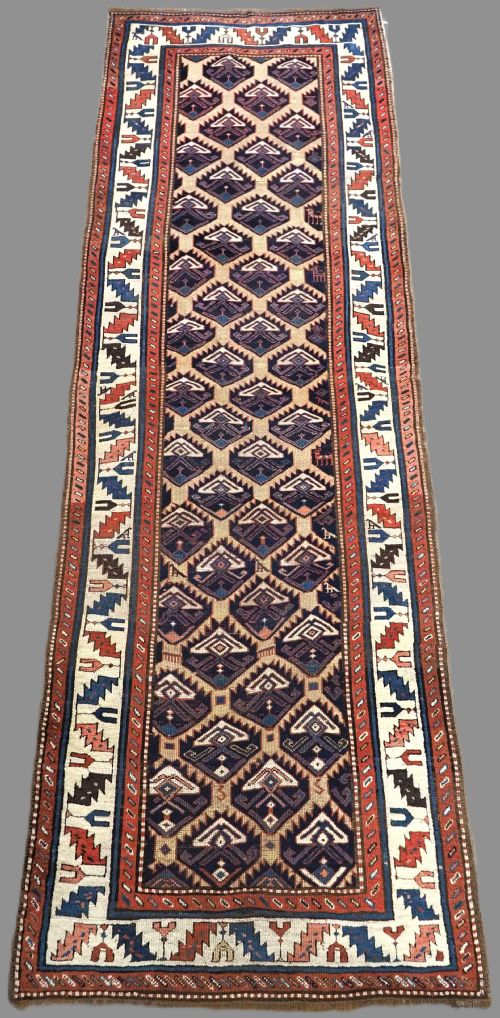
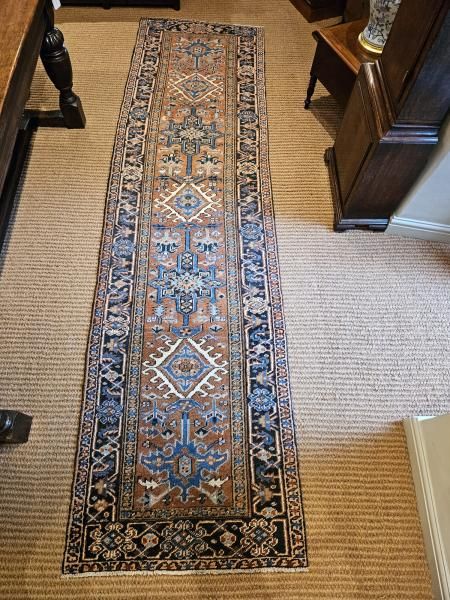
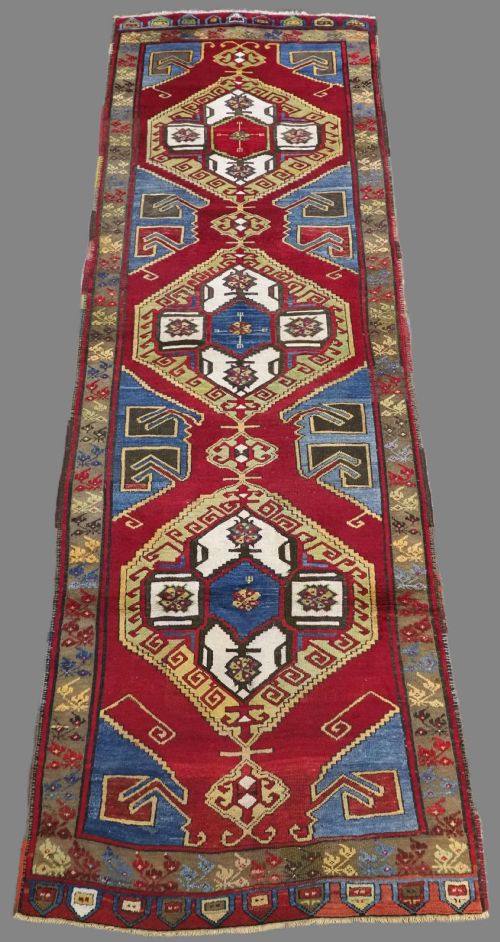
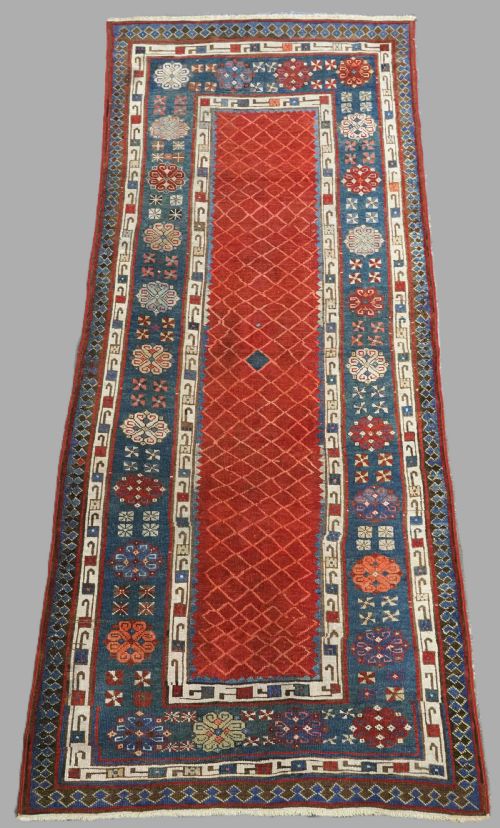
A hand knotted hallway runner brings enduring texture and geometric rhythm to a narrow space through traditional craftsmanship.
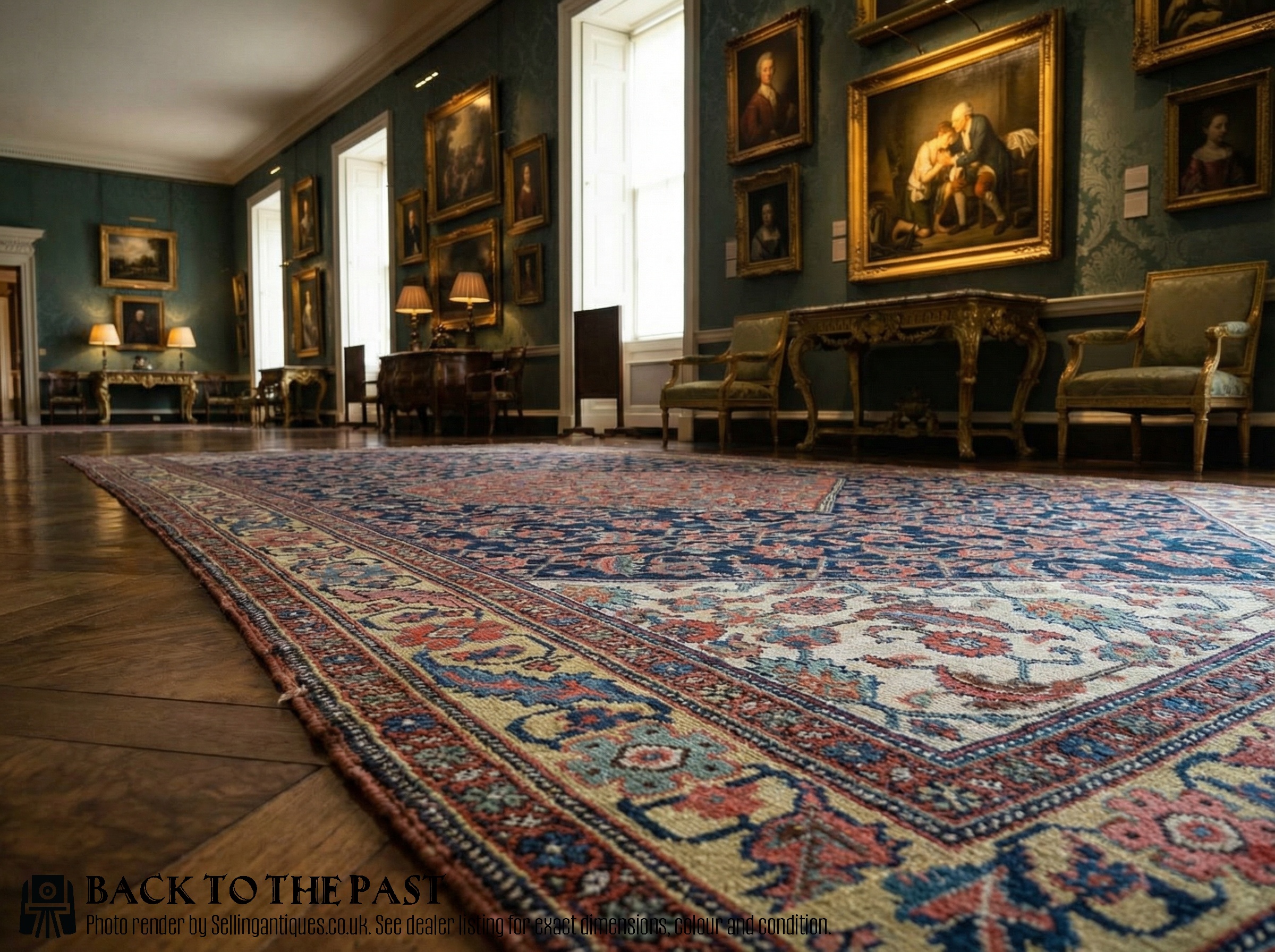
Hand Knotted Hallway Runner
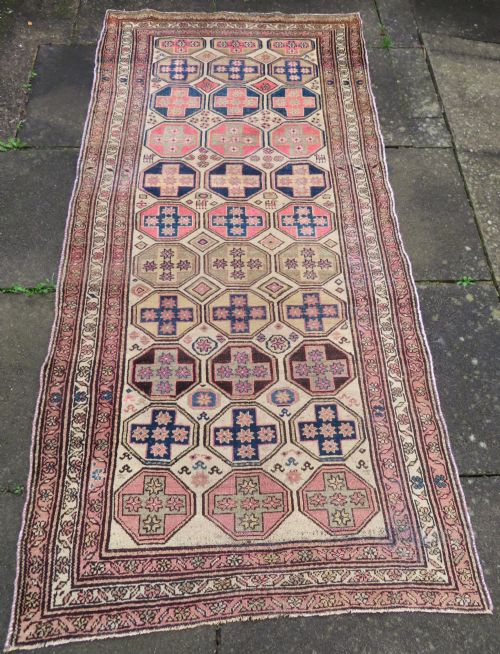
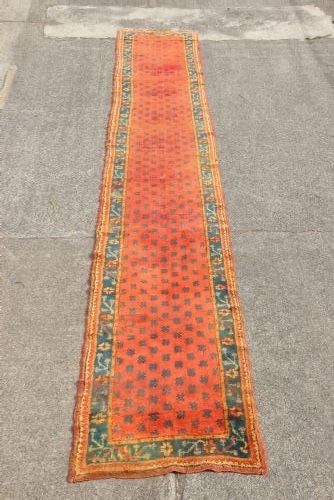
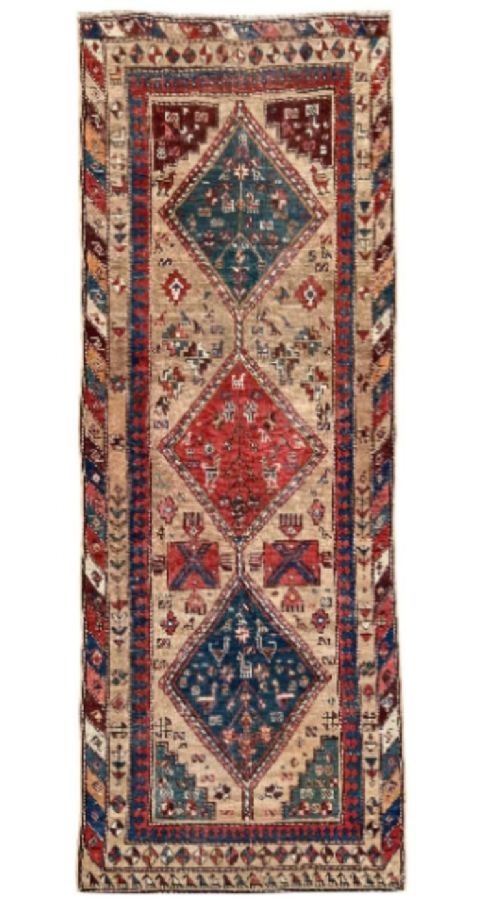
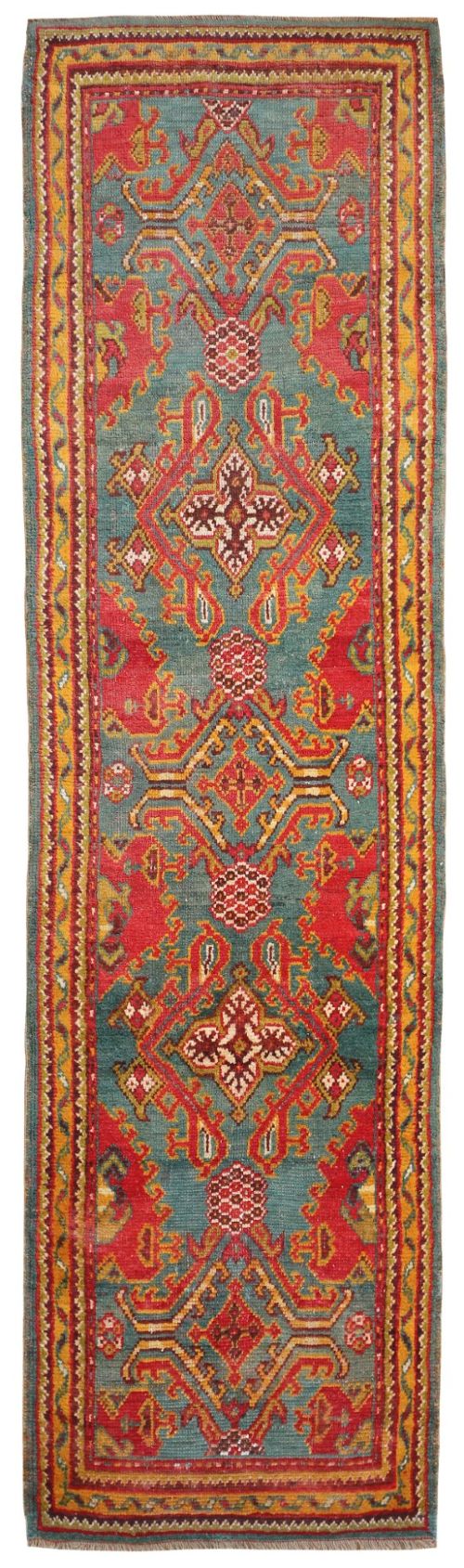
A hand knotted hallway runner provides a durable and decorative floor covering tailored for corridors and passageways. These pieces originate predominantly from Persian and Caucasian weaving traditions, spanning the late nineteenth century into the early decades of the twentieth century.
Village and tribal workshops produce these runners with distinct geometric motifs and characteristic runner proportions. The selections reflect authentic regional designs shaped by generations of weavers working in western Persia and the Caucasus.
Materials and construction methods
The construction relies on traditional hand knotted techniques utilising natural fibres. Weavers knot pile wool onto sturdy cotton foundation warps and wefts, creating a dense and resilient structure capable of withstanding heavy foot traffic in domestic corridors.
Natural dyeing methods yield deep, saturated colour palettes that age gracefully over decades of use. The combination of hand spun wool and tight knotting gives each runner its characteristic weight and tactile depth.
Hand Knotted Hallway Runner Retail Price Guide 2026
Typical asking prices for hand knotted hallway runner among the pieces listed under this phrase on Sellingantiques today, from the lower quarter to the upper quarter. They describe what is for sale here now, not the wider market.
Village weavers often incorporated tiny intentional irregularities into their geometric repeats, believing perfect symmetry belonged to the divine alone.
Judging quality and character
Quality in these runners rests on the density of the knotting and the precision of the tribal or village design. Finer knot counts allow for sharper geometric detail and greater durability along high-use transitional spaces.
The integrity of the wool pile and the balance of the regional palette distinguish finer examples from standard production. Original side cordings and preserved end finishes also contribute significantly to the standing of an antique runner.
The Hand Knotted Hallway Runner Glossary
- Warp
- The vertical foundation threads stretched lengthwise on the loom before knotting begins. These cotton threads carry the structural tension of the runner.
- Weft
- The horizontal threads inserted across the warp threads between rows of knots to secure the pile. They bind the structure together firmly.
- Pile
- The upright cut wool surface that forms the visible and tactile layer of the rug. This layer absorbs foot traffic and displays the pattern.
- Hamadan
- A major trading hub and weaving region in western Persia known for diverse village production. Runners from this area often feature repeated central medallions and sturdy wool construction.
Hand Knotted Hallway Runner: Frequently Asked Questions
Where do these runners work best?
These runners fit naturally into long hallways, corridors, and narrow passageways where traditional floor coverings add warmth and character. Their elongated proportions guide the eye and soften timber or stone flooring.
They also suit galley kitchens and landings, bringing historical texture to functional transitional areas in the home.
How do I care for wool runners?
Gentle regular vacuuming without a rotating power brush protects the delicate wool pile of antique runners. Professional cleaning tailored for vintage textiles ensures the natural dyes remain stable.
Using a suitable underlay prevents slipping and cushions the foundation fibres against hard flooring surfaces.
What defines a village runner?
Village runners are woven by independent artisans in rural communities rather than large city workshops. They typically display spontaneous geometric patterns and robust wool structures reflecting local tribal traditions.
These pieces often feature charming irregularities that highlight the individual hand of the weaver.
How are regional styles identified?
Regional styles appear through specific colour combinations, border motifs, and medallion structures unique to areas like Gorevan, Bakhtiari, or the Caucasus. Examining the knotting style and wool characteristics reveals the likely place of origin.
Reference literature and comparative analysis of nineteenth century weaving traditions help clarify these distinctions.