



Nomadic Persian Rug
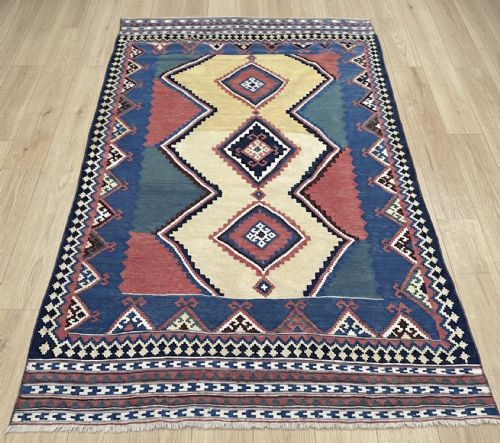
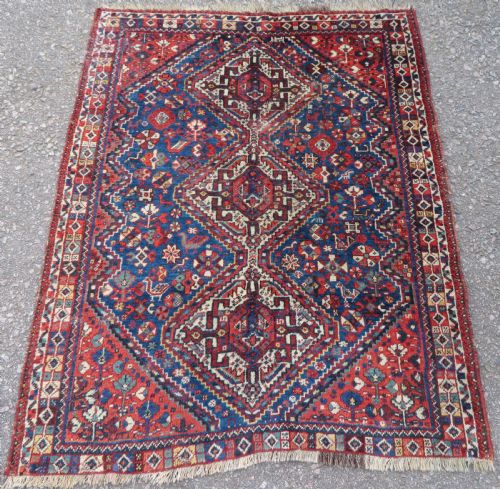
A nomadic persian rug brings bold tribal geometry and rich wool into a room, forged by village and tent weavers across the 19th and early 20th centuries.
Nomadic Persian Rug
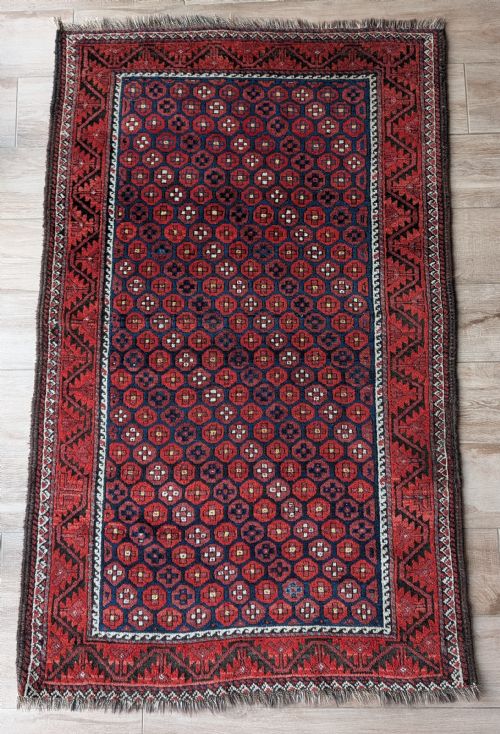
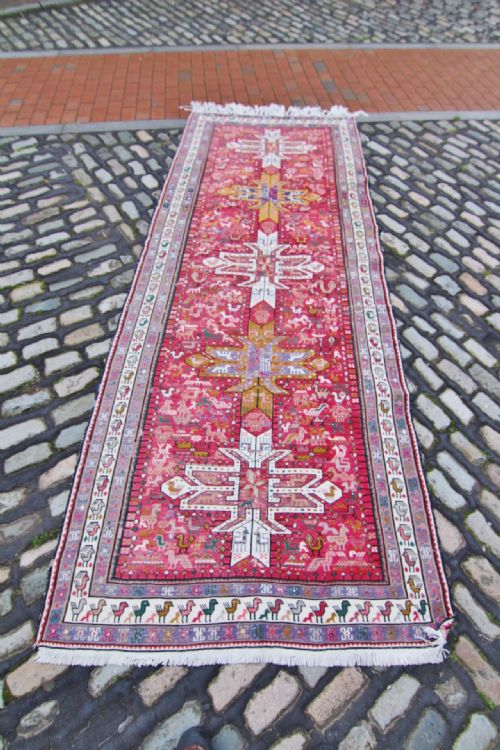
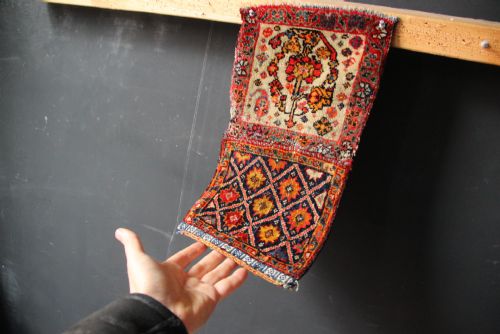
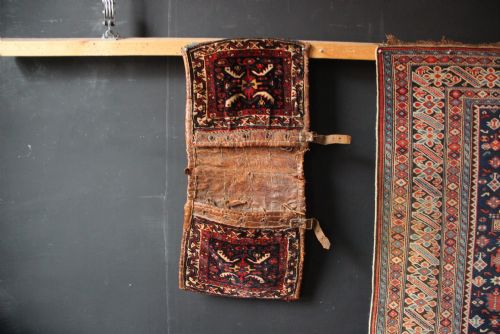
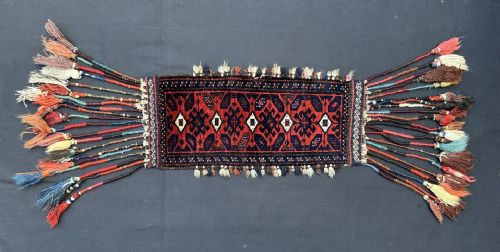
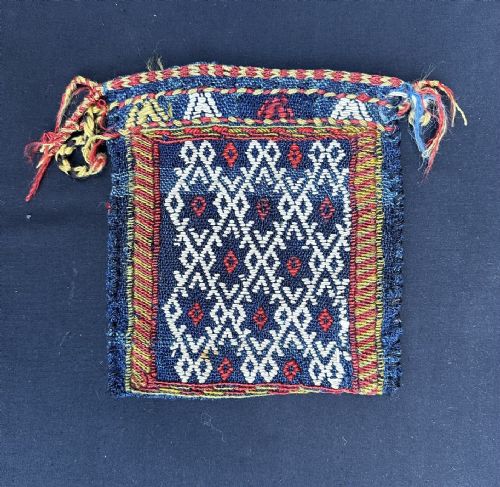
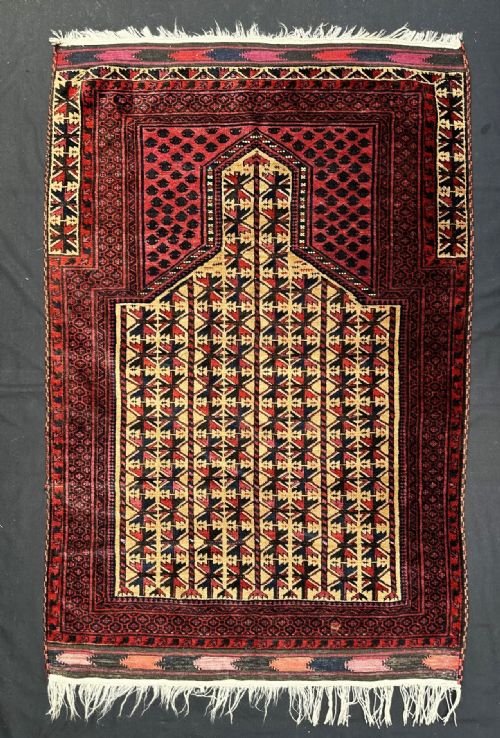
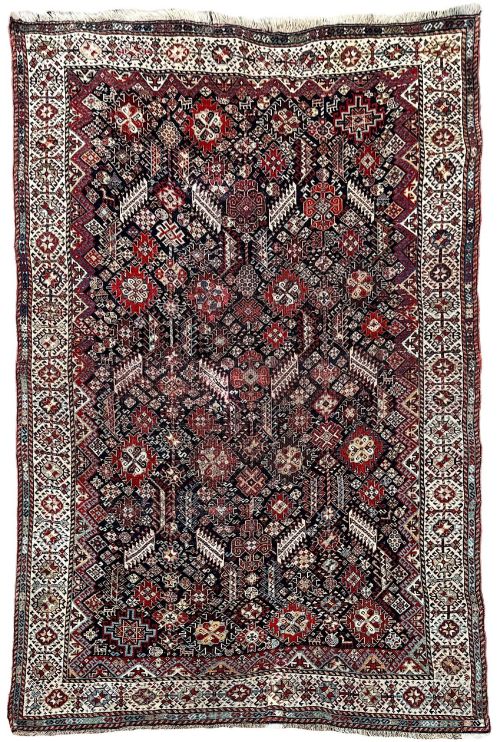
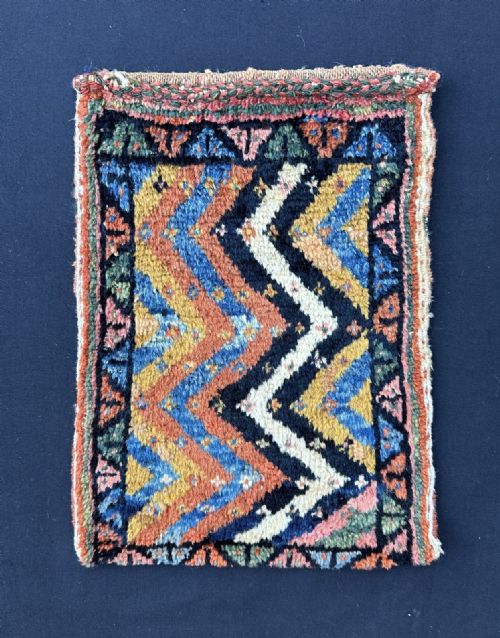
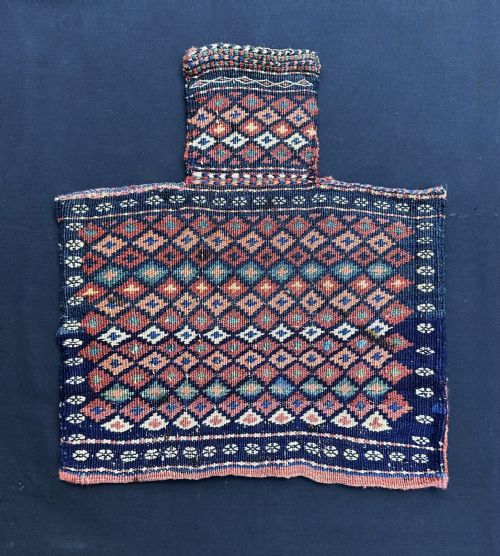
A nomadic persian rug encompasses hand-woven floor coverings, saddle bags, salt bags, and runner formats originating from tribal confederacies such as the Qashqai, Khamseh, Afshar, and Baluch. These textiles served practical purposes in camp life before finding their way into homes as decorative area rugs and wall hangings.
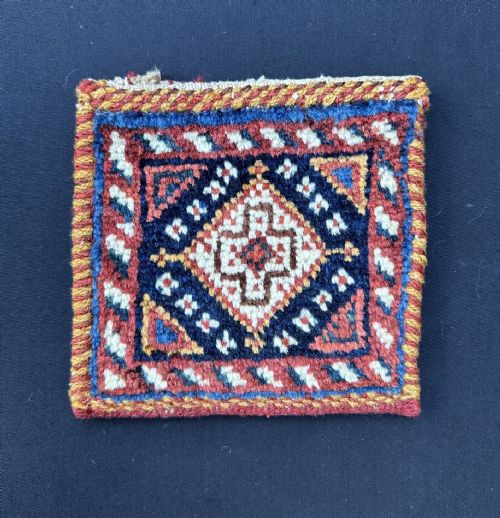
You will encounter pieces dating from the late 19th century up to the 1930s, reflecting diverse regional aesthetics from the Fars province down to Khorassan. The forms vary from large room carpets to compact bagfaces and prayer rugs, each bearing the distinct motifs of its maker.
How they were made
Weavers constructed these pieces predominantly using wool and hand-spun wool, often paired with cotton foundations, knotting the pile firmly by hand. Natural dyes provided the deep reds, indigos, and earth tones that define the palette of these tribal textiles.
Certain examples incorporate supplementary materials like cowrie shells and leather, particularly on utility bags and storage pieces intended for transport on animals. The structures rely on traditional tribal techniques passed down through generations.
Nomadic Persian Rug Retail Price Guide 2026
Typical asking prices for nomadic persian rug among the pieces listed under this phrase on Sellingantiques today, from the lower quarter to the upper quarter. They describe what is for sale here now, not the wider market.
Nomadic weavers occasionally stitched cowrie shells directly onto storage bags to ward off the evil eye during desert travels.
What varies in quality
The sophistication of the design execution and the density of the knotting distinguish standard examples from finer works. Finer pieces demonstrate precise control over geometric patterns like guls and medallions, alongside superior wool preparation.
The vibrancy and depth of the natural dyes play a substantial role, as well-preserved colour saturation elevates the visual impact of the weaving. Integrity of the original edges and pile retention also mark the upper tier of surviving examples.
The Nomadic Persian Rug Glossary
- Gul
- A medallion or repeating octagonal motif commonly found in tribal weavings from Central Asian and Persian borderlands. It often denotes specific tribal lineages.
- Khorjin
- A traditional double-sided saddle bag used by nomads for transport and storage. Surviving fragments frequently appear as individual bagfaces.
- Kilim
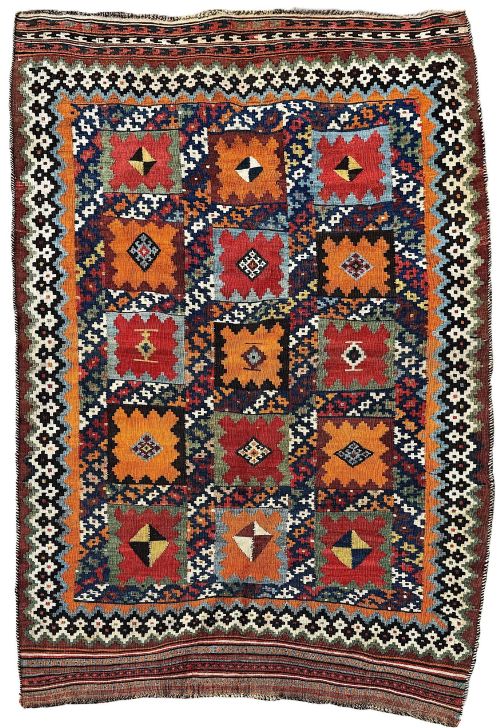
- A flat-woven textile produced without a pile, utilising warp and weft interlocking techniques. These appear as rugs or structural elements on bags.
- Prayer rug
- A format featuring a distinct mihrab or arch design, traditionally oriented toward Mecca during daily prayers. Baluch and Afghan makers frequently produced these.
- Tacheh
- A woven container or storage bag created by Lori-Bakhtiari nomads. They showcase elaborate geometric field arrangements.
Nomadic Persian Rug: Frequently Asked Questions
How do I identify a tribal rug?
Look for asymmetrical geometric motifs, repeated tribal guls, and saturated natural dye palettes rather than strict classical court designs. The presence of organic irregularities often points to independent tent or village production.
Examine the materials for hand-spun wool and sturdy flat-weave backs that indicate genuine nomadic utility items from the nineteenth or early twentieth centuries.
Where were these rugs made?
They originated across various tribal regions of Persia, including the Fars province in the south, Khorassan in the northeast, and western mountain ranges. Different confederacies like the Qashqai, Afshar, and Khamseh worked within their specific territories.
Local access to specific sheep breeds and dye plants shaped the distinct regional characteristics visible in the wool and colour.
Can I use antique bags as rugs?
Many smaller pieces begin their lives as salt bags, tobacco pouches, or saddle bags rather than floor coverings. While durable, their original utility shapes mean they often function best as small accent mats or wall displays.
Placing them in low-traffic areas helps preserve the structural integrity of the flat-woven backs and added embellishments like cowrie shells.
How should I clean antique wool?
Gentle surface brushing and professional specialist cleaning suited for antique textiles are the safest approaches for maintenance. Avoid harsh chemical detergents that can strip the natural lanolin from hand-spun wool.
Regular rotation prevents uneven sun fading and wear patterns across the surface of the pile and flat-weave sections.