

South Persian Carpet
When you search for a south persian carpet, you enter a world of nomadic expression woven with rich tribal motifs and deep historical roots.
South Persian Carpet
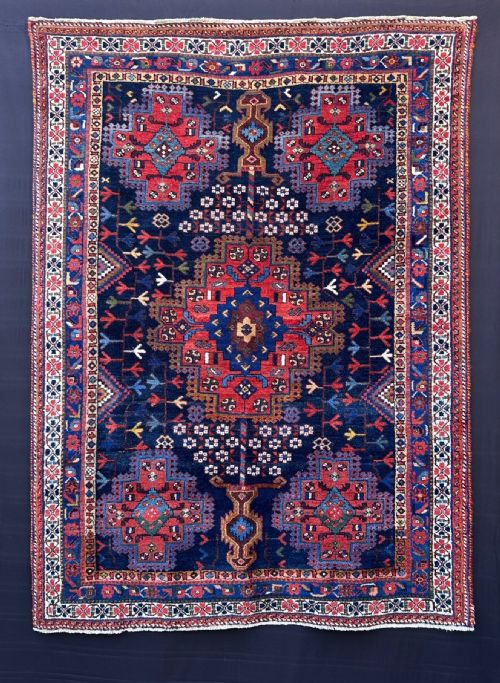
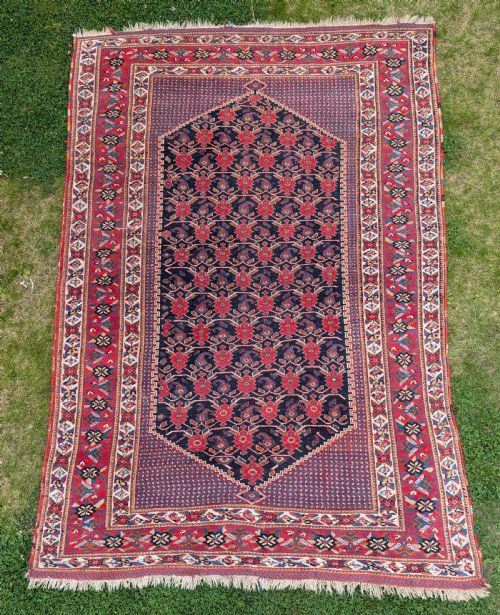
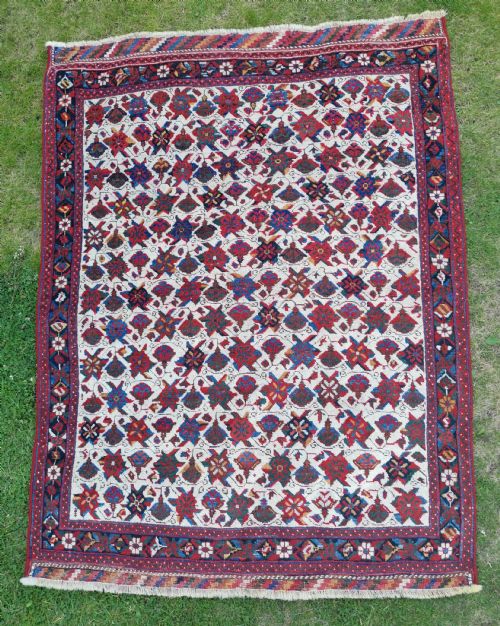
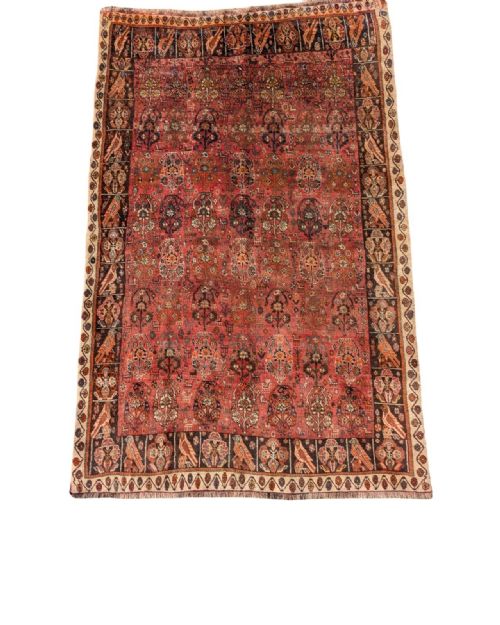
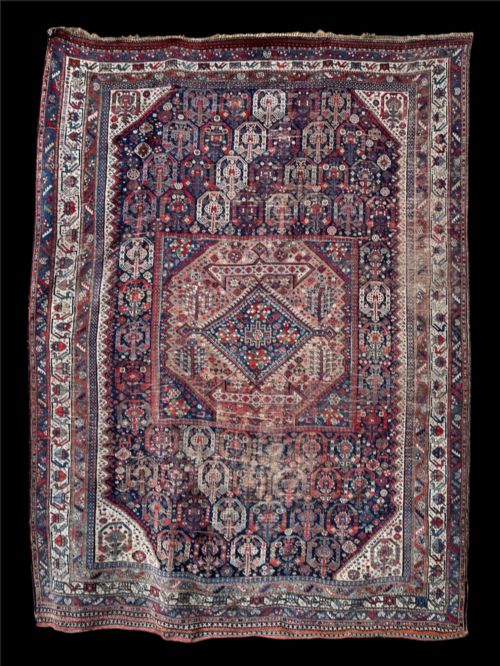
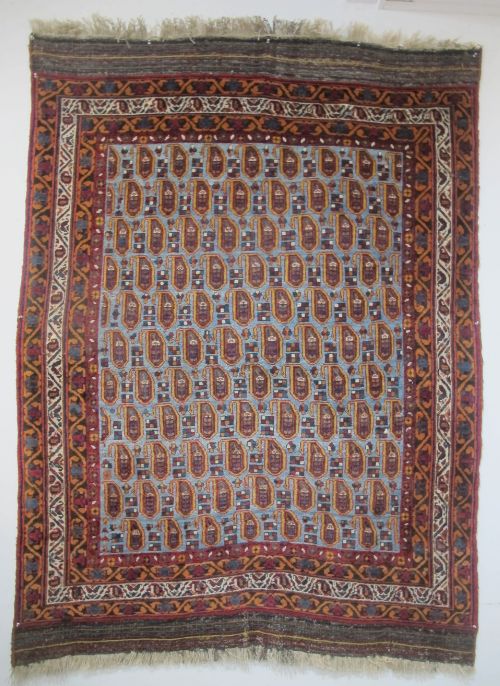
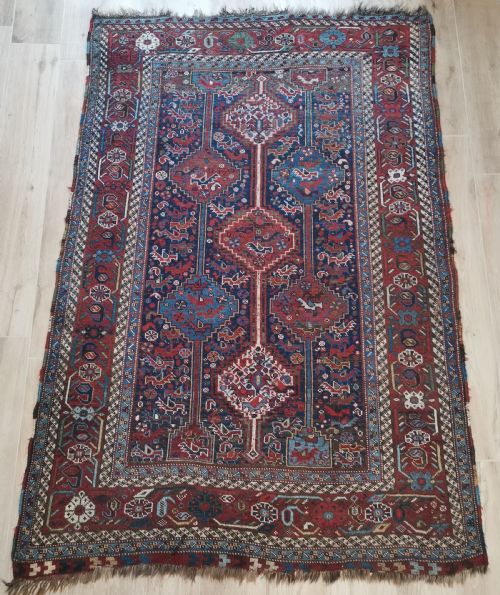
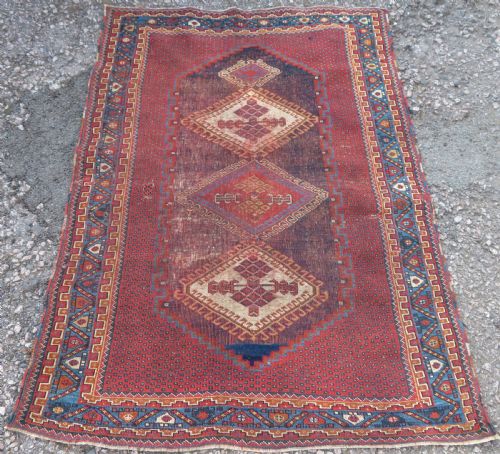
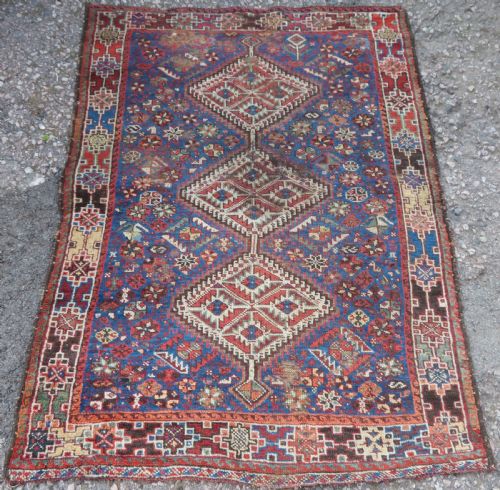
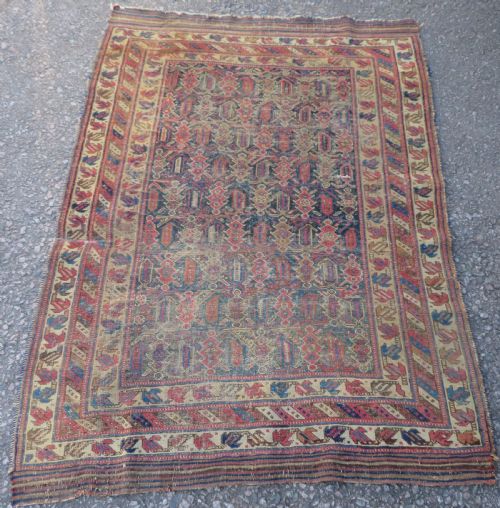
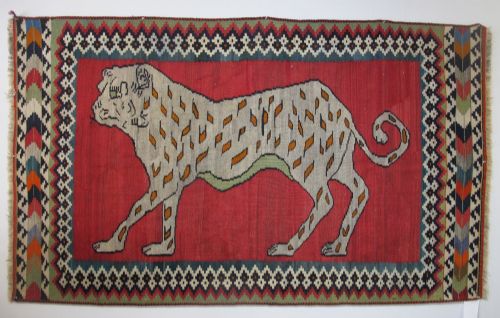
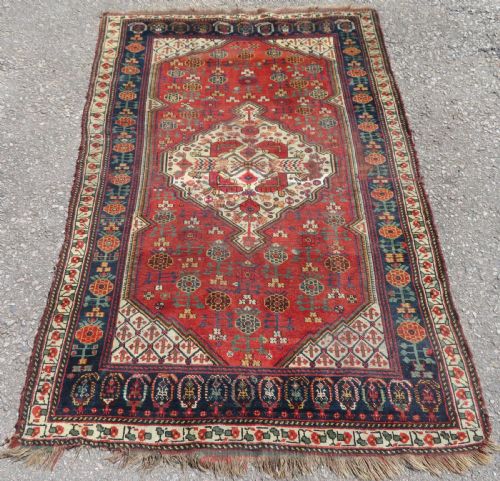
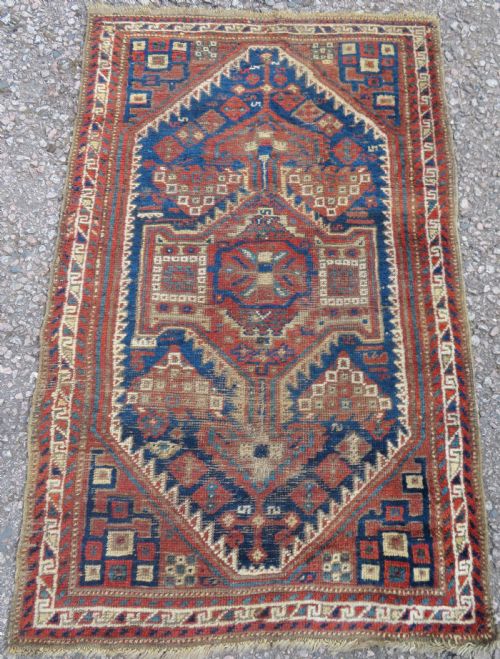
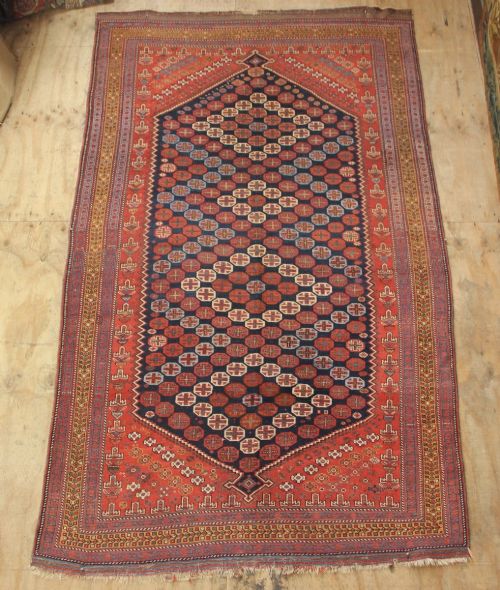
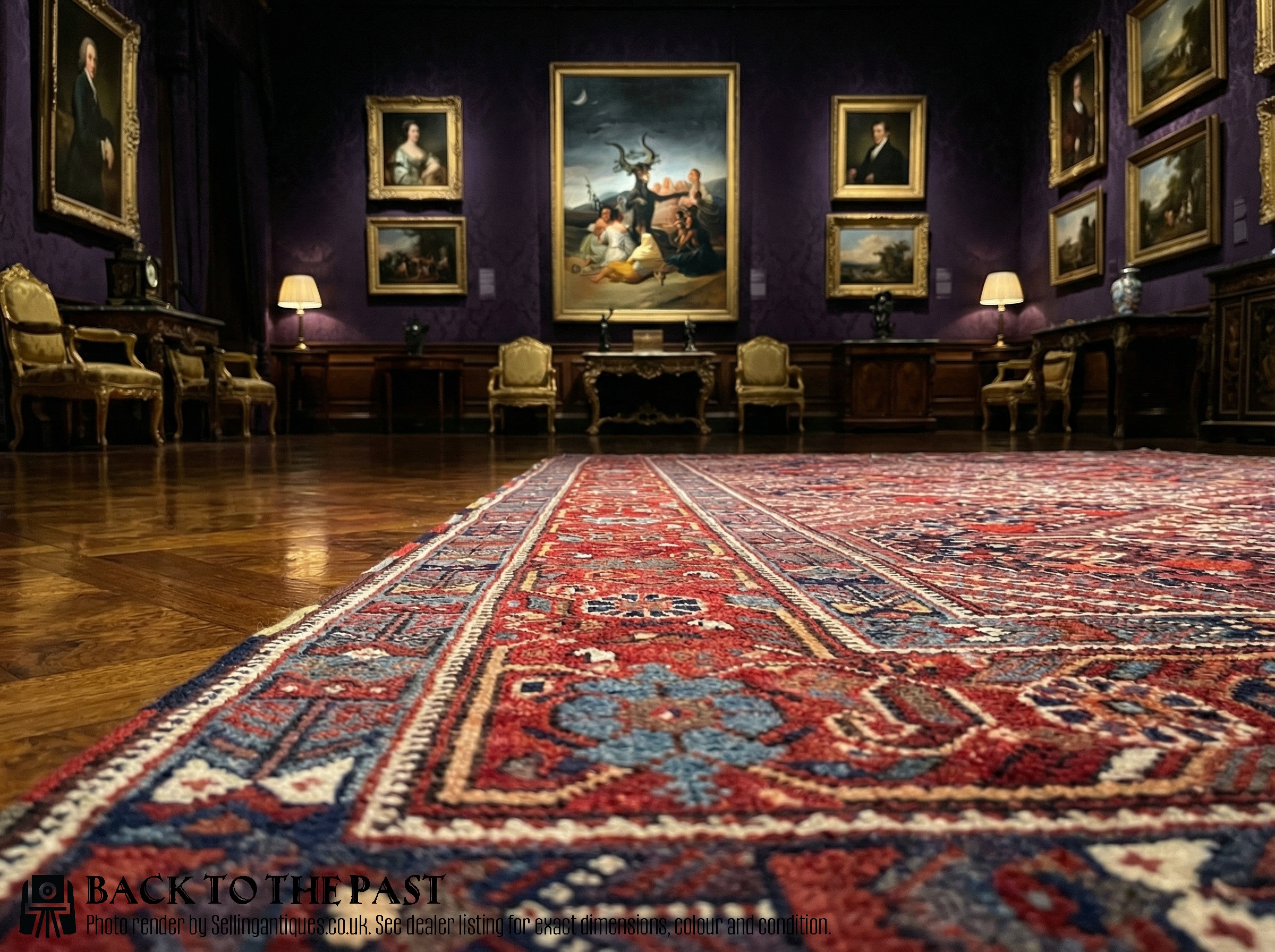
A south persian carpet represents the weaving traditions of nomadic and confederacy groups originating from the southern regions of Persia. The selection spans distinct tribal identities, notably including Afshar, Khamseh, Qashqai, and Luri pieces.
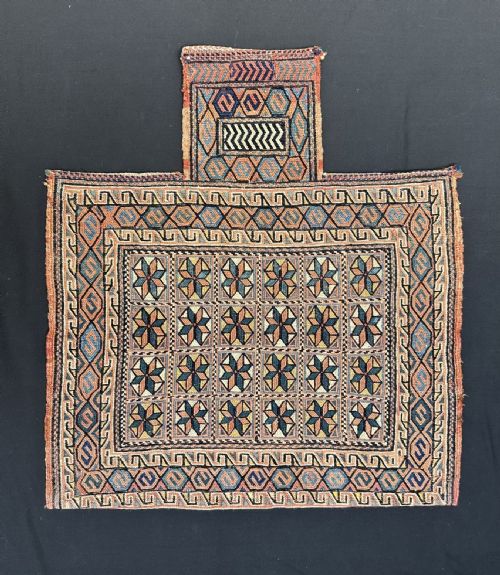
Most examples found in the collection date from the late nineteenth century through to the early decades of the twentieth century. Forms range from large room-size carpets and runner rugs down to smaller utility items such as salt-bags and vanity-bags.
How they were made
Weavers relied on wool and cotton foundations, often utilising hand-spun wool for the pile to achieve a durable and textured surface. Natural dyes provided the deep palette characteristic of these regional tribal textiles.
Construction methods relied on traditional hand-weaving techniques passed down through generations within specific confederacies and regional tribes.
South Persian Carpet Retail Price Guide 2026
Typical asking prices for south persian carpet among the pieces listed under this phrase on Sellingantiques today, from the lower quarter to the upper quarter. They describe what is for sale here now, not the wider market.
Nomadic weavers sometimes tucked tiny accidental asymmetry into their repeating geometric rows just to keep the evil eye away.
What varies in quality
Quality rests in the precision of the tribal design, the handling of natural dyes, and the fineness of the hand-spun wool used in the pile. Superior examples display striking clarity in motifs like the tree of life or geometric medallions.
The integrity of the foundation wool and cotton, alongside the tightness of the weave, marks the distinction between standard utilitarian items and finer collector-grade carpets.
The South Persian Carpet Glossary
- Afshar
- A tribal group hailing principally from the Kerman province of South Persia known for distinctive geometric and floral rugs.
- Khamseh
- A confederacy of Arab and Persian tribes in South-West Persia producing carpets with rich tribal iconography.
- Qashqai
- A major nomadic confederacy renowned for expressive tribal designs and storytelling motifs.
- Natural Dyes
- Colourants derived from plants and minerals used to dye wool before the introduction of synthetic alternatives.
- Kelleh
- A long, narrow format of Persian carpet traditionally suited for specific room layouts.
South Persian Carpet: Frequently Asked Questions
How do I identify a Qashqai rug?
Qashqai rugs often feature characteristic geometric medallion layouts, animal motifs, and rich colour palettes derived from natural dyes.
Look closely at the wool quality and the specific tribal symbols embedded within the field to distinguish them from other regional pieces.
What is an Afshar carpet?
Afshar carpets originate from the southern regions around Kerman and are woven by the Afshar tribes.
They frequently display repeating boteh motifs or striking central medallions executed in hand-spun wool.
Where were Khamseh carpets made?
Khamseh carpets were produced by the confederated tribes of the Fars province in South-West Persia.
These pieces often incorporate dark indigo fields with intricate geometric and bird motifs.
How should I care for a vintage tribal rug?
Protect your vintage carpet by vacuuming gently without a rotating brush and keeping it out of direct, harsh sunlight.
Professional cleaning tailored for antique wool and natural dyes ensures the longevity of the textile.