

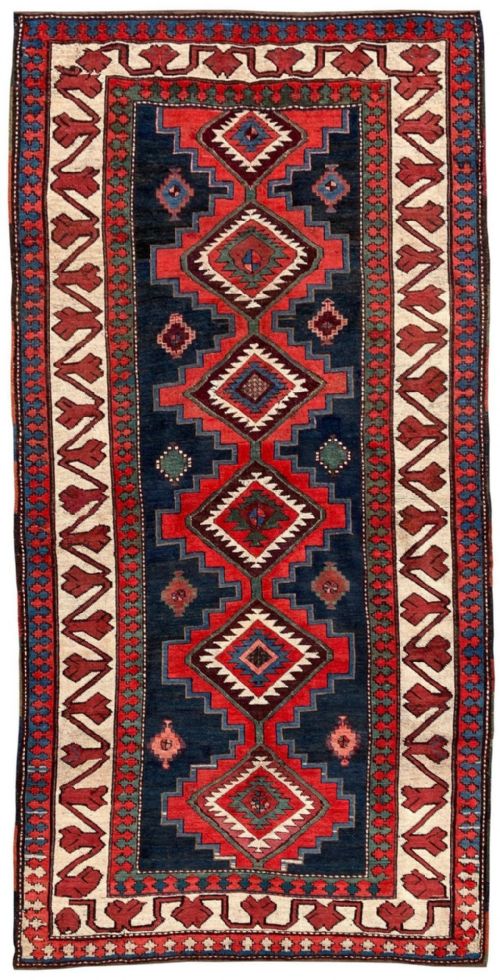
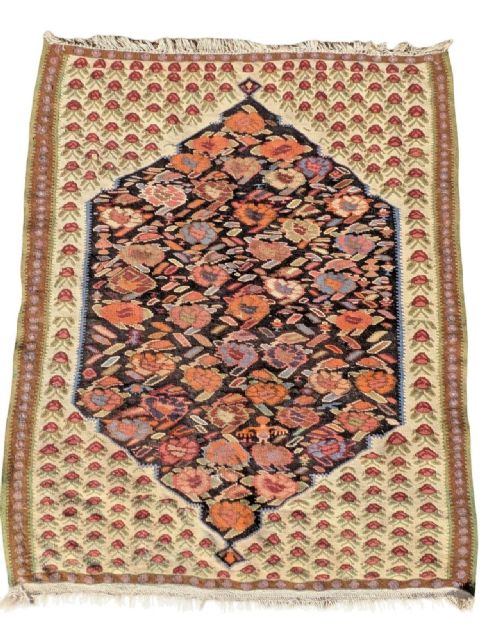
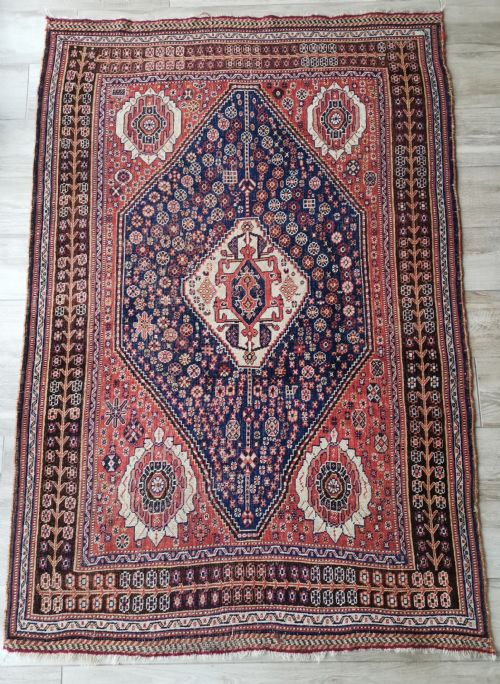
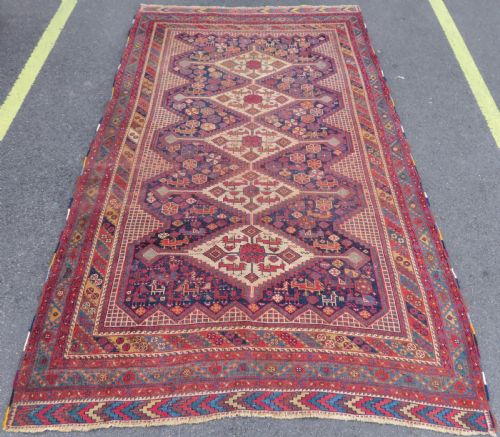
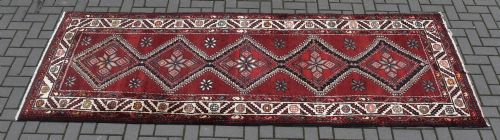


Diamond Medallion Carpet
These diamond medallion carpet examples anchor a room with tribal geometry woven in wool and natural dyes.
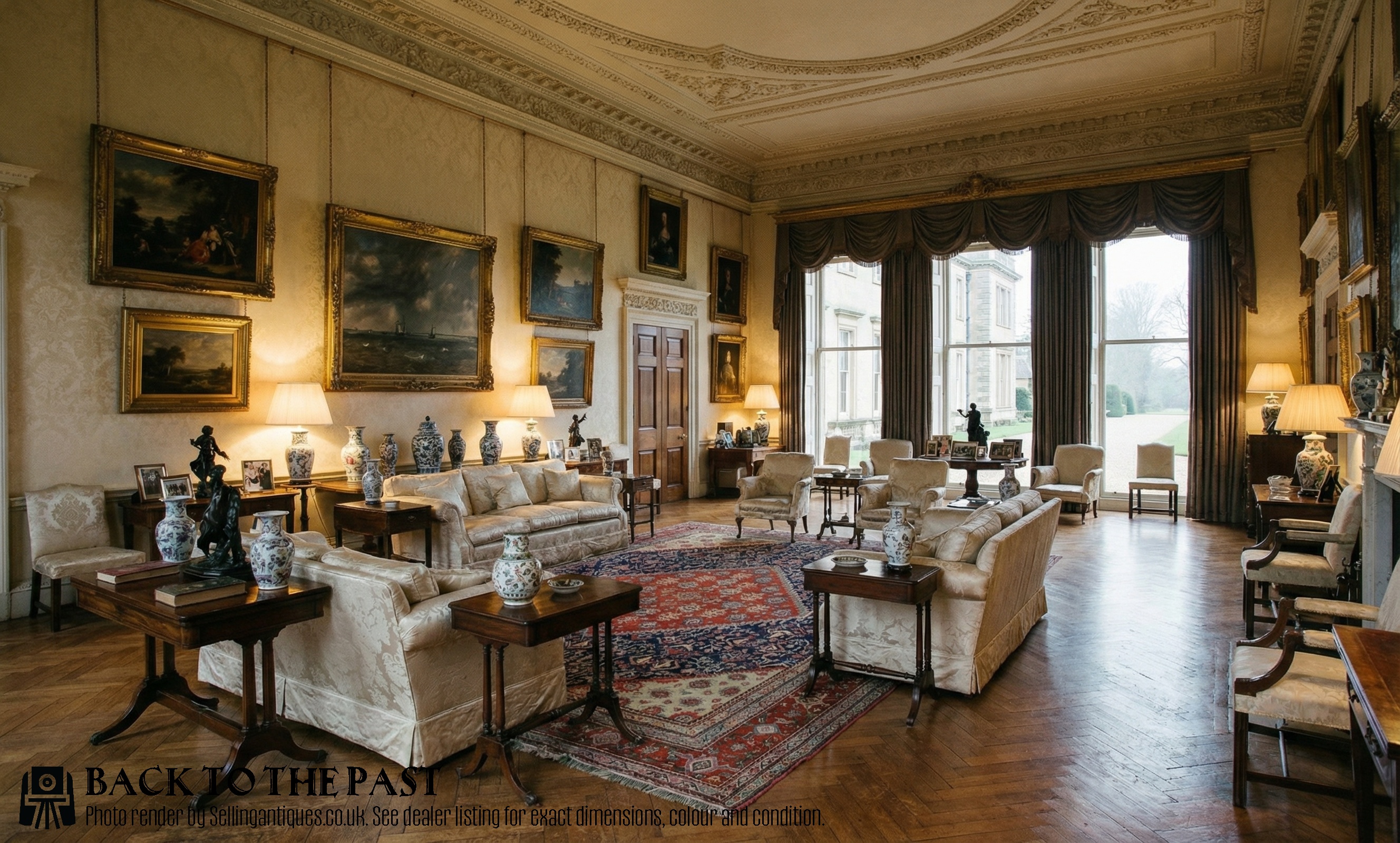
Diamond Medallion Carpet
A diamond medallion carpet brings together centuries of village and nomadic weaving traditions from Persia, the Caucasus, and Anatolia. When searching this phrase, a buyer meets room-sized carpets, runners, and smaller rugs originating from periods spanning the late nineteenth century to the early twentieth century.
How They Were Made
Weavers constructed these textiles using wool and hand-spun wool on cotton or wool foundations. The durability of the weave relies upon careful knotting and sturdy warp and weft threads.
Colour comes from natural dyes that age gracefully over decades. These organic colourants produce deep tones and subtle variations across the field of the rug.
Diamond Medallion Carpet Retail Price Guide 2026
Typical asking prices for diamond medallion carpet among the pieces listed under this phrase on Sellingantiques today, from the lower quarter to the upper quarter. They describe what is for sale here now, not the wider market.
Listings feature wool, cotton, and natural dyes across Persian tribal, Caucasian, and Anatolian styles from the nineteenth and twentieth centuries.
What Varies in Quality
Quality rests in the precision of the tribal design and the handling of the wool. Finer knots allow for sharper definition within the central diamond medallion and surrounding motifs.
The complexity of the border work and the richness of the natural dyes distinguish superior examples. A well-balanced composition demonstrates the weaver's command of traditional geometry.
Arab Tribes·Shekarlu Tribe·Arab Jabbareh Tribe
The Diamond Medallion Carpet Glossary
- Medallion
- A central ornamental design motif, often diamond-shaped, placed in the middle of the carpet field.
- Warp
- The vertical foundation threads stretched tightly on the loom before weaving begins.
- Weft
- The horizontal threads passed across the warp to hold the knots in place.
- Natural Dyes
- Colourants derived from plants, insects, and minerals rather than synthetic chemicals.
- Kilim
- A flat-weave textile produced without a pile, often featuring sharp geometric patterns.
Diamond Medallion Carpet: Frequently Asked Questions
How do I style a diamond medallion carpet?
Place the carpet on wooden floors to let the tribal geometry stand out as a focal point in a sitting room or hallway. Keep surrounding furnishings simple to complement the detailed motifs.
Ensure the rug sits flat using an appropriate underlay to protect the wool foundation from wear.
Are these rugs made with natural dyes?
The listings include pieces created with natural dyes derived from traditional organic sources. These materials yield deep, varied tones that develop a soft patina over time.
Such dyes interact with hand-spun wool to create subtle shifts in shade across the surface.
What periods do these carpets come from?
The pieces originate from the nineteenth and early twentieth centuries, spanning periods from the eighteen-seventies through the nineteen-thirties. Each era brings specific shifts in regional village weaving.
Dates reflect the estimated time of manufacture based on style and materials.
How do I clean an antique tribal rug?
Vacuum gently using suction only, avoiding the fringe where delicate threads can catch. Professional specialist cleaning is recommended for deeper maintenance to protect natural wool and dyes.
Keep the textile away from direct, harsh sunlight to preserve the original colour depth.