

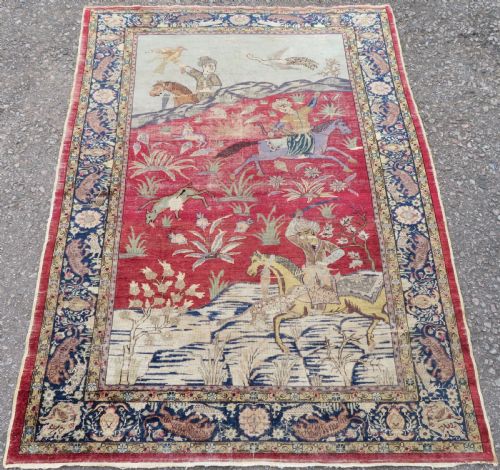


Anatolian Area Rug
An anatolian area rug brings centuries of Turkish textile tradition directly to your floor, offering rich wool pile and geometric or floral motifs.
Anatolian Area Rug
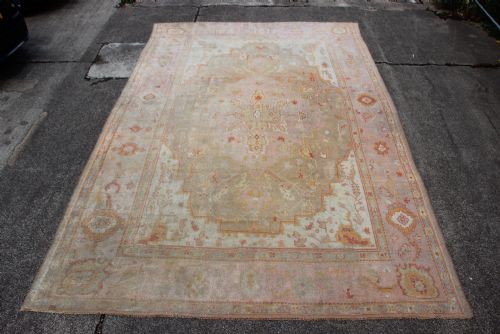
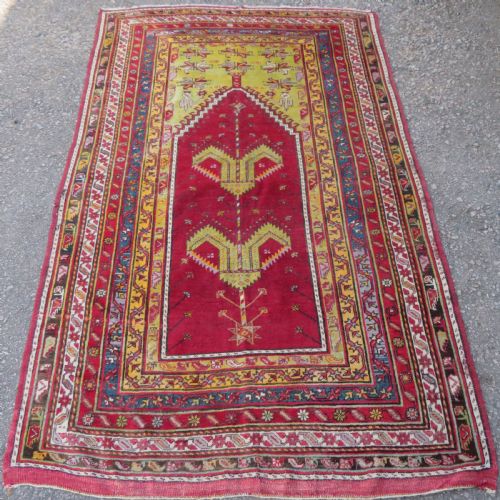
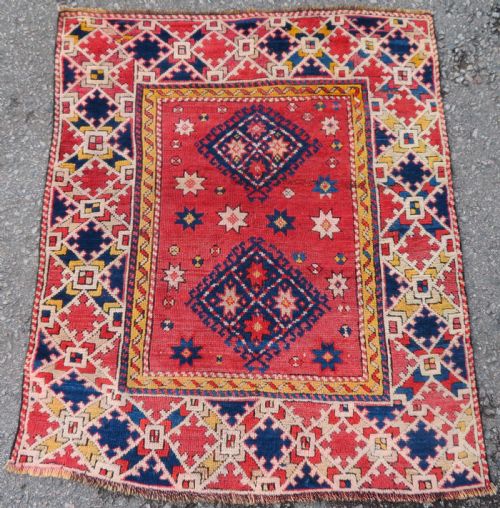
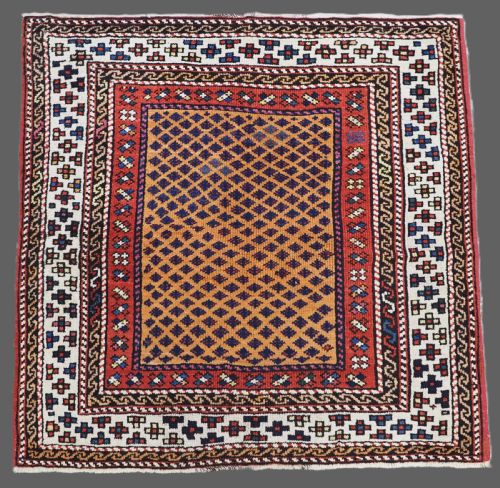
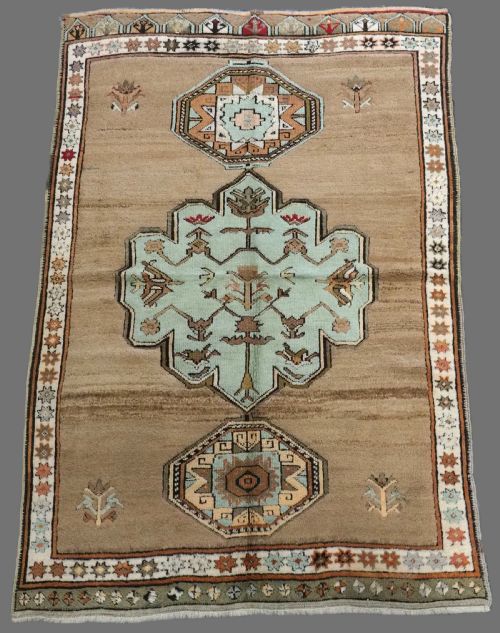
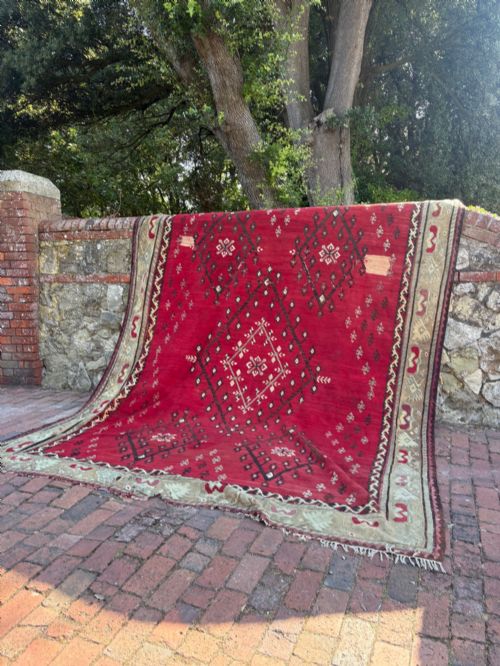
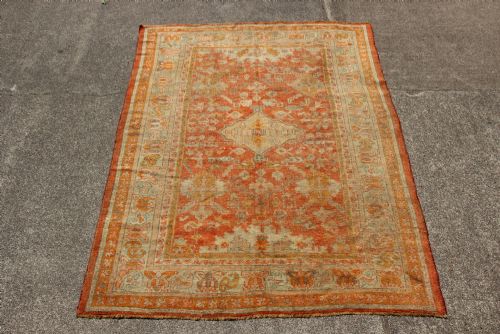
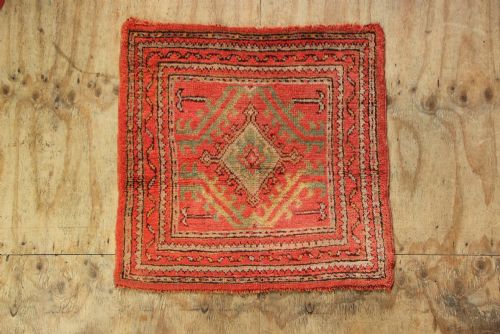
An anatolian area rug spans several decades of weaving heritage, originating from the late nineteenth and early twentieth centuries. These pieces encompass distinct regional identities, including Ushak, Sivas, Kula, and Ottoman Turkish styles.
How They Were Made
These textiles rely entirely on traditional materials recorded as wool and cotton. Weavers typically utilised wool for the soft pile and foundation details, paired with cotton for structural integrity.
Construction methods involve hand-knotting techniques characteristic of Turkish workshops. The resulting pile yields a durable surface suited to domestic use.
Anatolian Area Rug Retail Price Guide 2026
Typical asking prices for anatolian area rug among the pieces listed under this phrase on Sellingantiques today, from the lower quarter to the upper quarter. They describe what is for sale here now, not the wider market.
These rugs have quietly witnessed generations of footsteps, patiently waiting in British homes to anchor your favourite reading nook.
What Varies in Quality
Quality separates through the finesse of design execution, seen in pieces bearing complex Persian Garden layouts or star Ushak motifs. Greater artistic ambition in the drawing distinguishes finer examples from simpler village work.
The handling of wool pile and the crispness of pattern definition determine a rug's visual impact. Superior weaving density allows intricate Anatolian designs to read with exceptional clarity.
The Anatolian Area Rug Glossary
- Ushak
- A major Turkish carpet-weaving centre known for large-scale floral and medallion designs. Pieces from this tradition often display a relaxed, luminous palette.
- Sivas
- A central Anatolian city renowned for producing finely knotted carpets. These works frequently draw upon classical Ottoman and Persian design vocabulary.
- Kula
- A west Anatolian town famous for prayer rugs and classical motifs. Weavings from this area often incorporate distinctive floral compartments.
- Pile
- The upright loops or cut ends of yarn that form the usable surface of a rug. In these antiques, the wool pile provides both texture and warmth underfoot.
Anatolian Area Rug: Frequently Asked Questions
How do I clean an antique rug?
Gentle surface vacuuming without a beater bar removes loose dust safely. Professional textile cleaning is necessary for deep washing to protect the wool fibres.
Avoid using domestic chemical detergents or soaking the piece at home. Specialist care preserves the natural dyes and structural integrity of older Turkish weavings.
Can I place these rugs in heavy traffic areas?
Wool pile naturally resists moderate foot traffic when placed in domestic settings. Using an appropriate underlay prevents slipping and cushions the foundation against floorboards.
Rotating the rug periodically ensures even wear across the surface. This simple step protects the wool and cotton structure over years of use.
What rooms suit an area rug best?
Living rooms and bedrooms provide ideal spaces for displaying large formats. The varied sizes accommodate both central floor placement and bedside positioning.
Their traditional patterns add warmth and texture to timber or stone flooring. Selecting the correct dimensions anchors the furniture arrangement within the room.
How do I identify different Turkish regional styles?
Design motifs and colour palettes offer the clearest clues to origin. Ushak pieces often feature bold, expansive floral patterns, whereas Sivas works lean towards classical detail.
Comparing knot structure and wool quality further aids attribution. Each weaving centre developed distinct stylistic traditions over generations.