



Antique Turkish Floor Rug
These antique turkish floor rug examples bring genuine warmth and character to a room through centuries of traditional weaving.
Antique Turkish Floor Rug
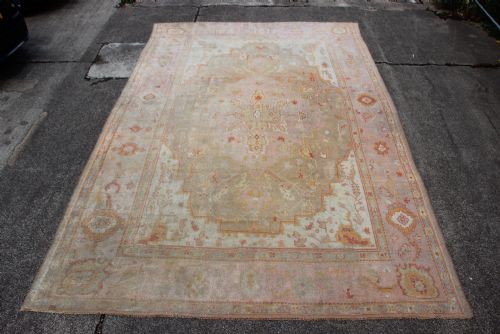
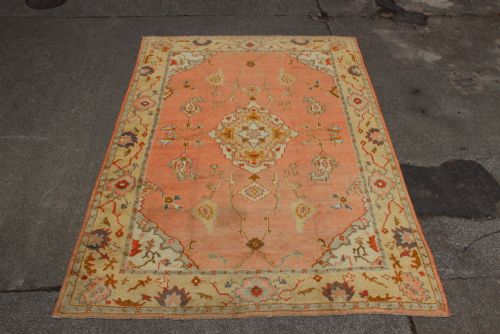
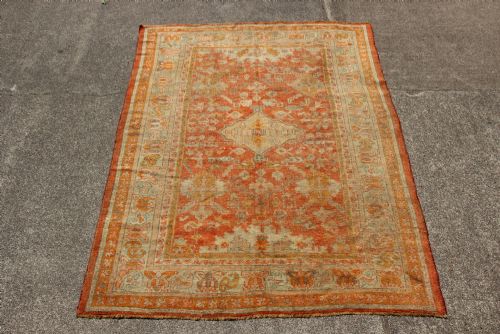
An antique turkish floor rug brings traditional Anatolian craftsmanship directly into modern spaces through large carpets and area rugs. Buyers searching for an antique turkish floor rug encounter pieces originating from distinct periods spanning from eighteen eighty to nineteen thirty.
Most examples found on this page date from the late nineteenth century to the early twentieth century. They offer room-sized formats as well as smaller area rug dimensions.
How They Were Made
Weavers constructed these traditional carpets using natural fibres such as wool and cotton for the foundation and pile. Certain specialised pieces incorporate floss silk or pure silk to create a finer texture and subtle lustre.
The makers knotted these textiles by hand in traditional Anatolian and Ottoman workshops. Artisans utilised durable materials designed to withstand generations of daily use on the floor.
Antique Turkish Floor Rug Retail Price Guide 2026
Typical asking prices for turkish floor rug among the pieces listed under this phrase on Sellingantiques today, from the lower quarter to the upper quarter. They describe what is for sale here now, not the wider market.
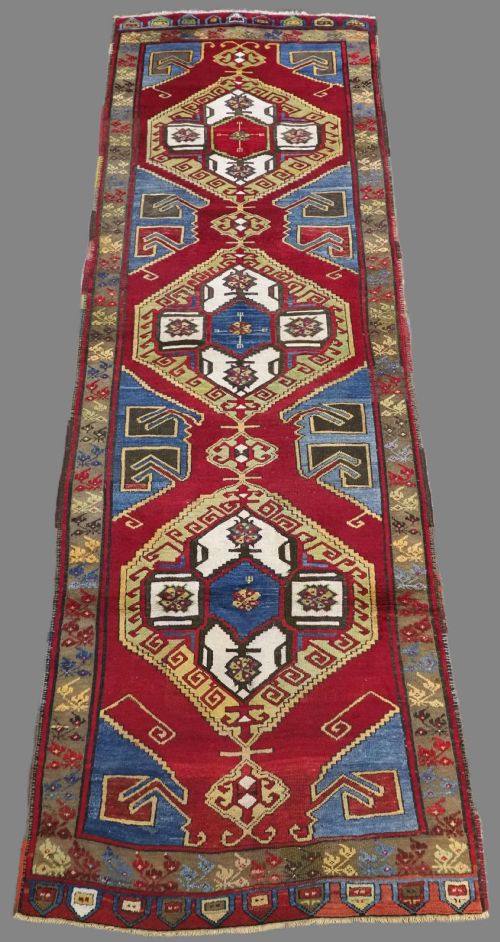
One Sivas rug contains floss silk, proving that weavers occasionally liked to add a little extra shine underfoot.
What Varies In Quality
The finest examples demonstrate superior material selection, particularly when utilising floss silk or dense wool pile. The handling of traditional Oushak and Ushak designs dictates the visual impact of each carpet.
Age and regional origin influence the character of the weave, with nineteenth-century specimens showing distinct characteristics compared to nineteen thirties productions. The integrity of the foundational cotton and wool structure defines the longevity of the piece.
The Antique Turkish Floor Rug Glossary
- Oushak
- A traditional Turkish carpet style originating from the town of Usak, known for softer pastel palettes and large-scale floral motifs. These rugs are highly regarded by collectors for their decorative versatility.
- Sivas
- A regional centre of Turkish rug production renowned for fine knotting and often incorporating luxurious materials like floss silk. Sivas pieces display intricate detail reflecting classical Anatolian designs.
- Melas
- A weaving style from southwestern Anatolia, typically characterised by bold geometric patterns and rich colour palettes. Melas carpets provide a strong folk art aesthetic.
- Pile
- The upright yarn loops that form the usable surface of a woven rug. The height and density of the pile affect both the texture and durability of the textile.
Antique Turkish Floor Rug: Frequently Asked Questions
How do I clean an old carpet?
Gentle surface cleaning and professional specialist washing preserve the delicate wool and silk fibres without damaging the traditional foundation.
Harsh chemical treatments and excessive water should be avoided to protect the historical dyes and natural materials.
Where should I place these rugs?
These floor coverings suit low-traffic living areas, bedrooms, and studies where the textile receives minimal abrasive wear.
Using a quality underlay prevents slipping and cushions the traditional cotton and wool foundation against hard floors.
How are different regional styles identified?
Distinctive knotting techniques, specific colour combinations, and traditional motif structures separate Oushak pieces from Melas or Sivas productions.
Examining the materials used in the pile and foundation offers further clues to the geographic origin of the weaving.
What period do these pieces date from?
The available floor rugs span from the late nineteenth century through to the early decades of the twentieth century.
Dates generally range between eighteen eighty and nineteen thirty, representing established periods of Turkish and Anatolian craftsmanship.