





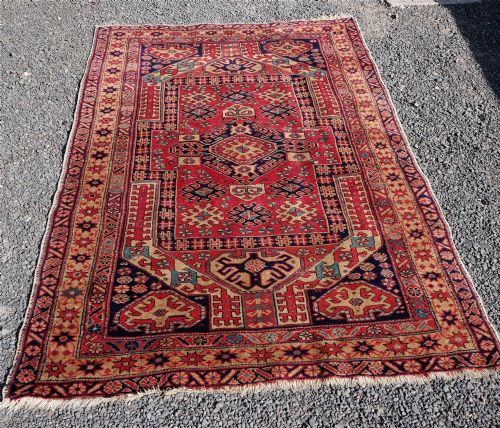
Vintage Oriental Area Rug
A vintage oriental area rug brings grounded pattern and tactile warmth to a floor, drawing on centuries of weaving traditions from Persia, the Caucasus, and Central Asia.
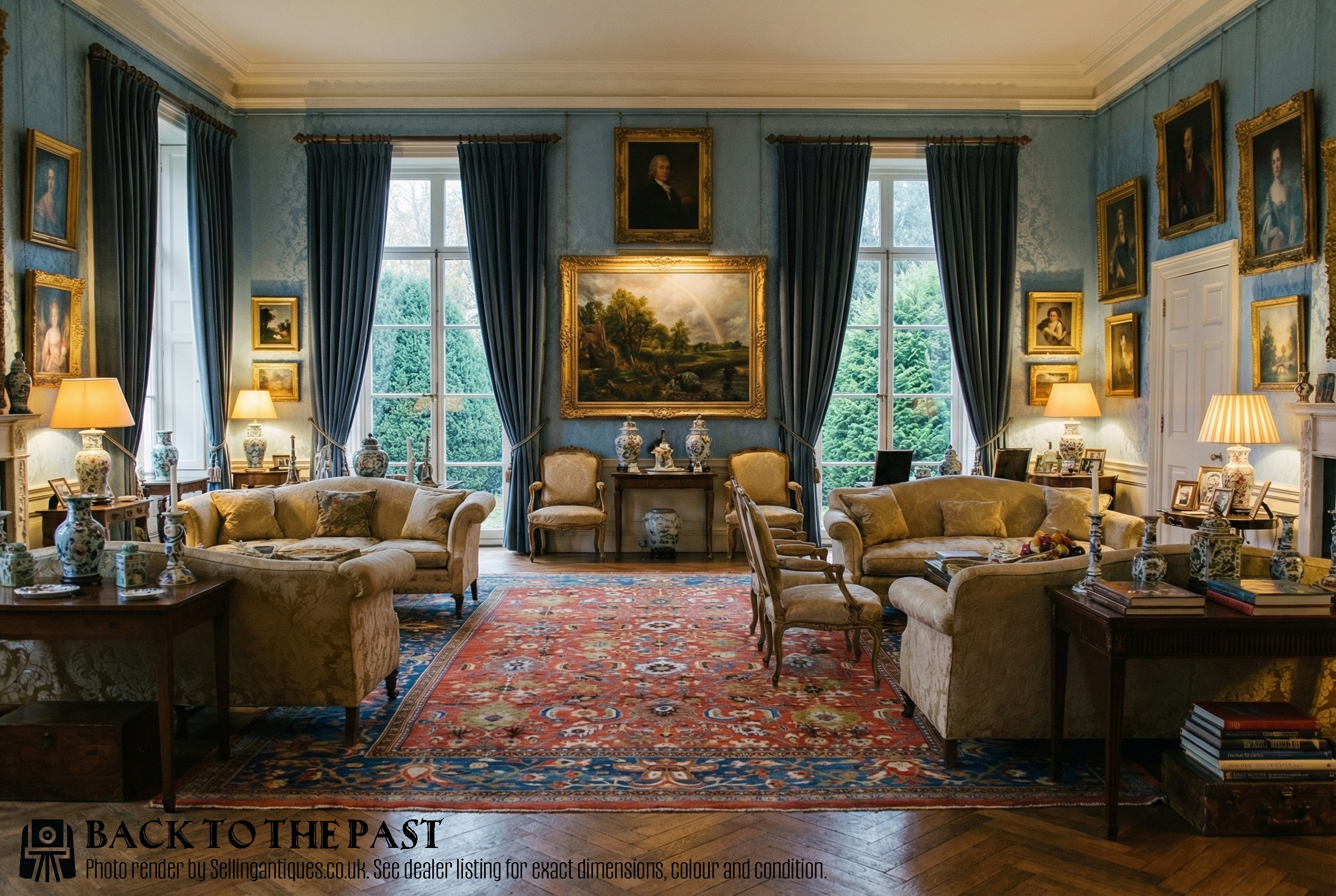
Vintage Oriental Area Rug
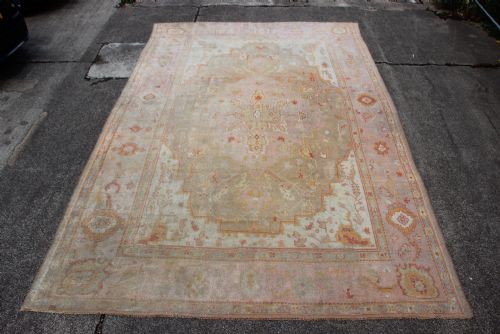
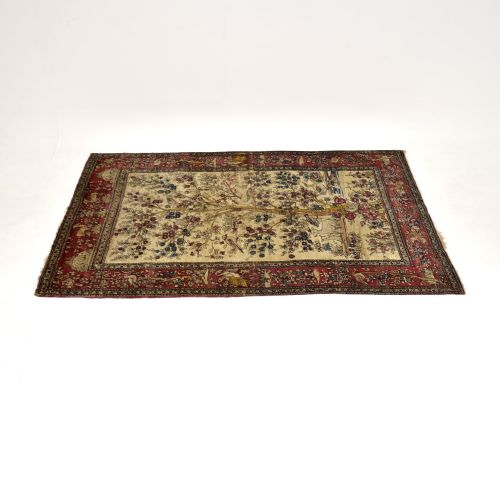
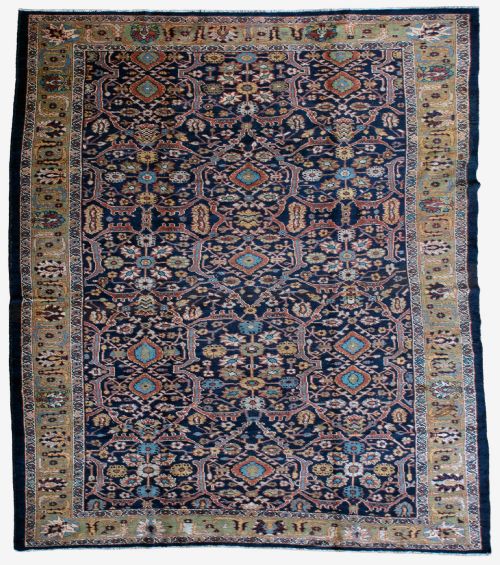
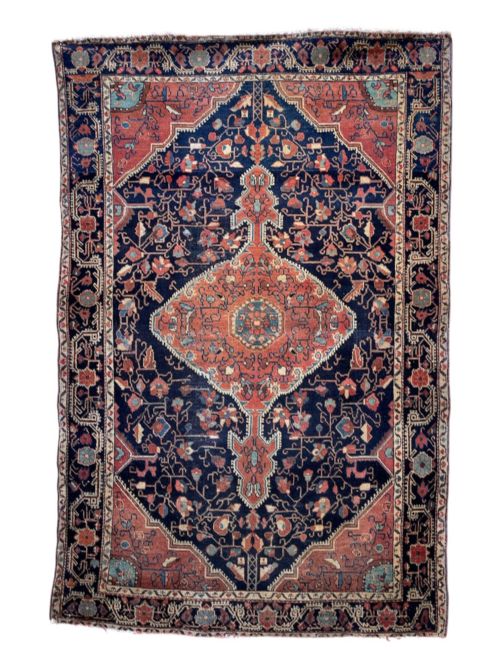
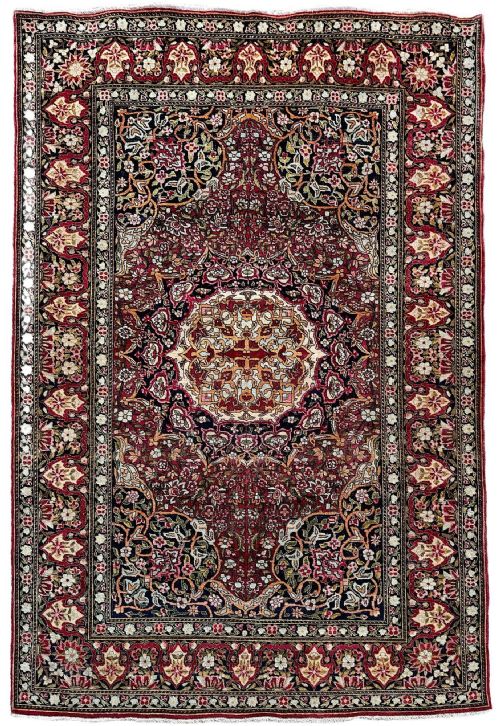
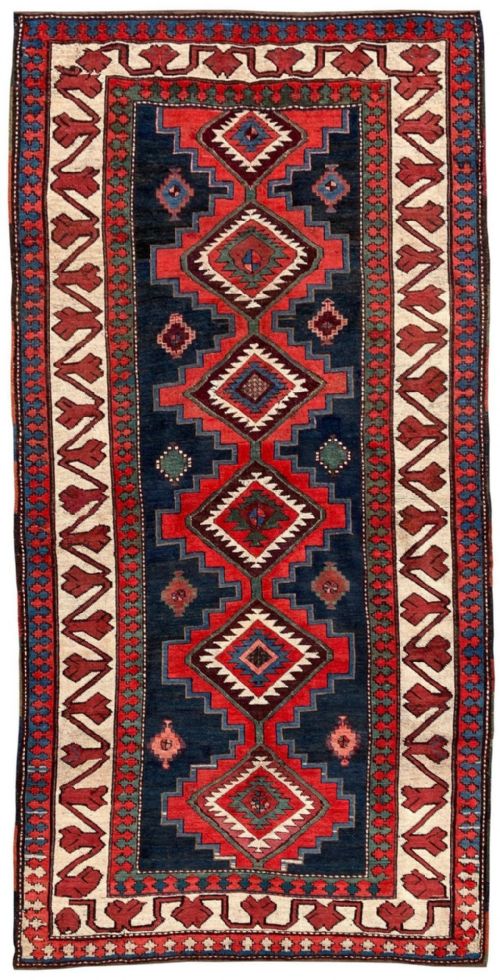
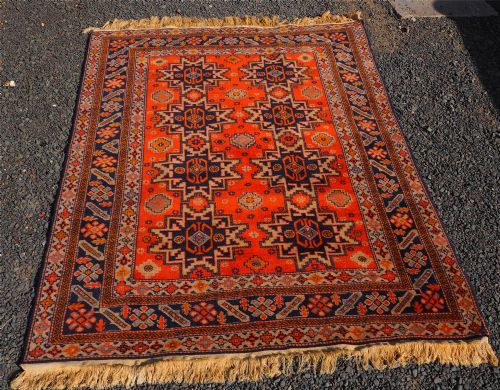
When you search for a vintage oriental area rug, you encounter hand-knotted and hand-woven floor coverings spanning from the nineteenth century into the 1930s. The selection on this page is dominated by Persian pieces, including Heriz, Saroukh, Mahal, and Isfahan carpets alongside tribal Caucasian Kazak and Turkmen examples.
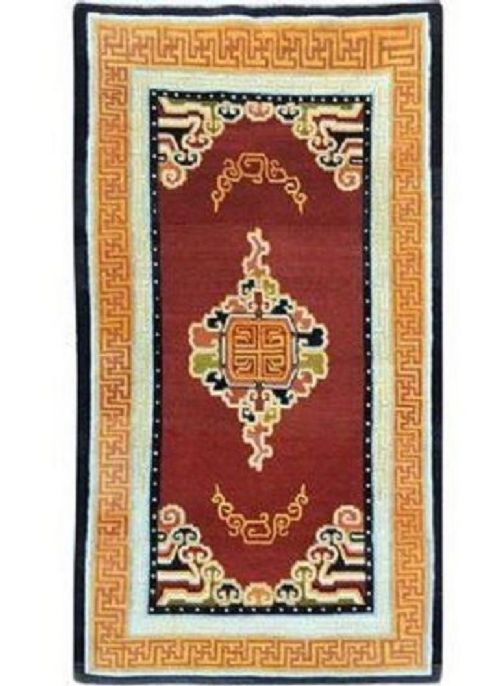
These textiles take the form of full-sized carpets, hearth-sized mats, runners, and village rugs. They serve as historical artefacts of domestic life in regions such as Turkmenistan, Turkey, and Tibet, shaped by the distinct weaving traditions of their local communities.
Most pieces date from the Victorian and Edwardian eras through to the interwar period. Buyers select them to anchor sitting rooms, studies, and hallways with enduring motifs and grounded palettes.
How they were made
Weavers constructed these carpets using natural materials, predominantly wool, cotton foundations, and occasionally silk highlights. Many pieces incorporate hand-spun wool and natural dyes that yield rich, complex tones over time.
The methods rely on traditional hand-knotting and weaving techniques passed down through generations in tribal and village workshops. Makers utilised sturdy materials designed to withstand decades of daily use while retaining structural integrity.
Vintage Oriental Area Rug Retail Price Guide 2026
Typical asking prices for vintage oriental area rug among the pieces listed under this phrase on Sellingantiques today, from the lower quarter to the upper quarter. They describe what is for sale here now, not the wider market.
Several carpets preserve centuries-old tribal prayer niches designed to point the weaver toward Mecca wherever they unrolled the floor covering.
What varies in quality
Knot density and structural tightness set finer workshop carpets apart from coarser village or tribal pieces. A tighter knotting structure allows intricate geometric and floral designs to remain crisp and well-defined.
The purity and preparation of the wool foundation influence how a rug handles foot traffic and age. Superior pieces demonstrate uniform pile clipping and robust selvedges that protect the outer edges from fraying.
The Vintage Oriental Area Rug Glossary
- Pile
- The vertical or diagonal loops of yarn that form the usable surface of the carpet. This layer absorbs foot traffic and displays the woven pattern.
- Selvedge
- The bound or reinforced edge running parallel to the length of the rug. It prevents the sides from unravelling and maintains the rectangular geometry.
- Natural dye
- Colourants derived from plants, insects, and minerals rather than synthetic chemicals. These dyes often develop a subtle patina with age and exposure to light.
- Knot count
- The number of individual knots per square unit of carpet. Higher counts typically indicate greater workshop precision and design complexity.
- Warp
- The vertical threads stretched tightly on the loom before weaving begins. The horizontal weft threads pass through these to secure the knots.
Vintage Oriental Area Rug: Frequently Asked Questions
How do I clean an antique rug?
Gentle surface brushing and regular light vacuuming without a beater bar remove loose dust and grit from the wool pile. Professional specialist cleaning remains necessary for deep washing to protect the natural fibres and dyes.
Water saturation and harsh chemical detergents risk damaging the cotton foundations and bleeding the traditional dyes. Store or display rugs away from direct, harsh sunlight to preserve the original colour balance.
Where were these carpets made?
The pieces originate across a wide geographic expanse covering Persia, the Caucasus, Turkey, Turkmenistan, Afghanistan, and Tibet. Each region developed distinct stylistic vocabularies influenced by local tribal heritage and workshop traditions.
Persian centres such as Heriz, Saroukh, and Isfahan produced refined floral and medallion designs. In contrast, Caucasian and Turkmen weavers favoured geometric symbols, repeating octagons, and tribal motifs.
Are these rugs suitable for hallways?
Runners and narrow village carpets suit high-traffic corridors and entryways when paired with a quality underlay. The durable wool construction handles regular foot traffic while providing sound insulation on hard flooring.
Selecting a piece with a dense pile ensures the textile maintains its structure under prolonged use. Periodic rotation distributes wear evenly across the length of the runner.
How do I date an older carpet?
Dating relies on stylistic markers, structural analysis, and material composition characteristic of specific production decades. Natural dyes, hand-spun wool, and specific regional motifs often point toward nineteenth-century or early twentieth-century origins.
Examining the back of the rug reveals knotting irregularities and wear patterns consistent with age. Comparing the design elements to documented examples from regions like Oushak or Bidjar helps narrow the period of origin.