





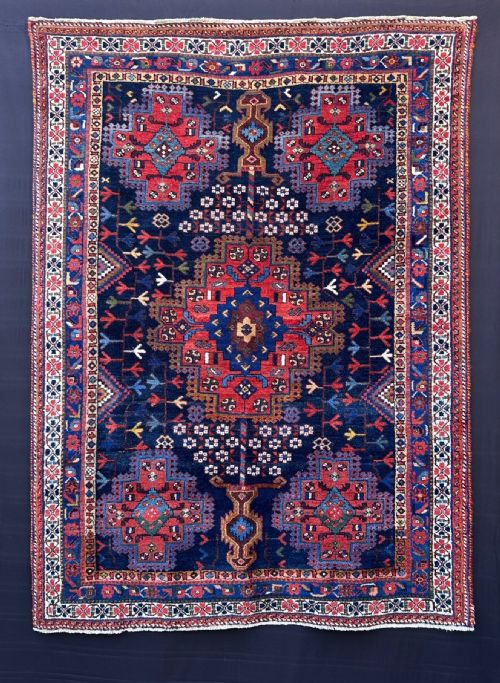
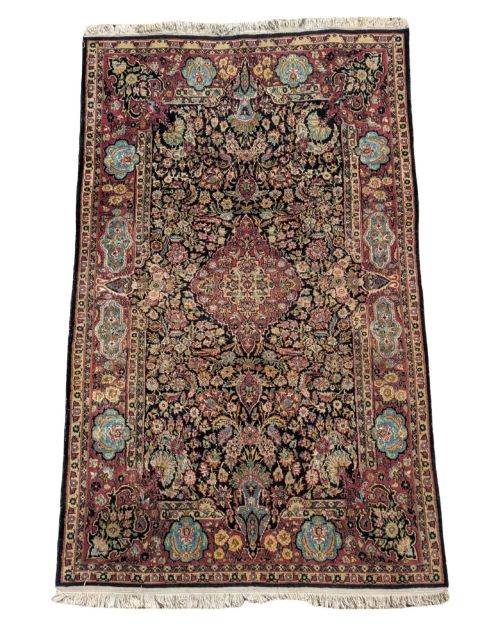
Traditional Wool Floor Carpet
A traditional wool floor carpet brings genuine warmth and historical depth to a room through authentic regional knotting and natural dyes.
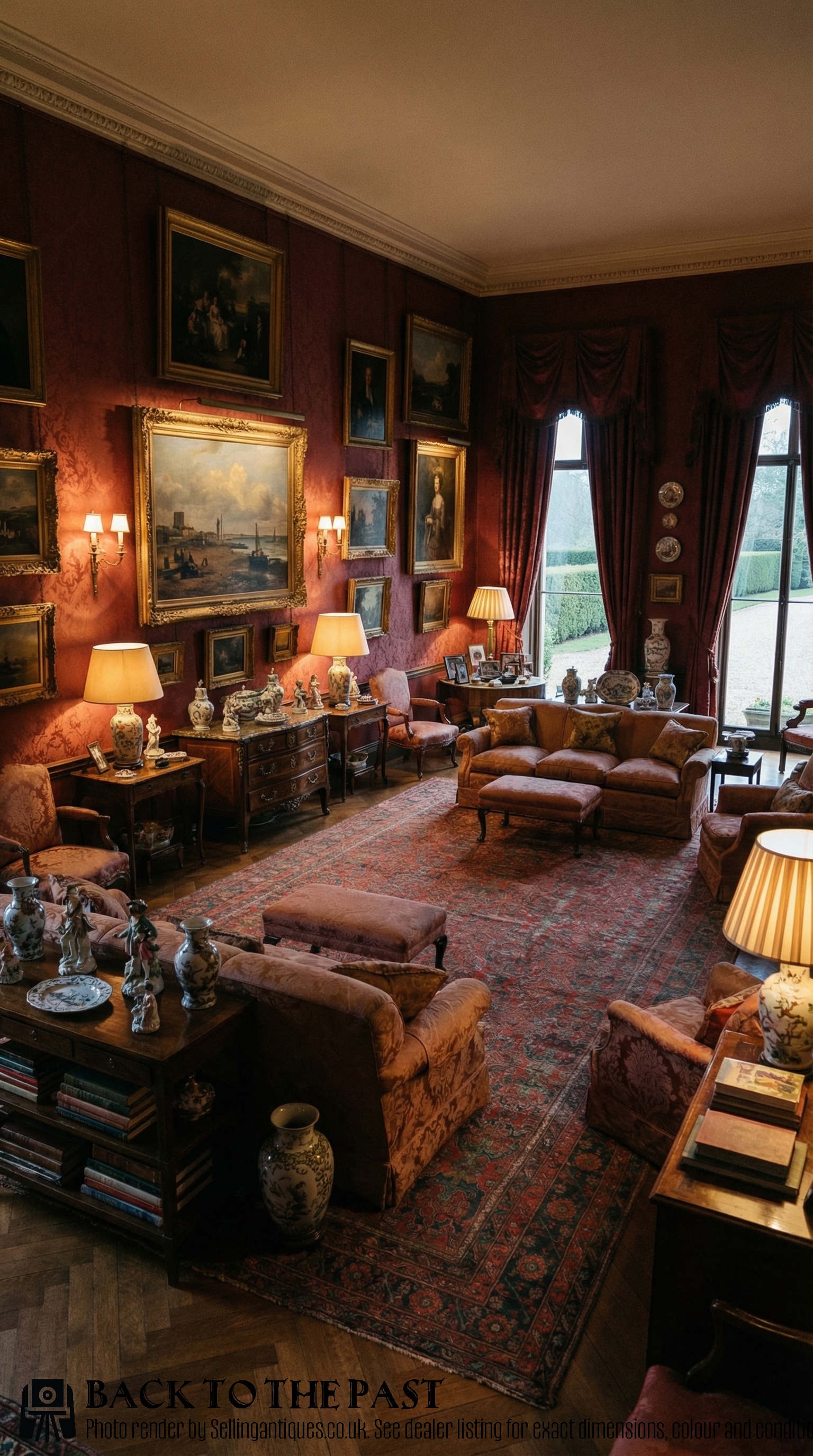
Traditional Wool Floor Carpet
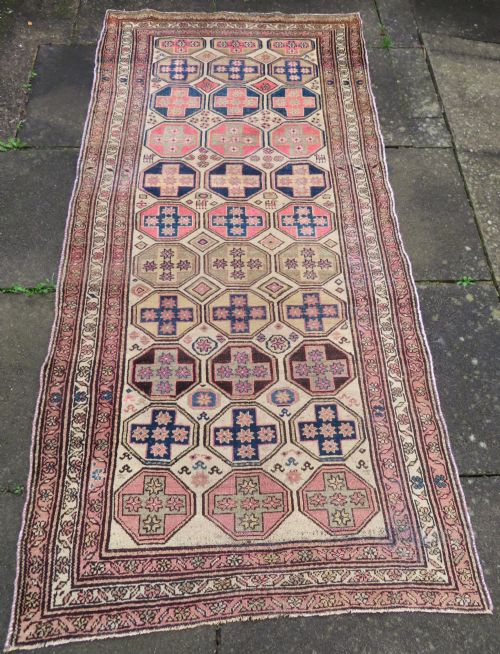
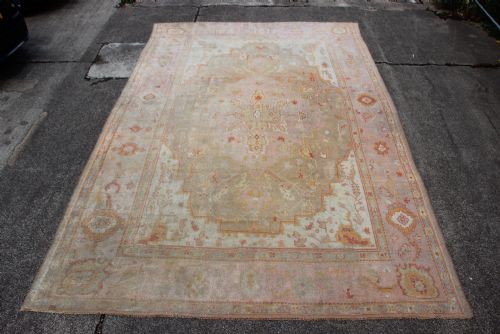
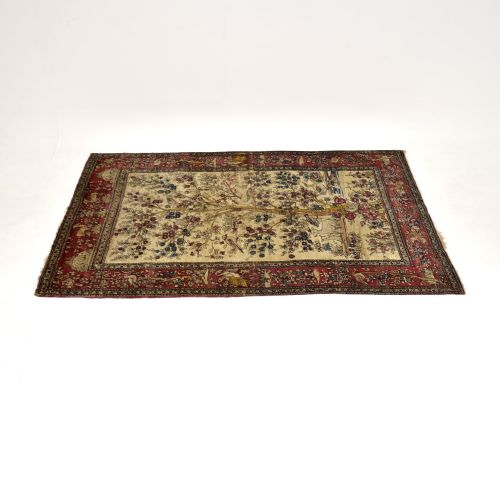
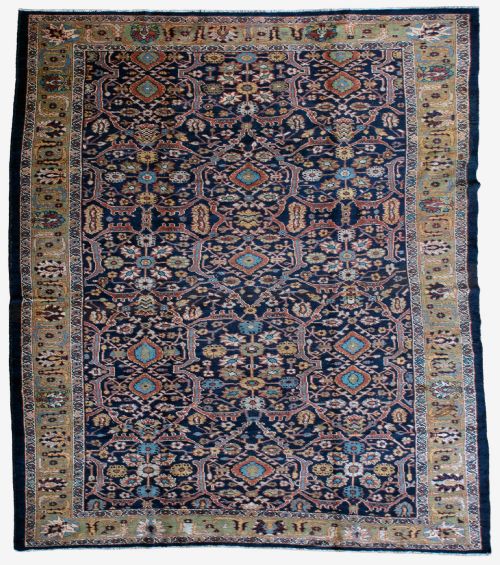
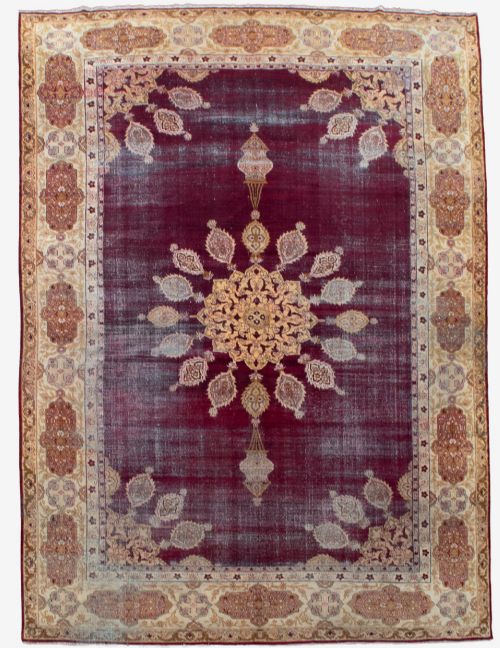
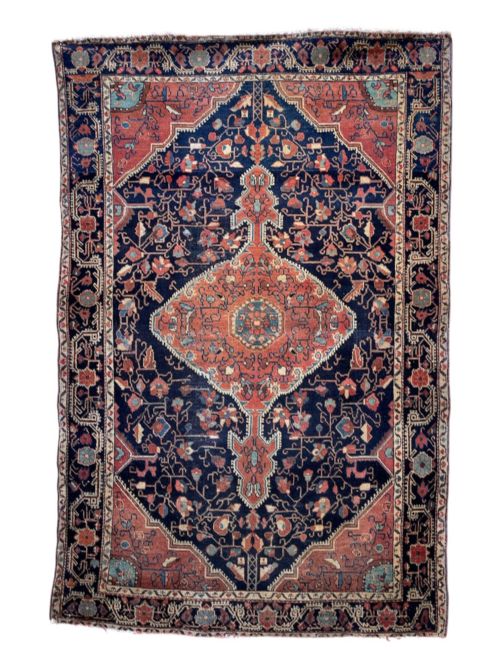
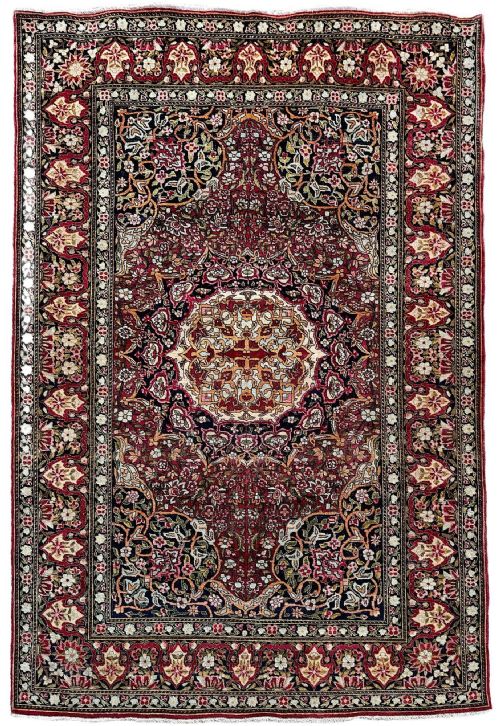
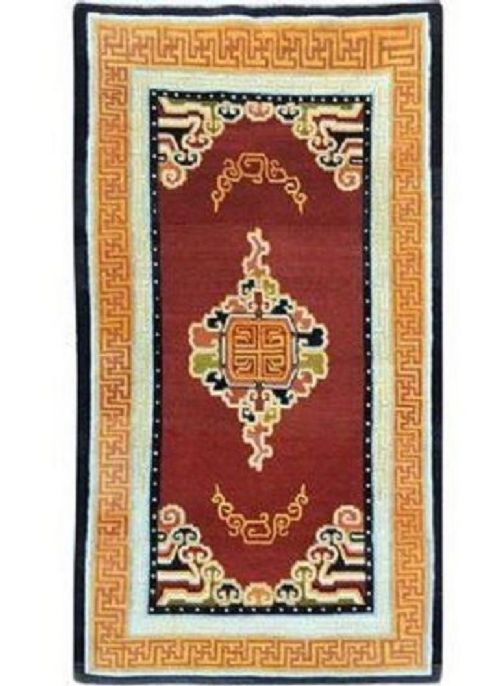
A traditional wool floor carpet covers regional woven floorpieces originating mainly from Persia, Turkey, Central Asia, and the Caucasus. These heavy floor textiles include room-sized carpets, hallway runners, and smaller area rugs produced across the nineteenth and early twentieth centuries.
Buyers on this page most frequently encounter Persian styles such as Heriz, Saroukh, and Mahal alongside Turkmen tribal main carpets and Caucasian village rugs. Pieces span dates from the mid-nineteenth century through the nineteen-thirties.
These floor coverings served domestic and tribal functions in country houses and village dwellings, yielding robust utility alongside intricate symbolic patterning. Each example reflects the distinct weaving traditions of specific provinces, confederacies, or nomadic tribes.
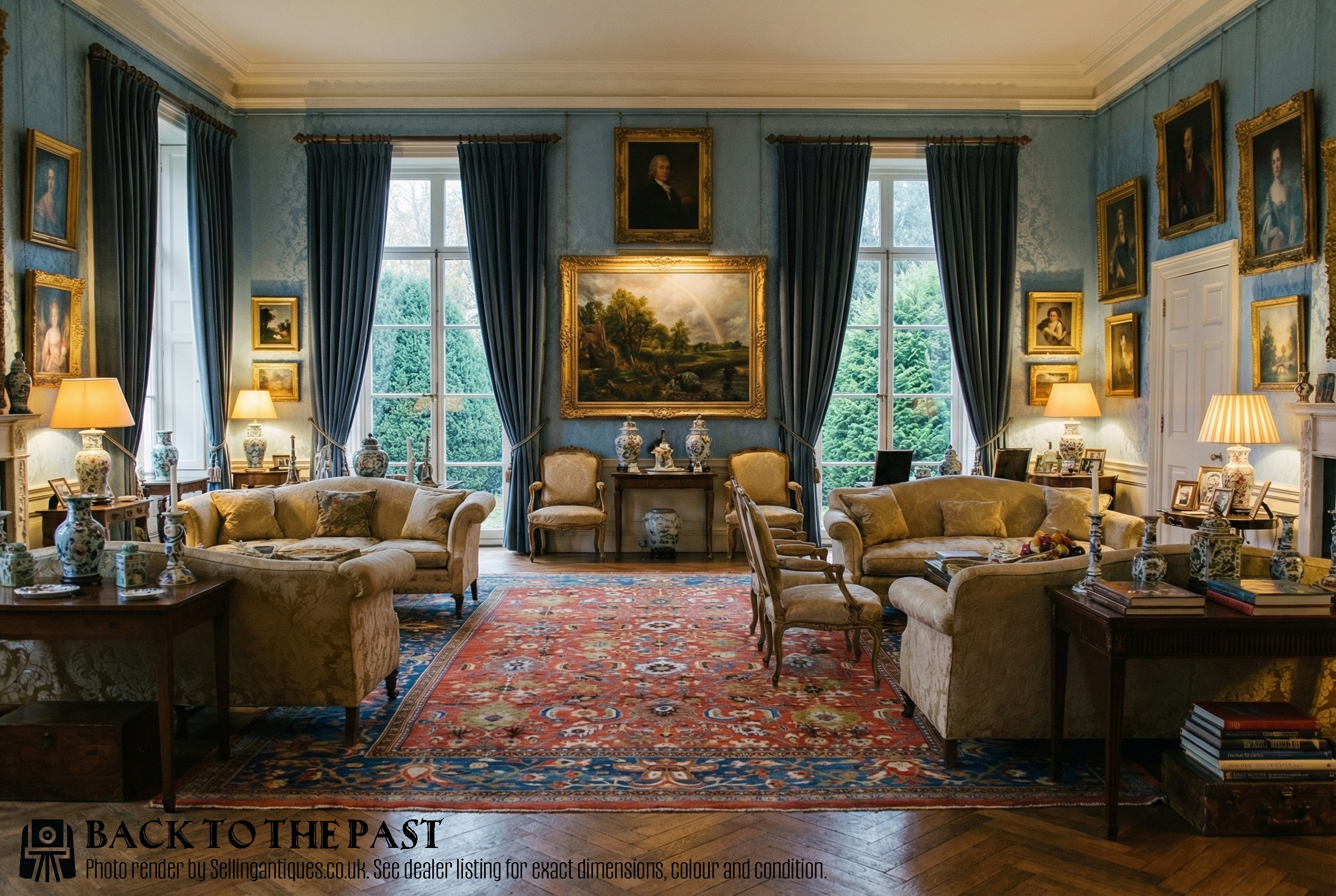
Materials and construction methods
Makers utilised resilient wool for the pile and foundation threads, frequently incorporating cotton for structural warps and wefts to maintain stability across large formats. Selected regional examples also integrate silk highlights to emphasise specific botanical or geometric motifs.
Weavers relied on natural dyes derived from plants and insects to achieve rich terracotta reds, deep indigos, and warm earth tones that mellow gracefully over decades. Hand-knotting techniques bound the fleece securely to the foundation, creating dense pile surfaces designed for heavy foot traffic.
Traditional Wool Floor Carpet Retail Price Guide 2026
Typical asking prices for traditional wool floor carpet among the pieces listed under this phrase on Sellingantiques today, from the lower quarter to the upper quarter. They describe what is for sale here now, not the wider market.
The listings span production dates from eighteen-fifty through nineteen-thirty, using wool, cotton, silk, and natural dyes across Persian and Caucasian styles.
Distinctions in execution and grade
Quality separates through knot density, precision of drawing, and the depth achieved by natural dyestuffs across the surface. Tighter knotting allows sharper botanical and geometric definition in village and tribal formats.
The choice and saturation of natural dyes dictate visual harmony, where complex multi-toned abrash displays skilled immersion rather than flat chemical uniformity. Structural integrity of the wool pile and the original state of the outer selvedges further define the preservation tier.
Kizyl Ayak Tribe·Ersari Turkmen
The Traditional Wool Floor Carpet Glossary
- Abrash
- Subtle tonal variation within a single field of colour caused by changes in dye batches or wool lots over time.
- Kelleh
- A long, narrow format carpet traditionally proportioned for specific room dimensions.
- Gul
- A repeating octagonal medallion motif frequently found in Turkmen and Baluch tribal weaving.
- Warp
- The vertical foundation threads stretched tightly on the loom before knotting begins.
- Selvedge
- The reinforced outer edge binding that protects the carpet margins from fraying.
Traditional Wool Floor Carpet: Frequently Asked Questions
How do I clean a wool carpet?
Vacuum gently without a rotating brush roll to remove embedded grit from the wool pile.
Professional specialist washing remains essential for deep cleaning to protect natural dyes and fragile foundations.
Can I place these carpets in hallways?
Runner formats and robust village weaves suit high-traffic corridors due to dense wool construction.
Use a quality underlay to prevent slipping and reduce abrasion against the floorboards.
How do I tell tribal from city rugs?
Tribal pieces display geometric memory patterns, hooked polygons, and saturated red fields tied to specific nomadic groups.
City carpets feature curvilinear floral medallions, precise vase designs, and intricate palmettes woven in fixed urban workshops.
What underlay works best underneath?
Choose a breathable, natural rubber or felt mesh pad that holds the carpet firmly in place.
Avoid synthetic backings that trap moisture and restrict airflow through the cotton and wool foundation.