

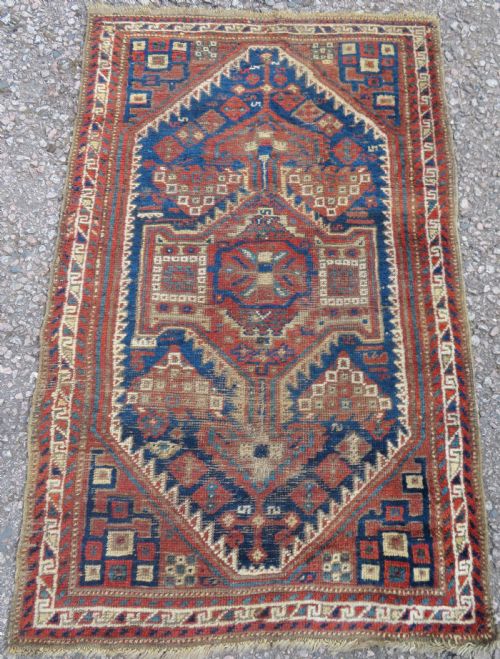
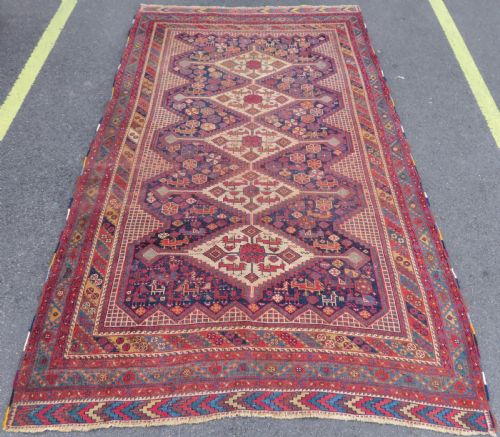


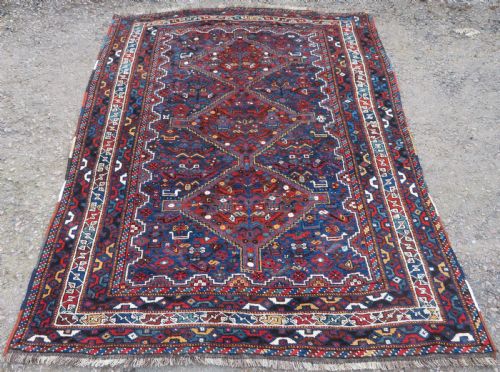


Antique Khamseh Carpet
An antique khamseh carpet brings the bold designs of South West Persia into a room through hand-woven tribal work.
Antique Khamseh Carpet
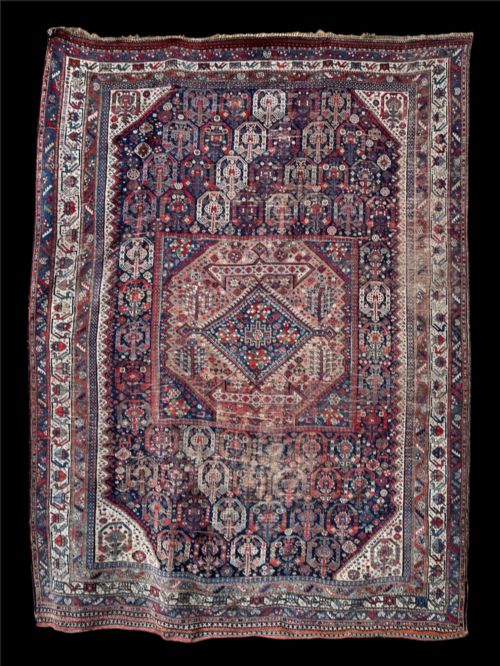
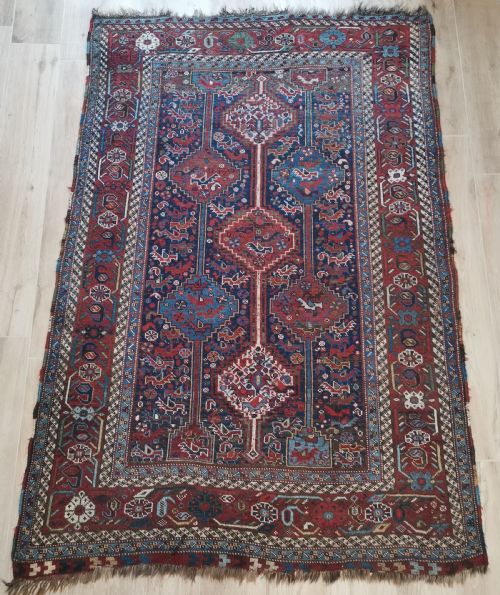
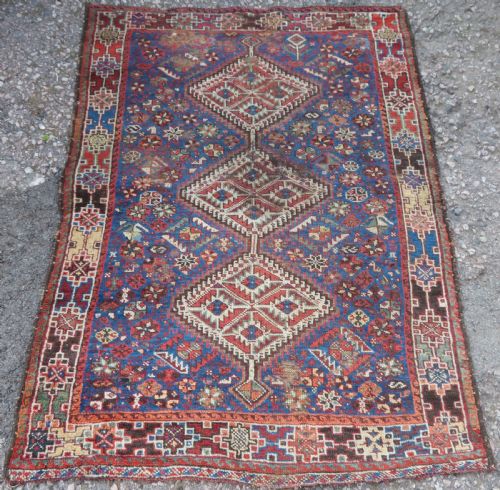
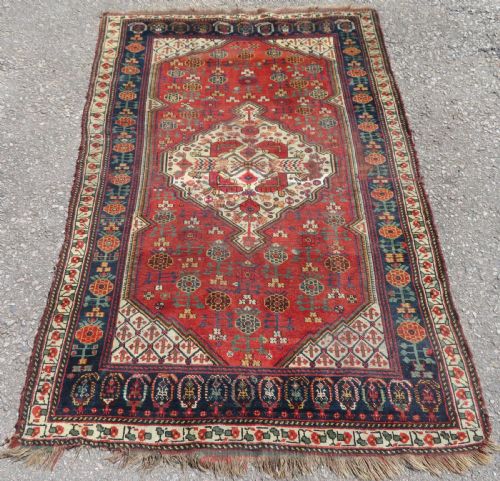
An antique khamseh carpet originates from the Khamseh confederacy tribes in South West Persia. Buyers searching for an antique khamseh carpet find floor coverings created by tribal and sub-tribal groups such as the Baharlu and Qashqai.
The pieces on this page appear as area rugs, large carpets, and kelleh formats. These textiles display Persian tribal and tribal Persian styles shaped by nomadic traditions.
Dated examples span the nineteenth century and the early twentieth century, including pieces from the eighteen seventies, eighties, nineties, and nineteen hundreds.
What varies in quality
The fineness of the weave separates different examples within this group. Tighter knotting allows for sharper definition in the tribal motifs and bird patterns.
The handling of natural dyes dictates the visual depth of the wool. Intricate combinations of tribal symbols reflect the skill of the individual weaver.
Antique Khamseh Carpet Retail Price Guide 2026
Typical asking prices for khamseh carpet among the pieces listed under this phrase on Sellingantiques today, from the lower quarter to the upper quarter. They describe what is for sale here now, not the wider market.
Listings feature nineteenth-century and early twentieth-century dates, spanning the eighteen seventies to nineteen hundred.
The Antique Khamseh Carpet Glossary
- Khamseh Confederacy
- A coalition of pastoral tribes in South West Persia. This confederacy brought together distinct groups who shared weaving traditions.
- Baharlu
- A sub-tribe of the Khamseh confederacy. Weavers from this sub-tribe produced specific carpet designs.
- Kelleh
- A long, rectangular carpet format. This shape suits narrow spaces and hallways.
- Herati Design
- A recurring Persian pattern featuring a central rosette surrounded by leaves. This motif appears in select tribal carpets.
- Natural Dyes
- Colourants derived from plants and minerals. These materials provide the hues found in nineteenth-century wool.
Antique Khamseh Carpet: Frequently Asked Questions
Where were these carpets made?
These textiles originate from South West Persia, specifically associated with the Khamseh confederacy and related tribes.
Weavers in the Fars province produced these hand-woven floor coverings using local materials and traditional designs.
How do I style a tribal carpet?
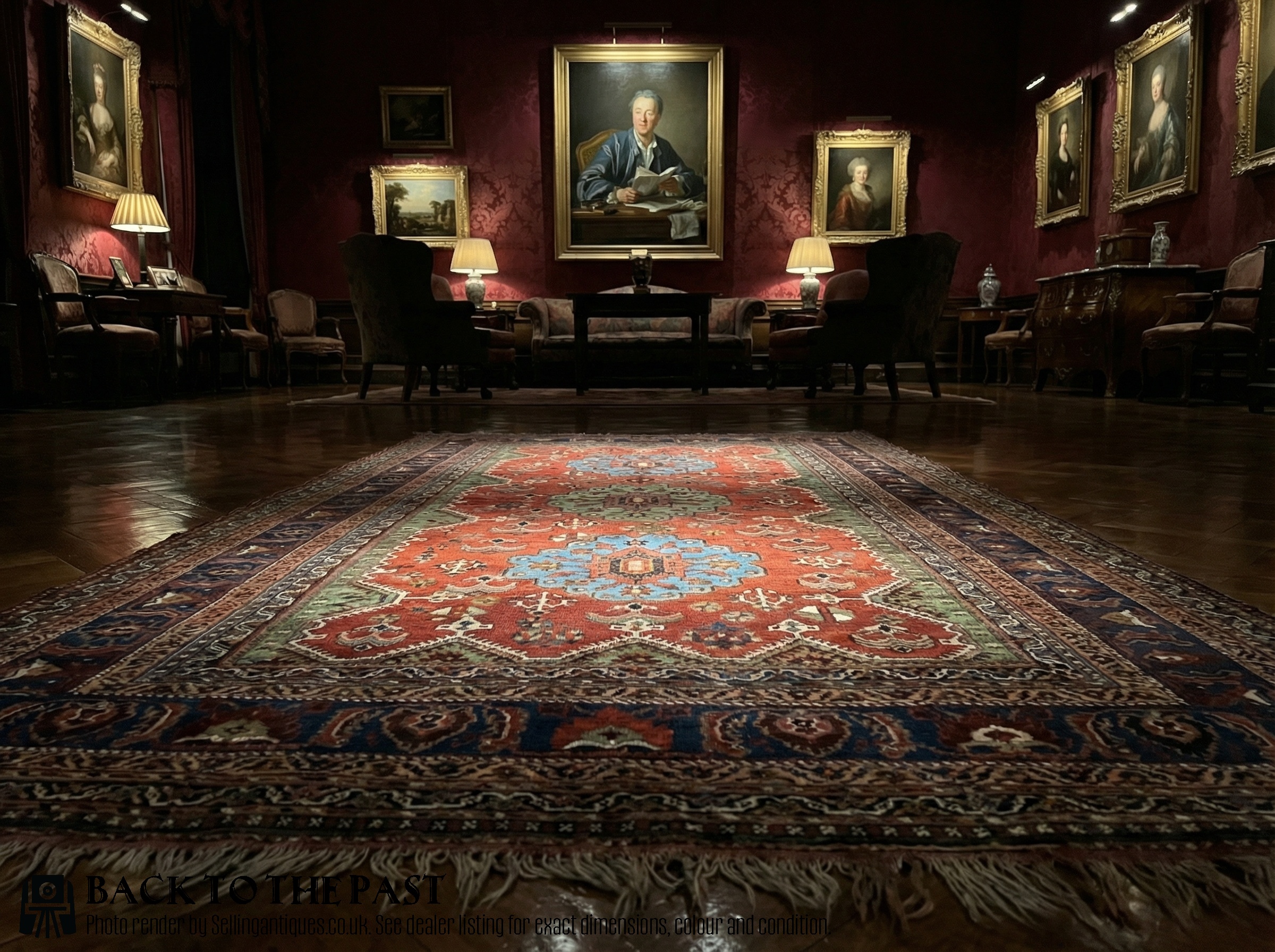
An antique rug functions well as a focal point in a living room, study, or bedroom. The tribal motifs contrast with contemporary interiors.
Placing the carpet over wooden flooring highlights the natural dyes and wool texture.
How old are these rugs?
The available pieces date from the nineteenth century through to the early twentieth century. Specific periods include the eighteen seventies, eighties, and nineties, alongside nineteen hundred.
Constructed by hand, these carpets carry the signs of long use and age.
What motifs appear on these carpets?
Weavers incorporate various tribal symbols, geometric patterns, and bird designs into the wool pile. Certain pieces display the Herati design.
Each carpet reflects the visual vocabulary of the maker and their sub-tribe.