

Antique Persia Rug
When you search for an antique persia rug, you enter a vast world of woven nomadic artistry, village geometric designs and court carpets.
Antique Persia Rug
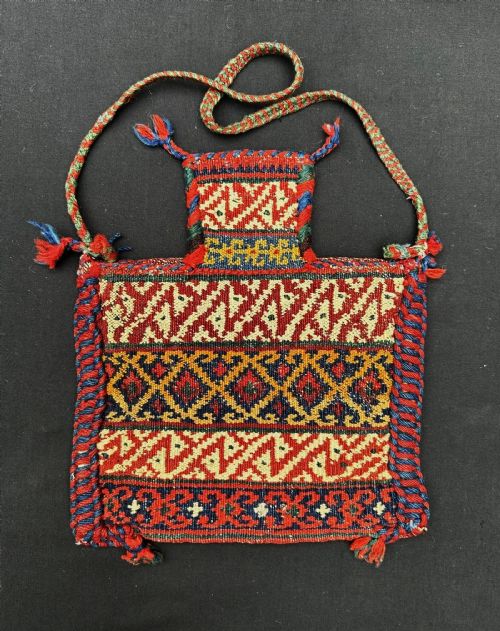
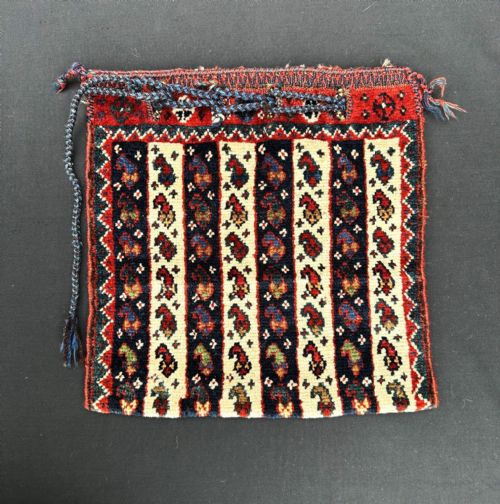
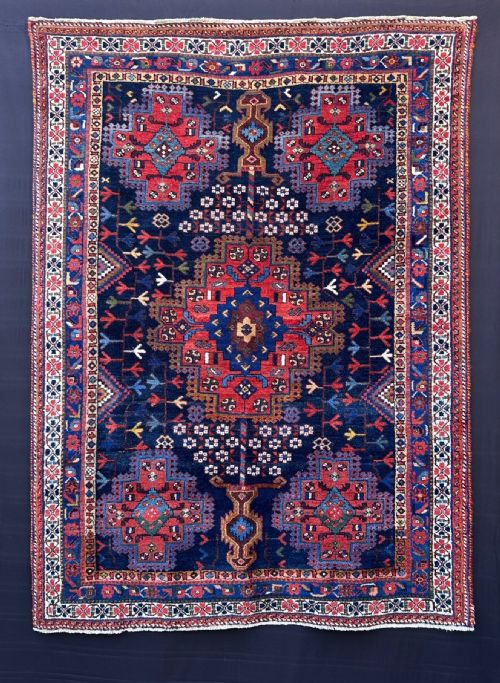
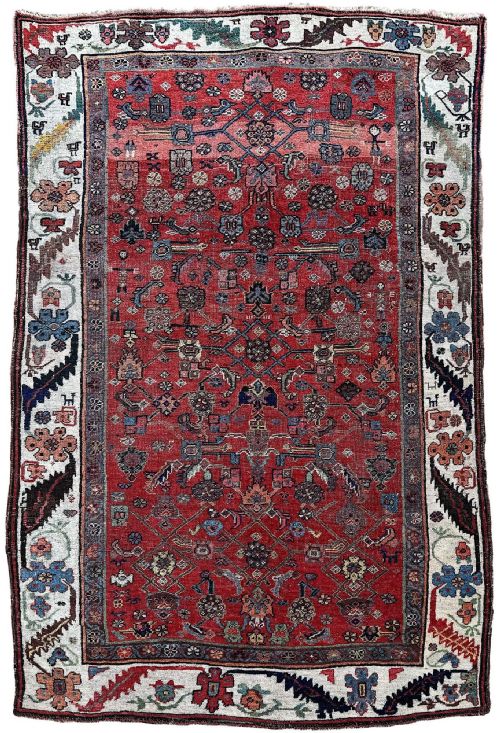
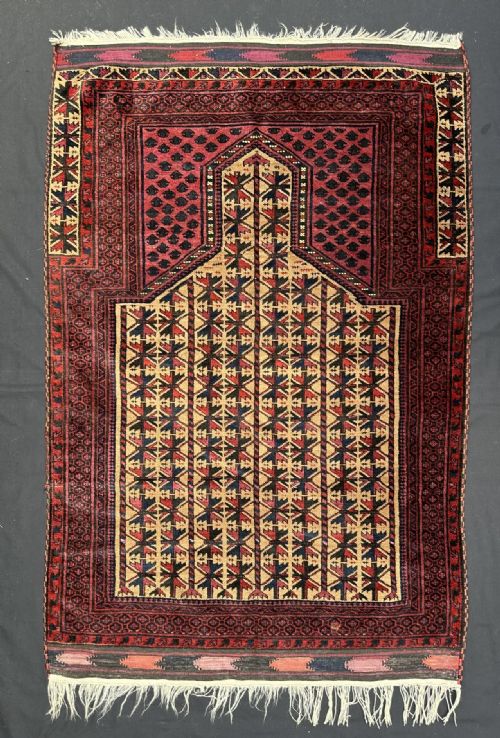
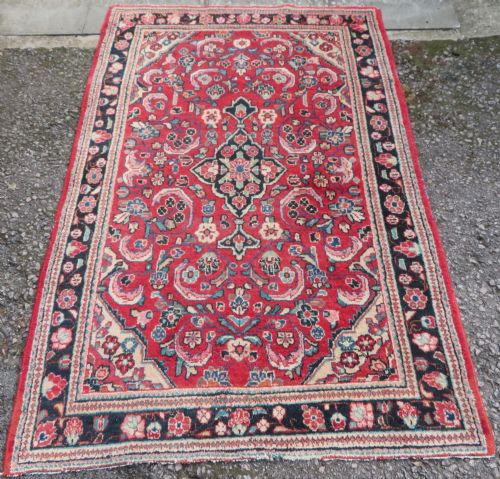
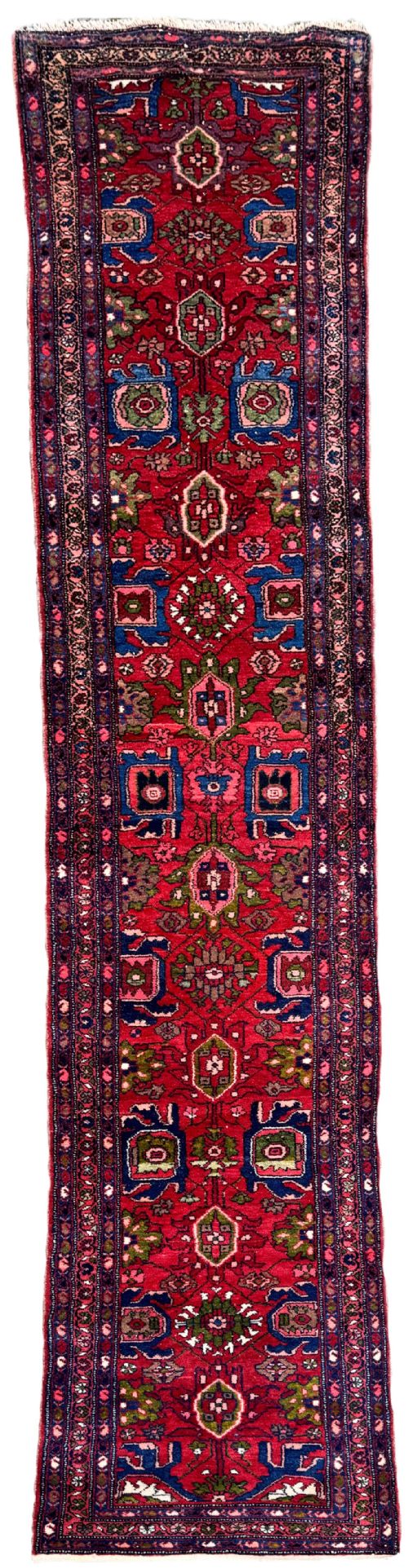
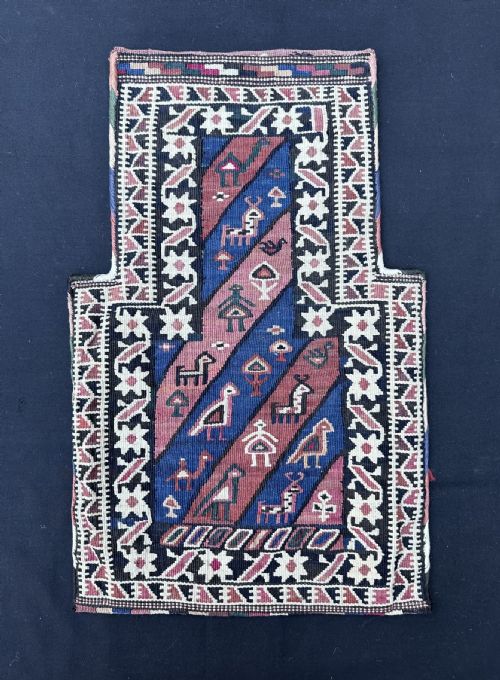
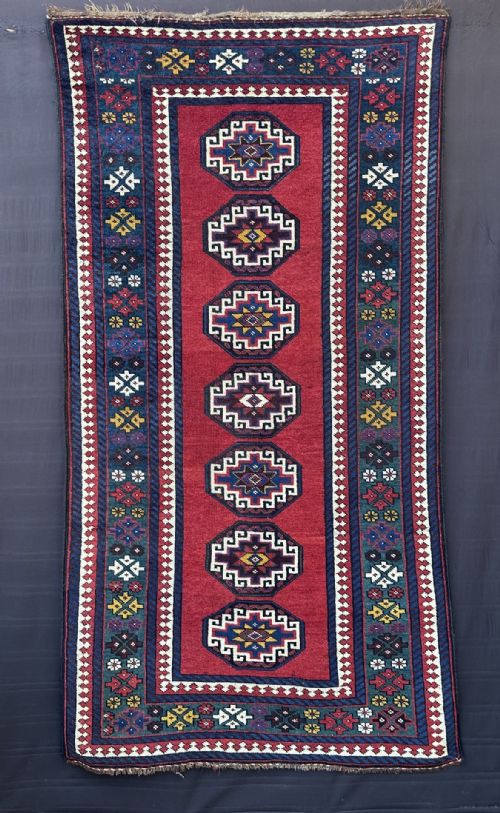
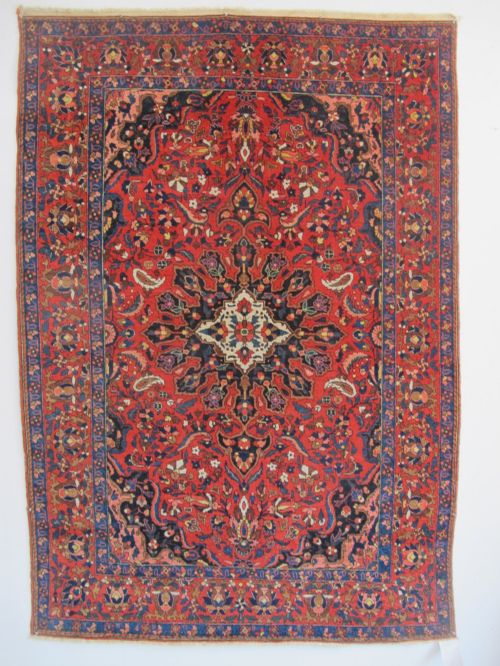
An antique persia rug brings centuries of weaving traditions directly into domestic spaces, encompassing everything from fine city carpets to tribal saddlebags and village runners. When browsing these listings, buyers encounter diverse formats including full-sized carpets, long hallway runners, prayer mats and utilitarian tribal textiles.
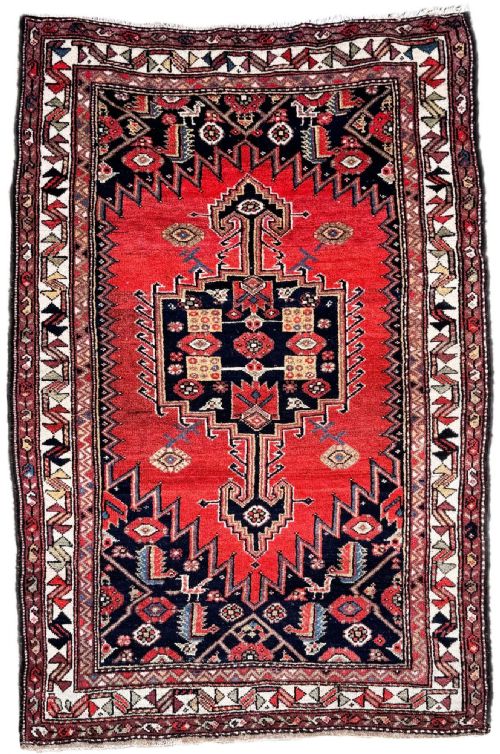
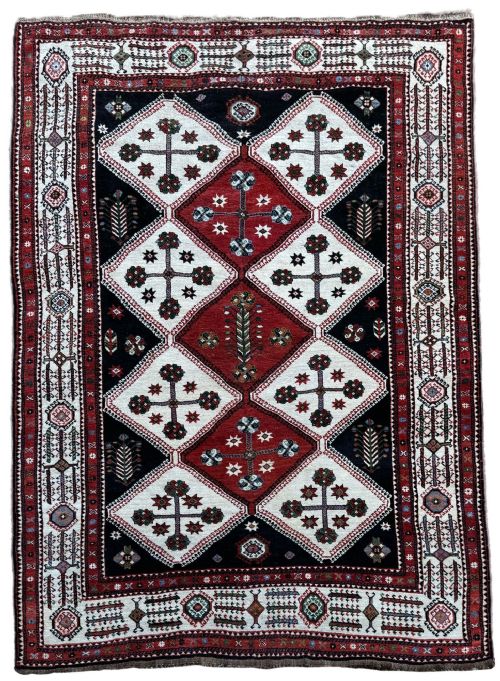
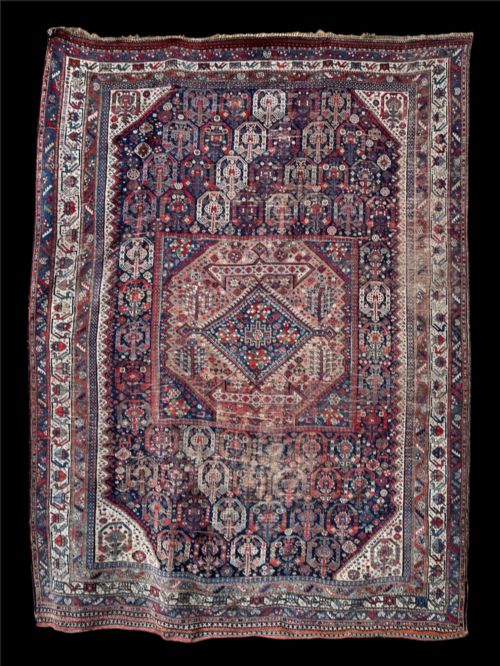
The regional variety is immense, ranging from the bold geometric medallions of Heriz and Bidjar to the intricate floral curves of Tabriz and Isfahan. Nomadic confederacies such as the Qashqai, Afshar, and Baluch contribute vibrant tribal pieces characterised by spontaneous designs and rich cultural symbolism.
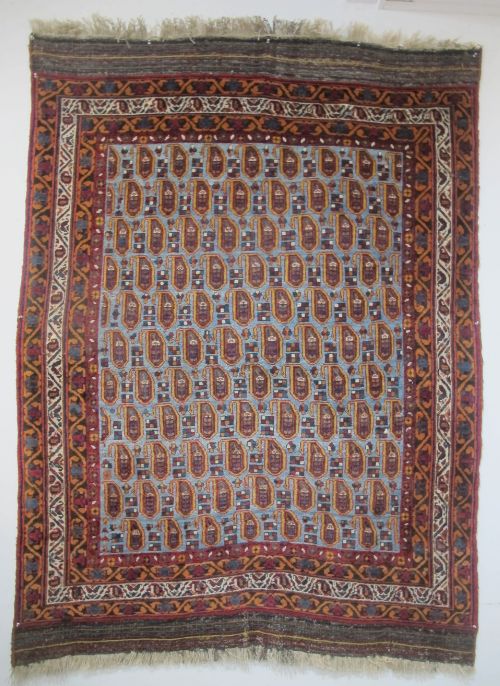
Many surviving examples originate from specific village clusters and tribal territories across western, southern, and north-eastern Persia. These textiles reflect the distinct aesthetic preferences and practical needs of the weavers who produced them generations ago.
How they were made
The foundation of these textiles relies on hand-spun wool and cotton, providing a sturdy base for dense pile weaving. Artisans utilised natural dyes extracted from plants, roots, and insects to achieve deep, lasting shades of indigo, madder red, and rich earthy tones.
Weavers knotted the wool by hand onto vertical or horizontal looms, incorporating supplementary materials like leather, wood, and cowrie shells on specialised bags and utilitarian pieces. This painstaking manual construction ensures the exceptional durability seen across surviving examples from the nineteenth and early twentieth centuries.
Antique Persia Rug Retail Price Guide 2026
Typical asking prices for persia rug among the pieces listed under this phrase on Sellingantiques today, from the lower quarter to the upper quarter. They describe what is for sale here now, not the wider market.
The inventory spans the nineteenth century through to the 1930s, documenting major weaving regions from Khorassan to Fars.
What varies in quality
The standard of an antique persia rug depends heavily on the fineness of the knotting and the precision of the design execution. Tighter knots allow for sharper geometric clarity and more intricate curves within the overall composition.
Material selection also dictates the tier of the piece, with superior examples utilising lustrous, high-lanolin hand-spun wool combined with vibrant, evenly saturated natural dye palettes. The integrity of the foundational structure and the retention of original borders further elevate the standing of any woven textile.
The Antique Persia Rug Glossary
- Medbakh
- A central geometric emblem or medallion found within tribal and village compositions. It serves as the visual anchor for the entire field design.
- Sofreh
- A flatwoven spread or cloth used for dining, kneading bread, or general domestic provisions. These pieces display minimalist tribal layouts distinct from piled carpets.
- Khorjin
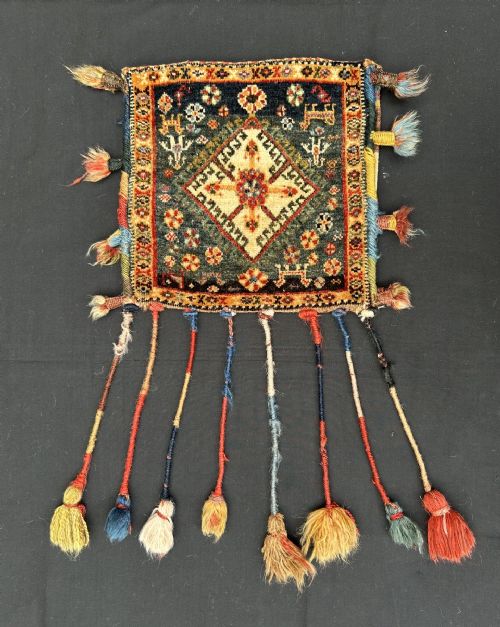
- A traditional double-saddlebag woven for nomadic transport and daily utility. Collectors prize surviving bag faces for their concentrated designs and uninhibited tribal creativity.
- Abadeh
- A village and weaving centre situated in south-central Persia known for distinctive diamond-patterned fields and recurring animal motifs. Pieces from this area bridge village sturdiness with fine court influences.
- Abrash
- A natural tonal variation within a single colour field caused by changes in dye batches or wool lots over time. This characteristic confirms the use of traditional dyeing methods.
Antique Persia Rug: Frequently Asked Questions
How do I identify a tribal rug?
Tribal pieces generally display spontaneous geometric motifs, asymmetrical layouts, and earthy palettes derived from nomadic life. They often lack the rigid symmetry found in city workshop productions.
Look for distinctive symbols, animal figures, and smaller formats such as bag faces or runner dimensions that reflect practical portable use.
Where were Serapi carpets made?
Serapi carpets originate from the Heriz region in north-west Persia. They represent a bolder, more spacious variant of traditional Heriz village weaving.
These large formats typically feature striking large-scale central medallions supported by clear, monumental corner spandrels.
What is a prayer rug used for?
Prayer rugs traditionally feature a distinct mihrab or arch design indicating the direction of Mecca. They were utilised as personal mats for daily devotions.
Collectors value them for their focused symbolic iconography and often finely detailed pictorial borders.
How should I care for an antique rug?
Protect the textile by placing a quality underlay beneath it to prevent slipping and reduce friction against hard floors. Vacuum gently using suction-only attachments without rotating brush bars.
Rotate the piece periodically to ensure even exposure to foot traffic and sunlight over the years.