



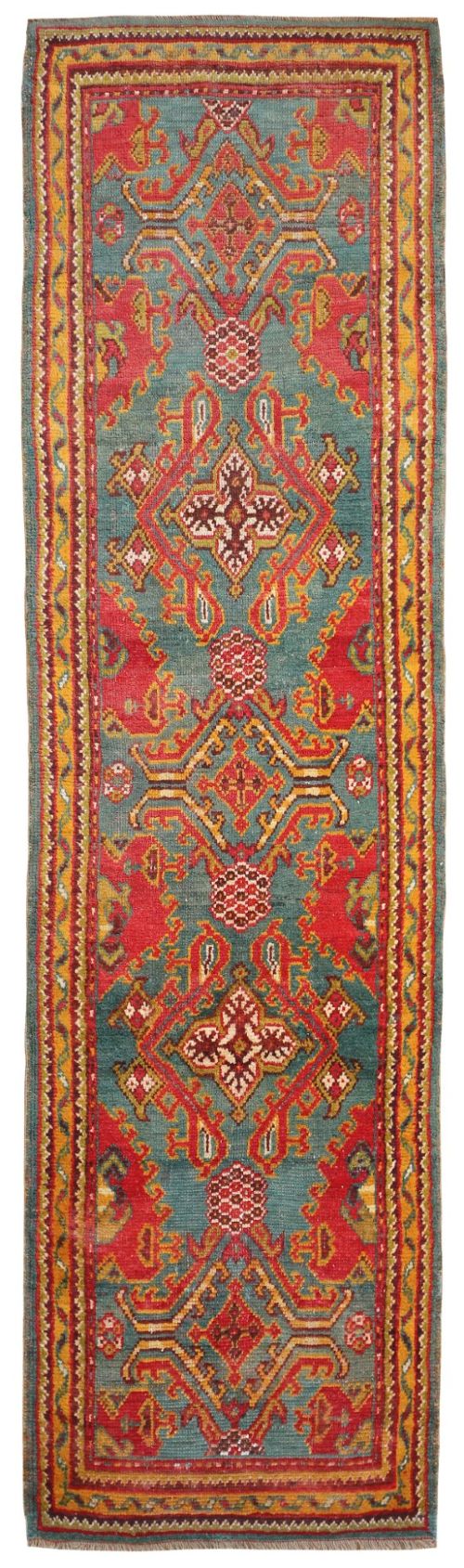
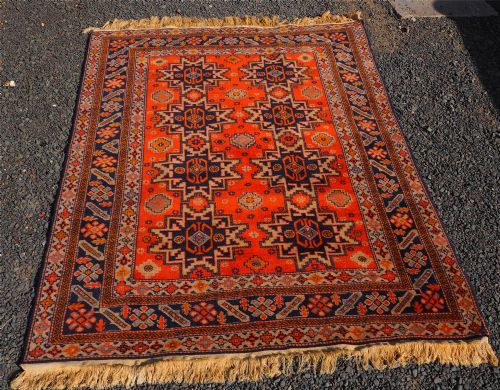
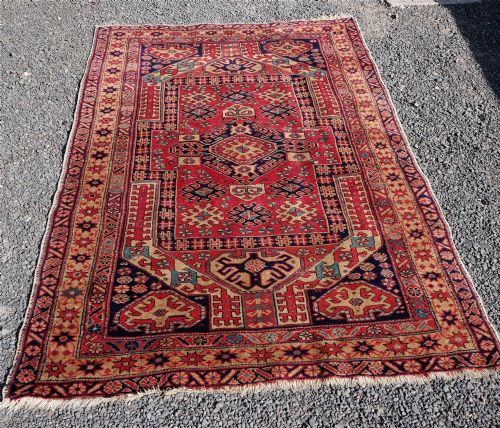
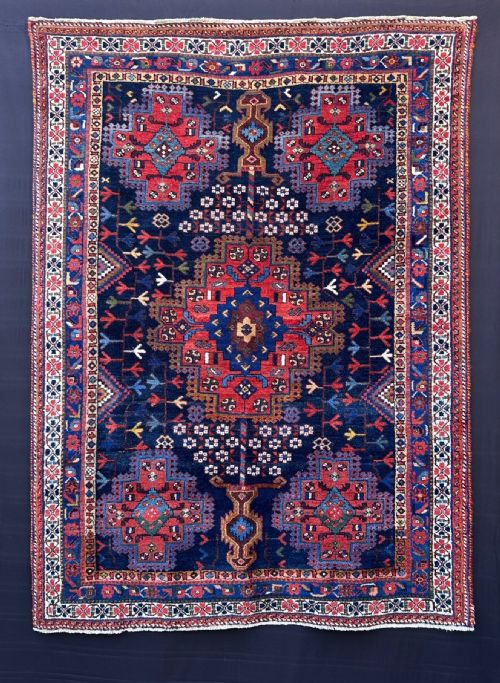
Tribal Area Carpet
These tribal area carpets bring grounded geometry and heritage craftsmanship into a room.
Tribal Area Carpet
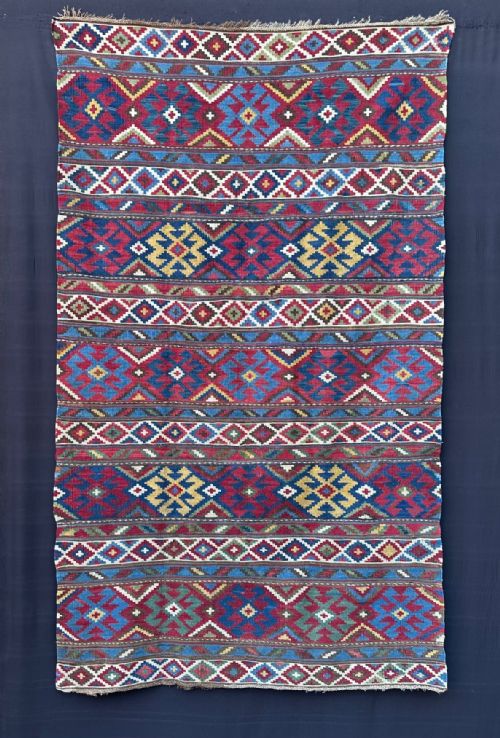
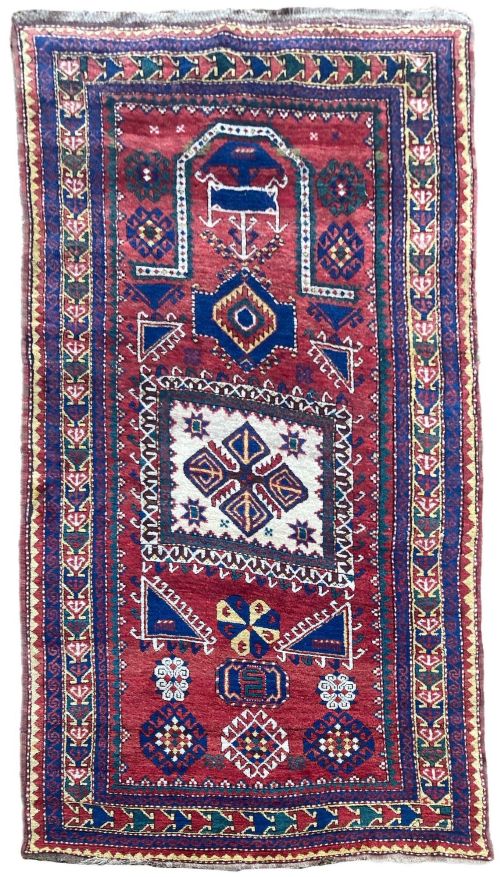
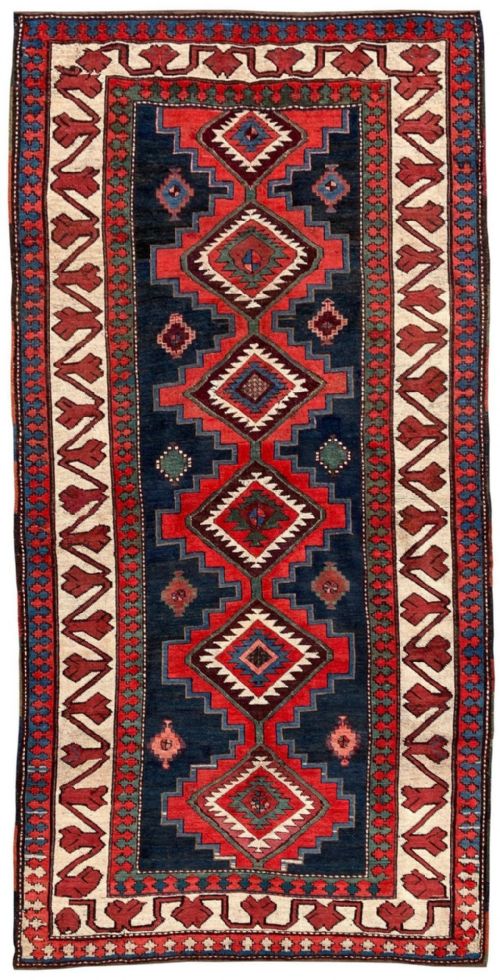
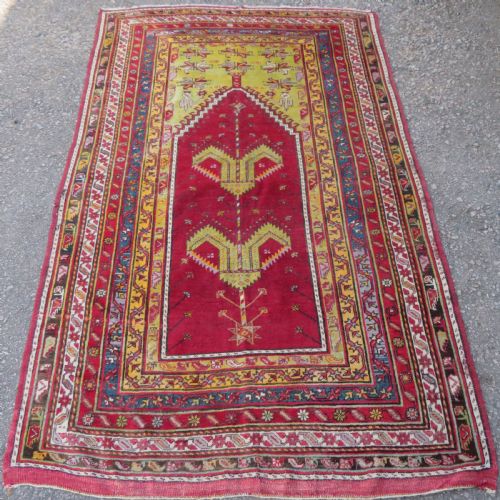
A tribal area carpet encompasses floor coverings woven by nomadic or village populations across Persia, the Caucasus, Anatolia, Turkmenistan, and Afghanistan. When searching for a tribal area carpet, a buyer encounters practical floor coverings and prayer rugs that reflect specific regional traditions.
The pieces listed span from the nineteenth century through the 1930s, offering formats such as runners, square formats, and main carpets. Village weavers and tribal groups created these textiles for domestic utility, utilising distinct regional motifs and layouts.
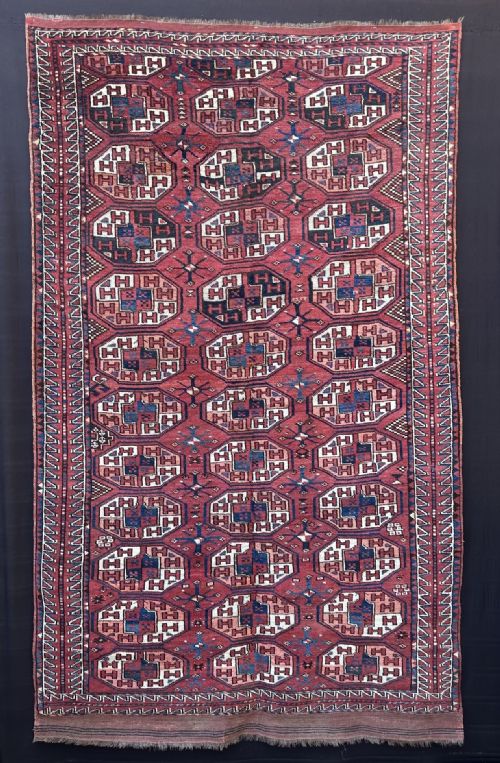
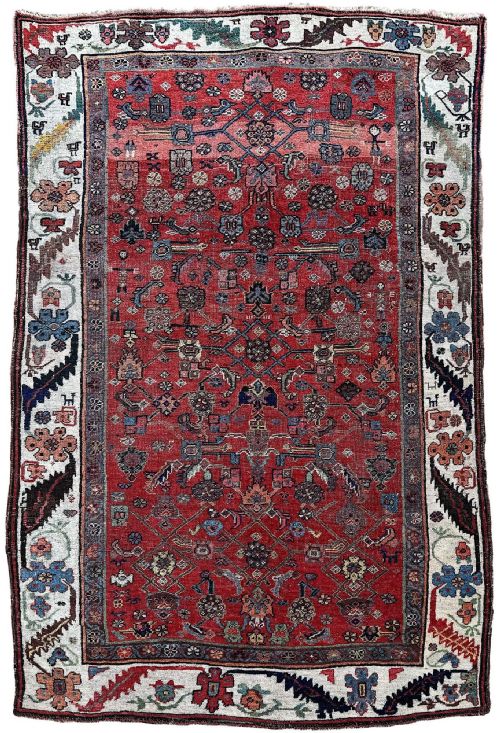
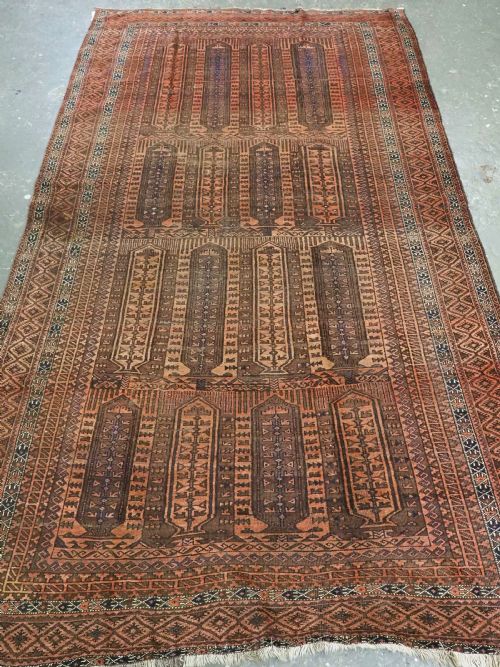
Persian tribal, Caucasian, and Turkmen traditions dominate the selections available. Buyers frequently meet woven works attributed to specific regional groups such as the Baluch, Afshar, Bakhtiar, and Yomut.
Materials and Construction
Weavers relied principally on wool, hand-spun wool, and cotton foundations to construct these floor coverings. Certain pieces incorporate camel wool or camel hair to introduce natural tone variations into the pile.
Natural dyes provided the colour palette, yielding deep reds, mellow tones, and contrasting accents. Hand-weaving techniques bound the wool securely to the warp and weft, producing durable carpets designed for daily use.
Tribal Area Carpet Retail Price Guide 2026
Typical asking prices for tribal area carpet among the pieces listed under this phrase on Sellingantiques today, from the lower quarter to the upper quarter. They describe what is for sale here now, not the wider market.
Camel hair adds a wonderfully rustic, self-limiting palette where the sheep and the camels simply agreed on the mood.
Evaluating Quality and Execution
Knot density and structural tightness dictate the resilience and crispness of the woven design. Finer knotting permits sharper geometric delineation in medallions and border patterns.
The purity and depth of the natural dyes affect the visual longevity of the piece. Skilful mordanting ensures that colours age harmoniously without muddying the secondary motifs.
The Tribal Area Carpet Glossary
- Prayer Rug
- A smaller format rug featuring a mihrab or arch design indicating the direction of prayer.
- Mihrab
- The architectural arch motif depicted on prayer rugs, framing the central field.
- Gul
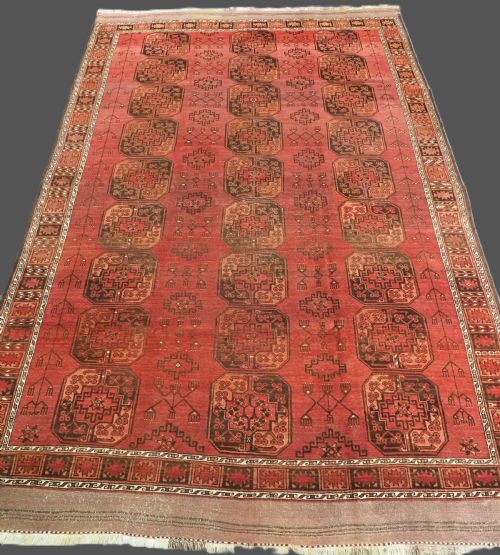
- A medallion or repeating octagonal motif characteristic of Turkmen and Baluch weaving traditions.
- Kilim
- A flat-woven carpet or rug produced without a pile, utilising interlocking warp and weft threads.
- Warp
- The vertical threads stretched on the loom that form the structural foundation of the carpet.
- Weft
- The horizontal threads passed through the warp to bind the knots and secure the structure.
Tribal Area Carpet: Frequently Asked Questions
What is a tribal area carpet?
A tribal area carpet is a hand-woven textile produced by nomadic or village communities in regions such as the Caucasus, Persia, and Central Asia. These pieces utilise traditional wool and natural dye materials.
They serve as practical floor coverings or decorative highlights, carrying distinct regional patterns passed down through generations of weavers.
How do I identify a prayer rug?
Prayer rugs typically feature a distinctive pointed arch or mihrab design at one or both ends of the central field. This architectural motif identifies the traditional devotional function of the piece.
Such rugs were designed for individual daily prayer and generally appear in smaller area formats.
Where were these carpets made?
The pieces originate from weaving centres across Persia, Anatolia, the Caucasus, Turkmenistan, and Afghanistan. Specific groups such as the Baluch, Afshar, and Yomut created distinct local variations.
Each region developed recognisable palettes, symbol systems, and structural techniques rooted in local culture.
How should I care for an old carpet?
Protect the wool and natural dyes by placing the carpet in areas away from direct, harsh sunlight to prevent fading. Vacuum gently with a suction-only attachment without using a rotating brush bar.
Rotate the carpet periodically to ensure even wear across high-traffic zones and consult a specialist for professional cleaning.