



Vintage Area Rug
These vintage area rug examples bring centuries of hand-woven character into a room, offering genuine regional history underfoot.
Vintage Area Rug
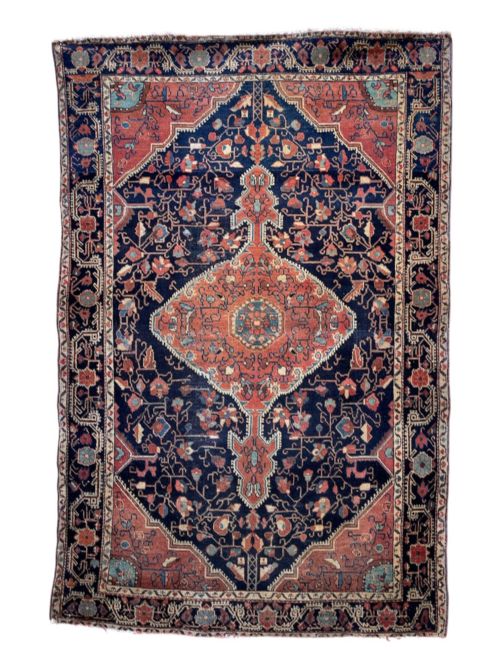
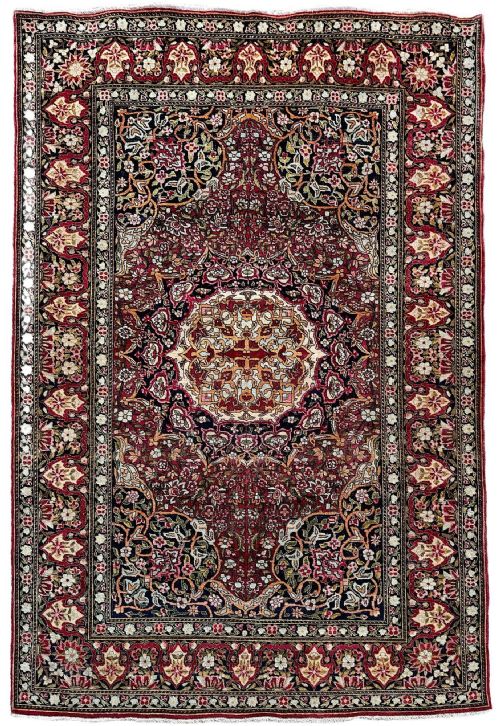
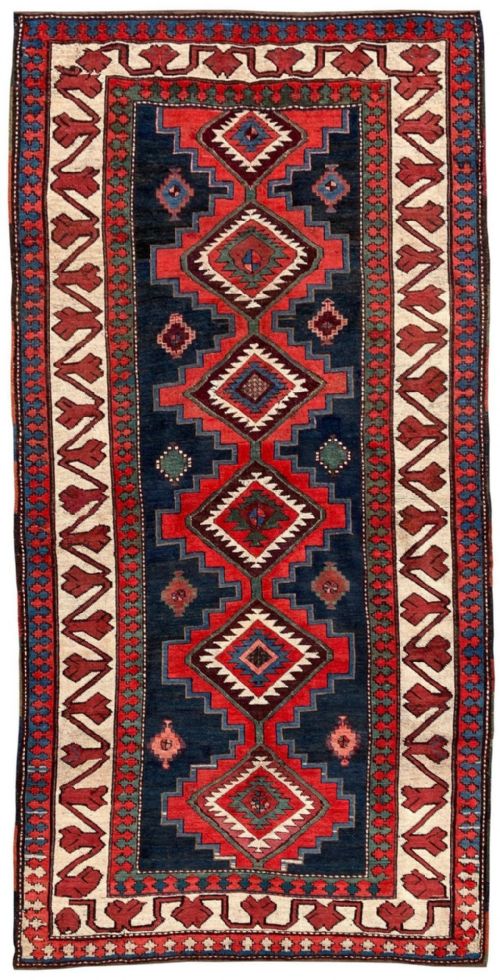
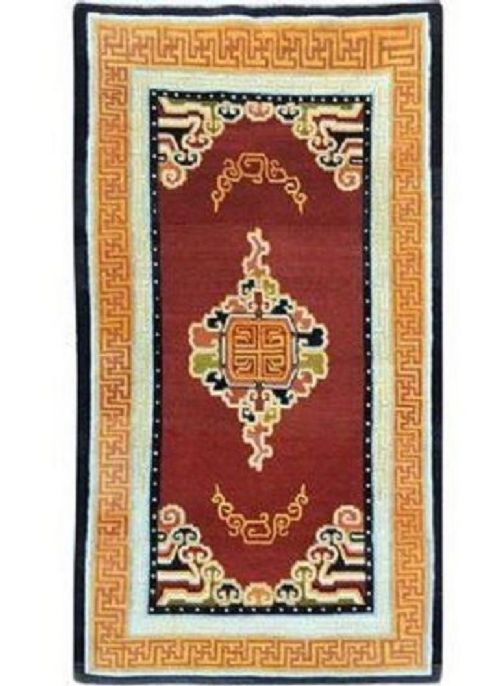
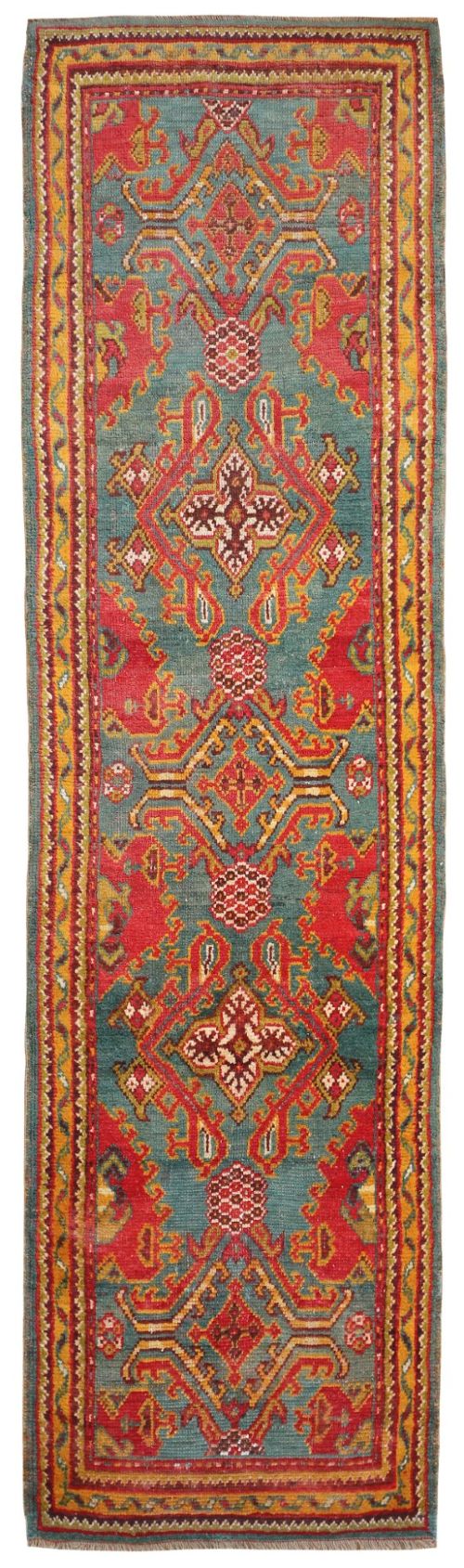
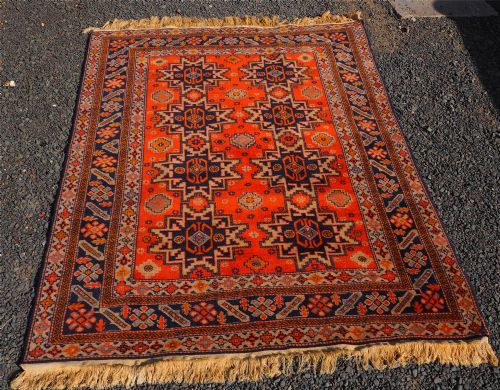
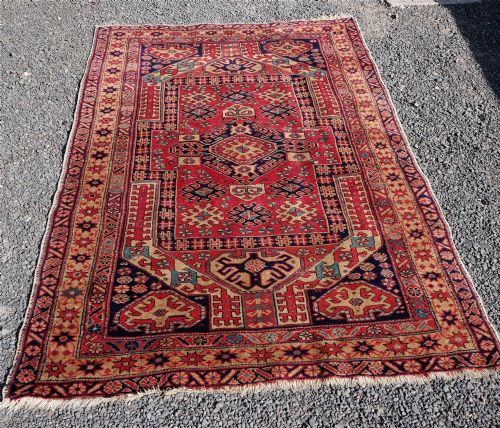
A vintage area rug encompasses hand-knotted and flat-woven floor coverings originating from traditional weaving centres across Persia, the Caucasus, Turkmenistan, Turkey, and Tibet. When searching for a vintage area rug, buyers encounter pieces spanning from the mid-nineteenth century through the early twentieth century, including room-sized carpets, hearth rugs, and long runners.
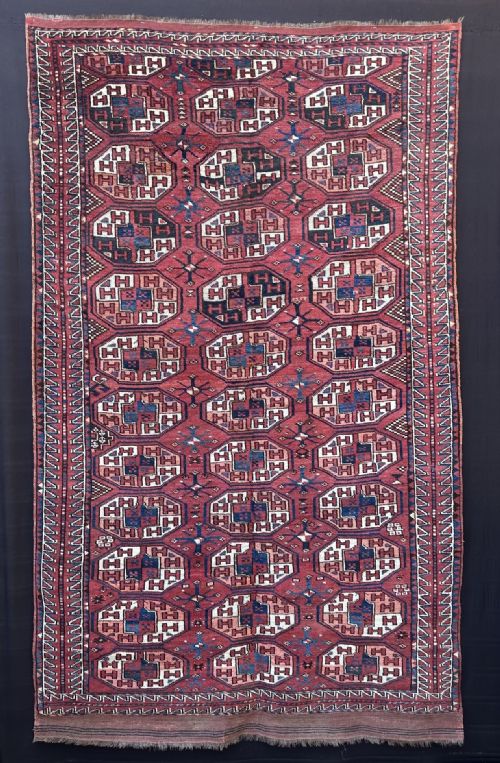
The most common examples on this page are Persian traditional and tribal carpets, alongside Caucasian and Turkmen tribal weaves. These objects served utilitarian and decorative roles in village, nomadic, and town households before finding their way into contemporary interiors.
Materials and construction
The materials recorded in these listings rely primarily on wool, hand-spun wool, cotton, and occasional silk highlights. Weavers utilised natural dyes to achieve deep colour palettes across wool and cotton foundations.
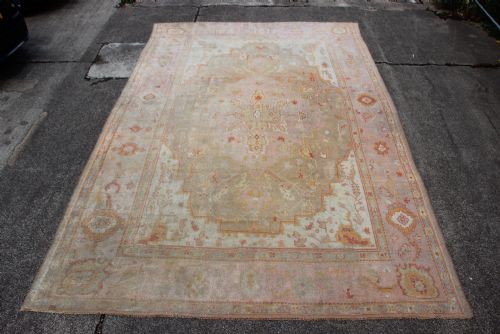
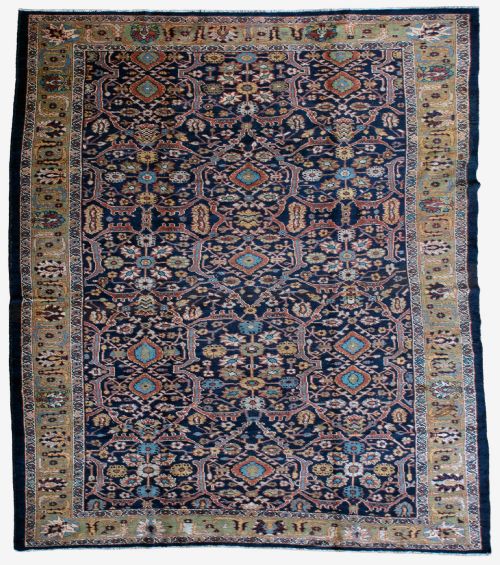
Construction methods involve hand-knotting and hand-weaving techniques passed down through generations in regions such as Heriz, Saroukh, Oushak, and Isfahan. Camel wool and sturdy cotton foundations provide the structural durability seen in these historical carpets.
Vintage Area Rug Retail Price Guide 2026
Typical asking prices for vintage area rug among the pieces listed under this phrase on Sellingantiques today, from the lower quarter to the upper quarter. They describe what is for sale here now, not the wider market.
Listings feature periods spanning from the mid-nineteenth century through the 1930s, utilising wool, cotton, silk, and natural dyes.
Distinctions in quality
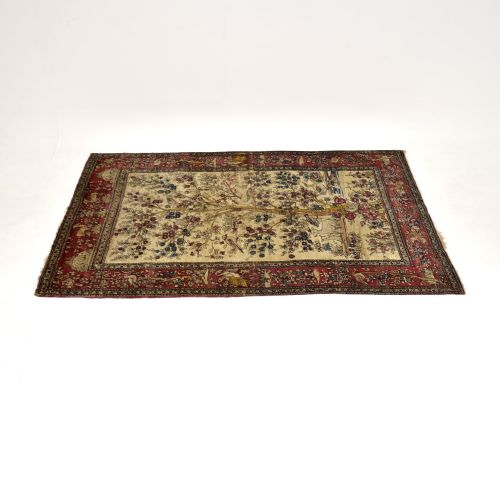
Quality in these textiles rests upon knot density, the clarity of tribal or classical design motifs, and the integrity of the natural dyes. Finer examples display precise execution in intricate patterns such as tree of life designs or complex medallion layouts.
The handling of wool quality, from standard fleece to hand-spun varieties with silk highlights, determines the tactile richness and resilience of the surface over decades of use.
The Vintage Area Rug Glossary
- Knot density
- The number of knots per square unit determining the fineness of the weave. Higher densities often allow for more intricate pictorial and geometric detail.
- Natural dyes
- Colourants derived from plant, insect, and mineral sources rather than synthetic chemicals. They produce complex, subtle hues that age with distinct character.
- Kilim
- A flat-woven carpet or rug produced without a pile. These pieces rely on interlocking weft threads to create sharp geometric patterns.
- Warp and weft
- The foundational threads of a rug. The vertical warp threads support the structure, while the horizontal weft threads hold the knots or flat weave in place.
- Prayer rug
- A small rug featuring a mihrab or arch design indicating the direction of prayer. These pieces served personal devotional functions.
Vintage Area Rug: Frequently Asked Questions
How do I clean an old wool rug?
Professional specialist cleaning is essential for maintaining natural wool and dye stability. Harsh household chemicals and excessive water will damage the foundational fibres.
Gentle surface maintenance and regular light vacuuming without a beater bar help prevent dust accumulation in the pile.
Where were these tribal rugs made?
The pieces originate from workshops, villages, and nomadic camps across Central Asia, Persia, the Caucasus, Anatolia, and Tibet. Each region developed distinct tribal motifs and colour combinations.
Local materials and specific weaving traditions dictate the structural traits associated with particular towns and nomadic groups.
Can I place furniture on the carpet?
Placing furniture on these textiles is standard practice, provided the weight is distributed evenly with protective caster cups. Heavier pieces should rest gently without shearing the wool pile.
Using a quality rug underlay prevents slipping and reduces friction between the floorboards and the foundation.
How do I identify a tribal design?
Tribal designs typically feature geometric medallions, repeating tribal motifs, and asymmetrical layouts rooted in nomadic heritage. These patterns contrast with the formal floral curves of classical city carpets.
Local weavers expressed their cultural history through symbolic geometry rather than strict cartographic symmetry.