


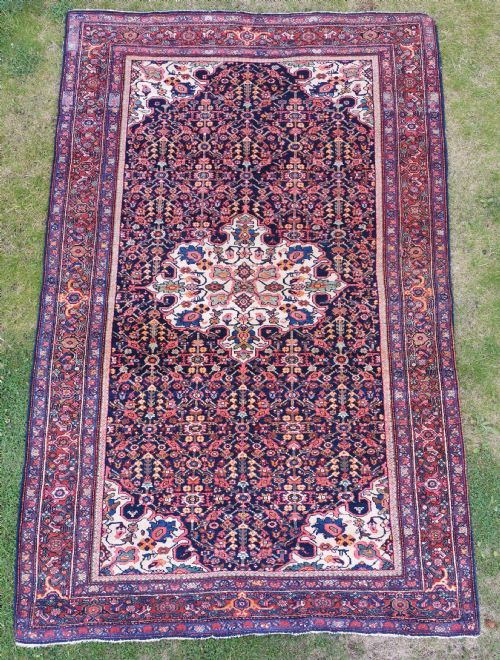
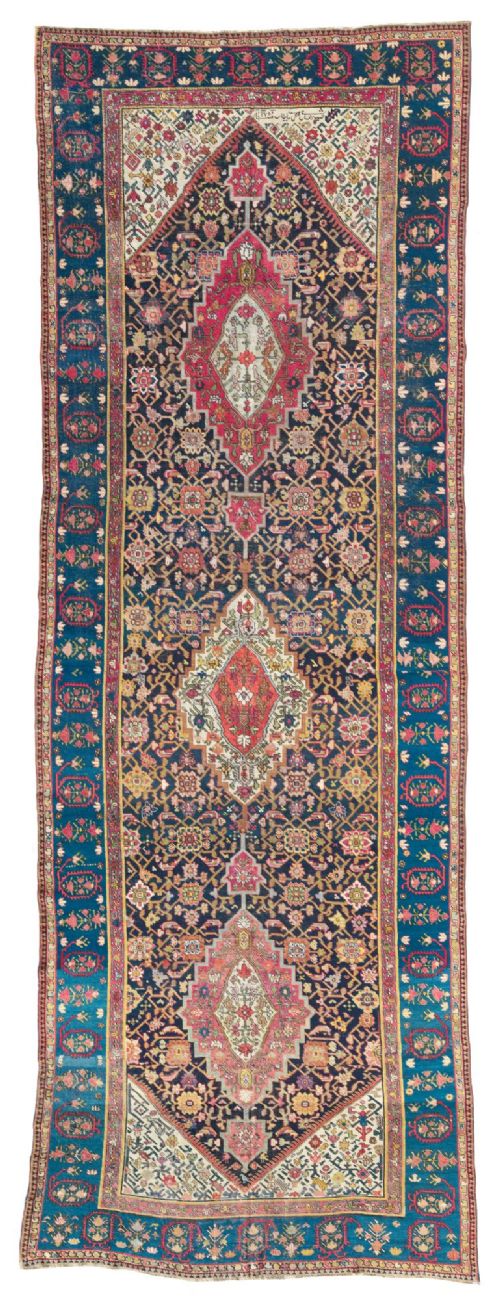
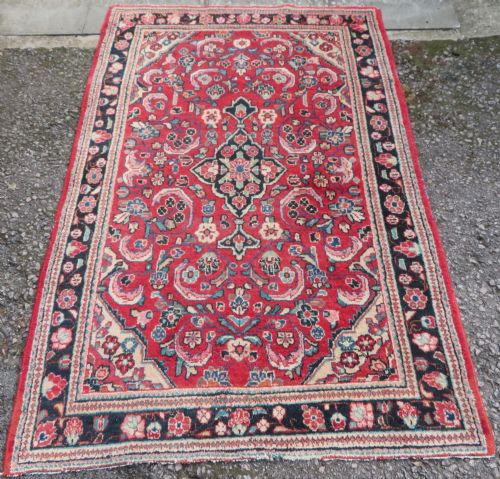
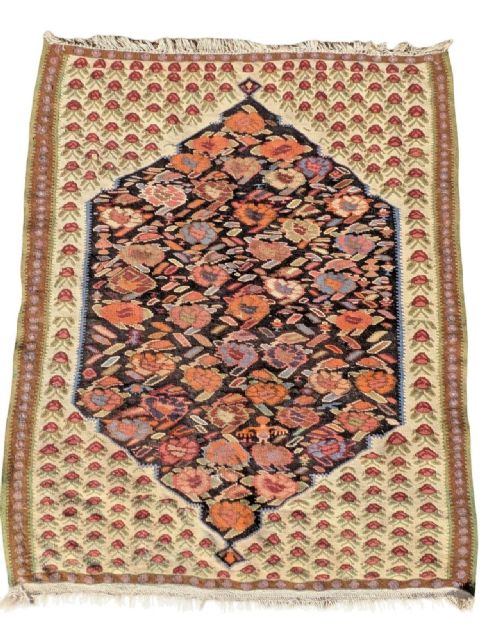
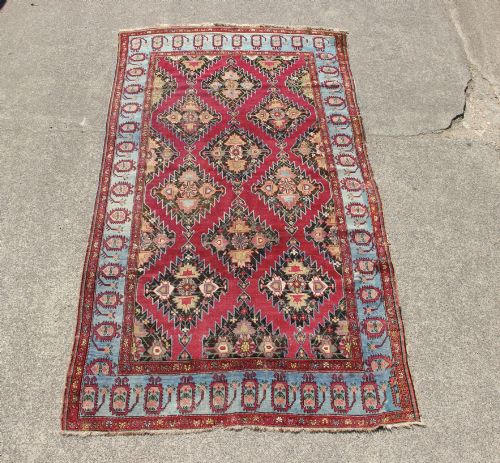
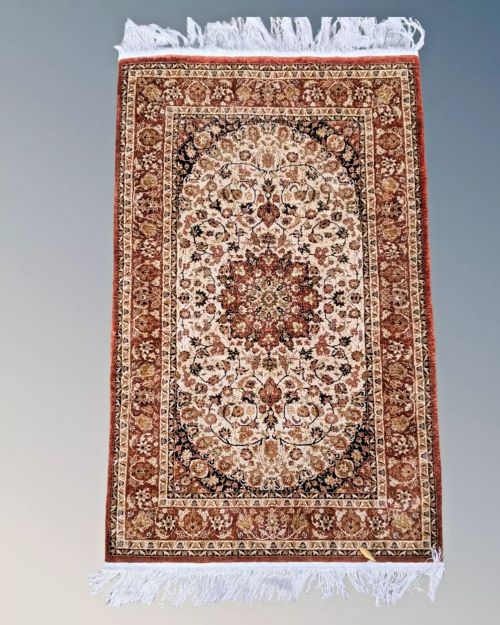
Floral Medallion Carpet
A floral medallion carpet brings historic Persian and oriental design into a room, offering rich central motifs worked in wool, cotton and silk.
Floral Medallion Carpet
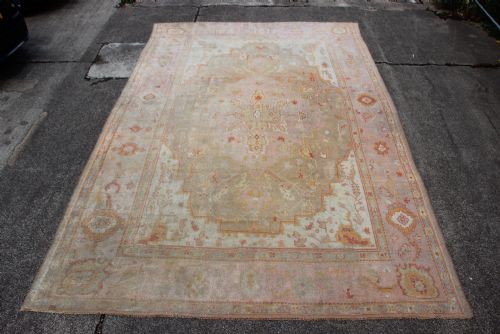
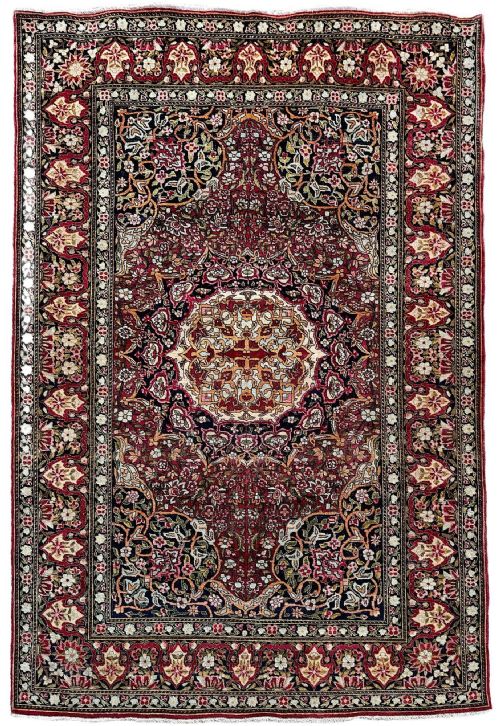
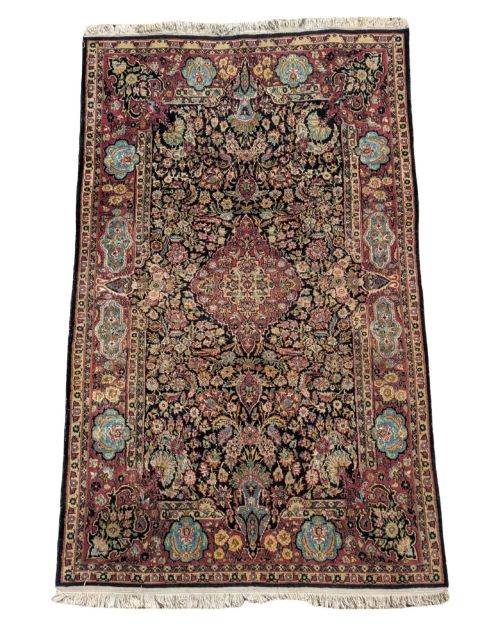
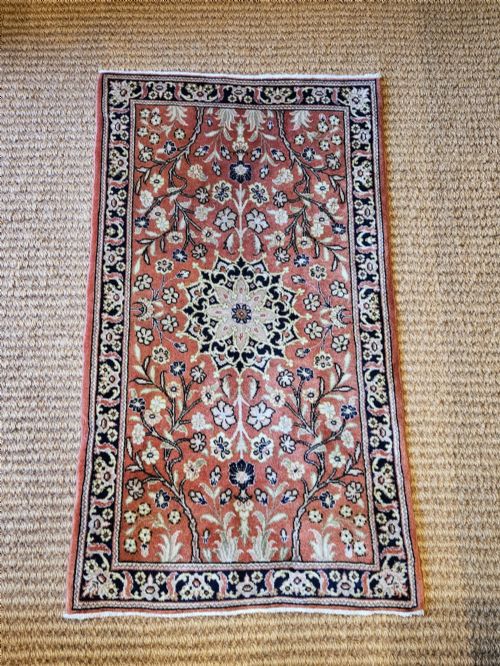
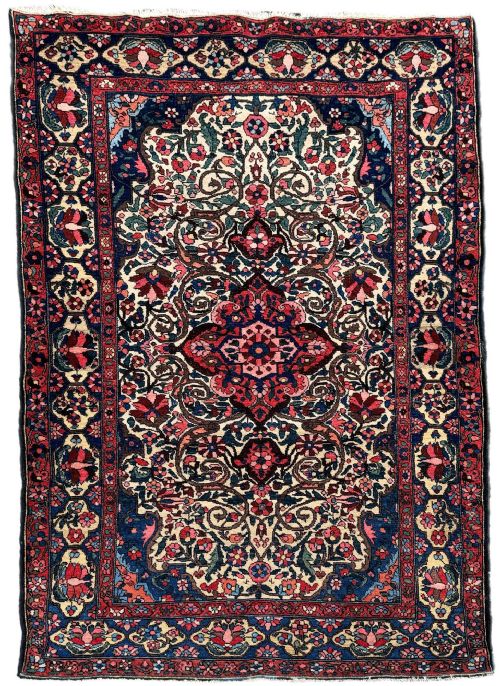
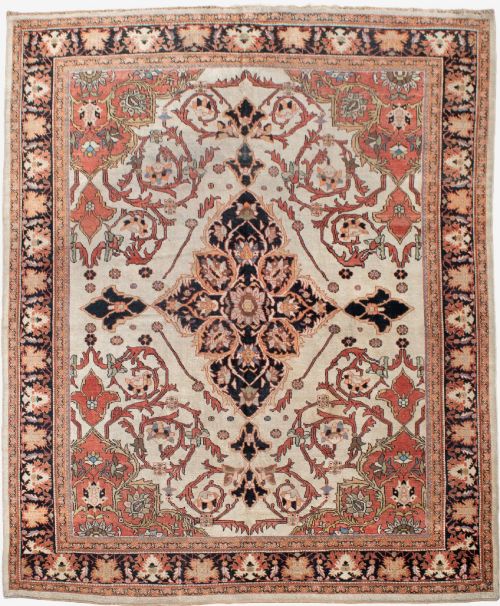
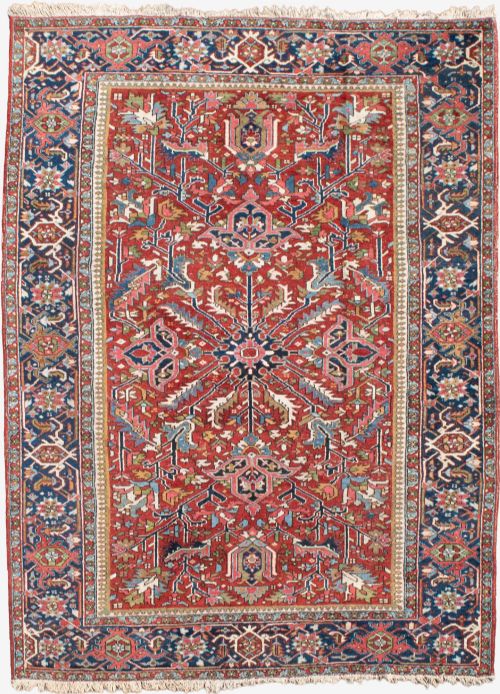
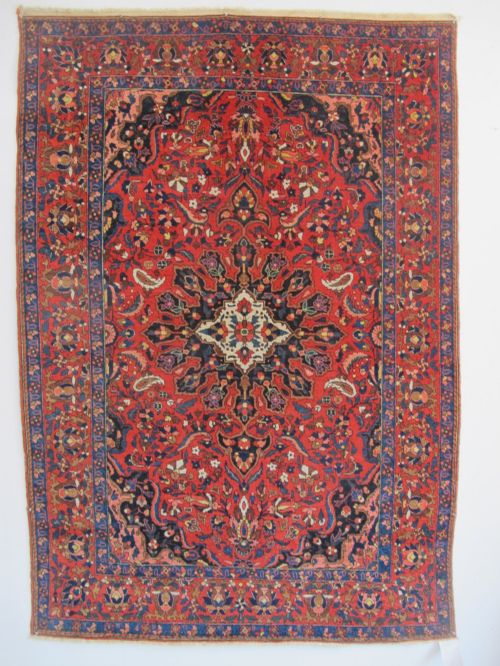
A floral medallion carpet centres on a prominent central design surrounded by intricate botanical patterns. These pieces span the nineteenth and early twentieth centuries, including examples from the 1870s up to 1930.
The selections encountered here encompass room-size carpets, narrow runners, and area rugs originating from Persian, Chinese Peking, and Anatolian traditions. Specific regional types such as Sarouk, Kashan, Mahal, Farahan, Sivas, Khorrassan, and Ishfahan appear regularly.
Buyers will find room-size carpets suited for principal reception spaces alongside elongated runners designed for hallways. Each regional group displays distinct weaving characteristics tied to its specific origin.
Materials and construction
These floor coverings are constructed using natural materials, predominantly wool piles set upon cotton foundations, occasionally enhanced with delicate silk highlights. The combination of sturdy cotton warps and dense wool knots creates durable floor textiles capable of enduring generations of use.
Weavers knotted individual strands by hand onto vertical looms, integrating fine silk threads to accentuate specific floral details within the composition. Regional workshops employed traditional dyeing methods to achieve deep, lasting colours across the field and border.
Floral Medallion Carpet Retail Price Guide 2026
Typical asking prices for floral medallion carpet among the pieces listed under this phrase on Sellingantiques today, from the lower quarter to the upper quarter. They describe what is for sale here now, not the wider market.
Carpets woven over a century ago still carry the silent rhythm of distant looms.
Factors of quality
Quality rests in the precision of the knotting density and the clarity of the central medallion design. Finer knot counts allow for sharper botanical detailing and more complex curves within the floral motifs.
The sophistication of the dye palette and the integrity of the material foundation dictate the standing of an individual piece. Superior examples maintain balanced proportions between the central medallion, the surrounding field, and the multi-tiered borders.
The Floral Medallion Carpet Glossary
- Medallion
- The central ornamental motif dominating the field of the carpet. It anchors the entire geometric and floral composition.
- Warp
- The vertical foundation threads stretched lengthwise on the loom before knotting begins. Cotton is frequently used for this structural element.
- Pile
- The upright cut ends of yarn that form the usable surface of the carpet. Wool and silk make up this tactile layer.
- Runner
- An elongated, narrow format of carpet designed specifically for hallways and corridors. These pieces measure significantly longer than they are wide.
- Field
- The main internal background area of the carpet enclosed by the borders. This space typically contains the central medallion and trailing floral designs.
Floral Medallion Carpet: Frequently Asked Questions
Where should I place a floral medallion carpet?
These pieces serve as focal points in drawing rooms, dining spaces, or large hallways where the central design remains fully visible.
Room-size formats anchor furniture groupings, while narrow runner variants suit corridors and transitional passageways.
How do I care for antique wool carpets?
Regular gentle vacuuming without a beater bar removes surface dirt and protects the delicate wool and cotton fibres from abrasive wear.
Professional cleaning tailored for antique textiles preserves the natural lanolin in the wool and maintains the integrity of silk highlights.
What distinguishes a Sarouk carpet from a Kashan?
Sarouk pieces typically employ robust construction and rich floral sprays, often utilising a dense wool pile on a sturdy cotton foundation.
Kashan carpets frequently exhibit finer knotting and intricate curvilinear floral motifs with sophisticated colour palettes developed in central Persian workshops.
How can I tell the age of these carpets?
Dating relies on stylistic markers, regional weaving structures, and material analysis characteristic of periods from the late nineteenth century to the early twentieth century.
Comparing the specific floral vocabulary and dye types to documented regional examples helps narrow down the decade of production.