


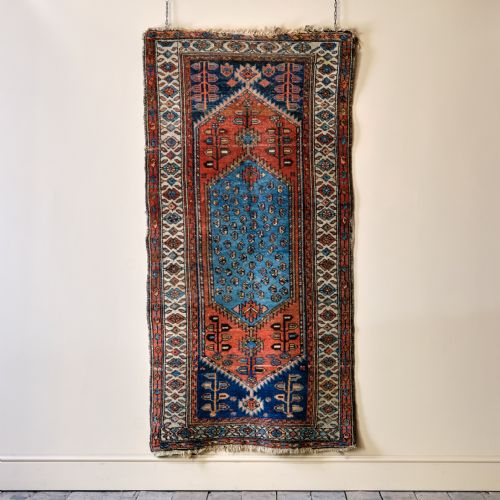


Early 20th Century Rug
An early 20th century rug brings the texture and pattern of Persian, Caucasian, and Central Asian weaving directly to a floor.
Early 20th Century Rug
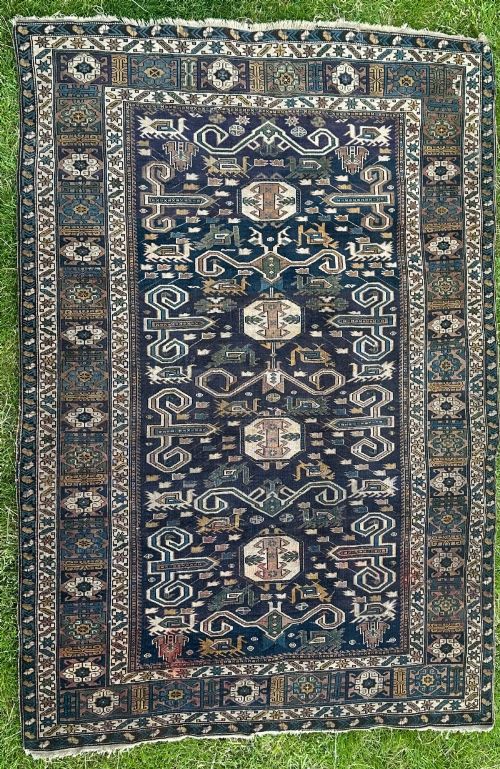
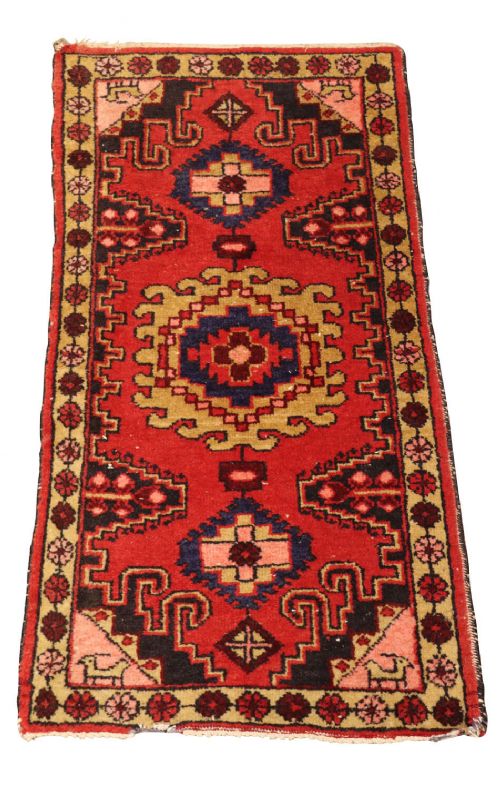
An early 20th century rug covers woven carpets, room-size floor coverings, runners, and tribal textiles produced between 1890 and 1930. The pieces reflect traditional regional designs from Persia, the Caucasus, and Central Asia.
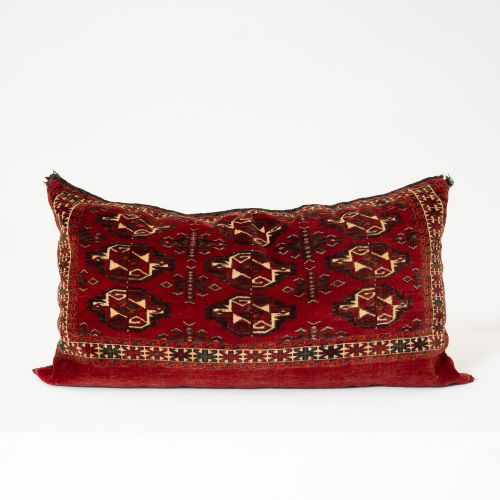
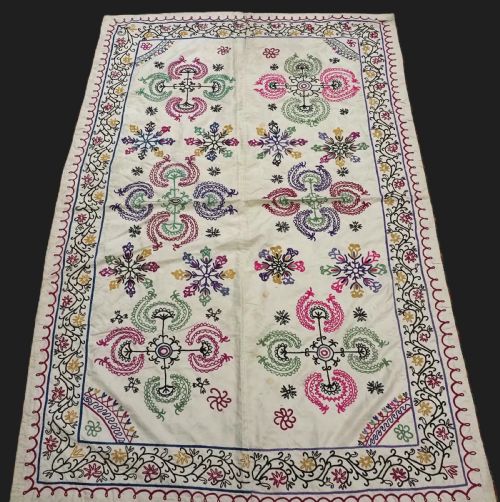
The version most frequently met on this page is the hand-knotted Persian carpet or tribal rug, alongside embroidered suzanis and flat-weave kilims. These floor coverings and textiles utilise established motifs such as animal patterns, geometric guls, and floral fields.
Materials and construction
These textiles rely principally on wool, cotton, and silk, constructed through hand-knotted pile or flat-weaving techniques. Weavers knotted wool onto cotton or wool foundations, or worked silk embroidery onto silk, cotton, or adras grounds.
The construction methods reflect centuries of regional tradition, incorporating dense hand-weaving for durability and careful embroidery for wall hangings and domestic cushions.
Early 20th Century Rug Retail Price Guide 2026
Typical asking prices for early 20th century rug among the pieces listed under this phrase on Sellingantiques today, from the lower quarter to the upper quarter. They describe what is for sale here now, not the wider market.
One unexpected desk accessory sneaks among the floor coverings, depicting a tiny man writing by a table.
What separates examples
Quality rests upon the fineness of the weave, the integrity of the materials, and the precision of the design execution. Tighter knots and finer wool or silk grounds produce greater durability and sharper pattern definition.
The sophistication of the palette and the clarity of regional motifs distinguish standard utility pieces from finely detailed workshop carpets and collectible tribal textiles.
Franz Bergman·Tuduc
The Early 20th Century Rug Glossary
- Suzani
- An embroidered tribal textile originating from Uzbekistan, typically worked in silk on a cotton or adras ground. These pieces often feature bold floral sprays and geometric medallions.
- Kilim
- A flat-woven carpet or rug produced without a pile, utilising slit-weave techniques to create sharp geometric patterns. They function as floor coverings or decorative blankets.
- Gul
- A repeating medallion or octagonal motif characteristic of Turkmen and Central Asian tribal weaving. Each design tradition employs distinct variations of these forms.
- Hand-knotted
- A construction method where individual lengths of yarn are tied by hand to the warp threads of the foundation. This technique forms the plush pile seen on traditional carpets.
- Adras
- A traditional Central Asian mixed fabric woven with a silk face and a cotton backing. It provides a durable yet lustrous ground for embroidery.
Early 20th Century Rug: Frequently Asked Questions
How do I clean an old rug?
Vacuum gently using a suction-only attachment without a rotating brush. Professional textile cleaning is recommended for heavier soil.
Avoid chemical spot treatments, as older dyes can be sensitive to moisture and harsh cleaning agents.
Where should I place these rugs?
These textiles suit low-traffic areas or spaces protected from direct, harsh sunlight. Smaller formats work well as wall hangings or cushion covers.
Use a breathable underlay to prevent slipping and to reduce friction between the textile and the floor.
How are Persian and Caucasian rugs told apart?
Persian examples often feature intricate floral field designs and curvilinear medallions. Caucasian pieces typically display bolder, rectilinear geometry and animal motifs.
Palettes also differ, with Caucasian weaving favouring striking primary contrasts.