

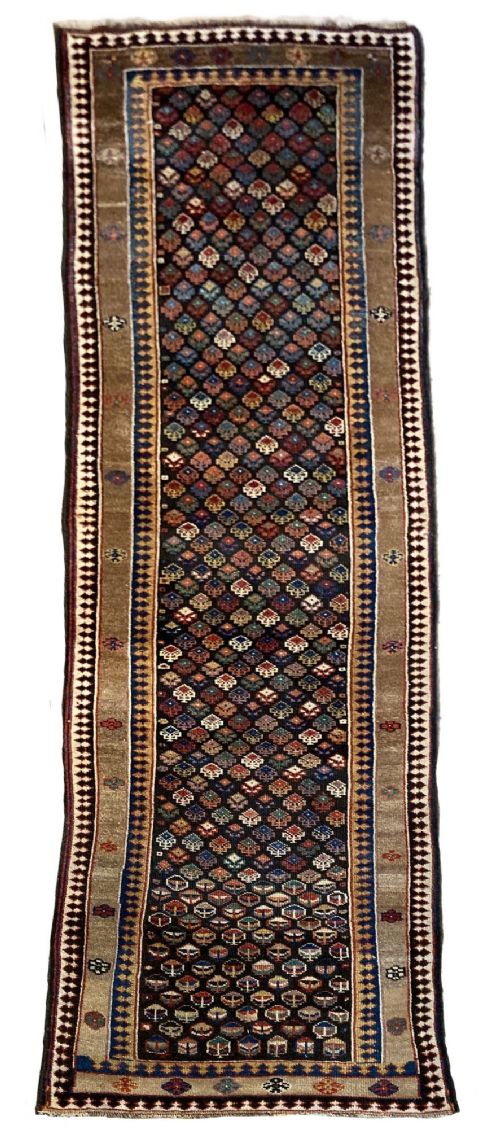
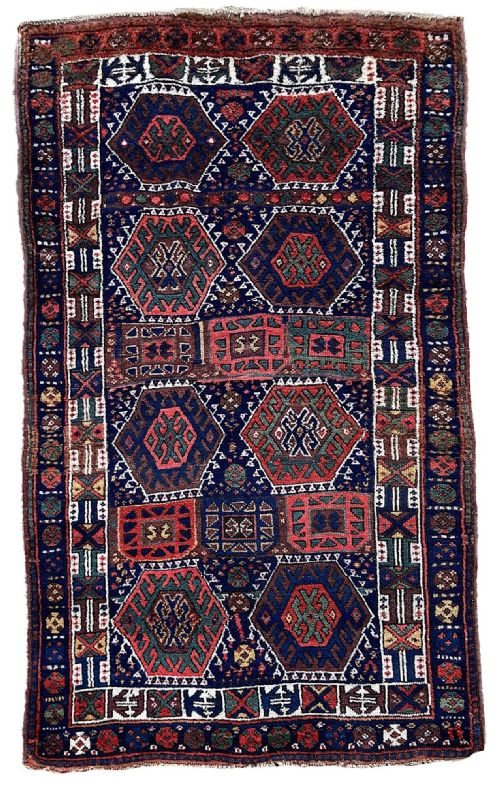
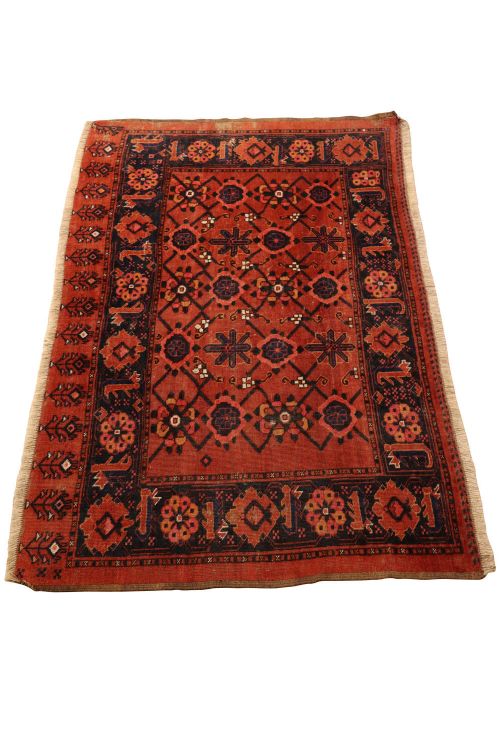


Antique Kurdish Carpet
An antique kurdish carpet brings heavy geometric structure and deep, saturated wool into a room through centuries of tribal weaving tradition.
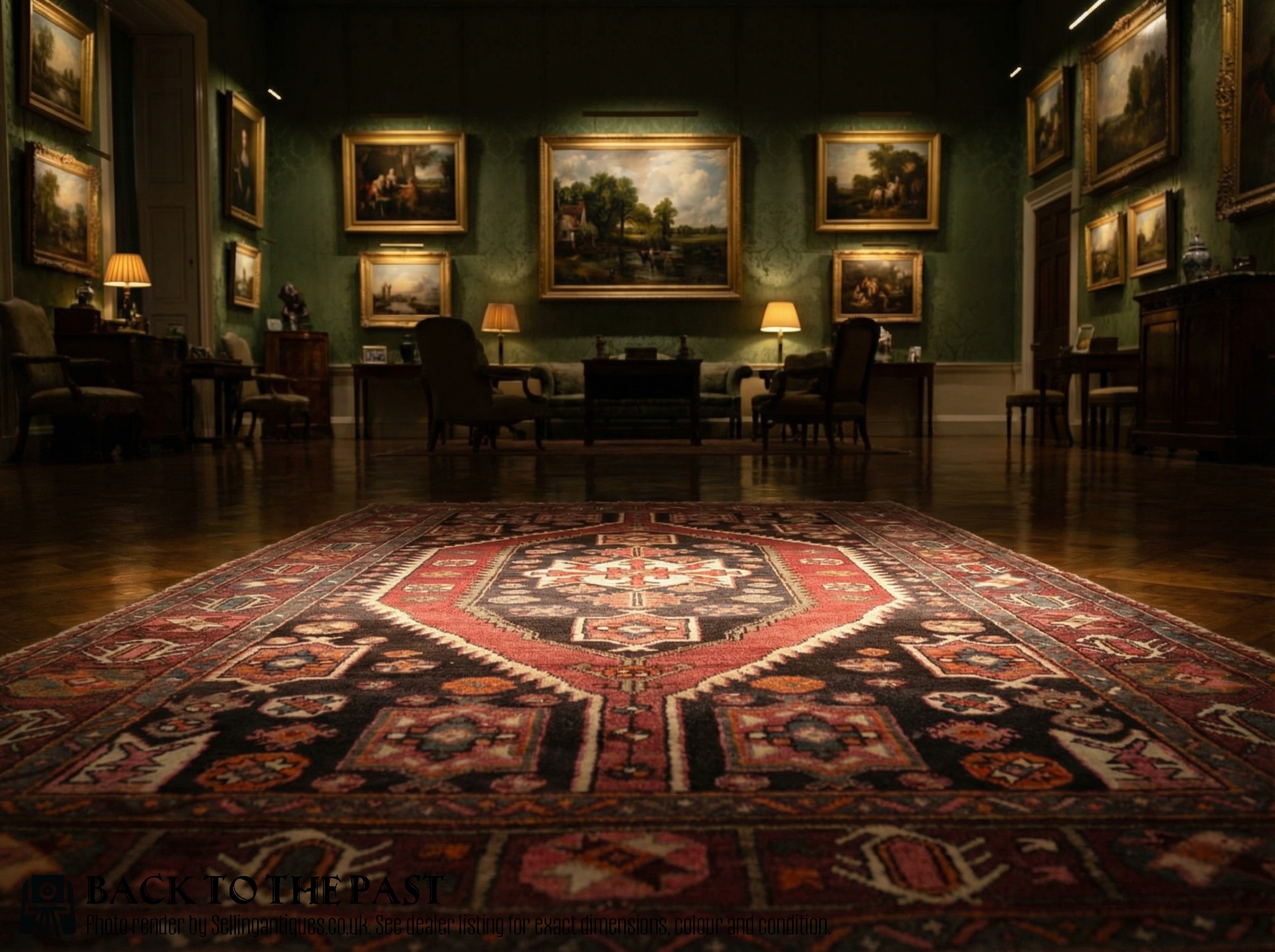
Antique Kurdish Carpet
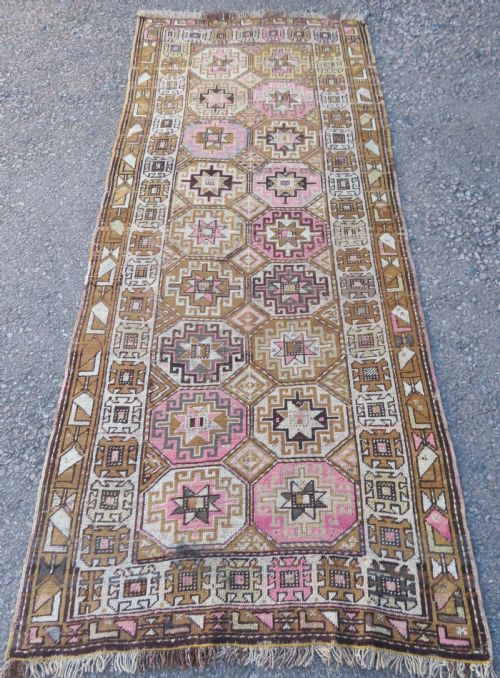
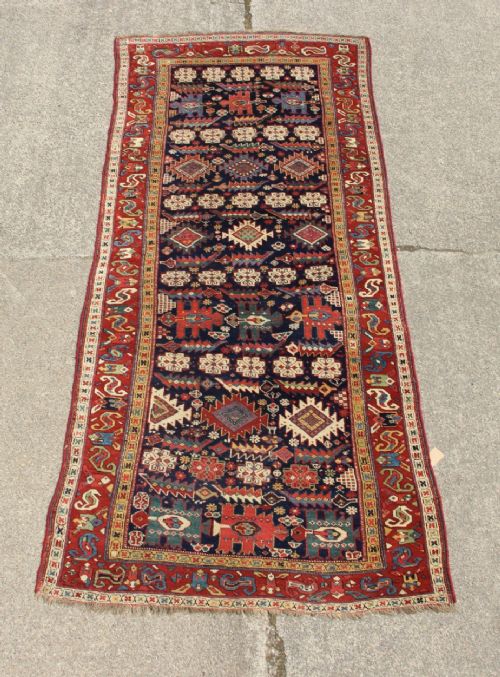
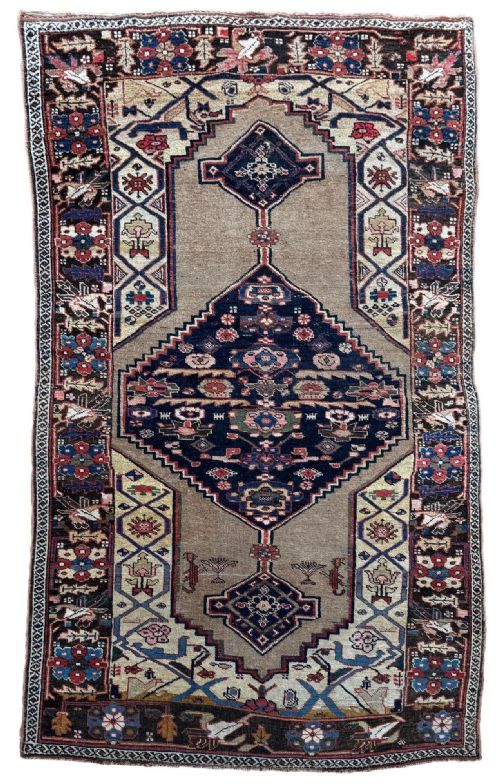
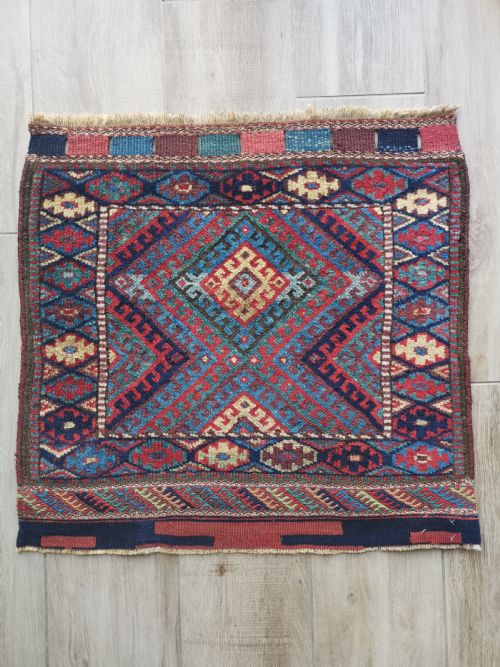
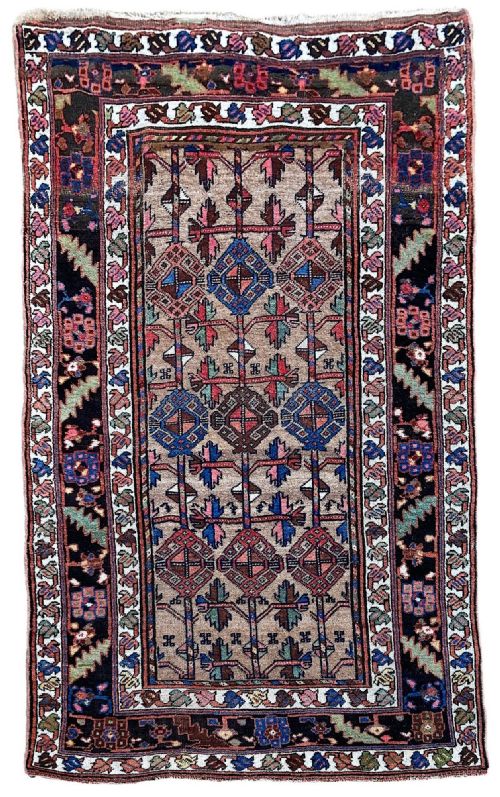
When searching for an antique kurdish carpet, a buyer encounters heavy village and tribal floor coverings originating from western Persia, Anatolia, and the broader Kurdish regions. These pieces span formats from small square rugs and bagfaces to long hallway runners and large kelleh carpets.
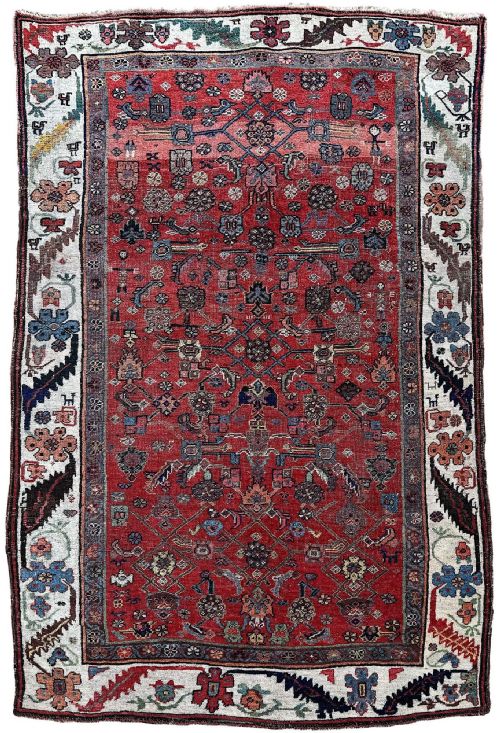
The specimens seen here date primarily from the nineteenth century through the early twentieth century, reflecting Persian tribal, Caucasian tribal, and nomadic influences. The forms include specific regional subgroups such as Bidjar, Senneh, Hamadan, and Jaf iterations.
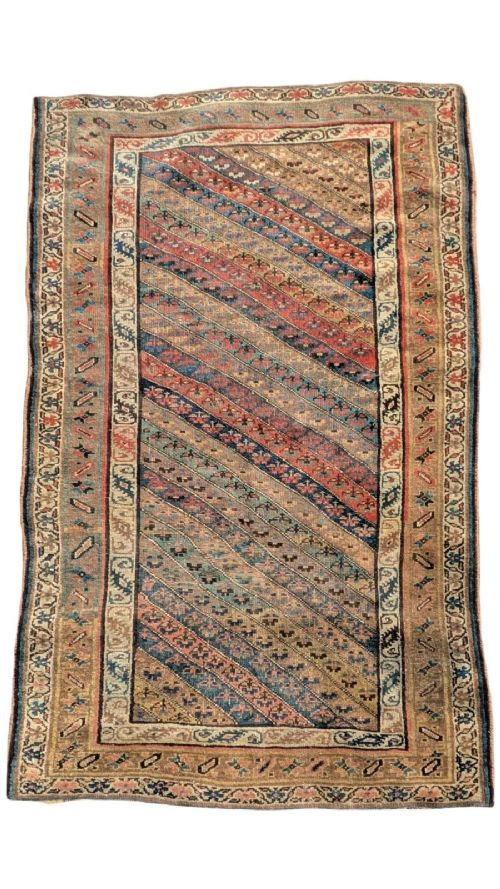
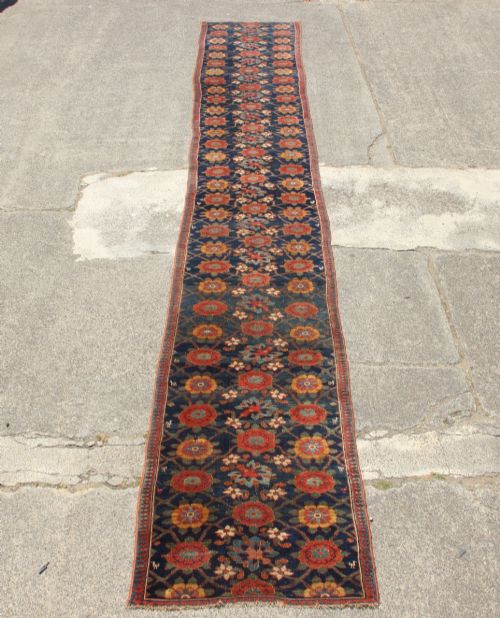
Buyers most frequently meet room-sized carpets, long runners, and compact scatter rugs bearing geometric medallions, repeat field patterns, and tribal motifs. Each piece serves as a durable, heavy-piled textile designed historically for nomadic utility or village household use.
How they were made
Weavers constructed these carpets using hand-spun wool for the pile, combined with cotton or wool foundations depending on the specific tribal origin. Hand-knotting techniques created dense, resilient structures capable of withstanding heavy daily floor traffic.
Natural dyes imparted the saturated colour palette recorded across these examples, derived from local plants and minerals. The spinning and dyeing processes yielded variable tones that mellow naturally over decades of light and use.
Antique Kurdish Carpet Retail Price Guide 2026
Typical asking prices for kurdish carpet among the pieces listed under this phrase on Sellingantiques today, from the lower quarter to the upper quarter. They describe what is for sale here now, not the wider market.
Certain nomadic weavers tucked miniature animal figures and stray tribal amulets directly into the deep geometric borders of their daily floor coverings.
What varies in quality
Knot density and structural tightness set finer workshop pieces, such as those from Bidjar or Senneh, apart from looser nomadic weaves. The precision of the geometric layout and the handling of curved or rectilinear motifs indicate the weaver's skill.
The purity and depth of the natural dye palette govern visual impact, where richly varied abrasche and clear secondary hues elevate a textile. Preservation of the original outer borders and selvedges also defines the standing of an individual carpet.
The Antique Kurdish Carpet Glossary
- Kelleh
- A large format rectangular carpet, typically longer than a standard room rug but narrower than a full hall carpet. These substantial pieces served central gathering spaces in traditional homes.
- Bagface
- The flat-woven or pile-knotted front panel of a storage sack made by nomadic tribes for domestic transport. These small squares often display concentrated tribal iconography.
- Runner
- A long, narrow carpet format designed specifically for corridors, hallways, and staircases. They accommodate linear spaces while displaying repeating medallion or lattice sequences.
- Abrasche
- Variations in hue within a single field colour caused by changes in dye batches or wool supplies. This subtle tonal shifting is a natural characteristic of hand-dyed textiles.
- Gul
- A medallion or repeating octagonal motif used extensively in tribal and nomadic rug design. Each variation often identifies the specific weaving group or tribe.
Antique Kurdish Carpet: Frequently Asked Questions
Where were these carpets made?
These textiles originate from the mountainous Kurdish regions spanning western Persia, Anatolia, and surrounding nomadic territories. Weavers worked within distinct village clusters and tribal confederations.
Production centres such as Bidjar, Senneh, and Hamadan developed recognizable local styles while sharing core Kurdish technical methods and robust wool structures.
How do I style a runner rug?
Long runners fit naturally into hallways, entryways, kitchens, and narrow transition spaces between rooms. Their linear geometry adds structure to otherwise plain corridors.
Pacing the runner centrally allows the border patterns and field medallions to remain visible against surrounding wooden flooring or stone tiles.
What is a Kelleh carpet?
A Kelleh is a specific large format carpet proportioned longer than a standard area rug but narrower than a full salon carpet. They provided substantial floor covering for traditional Persian interiors.
These sizeable formats accommodate large living spaces and dining rooms while offering extended stretches of tribal field designs and repeating motifs.
Are natural dyes easy to spot?
Natural dyes present subtle tonal variations and depth that synthetic colorants lack. Over time, vegetable-based colours age with a characteristic softness and harmonious patina.
Examinations under natural light reveal the slight shifts in shade known as abrasche, confirming the use of traditional plant and mineral dyeing methods.