




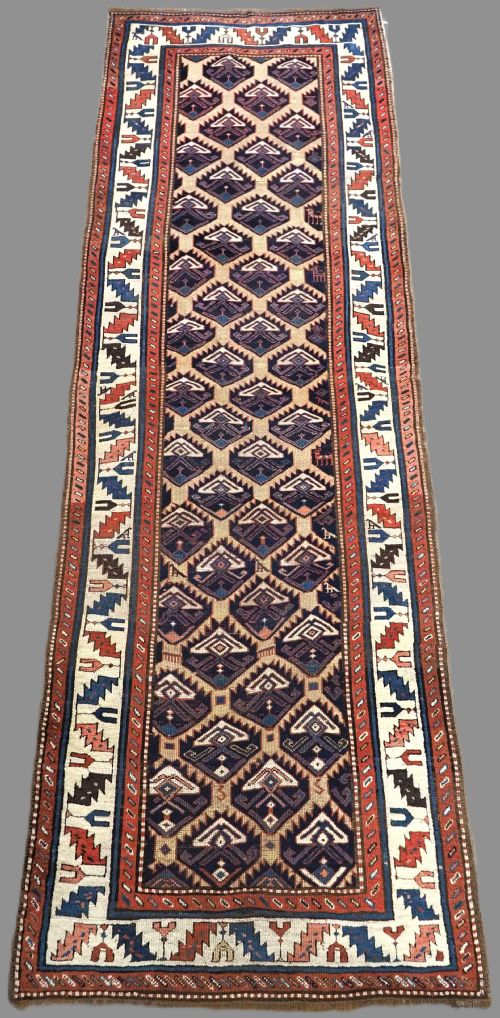
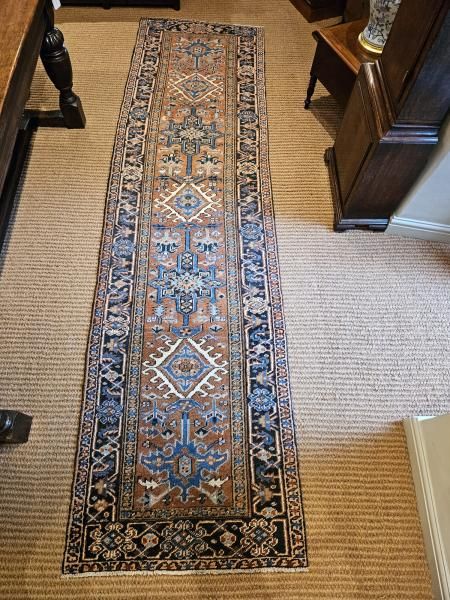
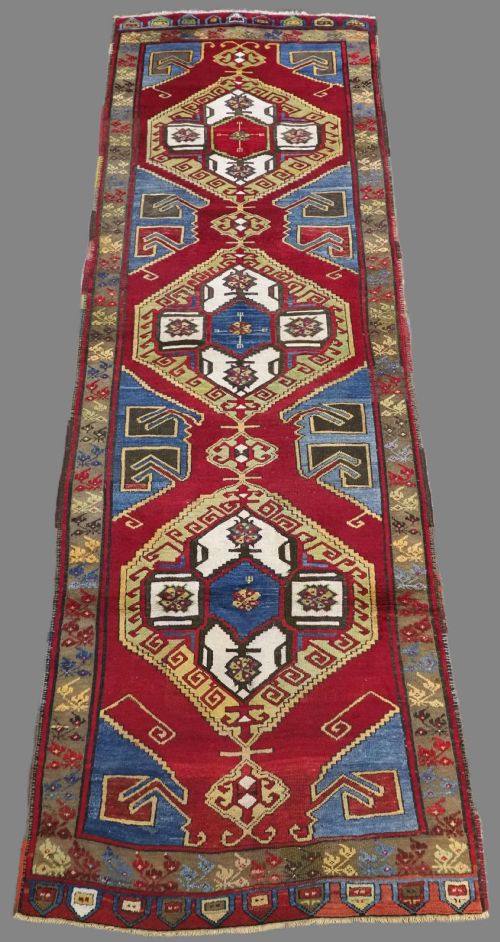

Traditional Hallway Carpet
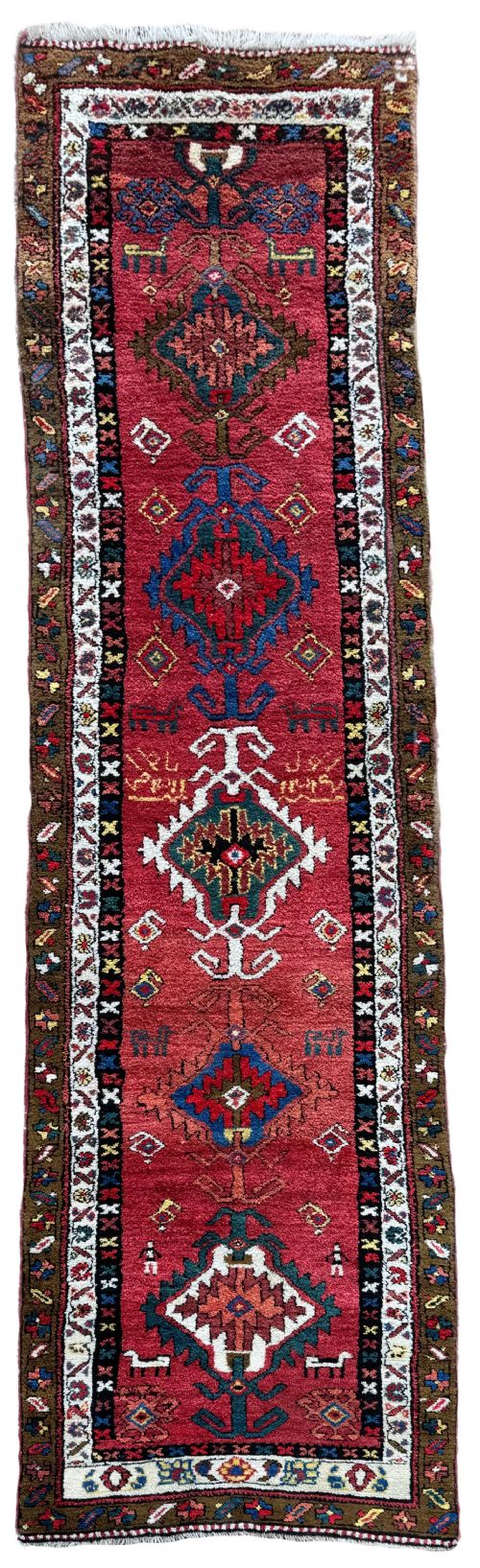
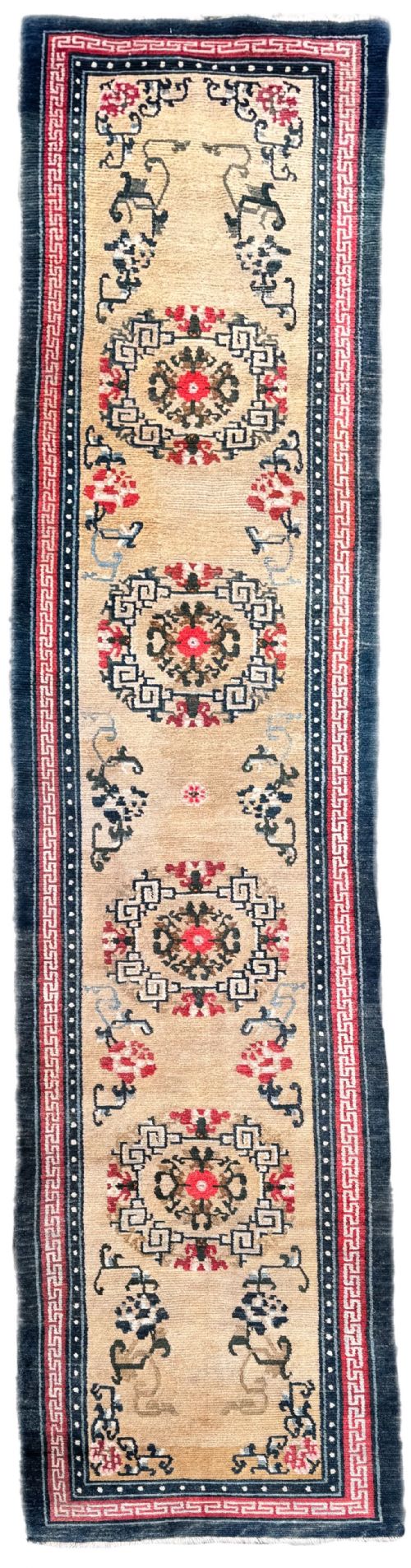
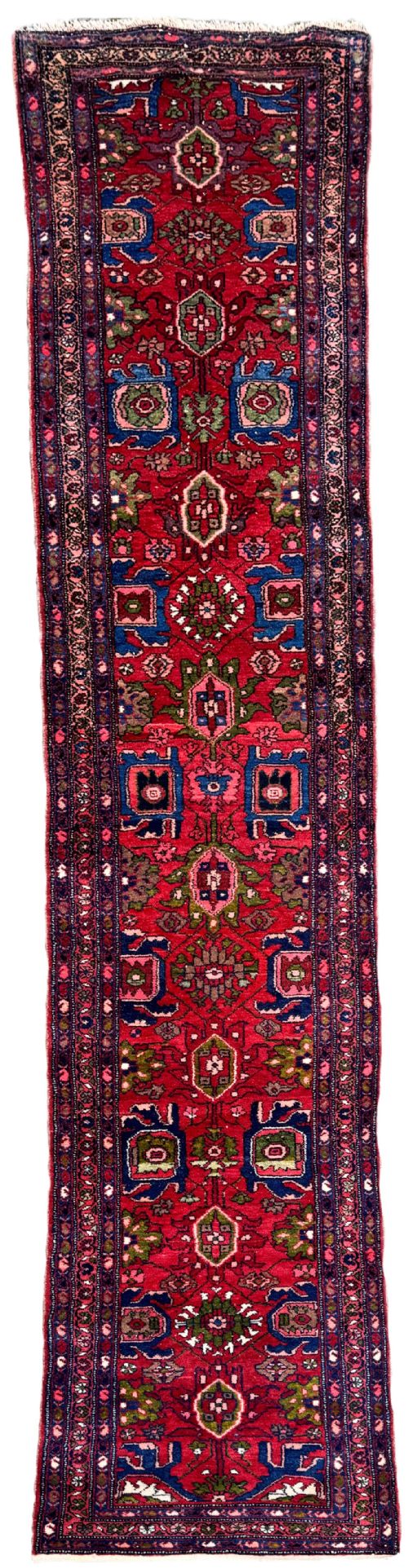
Traditional hallway carpet covers long, narrow woven runners originating from Persian, Caucasian, Turkish, and Kurdish workshops during the nineteenth and early twentieth centuries.
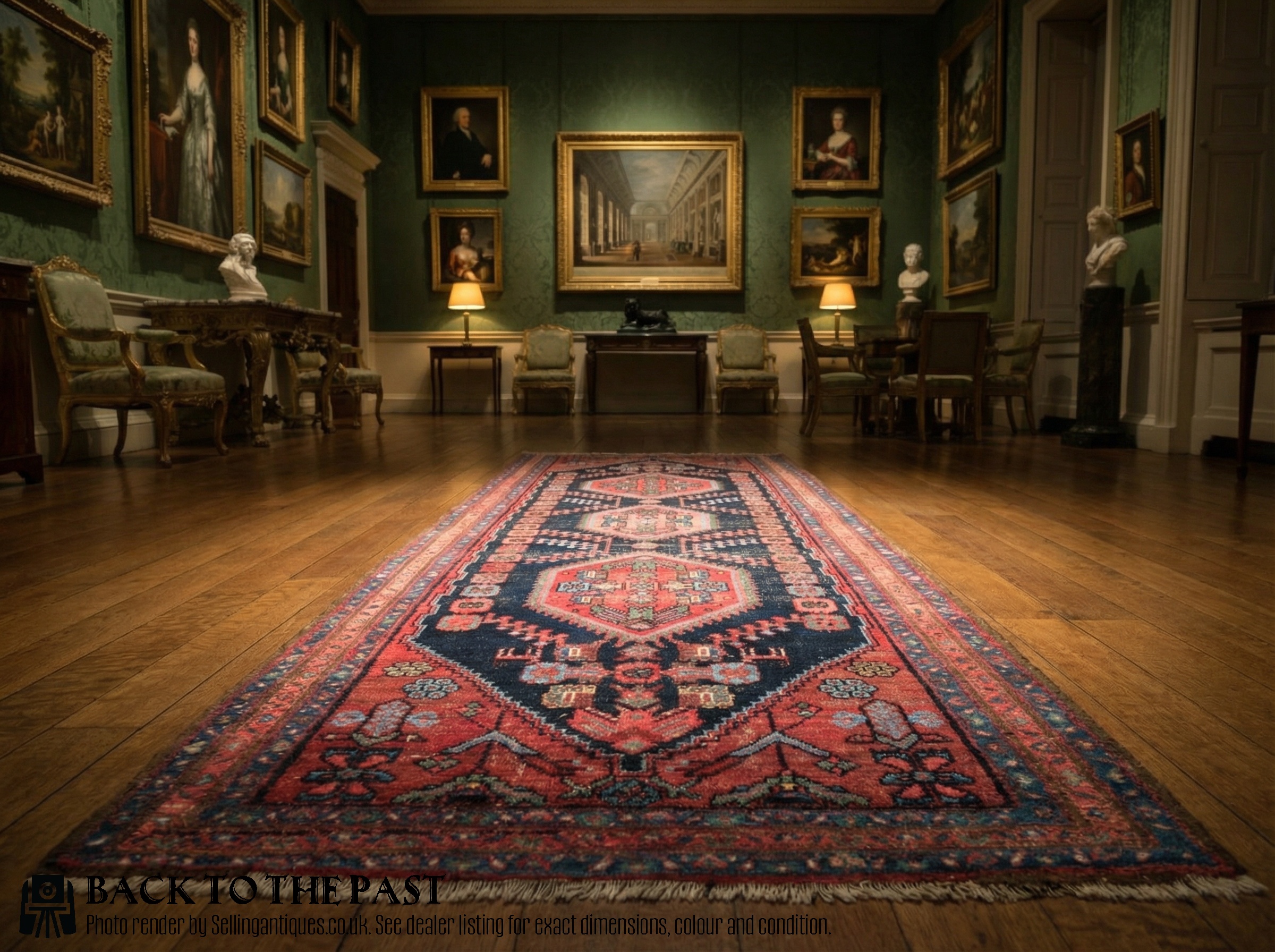
Traditional Hallway Carpet
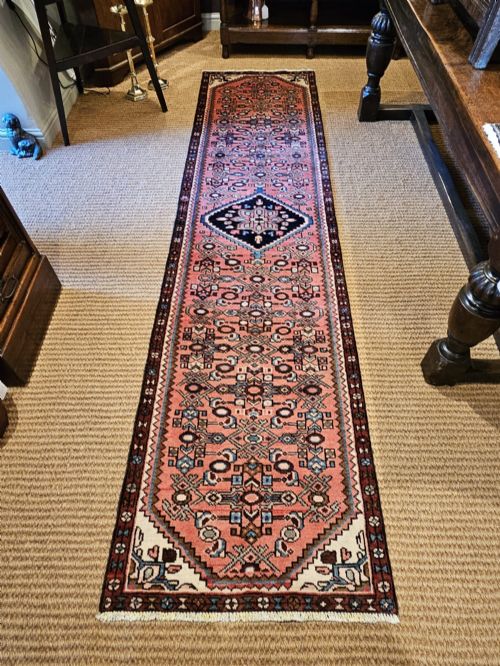
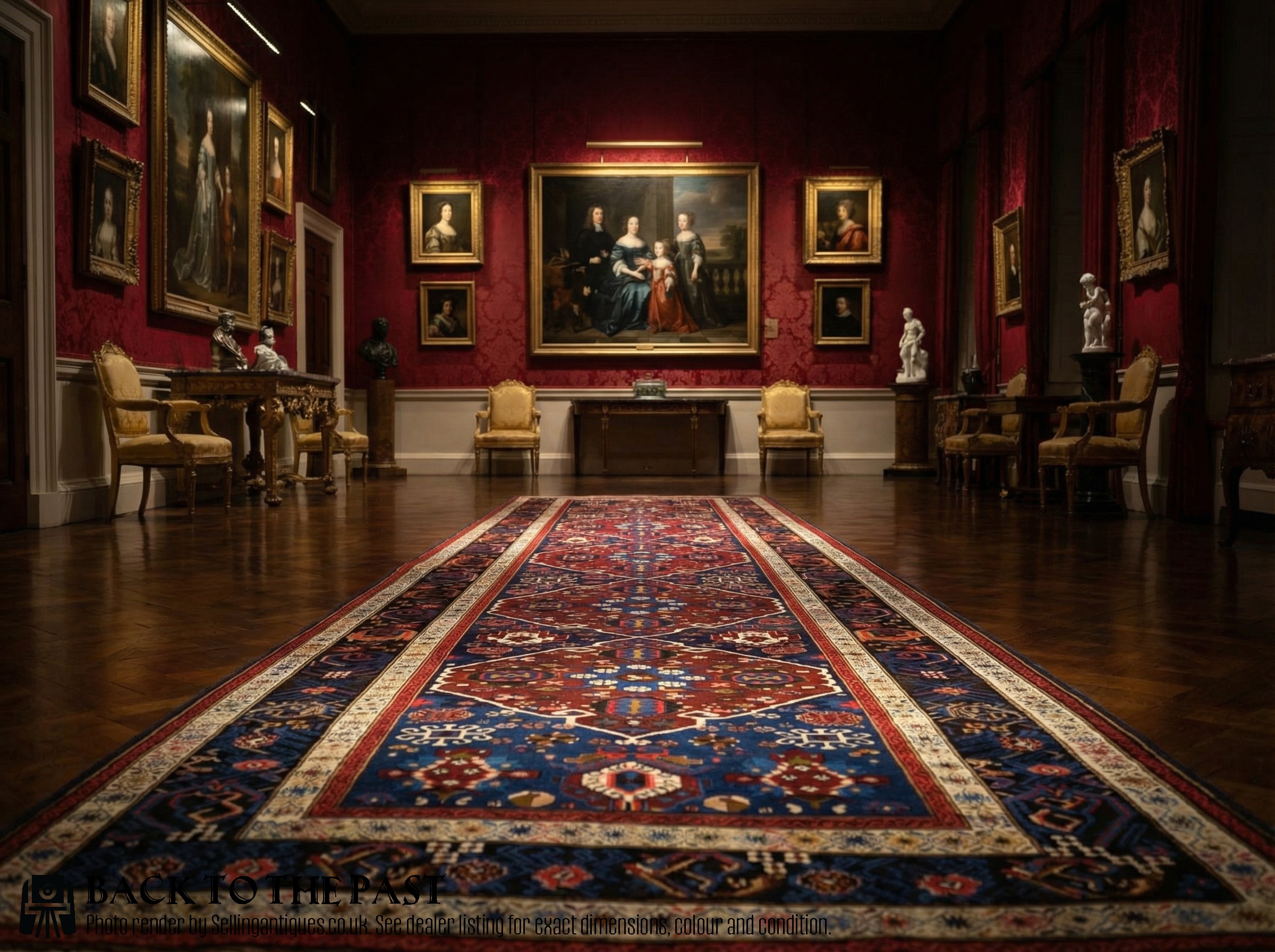
Traditional hallway carpet encompasses long, narrow floor coverings designed specifically for corridors, landings, and passages in domestic spaces. These pieces take the form of runner rugs spanning various lengths, often extending several metres to fit narrow architectural spaces.
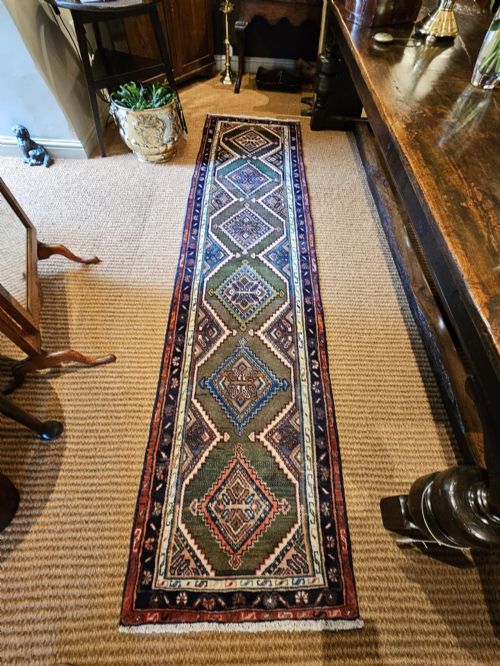
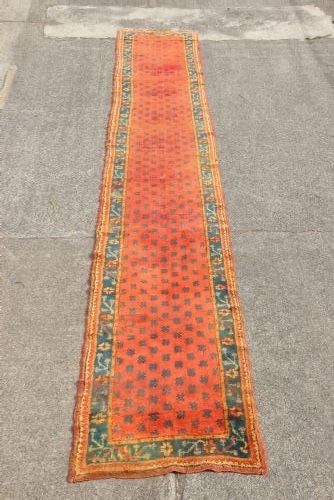
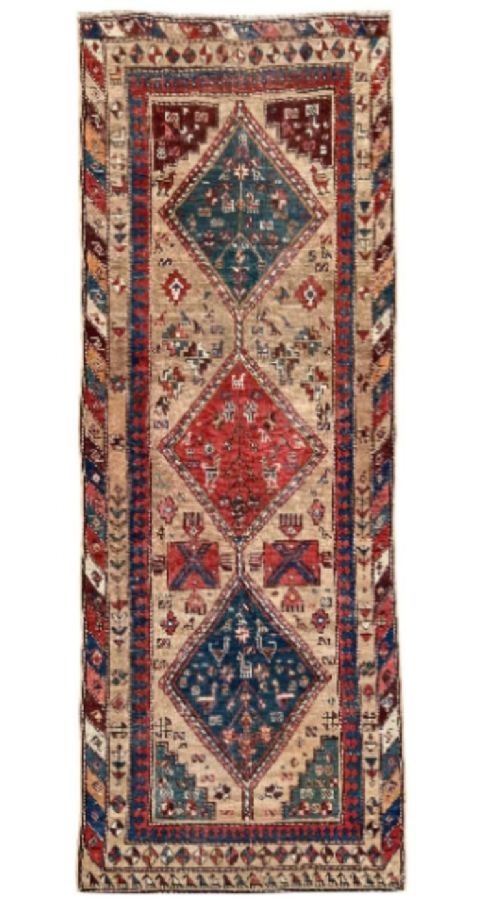
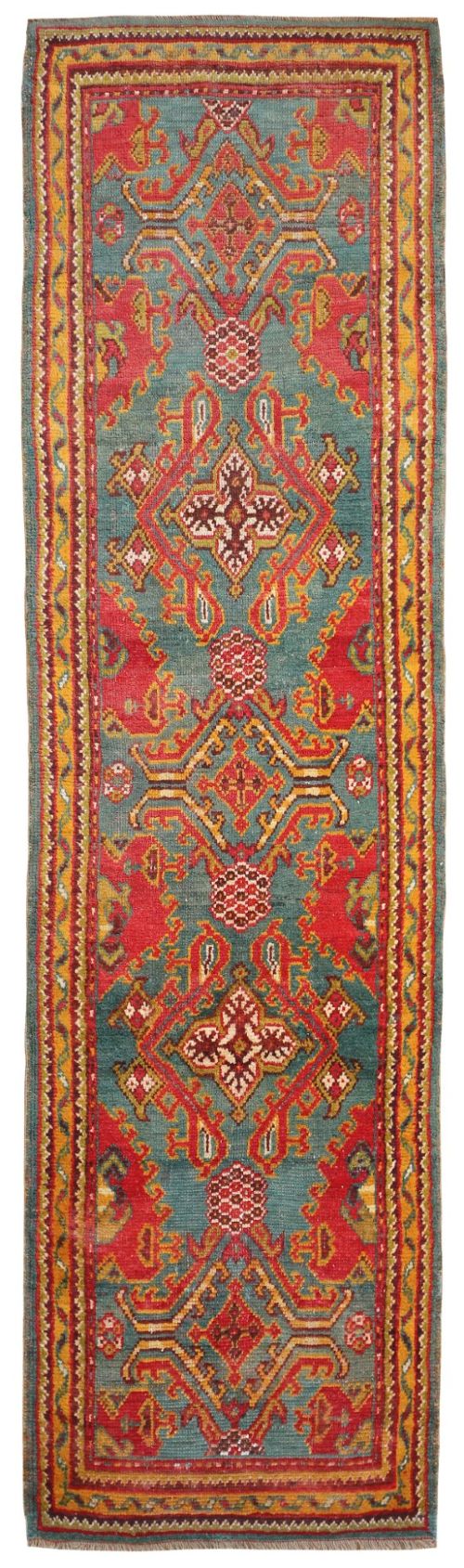
The selection centres on antique examples originating from Persian, Caucasian, Anatolian, and Kurdish weaving traditions. Pieces such as Heriz, Ushak, Kurdish, and Kazak runners dominate the offerings, spanning the nineteenth century through to the nineteen-thirties.
How They Were Made
Makers utilised natural materials, relying principally on wool for the pile and foundation threads, supplemented by cotton for structural warps and wefts. These natural fibres were hand-knotted and handwoven on traditional vertical and horizontal looms.
Dyers employed natural colourants derived from plants and minerals to dye the wool yarns before weaving. This traditional method produced rich, deep background tones such as olive green and navy blue alongside intricate geometric and floral patterns.
Traditional Hallway Carpet Retail Price Guide 2026
Typical asking prices for traditional hallway carpet among the pieces listed under this phrase on Sellingantiques today, from the lower quarter to the upper quarter. They describe what is for sale here now, not the wider market.
Listings feature runners fashioned from pure wool and cotton across nineteenth and early twentieth-century periods.
What Varies in Quality
Quality rests upon the fineness of the knot density and the precision of the geometric or floral layout along the length of the runner. Tighter knots and balanced compositions indicate greater skill from the original weaver.
The integrity of the wool and the depth of the natural dyes influence the character of the piece over time. Uniform pile retention and crisp structural edges distinguish superior examples from heavily worn runners.
The Traditional Hallway Carpet Glossary
- Runner
- A long, narrow carpet format traditionally utilised in hallways, corridors, and staircases. These pieces measure significantly longer than they are wide.
- Pile
- The vertical or upright surface of a carpet formed by the ends of knotted yarn. This layer absorbs foot traffic and displays the woven design.
- Warp
- The stationary longitudinal threads stretched onto a loom before weaving begins. These parallel threads form the structural foundation of the carpet.
- Weft
- The horizontal threads passed alternately over and under the warp threads to bind the knots in place. Wefts secure the structural integrity of each row.
- Knot
- An individual loop of wool tied around warp threads by hand to create the pile. Different regional traditions employ distinct knot types.
Traditional Hallway Carpet: Frequently Asked Questions
Where should I place a runner?
These long carpets suit narrow spaces like hallways, corridors, entryways, and landings where foot traffic is frequent. Their elongated dimensions fit perfectly down the centre of wooden or tiled floors.
Position the runner to leave a uniform border of exposed flooring on either side. This frames the passage and protects high-traffic zones from wear.
How do I clean a wool runner?
Gentle vacuuming without a rotating brush roll removes surface dirt and debris from the wool pile. Avoid aggressive beating or harsh chemical treatments that damage natural fibres.
For deeper cleaning, consult a specialist experienced in antique textiles. Traditional plant-based dyes require professional care to prevent bleeding.
What periods do these runners span?
The available pieces primarily date from the late nineteenth century through to the nineteen-thirties. This period captures traditional tribal and village weaving practices before mass production.
Earlier nineteenth-century examples often display distinct regional motifs and natural dyes. Later pieces from the early twentieth century continue these traditional village aesthetics.
How do I identify regional styles?
Regional styles appear through distinct design motifs, colour palettes, and knotting techniques. For instance, Heriz runners often feature bold geometric medallions, while Ushak pieces display softer floral sprays.
Examining the border patterns and secondary colours helps attribute a runner to specific traditions like Kurdish, Caucasian, or Anatolian weaving centres.