
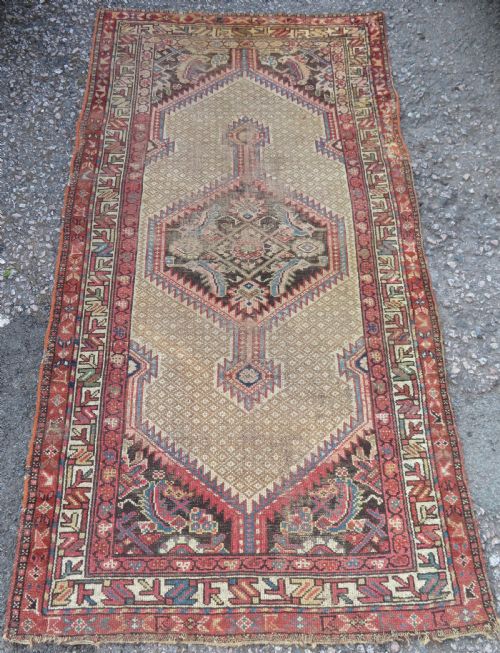
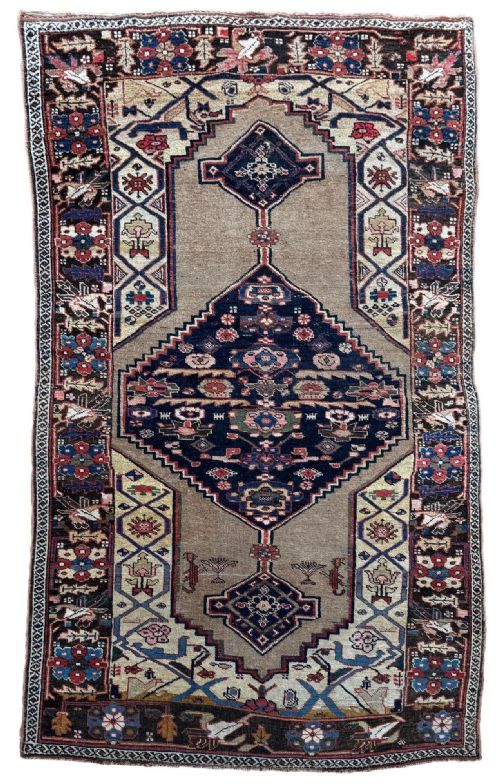
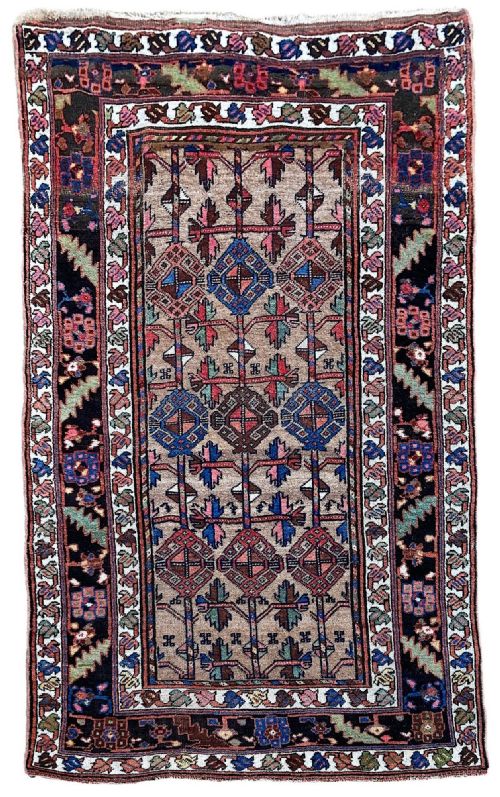


Beige Persian Runner
These antique beige persian runner selections bring genuine tribal warmth and elongated geometry to hallways, combining hand-spun wool and camel hair across nineteenth and twentieth-century formats.
Beige Persian Runner
When you search for beige persian runner, you encounter long, narrow formats designed for corridors and passageways. These pieces originate from Persian tribal and village workshops, displaying traditional motifs adapted for domestic circulation.
Village weavers constructed these floor coverings primarily as functional walkway pieces, resulting in robust structures that withstand modern foot traffic. Their narrow proportions make them particularly suited to period hallways and gallery spaces.
How they were made
Weavers employed hand-spun wool and natural camel hair for the pile, knotted densely onto cotton or wool foundations. These organic materials provide a durable surface texture that responds well to traditional dyeing methods.
Natural dyestuffs created the characteristic muted palette seen across these rugs, utilising plant and mineral sources to achieve subtle variations in tone. Hand-knotting techniques ensured tight structural integrity along the narrow lengths of each runner.
Current listings feature nineteenth and early twentieth-century formats from regions including Serab, Bidjar, and Kurdish territories, utilising wool, cotton, and camel hair.
What varies in quality
Quality in these runners depends upon the fineness of the knotting and the crispness of the tribal design execution. Tighter knots allow intricate geometric and tree-of-life patterns to remain sharp along the extended format.
The choice of fibre also influences the character of the piece, with genuine camel hair imparting a distinct golden-beige hue and soft handle. Foundation integrity and the retention of original outer selvedges further distinguish superior examples.
The Beige Persian Runner Glossary
- Serab
- A weaving region in north-west Persia known for narrow runners featuring camel hair grounds and geometric medallion designs. These pieces often display muted natural palettes.
- Baluch Tribal
- Work produced by nomadic groups inhabiting regions across Persia and Afghanistan, frequently utilising dark wools and prayer designs. Their formats tend towards compact rugs rather than long corridors.
- Camel Ground
- A textile foundation utilising un-dyed camel fleece, providing a durable natural beige tone as the primary background colour. This material appears frequently in nineteenth-century village weaving.
- Kurdish
- Pertaining to rugs woven by Kurdish communities in western Persia, characterised by sturdy wool construction and bold geometric motifs. These runners are built for heavy domestic use.
Beige Persian Runner: Frequently Asked Questions
Where should I place a long runner?
These narrow formats suit hallways, corridors, and gallery spaces where length and proportion matter. Their subdued neutral grounds complement both traditional timber floors and modern interior schemes.
Ensure you use an appropriate underlay to keep the runner secure on smooth surfaces, protecting the historic foundation from sliding.
How do I care for antique wool runners?
Vacuum gently using suction attachments without rotating brushes to preserve the hand-knotted pile. Professional cleaning suited to antique textiles maintains the integrity of natural wool and camel hair.
Keep the runner out of direct, prolonged sunlight to prevent natural dyes from fading unevenly over the years.
What defines a Serab runner?
Serab pieces originate from a specific north-west Persian district renowned for exceptionally long, narrow proportions. They frequently incorporate camel hair backgrounds and refined geometric lattice work.
Their restrained colour palette makes them particularly sought after for contemporary spaces requiring understated antique texture.
Are these pieces from tribal origins?
Many examples stem from village and tribal production centres such as Kurdish and Baluch regions. Weavers worked independently, incorporating traditional motifs passed down through generations rather than following commercial cartoons.
This heritage accounts for the slight irregularities in width and pattern that evidence genuine hand production.