
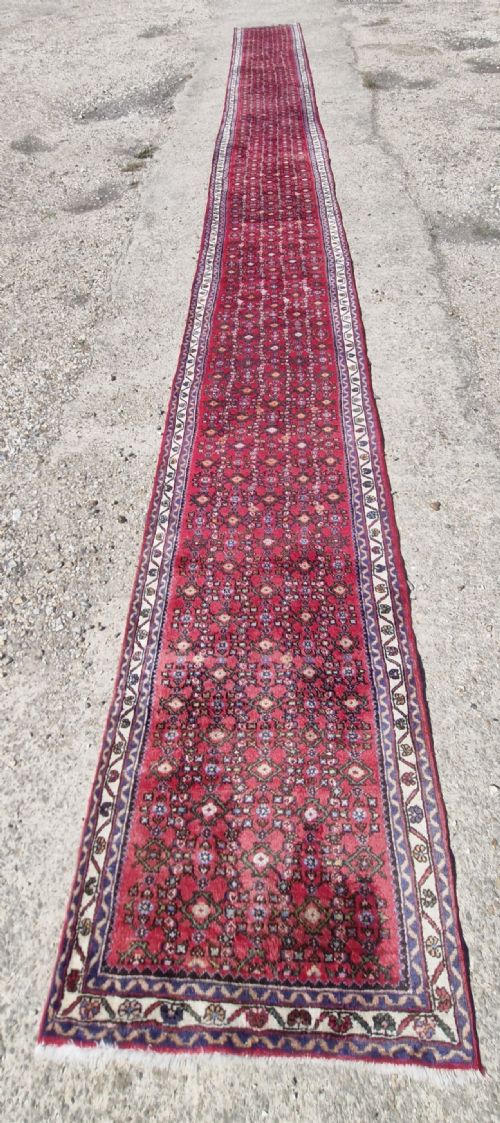
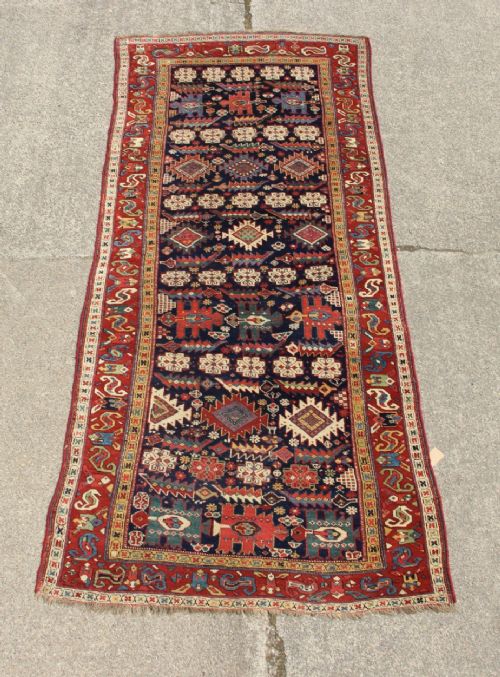


Persian Gallery Rug
These persian gallery rug pieces are woven floor coverings that anchor a large room with traditional pattern and texture.
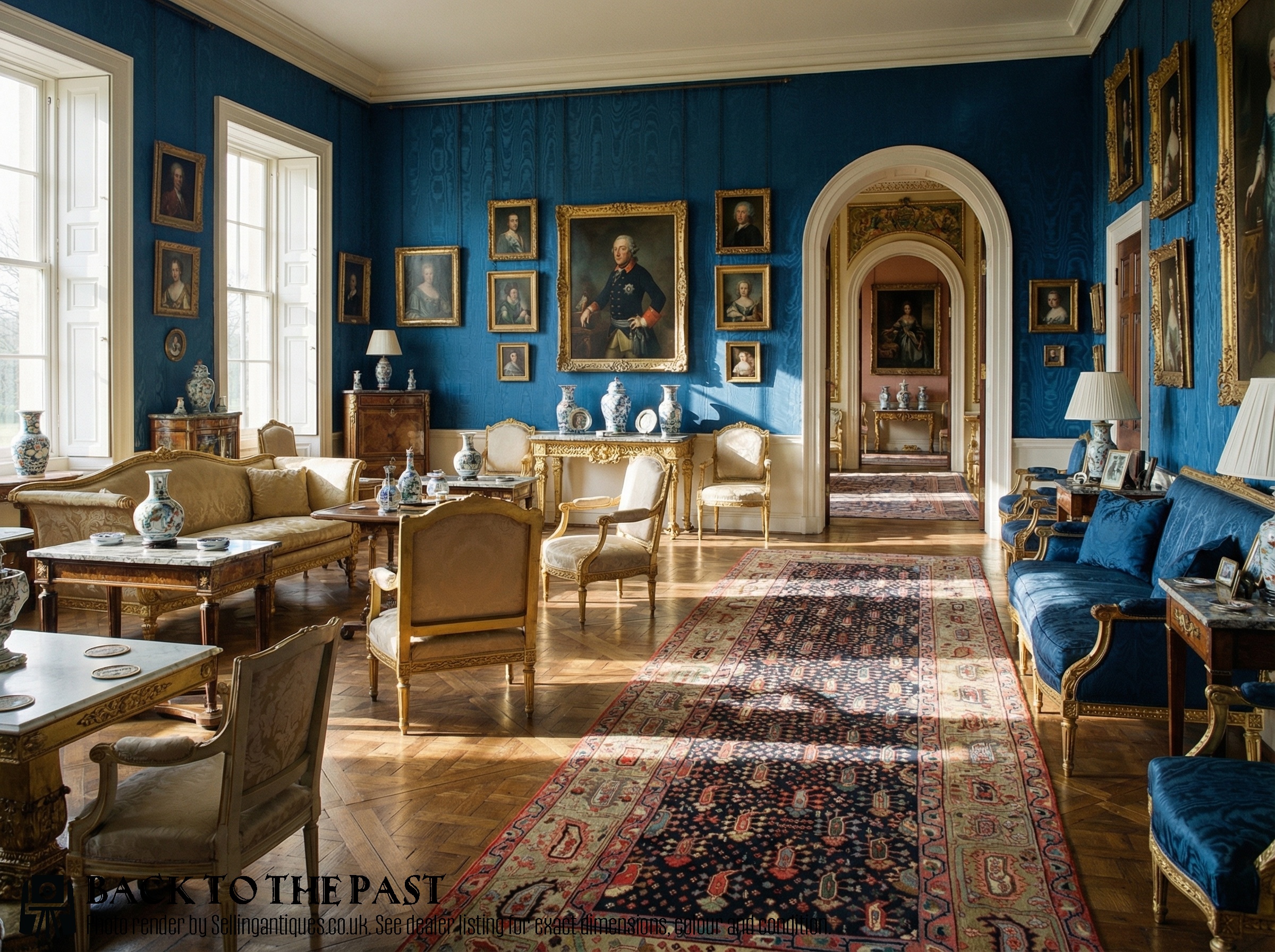
Persian Gallery Rug
Buyers encounter regional weaving styles including tribal designs, Serapi pieces, and narrow runners originating from Persian workshops. These textiles bring historic pattern and substantial physical presence into domestic spaces.
What varies in quality
Quality in a persian gallery rug rests on the fineness of the knotting and the clarity of the underlying design. Tighter structures and more precise execution distinguish the finer examples from simpler provincial work.
The complexity of the regional design and the depth of colour achieved through natural dyes also shape the character of each piece. Superior execution creates a sharper visual rhythm across the field and border.
Persian Gallery Rug Retail Price Guide 2026
Typical asking prices for persian gallery rug among the pieces listed under this phrase on Sellingantiques today, from the lower quarter to the upper quarter. They describe what is for sale here now, not the wider market.
The listings show regional pieces dated across the late nineteenth and early twentieth centuries, constructed from wool, hand-spun wool, and cotton.
The Persian Gallery Rug Glossary
- Kelleh
- A large rectangular carpet format longer than it is wide, traditionally suited to specific reception spaces in Persian houses. It offers an expansive central field for detailed tribal or geometric composition.
- Runner
- A long, narrow carpet format designed primarily for hallways, corridors, or alongside larger furniture pieces. This shape directs movement through a room while displaying continuous repeating motifs.
- Natural Dyes
- Colourants derived from plant, insect, or mineral sources rather than synthetic chemical compounds. They yield harmonious tones that age gracefully and develop a rich patina over time.
- Pile
- The upright cut or loop of yarn that forms the usable surface of the rug. Dense pile construction protects the foundation threads from foot traffic and preserves the integrity of the design.
Persian Gallery Rug: Frequently Asked Questions
Where do I place a gallery rug?
These long formats suit hallways, long corridors, or narrow reception spaces where standard rectangular rugs do not fit. They guide the eye along architectural lines while softening wooden or stone flooring.
Ensure the space allows the borders to remain visible rather than crowding the edges beneath heavy furniture.
How do I care for antique wool rugs?
Regular gentle vacuuming without a rotating brush roll removes trapped dust from the wool pile. Professional cleaning suited to antique textiles preserves the natural dyes and cotton foundations.
Keep the rug out of direct, intense sunlight to protect the natural dye colours from fading unevenly over the years.
What defines a Serapi carpet?
Serapi carpets originate from the Heris region and typically feature large-scale geometric medallions balanced by open, spacious fields. Their bold abstraction separates them from more crowded floral workshop designs.
Collectors prize this specific aesthetic for its strong graphic impact in contemporary and traditional interiors alike.
How do natural dyes age?
Natural dyes mellow gradually over decades, developing a soft patina known as abris that enhances the visual depth of the wool. This subtle variation in tone reflects the organic source materials used by the weavers.
Such gradual weathering proves the traditional origins of the piece rather than indicating structural damage.