





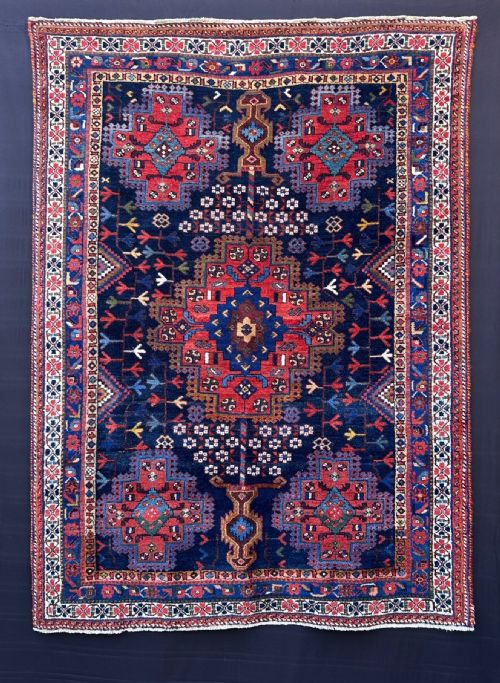
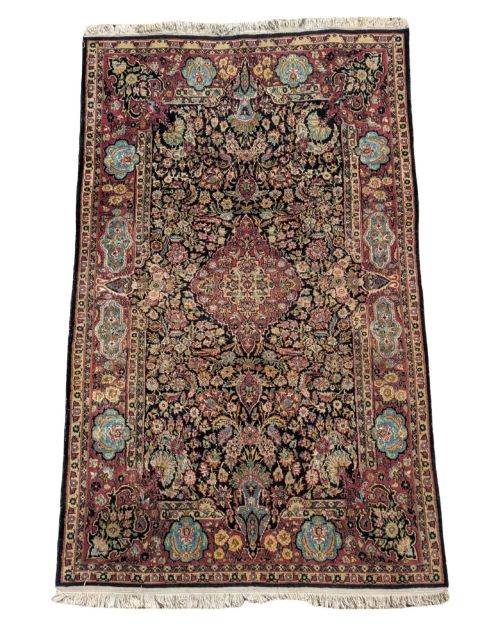
Antique Floor Carpet
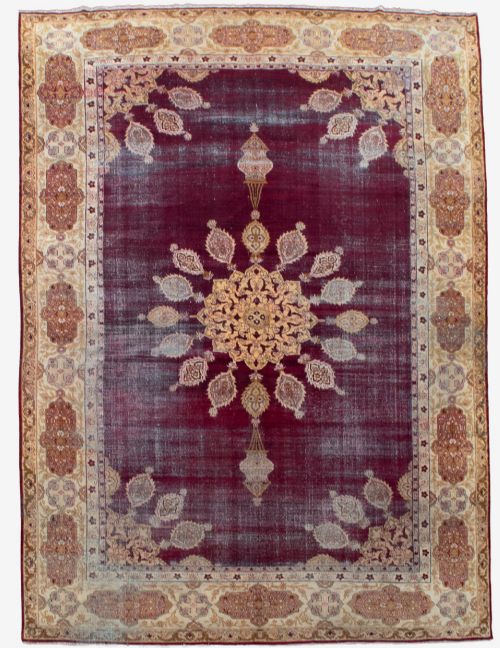
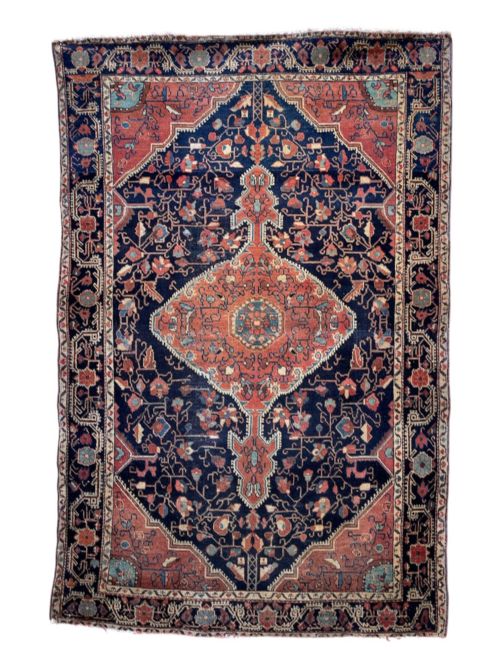
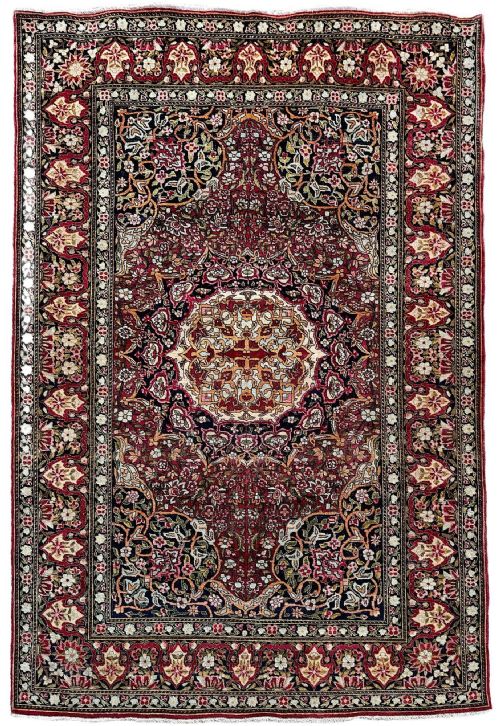
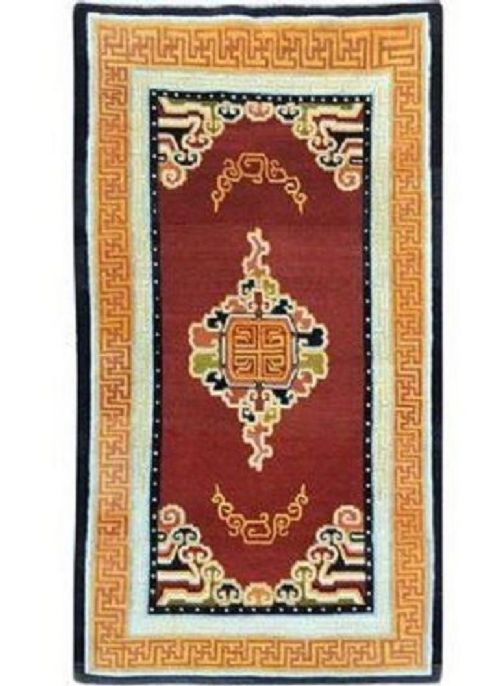
An antique floor carpet anchors a room with generations of craftsmanship, offering woven Persian, Caucasian, and Turkmen artistry from the nineteenth and early twentieth centuries.
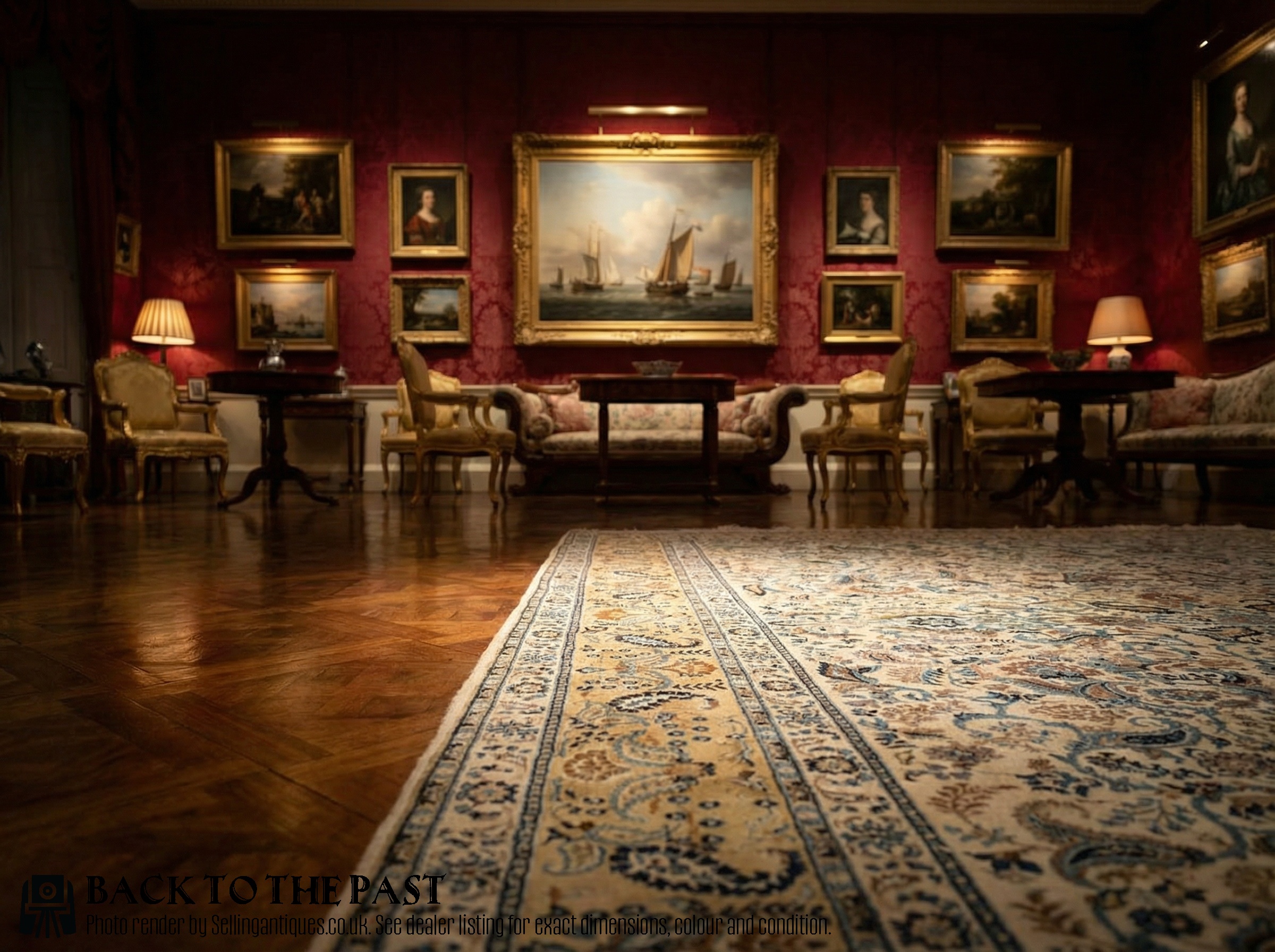
Antique Floor Carpet
Every antique floor carpet carries the visual language of its origin, spanning Persian city centres, Caucasian villages, and Turkmen tribal encampments. Buyers encounter room-sized carpets, long hallways runners, and compact area rugs woven between eighteen-fifty and nineteen-thirty.
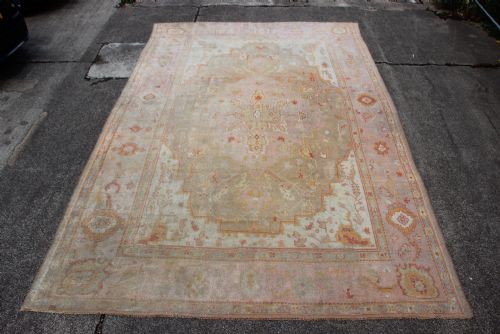
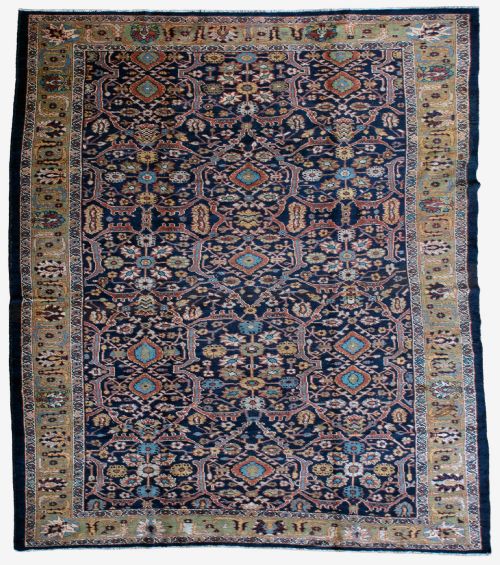
The selection ranges from large Oushak and Sultanabad carpets designed for country houses to finely knotted Isfahan, Saroukh, and Kashan room pieces. Tribal works by Kurdish, Afshar, Bakhtiar, and Baluch weavers appear frequently alongside traditional Persian and Ottoman designs.
Materials and construction
Weavers constructed each antique floor carpet primarily using wool, cotton foundations, and occasionally silk highlights to delineate intricate floral or geometric motifs. Natural dyes provided the deep reds, blues, and warm earth tones recorded across these nineteenth and early twentieth-century examples.
The density of the weave and the specific knotting technique varied according to whether the piece originated in a settled workshop or a nomadic tribal tent. Foundation threads of cotton or wool support the thick pile, which withstands centuries of foot traffic when properly maintained.
Antique Floor Carpet Retail Price Guide 2026
Typical asking prices for floor carpet among the pieces listed under this phrase on Sellingantiques today, from the lower quarter to the upper quarter. They describe what is for sale here now, not the wider market.
The listings span from eighteen-fifty to nineteen-thirty, uniting Persian workshops, Caucasian villages, and Turkmen tribal tents through wool, cotton, and natural dyes.
Evaluating quality and execution
Quality in an antique floor carpet rests upon the precision of the design execution, the vibrancy and saturation of the natural dyes, and the fineness of the knotting. Master workshops achieved crisp floral lattices and balanced medallions, whereas village and tribal pieces demonstrate robust, expressive geometry.
The integrity of the wool pile and the survival of original borders and selvedges dictate the overall condition tier. Pieces retaining their full dimensions and rich, unfaded colour palettes represent the highest standard of survival from this era.
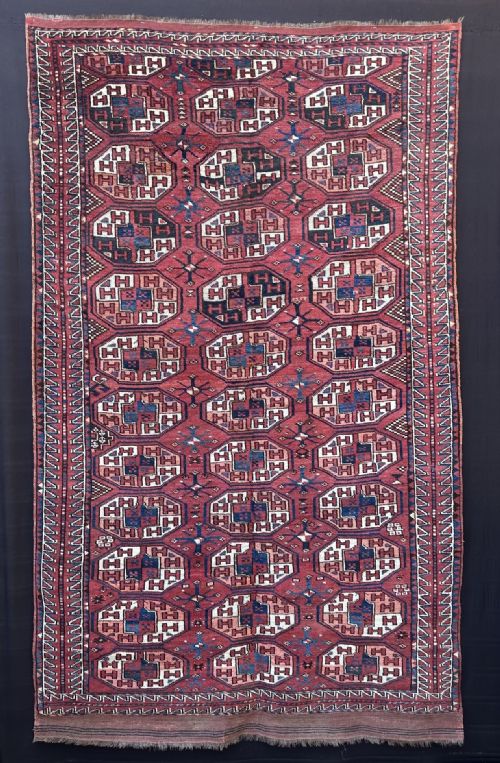
Kizyl Ayak Tribe·Ersari Beshir Turkmen
The Antique Floor Carpet Glossary
- Gul
- An octagonal or medallion-like motif frequently repeated across Turkmen and Baluch carpets. This design element often identifies specific tribal groupings.
- Kelleh
- A long, format rug traditionally suited for the sides or ends of a larger reception room. These rectangular floor coverings measure substantially longer than they are wide.
- Selvedge
- The bound edge running parallel to the length of a carpet, protecting the foundation threads from unraveling. Original selvedges indicate a well-preserved textile.
- Prayer rug
- A small format textile featuring a distinct mihrab or arch design indicating the direction of Mecca. Weavers across the Caucasus and Turkey produced these for devotional use.
Antique Floor Carpet: Frequently Asked Questions
How do I clean an antique floor carpet?
Regular gentle vacuuming without a beater bar removes surface dust and grit from the wool pile. Professional specialist cleaning remains essential for deep washing to protect natural dyes and fragile cotton foundations.
Avoid harsh household detergents or excessive water immersion, which can damage the organic fibres. Consult a textile conservator if the carpet requires structural repairs along the borders or fringe.
Can I place these carpets in high-traffic hallways?
Many sturdy village and tribal runner formats suit busy corridors because their dense wool pile resists daily wear. Selecting a quality underlay prevents slipping and cushions the foundation against hard stone or wooden floors.
Period carpets woven in nomadic regions were built for practical endurance, making them surprisingly resilient. Even so, rotating the piece periodically ensures even exposure to light and foot traffic.
How do I distinguish Persian from Caucasian designs?
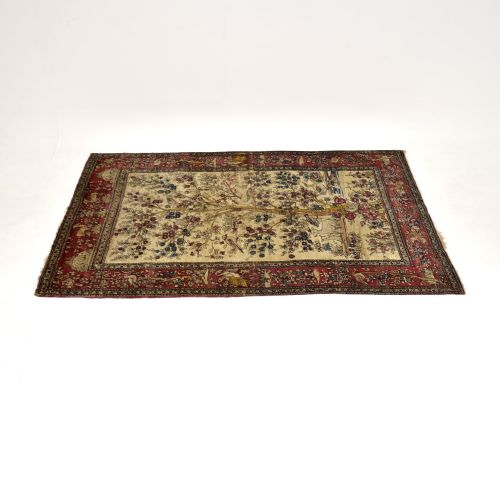
Persian carpets typically display flowing floral arabesques, central medallions, and intricate curving palmettes reflecting urban workshop traditions. Examples from Isfahan, Kashan, and Heriz demonstrate this refined botanical layout.
Caucasian pieces lean towards bold, rectilinear geometry, stylized animals, and sharp polygonal lattices. Village weavers in regions like Dagestan and Karabagh favoured these striking, architectural motifs over curved floral vines.
What does a tribal attribution mean?
Tribal carpets originate from nomadic or semi-nomadic groups who wove from memory rather than drawn cartoon templates. Pieces attributed to Baluch, Afshar, or Kurdish makers showcase personal expression and tribal identity through traditional geometric symbols.
These textiles often display slight irregularities in symmetry and colour shifts known as abrash, reflecting the use of small dye batches. Such characteristics contribute to the distinct personality of each nomadic weaving.