
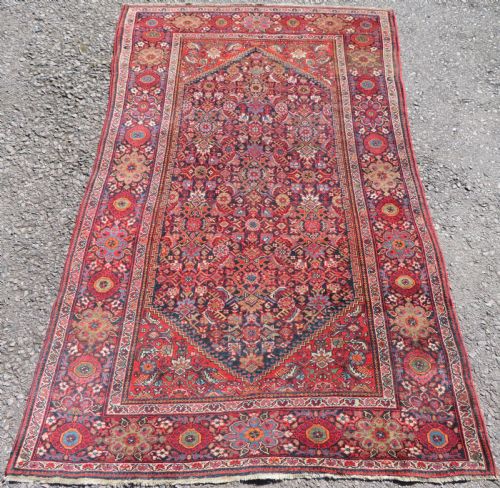


Antique Malayer Rug
An antique malayer rug brings Persian village artistry and durable woven wool into a room with striking traditional design.
Antique Malayer Rug
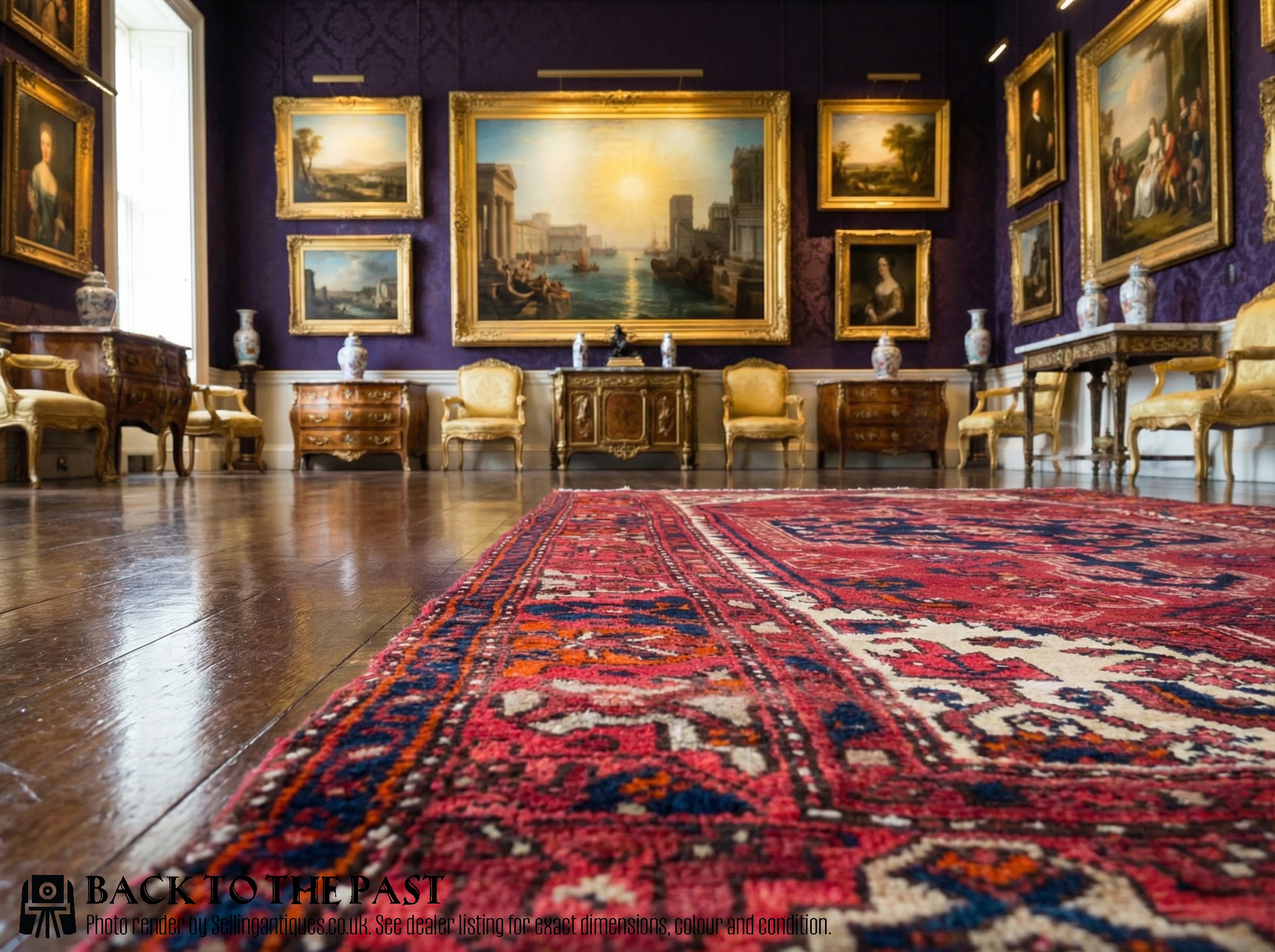
An antique malayer rug originates from the Persian village tradition, capturing the distinctive aesthetic of North-West Persia. Buyers searching for an antique malayer rug encounter pieces fashioned as area rugs, long hallway runners, or larger carpets. These textiles frequently display intricate local motifs including the Herati pattern, medallion layouts, and distinct floral shrub designs.
The pieces seen here span from the early twentieth century, specifically covering the nineteen-hundreds through to nineteen-thirty. Village weavers produced these floor coverings in various formats, ranging from compact formats to extended kelleh runners. Each piece reflects the regional output of Persian village workshops and traditional weaving districts.
How they were made
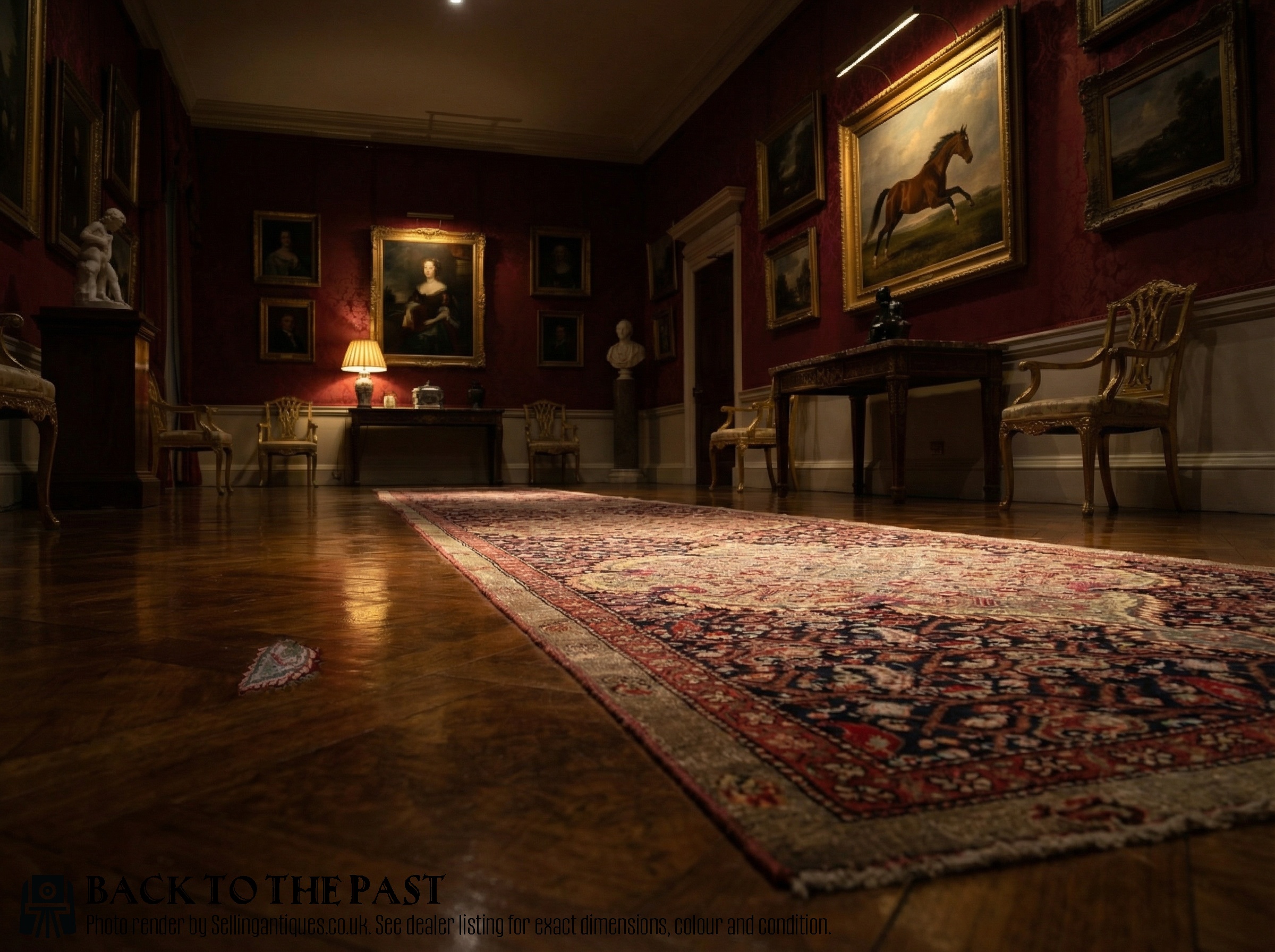
The construction of an antique malayer rug relies on traditional materials consisting principally of wool and cotton. Weavers utilised wool for the pile to ensure resilience underfoot, whilst employing cotton foundations for structural stability. This combination allowed workshops to produce both standard area formats and exceptionally fine weaves.
Production techniques involved hand-knotting village designs onto warp and weft threads, creating dense surfaces that support complex patterns like the Herati layout or pictorial elements. Artisans incorporated natural dyeing traditions, yielding soft red borders, ivory grounds, and balanced colour palettes across the surface.
Antique Malayer Rug Retail Price Guide 2026
Typical asking prices for malayer rug among the pieces listed under this phrase on Sellingantiques today, from the lower quarter to the upper quarter. They describe what is for sale here now, not the wider market.
Certain village weavers tucked tiny butterflies and wandering animals directly into the wool fields, hiding miniature life among the formal geometry.
What varies in quality
The distinction between a standard village carpet and the finest examples lies in the density of the weave and the precision of the design. Superior pieces display exceptionally fine knotting that allows complex motifs like Harshang patterns, shield designs, or figurative elements to render with clarity.
Execution of secondary design details, such as border proportions and the handling of ivory grounds with butterflies or animal motifs, separates ordinary production from exceptional craftsmanship. The richness of the wool pile and the depth of the colour palette further define the upper tier of these Persian weavings.
The Antique Malayer Rug Glossary
- Herati
- A repeating Persian ornament pattern composed of a central rosette enclosed by a lozenge and flanked by curved leaves. It is frequently seen across the field of these village rugs.
- Kelleh
- A long, narrow format of Persian carpet used traditionally in hallways or specific room layouts. These extended runners often feature pictorial elements or continuous shrub designs.
- Hamadan
- A broader regional weaving centre in North-West Persia associated with village and town production. Malayer pieces often share stylistic traits with this wider geographical classification.
- Mishen
- A village in North-West Persia known for distinctive regional rug production. Pieces attributed here reflect specific local weaving traditions.
Antique Malayer Rug: Frequently Asked Questions
Where were these rugs made?
These textiles originate from Malayer and surrounding village districts situated in North-West Persia. Local weavers produced them within traditional workshop environments.
The output reflects distinct regional aesthetics, drawing on design traditions associated with Persian village craftsmanship.
How do I identify the design?
Look for characteristic motifs such as the repeating Herati pattern, medallion layouts, or floral shrub arrangements. Many examples also incorporate ivory grounds and specific village border details.
Closer inspection reveals whether the piece follows traditional regional styles or incorporates unusual pictorial elements like animals and figures.
What sizes are available?
The pieces span standard area rug dimensions alongside elongated formats such as hallway runners and kelleh carpets. Proportions vary from compact square formats to long narrow paths.
Each specific measurement is determined by the original village loom setup and the intended domestic function.
How do I care for it?
Protect the wool and cotton foundations by placing the textile in low-moisture environments away from direct, harsh sunlight. Regular gentle vacuuming without a rotating brush helps maintain the pile.
Professional cleaning suited for antique Persian rugs ensures the natural dyes and woven structure remain preserved over time.