


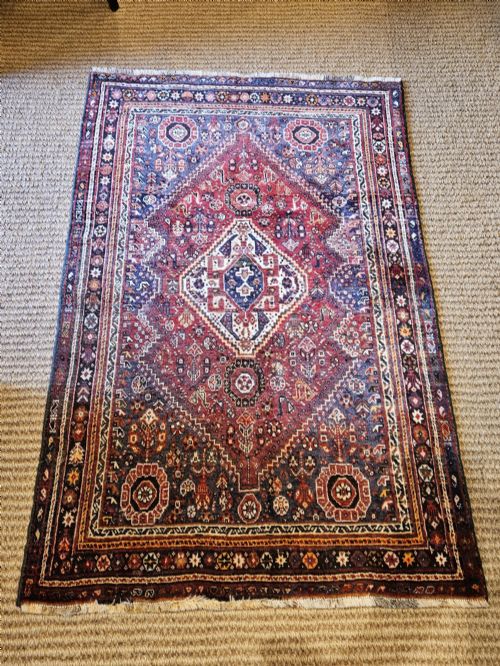
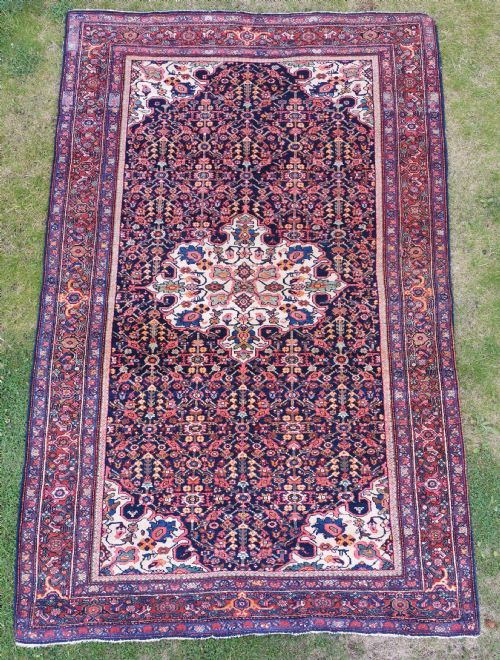
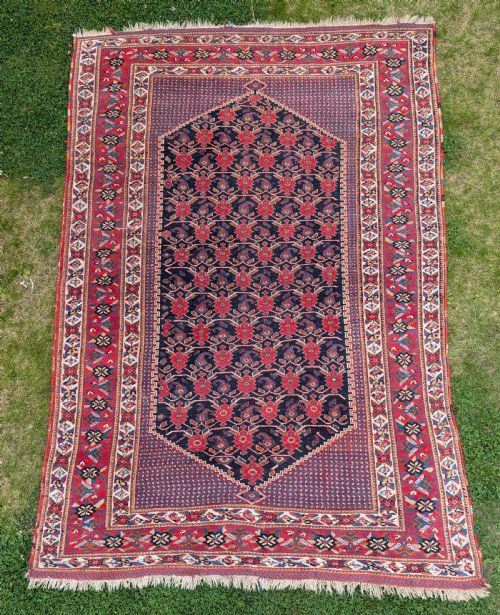
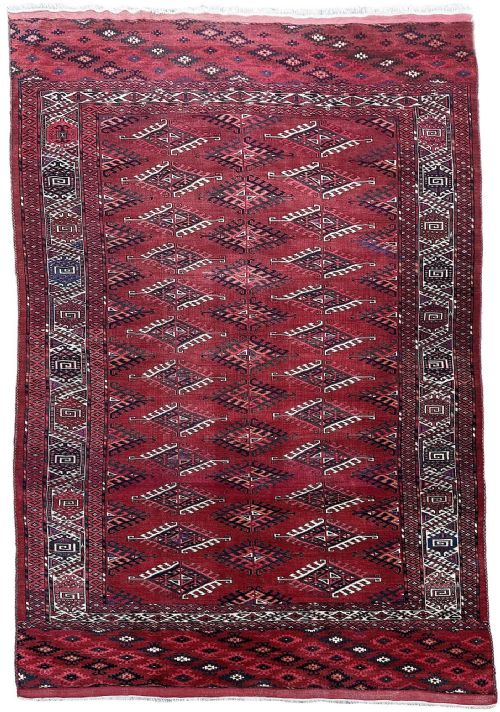
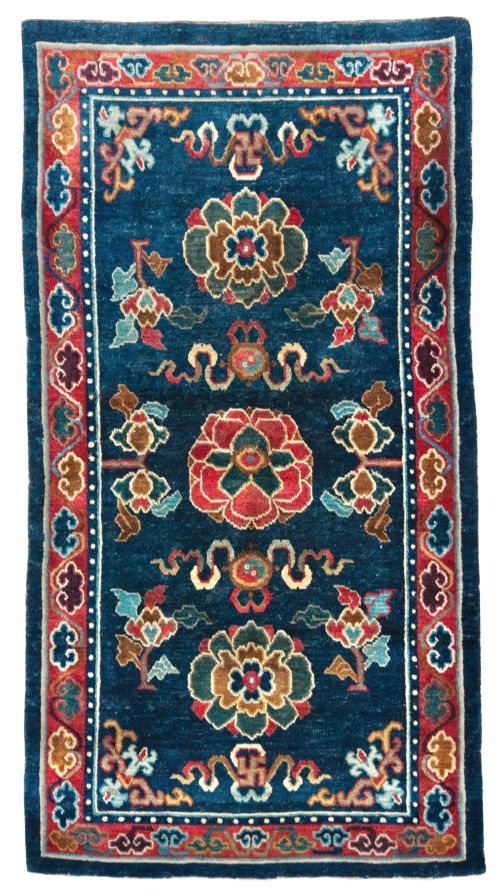

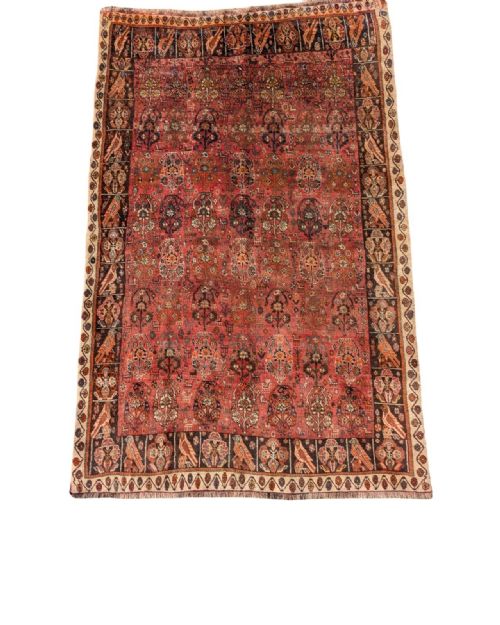
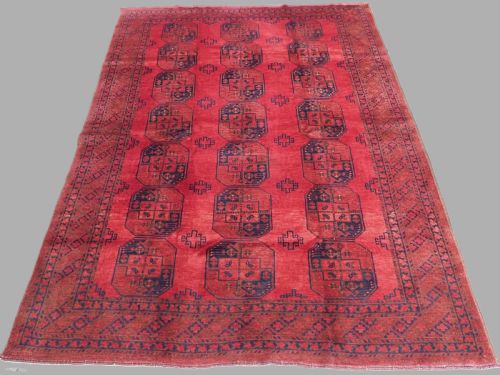
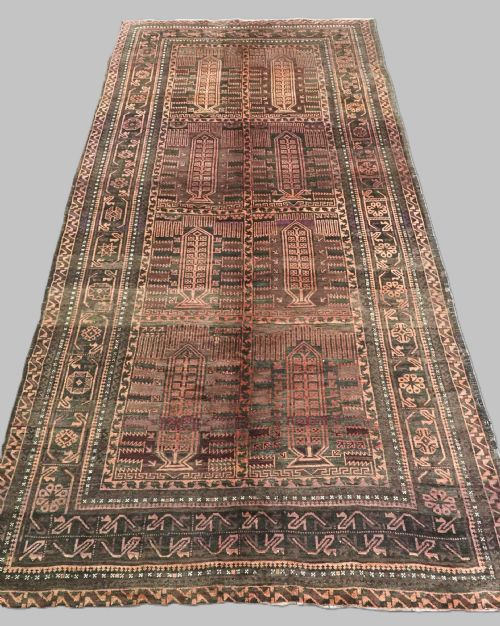
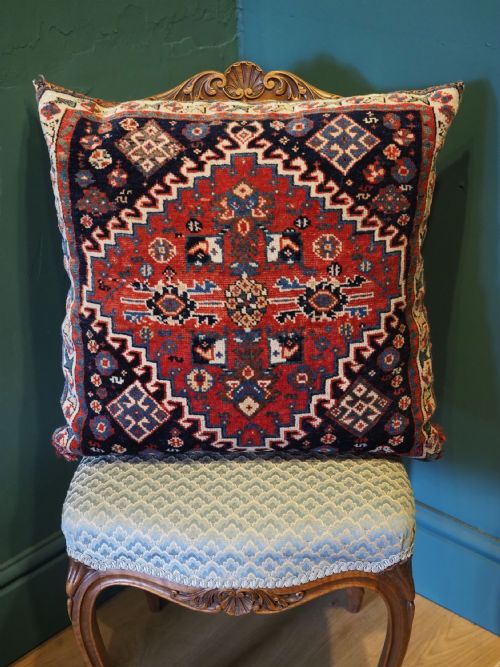
Handwoven Oriental Rug
When you search for a handwoven oriental rug, you are looking at floor coverings made by tribal and village weavers across Asia.
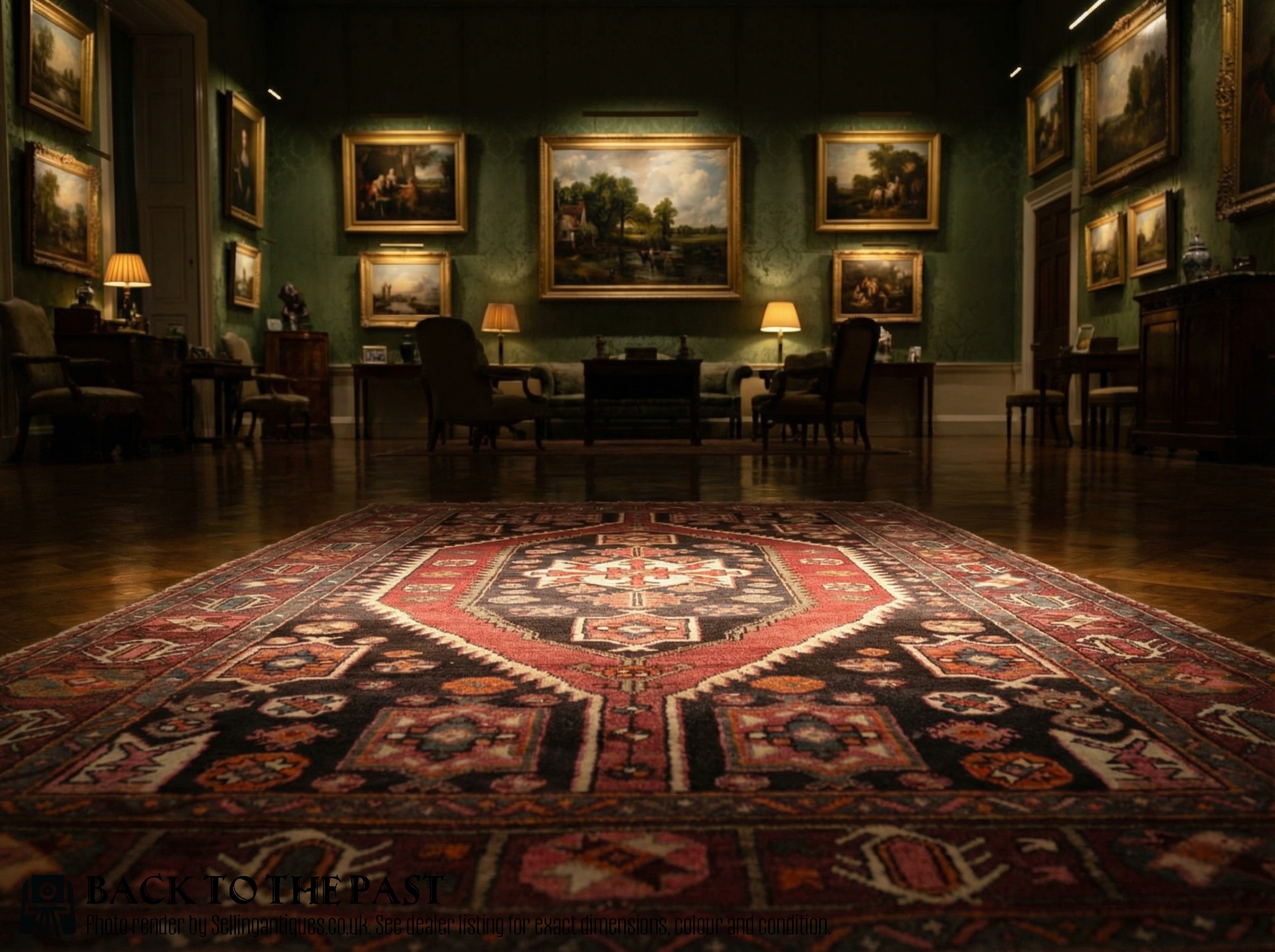
Handwoven Oriental Rug
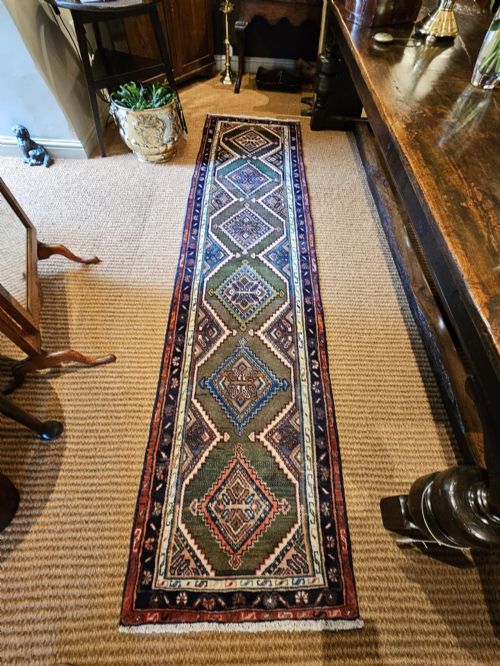
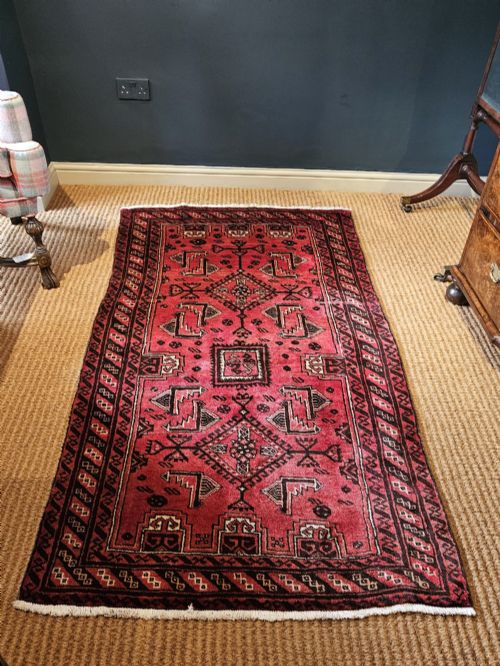
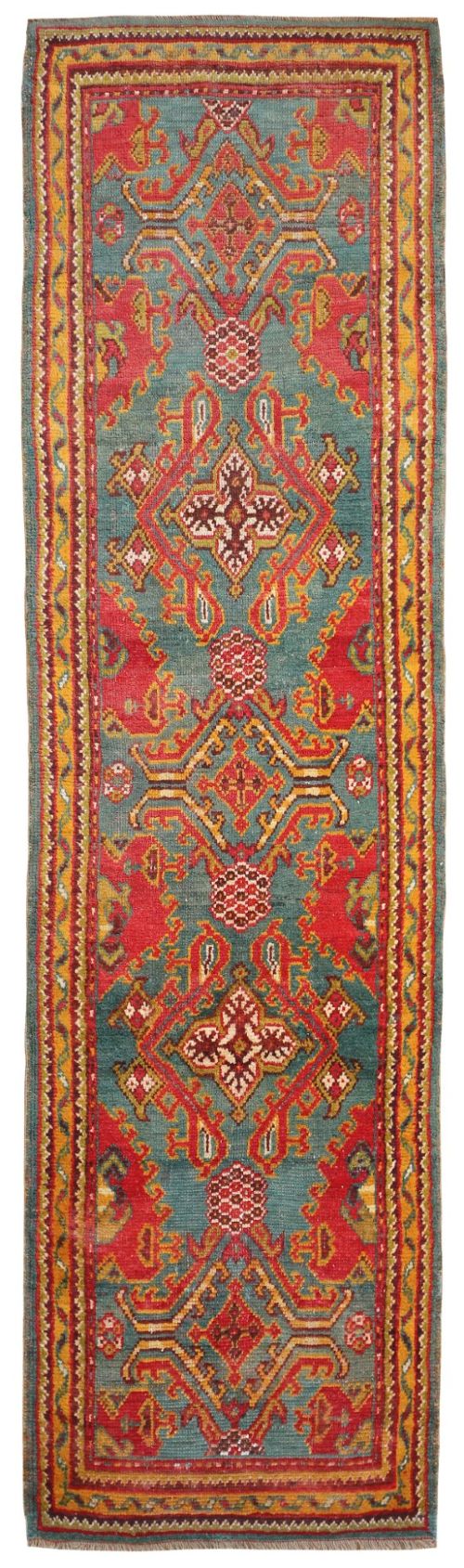
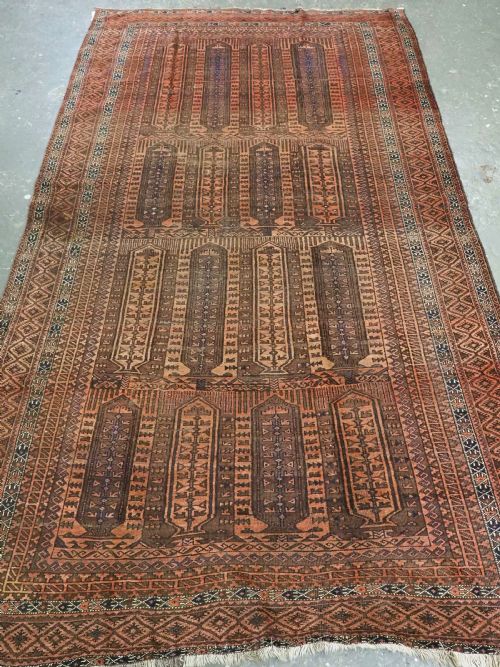
A handwoven oriental rug encompasses a wide variety of floor coverings, runners, and smaller tribal textiles originating from Persian, Caucasian, and Afghan regions. Buyers searching for a handwoven oriental rug will frequently encounter pieces dating from the late nineteenth century through to the middle of the twentieth century.
The inventory on this page spans large carpets, smaller area rugs, long runners for corridors, and functional tribal items such as saddle bags and cushions. Persian village types such as Heriz, Hamadan, and Bidjar appear alongside Caucasian weaves like Kazak and Shirvan.
Tribal pieces often reflect the specific regional traditions of makers like the Qashqai, Baluch, and Turkmen confederacies. These textiles range from geometric village designs to intricate floral medallions developed across generations of local weavers.
How they were made
These floor coverings rely on natural materials, predominantly utilising wool and cotton foundations combined with hand-spun wool pile. Many older examples incorporate natural dyes that yield rich earthy tones such as warm reds, rust, and olive green.
Weavers constructed each piece by hand on traditional looms, knotting or weaving the pile thread by thread onto warp and weft foundations. This intensive manual process produced dense, durable textiles designed to withstand decades of heavy daily use.
Handwoven Oriental Rug Retail Price Guide 2026
Typical asking prices for handwoven oriental rug among the pieces listed under this phrase on Sellingantiques today, from the lower quarter to the upper quarter. They describe what is for sale here now, not the wider market.
What varies in quality
The standard of a piece depends heavily on the density of the knotting and the quality of the wool employed by the weaver. Finer yarns and tighter structures allow for crisper geometric lines and more intricate rendering of traditional motifs.
Proportion, balance in the field design, and the depth achieved through natural dyeing separate standard village work from exceptional examples. The integrity of the foundational structure and the preservation of original edges and borders also dictate the standing of an individual carpet.
The Handwoven Oriental Rug Glossary
- Warp
- The vertical threads stretched lengthwise on the loom that form the foundational skeleton of the rug. Fringe ends typically consist of these exposed warp threads.
- Weft
- The horizontal threads passed through the warp threads alternatingly to hold the knots in place. Together, warp and weft create the structural grid of the textile.
- Medallion
- A large central decorative motif often placed in the middle of the field. Many Persian and Caucasian carpets use this focal element to anchor the overall composition.
- Pile
- The upright yarn surface of the rug formed by the cut ends of knots. The height and density of this wool layer dictate the texture and weight of the piece.
- Kilim
- A flat-woven textile produced without a pile. These pieces are created by tightly interweaving warp and weft threads to form geometric patterns.
Handwoven Oriental Rug: Frequently Asked Questions
How do I clean an old wool rug?
Gentle surface vacuuming without a rotating brush helps remove embedded dust from the wool pile. Professional specialist cleaning is recommended for deeper maintenance to protect natural dyes.
Water and harsh chemical detergents should be avoided as they can cause bleeding or damage to the delicate hand-spun fibres. Regular rotation ensures even wear across rooms with high foot traffic.
Can I use these rugs in high traffic areas?
Traditional wool and cotton construction provides remarkable durability suited for busy hallways and living spaces. Runners and sturdy village carpets withstand regular movement when paired with a quality underlay.
Placing a suitable pad underneath prevents sliding and reduces friction between the foundation and the floorboards below. This simple addition extends the working life of older textiles significantly.
How do I tell regional styles apart?
Caucasian pieces typically feature bold geometric medallions and stark primary colours executed in crisp detail. Persian village styles often display more curvilinear floral elements, Herati patterns, or earthy rust and red backgrounds.
Tribal pieces by Afghan and Baluch makers lean towards deep reds, rich browns, and distinct repeat motifs like the prayer niche or gul design. Examining the knotting style and fringe finish also offers clues regarding origin.
What is the difference between a rug and a runner?
Runners are long, narrow formats specifically designed for corridors, staircases, and narrow entryways. Rugs and carpets generally offer broader square or rectangular dimensions suited for central floor placement.
Both formats utilise identical hand-weaving techniques and materials but serve different architectural spaces within a home. Selecting the correct proportion depends entirely on the layout of the room.